
If you’re looking to add some unique character to your garden or landscape design, you might want to consider Cornus kousa Japanese Dogwood. This versatile plant is not only visually striking with its stunning white or pink bracts and vibrant red berries, but it also serves as a vital component in ornamental horticulture and ecosystem conservation efforts.
Not only can Cornus kousa be used as a beautiful specimen tree or shrub, but it’s also an excellent choice for wildlife habitats due to its ability to attract pollinators and provide food sources for birds. In this article, we’ll explore the benefits and uses of Cornus kousa Japanese Dogwood in more detail, covering topics such as how to grow and care for it, and even learn about its propagation methods.
Characteristics and Identification
To accurately identify Cornus kousa, look for a few distinct characteristics that set it apart from other dogwood species, including its unique bark and leaf patterns.
Physical Description
Cornus kousa Japanese dogwood is a stunning shrub that can grow up to 15 feet tall and wide, with a broad, rounded crown. Its growth habit is often described as upright and spreading, making it an excellent addition to landscapes with limited space. The bark of Cornus kousa is another distinctive feature – it’s typically smooth, grayish-brown, and exfoliates in thin strips, revealing a reddish-pink underneath.
The leaves are ovate or elliptical in shape, 3-7 inches long, and have a pointed tip. They’re dark green on top and pale green or bluish-green below, with a fine network of veins that give them a delicate appearance. The leaves also change color with the seasons – they turn vibrant shades of red, orange, and purple during fall.
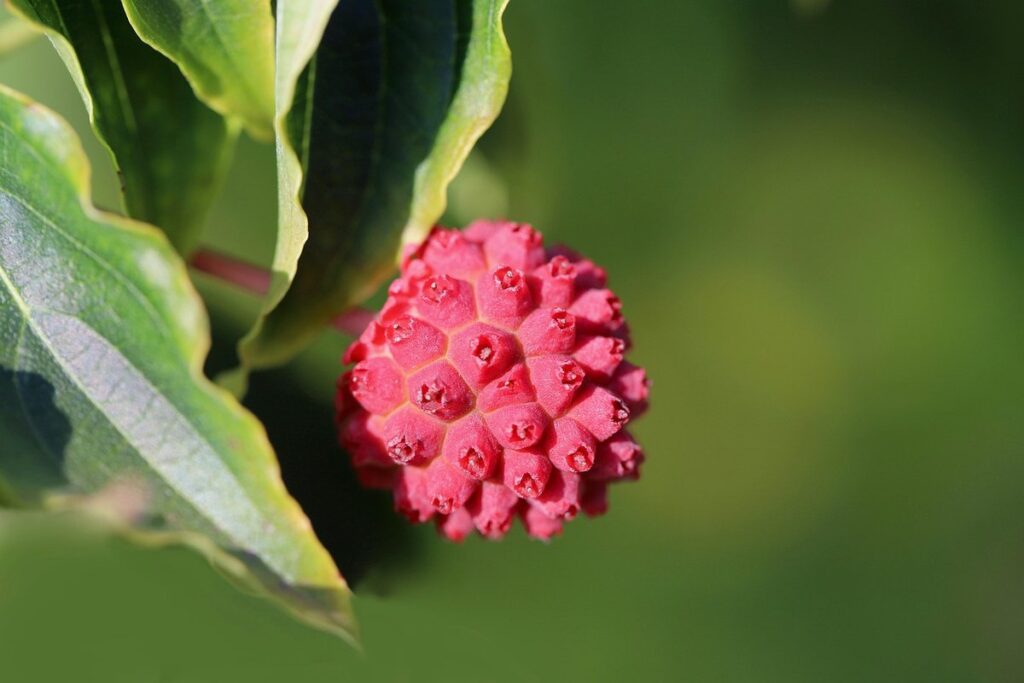
The flowers are small, white, and clustered in terminal panicles, typically appearing in late spring. They’re followed by blue-black berries about 1/2 inch in diameter that persist through winter, providing a striking contrast to the bare branches. These berries attract birds and other wildlife, making Cornus kousa an attractive choice for gardeners who want to support local ecosystems.
When selecting a specimen, look for trees with sturdy branches, well-distributed growth, and vibrant foliage. Avoid any signs of disease or pests that could compromise its health.
Growth Habits and Hardiness
When it comes to growing Cornus kousa, understanding its growth habits and hardiness is crucial for optimal care. This deciduous shrub or small tree is known for its moderate to rapid growth rate, typically reaching 10-15 feet tall and 8-12 feet wide in a span of 5-7 years. To support this growth, Cornus kousa prefers well-draining acidic soil with a pH between 6.0 and 6.5.
If you’re planning to plant Cornus kousa in your garden or landscape, make sure to choose a location that suits its hardiness zone requirements. This stunning dogwood is hardy in USDA zones 5-8, meaning it can tolerate temperatures as low as -20°F (-29°C) and as high as 90°F (32°C). However, it’s essential to note that extreme weather conditions, such as prolonged drought or intense heatwaves, may still cause stress to the plant.
To promote healthy growth and hardiness in your Cornus kousa, remember to provide regular watering, fertilization, and pruning. By understanding its specific needs and adapting to local climate conditions, you’ll be well on your way to enjoying the beauty of this remarkable tree for years to come.
Benefits and Uses
If you’re looking to get the most out of your Cornus Kousa Japanese Dogwood, here’s where its numerous benefits and uses come in. We’ll explore how to make the most of this versatile plant.
Ornamental Value
As you consider adding Cornus kousa to your landscape, its ornamental value is likely one of the key factors drawing you to this versatile tree. Beyond its showy flowers and attractive foliage, Cornus kousa can play multiple roles in a well-designed outdoor space.
One way to highlight its ornamental value is by using it as a specimen tree or shrub, where its unique characteristics can take center stage. Planting multiple specimens in strategic locations can create a beautiful display of flowers, particularly during the spring bloom period when clusters of white or pink bracts surround small yellowish-green flowers. This makes Cornus kousa an ideal choice for adding visual interest to a large lawn or as a focal point near a patio or seating area.
In addition to its use as a specimen tree or shrub, Cornus kousa can also be used as a hedge or screen to add depth and structure to your landscape. This is particularly effective when multiple stems are planted close together, creating a dense barrier that provides shade and helps to conceal unsightly views or areas.
Cornus kousa’s potential to support wildlife habitat creation adds another layer of ornamental value to this tree. Its showy flowers attract pollinators like bees and butterflies, while its berries provide food for birds and small mammals during the winter months. Planting Cornus kousa near a water feature or other beneficial plants can create a thriving ecosystem that attracts a variety of wildlife to your property.
When incorporating Cornus kousa into your landscape design, consider its mature size (10-15 feet tall) and growth habit to ensure it receives enough space to thrive. Also, be aware that the tree’s shallow root system may require more frequent watering during periods of drought or extreme heat.
Medicinal Properties and Food Sources
The medicinal properties of Cornus kousa are multifaceted and offer potential benefits for both humans and wildlife. Rich in antioxidants, this plant has been found to exhibit anti-inflammatory effects, which may help alleviate symptoms associated with conditions such as arthritis and gout. The berries, in particular, have shown promise in traditional medicine, often used to treat digestive issues and fever.
In Asian cultures, Cornus kousa berries are used to make a tea that is believed to reduce inflammation and promote overall health. Wildlife, including birds and small mammals, also rely on the plant’s berries as a food source during the winter months when other options may be scarce. When foraging for berries, it’s essential to ensure proper identification and only consume them in moderation.
The antioxidant properties of Cornus kousa have been linked to improved cardiovascular health and reduced oxidative stress. While further research is needed to fully understand its medicinal potential, incorporating this plant into your garden or supplement routine may be worth exploring. When using the plant for medicinal purposes, always consult with a healthcare professional to ensure safe and effective use.
Cultivation and Care
To ensure your Cornus kousa Japanese Dogwood thrives, proper cultivation and care are essential. This includes choosing a suitable location and providing regular watering and pruning.
Planting and Soil Requirements
When planting Cornus kousa, timing is everything. The best time to plant these trees or shrubs is in early spring or fall when the weather is cooler and rainfall is more consistent. Avoid planting during hot summer months or when the soil is waterlogged.
To prepare the soil for your new Cornus kousa, it’s essential to create a well-draining environment. Test your soil pH level and amend it if necessary – these trees prefer slightly acidic to neutral soil (pH 5.5-7). Add organic matter like compost or well-rotted manure to improve the soil’s structure and fertility.
Watering is critical in the first year after planting. Water regularly, providing about 1 inch of water per week, either through rainfall or irrigation. Avoid overwatering, which can lead to root rot and other issues. Mulch around the base of the plant to retain moisture and suppress weeds. Keep an eye out for signs of nutrient deficiency, such as yellowing leaves, and adjust your fertilization strategy accordingly.
Make sure to plant your Cornus kousa at the same depth as it was in the pot, taking care not to disturb the root ball.
Pruning and Maintenance
To maintain the stunning shape and vibrant health of your Cornus kousa Japanese dogwood, regular pruning is essential. Pruning not only controls its size but also encourages new growth and prevents disease. Start by removing any dead or damaged branches in late winter or early spring, making clean cuts just above a bud or branch.
As for shaping the tree, trim any crossing or rubbing branches during the growing season (spring-fall). This will help maintain an open, airy structure that allows sunlight to penetrate the leaves. To control pests and diseases, inspect your tree regularly and remove any affected areas promptly. Fungal diseases like powdery mildew can be prevented by spraying a copper-based fungicide in early spring.
To promote healthy growth, fertilize your Cornus kousa with a balanced, water-soluble fertilizer in the growing season (spring-fall). Mulching around the base will also retain moisture and suppress weeds. Remove any weeds by hand or apply a pre-emergent herbicide to prevent them from germinating.
For more extensive pruning tasks like rejuvenation pruning, consider hiring a professional arborist. This type of pruning involves cutting back branches almost to the ground, which can be overwhelming for inexperienced gardeners.
Wildlife Value and Ecosystem Role
As a valuable part of its ecosystem, Cornus kousa Japanese Dogwood plays a crucial role in supporting local wildlife, providing habitat and resources for various species. This section delves into that significance further.
Importance in Local Ecosystems
In local ecosystems, Cornus kousa plays a vital role as a keystone species. One of its most critical functions is serving as a food source for various animals, from birds and insects to small mammals. The berries of the Cornus kousa are particularly prized by wildlife, providing them with essential nutrients during times of scarcity.
In addition to being a food source, Cornus kousa also offers shelter from extreme weather conditions. Its dense foliage and sturdy branches provide protection from harsh winds, scorching sun, and heavy rainfall, making it an attractive haven for animals seeking refuge. For instance, birds often make their nests within the tree’s dense canopy, while small mammals like rabbits and squirrels seek shelter beneath its sprawling roots.
Moreover, Cornus kousa contributes significantly to biodiversity conservation efforts. By providing habitat and food for a wide range of species, it helps maintain ecosystem balance and promotes biodiversity. As such, incorporating Cornus kousa into local landscaping projects can have far-reaching benefits for the environment.
Role in Pollination and Seed Dispersal
As we delve into the wildlife value and ecosystem role of Cornus kousa Japanese Dogwood, it’s essential to understand its significant contributions to pollination and seed dispersal processes. This remarkable plant is a vital component of its ecosystem, interacting with various species to ensure the reproduction and distribution of seeds.
Pollinators like bees, butterflies, and hummingbirds are attracted to the showy white or pink flowers of Cornus kousa, which produce copious amounts of nectar. As these pollinators feed on the nectar, they inadvertently transfer pollen between plants, facilitating fertilization and seed production. The plant’s tubular shape also allows for easy access by long-tongued pollinators like hummingbirds, increasing the chances of successful pollination.
In addition to attracting pollinators, Cornus kousa also relies on wind and water to disperse its seeds. The seeds are contained in small, fleshy fruits called drupes that fall from the tree when mature. These drupes can be carried away by wind or animals, allowing the plant to spread its genetic material across a wider area. This process is crucial for maintaining genetic diversity within the species and ensuring its long-term survival.
In a garden setting, you can encourage pollinators like bees and butterflies by planting Cornus kousa near other nectar-rich flowers that attract these species. Avoid pruning the plant excessively, as this can reduce its ability to produce seeds and fruits. By providing a suitable environment for Cornus kousa, you’ll be contributing to the overall health of your ecosystem and supporting the reproduction of this valuable plant.
Propagation Methods
To successfully grow Cornus kousa, you’ll need to understand how to propagate it, which is where different methods come into play. Let’s explore these techniques together.
Seeds, Cuttings, and Grafting
Propagating Cornus kousa can be achieved through various methods, each with its own success rate and requirements. One popular method is seed germination, although it’s essential to note that this process can take several months to a year or more. The seeds require cold stratification for about 30-60 days to break dormancy before being sown in a well-draining seed starting mix.
Another approach is taking cuttings from mature Cornus kousa trees during the dormant season. This method requires a rooting hormone and some basic equipment, such as pots or propagation trays filled with a sterile potting medium. When planting cuttings, it’s crucial to maintain high humidity levels and provide adequate light to promote root development.
Grafting is also an effective way to propagate Cornus kousa. This technique involves joining a stem (scion) from one tree onto the root system of another tree (rootstock). By grafting a piece of Cornus kousa stem onto a compatible rootstock, you can speed up the propagation process and enjoy faster growth rates.
It’s worth noting that cornelian cherry dogwoods are generally easy to propagate through cuttings or layering. Grafting, however, may be more challenging due to the specific requirements for compatibility between the scion and rootstock. To achieve success with grafting Cornus kousa, it’s essential to use a compatible rootstock and ensure that the scion is taken from a mature tree.
When propagating cornelian cherry dogwoods, make sure to follow proper sanitation techniques to prevent disease and pest infestations. Proper care during the propagation process will increase your chances of successful growth and ensure healthy plants for years to come.
Pests, Diseases, and Other Considerations
As you grow your Cornus Kousa Japanese Dogwood, you’ll want to be aware of potential pests, diseases, and other considerations that can impact its health and beauty. Here’s what you need to know.
Common Issues and Solutions
As with any ornamental tree, Cornus kousa Japanese Dogwood is susceptible to certain pests and diseases that can affect its overall health. One of the most common issues is powdery mildew, a fungal disease that causes white powder-like growth on leaves and stems. To prevent this, make sure your tree receives adequate air circulation and water it properly to avoid overwatering. You can also treat powdery mildew with a fungicide specifically designed for this issue.
Another common pest is the Japanese beetle, which can cause significant damage to leaves and flowers. These beetles are attracted to the sweet nectar of Cornus kousa’s flowers, so it’s essential to protect your tree during peak blooming periods. Use yellow traps or apply insecticidal soap to control infestations.
In addition to pests and diseases, transplant shock can be a significant concern when planting a Cornus kousa Japanese Dogwood. To minimize this risk, choose a healthy tree with well-developed roots and plant it in the spring or fall when temperatures are cooler. Water thoroughly after planting and maintain consistent moisture levels during the first growing season.
To prevent root disturbance, avoid digging too close to the trunk of your Cornus kousa Japanese Dogwood. This can cause damage to the delicate roots and compromise the tree’s ability to absorb water and nutrients. Instead, create a mulch ring around the base of the tree to retain moisture and suppress weeds.
Regular monitoring and maintenance are key to preventing these issues and keeping your Cornus kousa Japanese Dogwood healthy and thriving.
Conclusion
In conclusion, Cornus kousa Japanese Dogwood is an exceptional addition to any landscape, offering stunning beauty, durability, and low maintenance requirements. By now, you should have a solid understanding of its characteristics, growth habits, and uses in gardening. Whether you’re looking for a statement piece or a versatile shrub for hedges and screens, this dogwood variety has got you covered.
Remember to choose a location with well-draining soil and partial shade to ensure optimal performance. Don’t be afraid to prune it regularly to maintain its desired shape and encourage healthy growth. With proper care, your Cornus kousa Japanese Dogwood will thrive for years to come, bringing joy and beauty to your outdoor space.
Frequently Asked Questions
Can I grow Cornus kousa in containers?
You can indeed grow Cornus kousa in containers, making it an excellent choice for urban gardeners or those with limited space. Just ensure the container is at least 12-18 inches deep to accommodate the plant’s extensive root system.
How long does it take for Cornus kousa to mature and produce berries?
Cornus kousa typically takes around 3-5 years to reach its full height of 15 feet, but you can expect it to start producing flowers in as little as 2 years. Berry production will follow shortly after, usually within 5-7 years.
Can Cornus kousa tolerate shade or is direct sunlight required?
While Cornus kousa prefers partial shade to full sun, it can tolerate a range of light conditions. However, for optimal growth and berry production, aim for at least 4-6 hours of direct sunlight per day.
What are some common pests or diseases that affect Cornus kousa?
Cornus kousa is generally a low-maintenance plant, but it’s not immune to pests and diseases. Be on the lookout for aphids, scale insects, and spider mites, which can be managed with neem oil or insecticidal soap. Fungal diseases like powdery mildew and root rot can also occur; ensure good air circulation and avoid overwatering.
Can I prune Cornus kousa to control its size or shape?
Yes, regular pruning is essential for maintaining the desired shape of your Cornus kousa. Prune in late winter or early spring, removing any dead, diseased, or damaged branches. You can also trim back the plant after flowering to encourage bushy growth and promote berry production.