
If you’re a gardener or enthusiast looking to add some beauty and diversity to your outdoor space, you’ve likely heard of Cornus kousa Pink Dogwood. But did you know that this stunning plant offers more than just its breathtaking blooms? From its vibrant pink flowers and attractive foliage to its potential health benefits and versatile uses in traditional medicine, the Cornus kousa Pink Dogwood is a true gem worth exploring.
In this article, we’ll delve into the fascinating world of Cornus kousa Pink Dogwood, covering its landscaping value, medicinal properties, and even the latest research on its applications. Whether you’re a seasoned gardener or just starting out, you’ll learn how to grow and care for this incredible plant, and discover why it’s becoming increasingly popular in modern gardens and landscapes.
We’ll also touch on some of the plant’s lesser-known benefits, from its ability to attract pollinators to its potential uses in modern herbalism. By the end of this article, you’ll be equipped with all the knowledge you need to incorporate Cornus kousa Pink Dogwood into your own space and reap its many rewards.
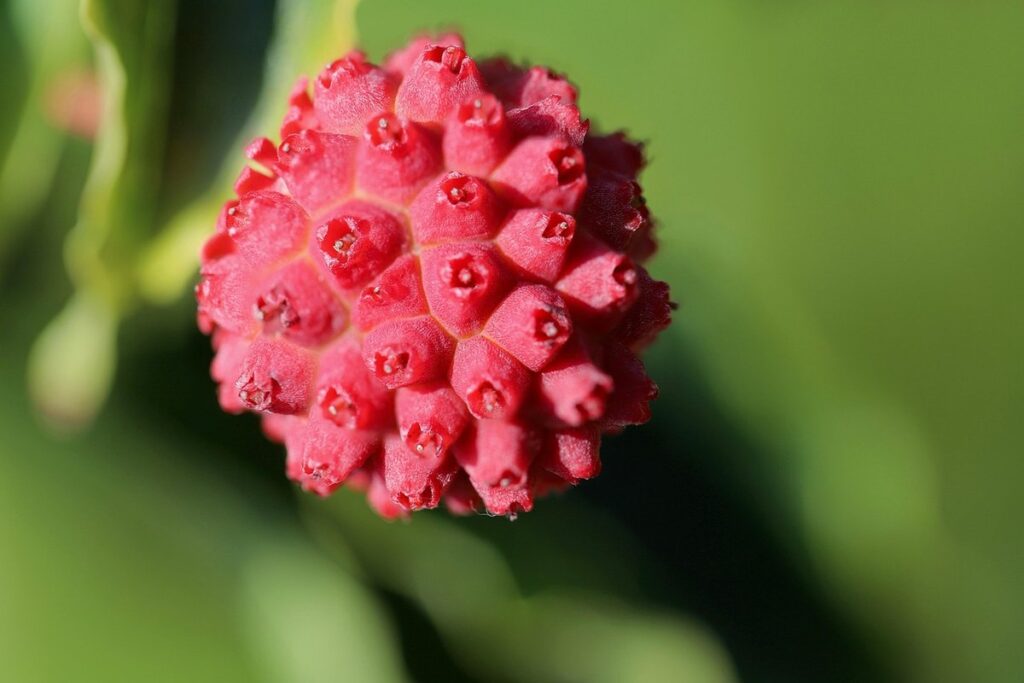
Introduction to Cornus kousa
Welcome to our exploration of Cornus kousa, a stunning tree known for its vibrant pink flowers and numerous health benefits. In this section, we’ll delve into its unique characteristics.
What is Cornus kousa?
Cornus kousa, commonly known as the Korean dogwood or simply pink dogwood, is a species of flowering tree that has gained popularity among gardeners and landscapers worldwide. From a botanical standpoint, it belongs to the Cornaceae family, which comprises about 100 species of trees and shrubs native to the Northern Hemisphere.
Native to East Asia, specifically China, Korea, and Japan, Cornus kousa is well adapted to temperate climates with mild winters and warm summers. This deciduous tree typically grows between 15 to 20 feet in height, with a spread of around 10 to 15 feet. Its attractive shape, combined with its stunning foliage and vibrant flowers, make it an ideal choice for both ornamental gardens and woodland plantations.
One of the key characteristics that set Cornus kousa apart from other dogwood species is its robust growth habit, which allows it to thrive in a variety of conditions, including full sun to partial shade. Its relatively small size also makes it suitable for smaller spaces or as a specimen tree in larger gardens.
History and Cultural Significance
Cornus kousa pink dogwood has a rich history and cultural significance that spans centuries. Native to East Asia, this stunning shrub was highly prized by the ancient Chinese for its beauty and durability. In traditional Chinese culture, Cornus kousa was considered a symbol of good fortune and prosperity, often used in wedding ceremonies and celebrations.
In Japan, the plant was revered for its hardy nature and ability to thrive in poor soil conditions, making it a staple in Japanese gardens and landscapes. The Japanese also valued the plant’s attractive bark, which was believed to possess spiritual significance.
In Korea, Cornus kousa was used in traditional medicine for centuries, with its bark, roots, and flowers all having unique healing properties. Today, the plant is still highly respected in Korean culture for its medicinal and ornamental value.
Whether you’re a seasoned gardener or just starting out, incorporating Cornus kousa pink dogwood into your landscape can be a wonderful way to connect with nature and tap into its rich cultural heritage.
Growing Conditions for Cornus kousa Pink Dogwood
To grow a stunning Cornus kousa Pink Dogwood, you’ll want to provide it with well-draining soil and full sun to partial shade, ideally in USDA zones 5-8. This will ensure optimal conditions for your tree’s health and beauty.
Climate and Soil Requirements
Cornus kousa Pink Dogwood is a versatile and beautiful ornamental tree that requires careful consideration of its growing conditions to thrive. When it comes to climate, this species prefers well-drained soils and full sun to partial shade. It can tolerate a range of temperatures but performs best in zones 5-8 with average summer temperatures between 65°F and 75°F (18°C and 24°C). However, extreme heat or cold can still damage the tree.
In terms of soil pH, Cornus kousa Pink Dogwood prefers slightly acidic to neutral soils with a pH range of 6.0 to 7.5. It’s essential to note that this species is sensitive to excessive moisture, which can lead to root rot and other issues. As such, it’s crucial to plant the tree in well-drained soil or raised beds to ensure proper drainage.
To achieve optimal growth, make sure your soil has a mix of organic matter, such as compost or well-rotted manure, to improve its fertility and structure. Avoid planting the tree in low-lying areas where water tends to collect, as this can lead to root rot and other problems. With proper care and attention to climate and soil requirements, your Cornus kousa Pink Dogwood will flourish into a stunning and beneficial addition to your landscape.
Sunlight and Watering Needs
To ensure that your Cornus kousa Pink Dogwood thrives, it’s essential to provide it with the right amount of sunlight and water. This deciduous shrub loves partial shade to full sun, but it will perform best when planted in a location that receives at least 4-6 hours of direct sunlight per day. If you’re planting your Cornus kousa Pink Dogwood in an area with dense tree coverage or heavy foliage, consider pruning nearby plants to allow more sunlight to reach the shrub.
When it comes to watering, make sure not to overdo it – a well-draining soil mix is crucial to prevent root rot. Water your Cornus kousa Pink Dogwood regularly during its first growing season, but avoid frequent watering during the dormant season. As a general rule of thumb, water your shrub when the top 2-3 inches of soil feels dry to the touch. Aim for about 1 inch of rainfall or irrigation per week, either from rain or supplemental watering.
By striking this balance between sunlight and water, you’ll be rewarded with a lush canopy of heart-shaped leaves that turn vibrant shades of yellow and red in autumn, eventually giving way to stunning white blooms in spring.
Care and Maintenance of Cornus kousa Pink Dogwood
To keep your Cornus kousa Pink Dogwood thriving, it’s essential to provide regular care and maintenance, including pruning, watering, and fertilizing. Proper care will also help prevent common issues like pests and diseases.
Pruning and Training Techniques
Pruning and training your Cornus kousa pink dogwood regularly is essential to maintain its shape, promote healthy growth, and encourage blooming. Prune the tree in late winter or early spring before new growth begins, removing any dead, diseased, or damaged branches. This will help prevent the spread of disease and encourage vigorous growth.
To maintain a strong structure, prune the central leader by cutting it back to about 6-8 inches from the ground. This will stimulate new growth and create a more compact shape. You can also thin out the canopy by removing some of the lateral branches, allowing air and light to penetrate the tree.
When pruning, make clean cuts just above a bud or leaf node, using sharp, sterile pruning tools to prevent spreading disease. After pruning, water the tree thoroughly to help it recover from any stress caused by the process. Regular training also involves guiding the branches upwards and outwards using stakes or ties, especially during the first year after planting. This will help establish a balanced shape and promote healthy growth. By following these simple steps, you can enjoy a beautiful, blooming Cornus kousa pink dogwood for years to come.
Pest and Disease Management
As a proud owner of a Cornus kousa Pink Dogwood, you want to ensure it remains healthy and thriving for years to come. However, like all plants, it’s susceptible to common pests and diseases that can cause damage if left unchecked.
Some of the most prevalent issues include scale insects, spider mites, and aphids. These pests can be identified by their sticky residue on the leaves or fine webbing around the stems. To prevent infestations, maintain a regular watering schedule and ensure good air circulation around your tree.
Diseases like powdery mildew, root rot, and leaf spot can also affect Cornus kousa Pink Dogwood. Fungal diseases thrive in damp environments, so it’s essential to water at the base of the plant rather than overhead. Regular pruning and removal of dead leaves or branches will help prevent the spread of these diseases.
Prevention is key: monitor your tree regularly for signs of pests or disease, and take action promptly if you notice any issues.
Ornamental Value and Uses of Cornus kousa Pink Dogwood
When it comes to adding a pop of color and vibrancy to your garden, few plants shine as brightly as Cornus kousa Pink Dogwood. Here’s how you can put this stunning tree to work for you.
Landscape Design Ideas
When incorporating Cornus kousa Pink Dogwood into your landscape design, you’ll find it’s incredibly versatile and can add a pop of color to various settings. One of the most striking ways to showcase its beauty is as a specimen tree or shrub. Imagine planting a single mature tree in your front yard, its vibrant pink flowers blooming in early spring, creating a stunning focal point that draws the eye.
Alternatively, use it as a border plant, placing multiple shrubs along a fence line or hedge for a continuous splash of color. This will create a beautiful tapestry effect that’s especially lovely when combined with other flowering plants like azaleas or rhododendrons. For smaller spaces, consider using Cornus kousa Pink Dogwood as a container plant. It thrives in pots and can be moved around to add a burst of color to different areas of your garden.
When planting multiple trees, leave about 10-15 feet between each specimen to allow for proper air circulation and sunlight penetration. This will ensure the health and longevity of your plants. With its striking flowers and adaptable nature, Cornus kousa Pink Dogwood is an excellent choice for adding ornamental value to any landscape design.
Cut Flower and Foliage Arrangements
When it comes to showcasing the ornamental value of Cornus kousa Pink Dogwood, one of the most rewarding experiences is creating beautiful cut flower and foliage arrangements. To make the most of this stunning tree’s flowers and leaves, here are some tips on harvesting and arranging them for decorative purposes.
To harvest the showy bracts (which resemble flowers) and leaves, wait until they have reached their peak color and size, usually late spring to early summer. Gently snip off the stems with a sharp pair of pruning shears or loppers, making sure not to damage the stem or the plant itself. For longer-lasting arrangements, cut the stems at an angle, as this allows for better water uptake.
When selecting branches, choose those with a good balance of bracts and foliage, as this will create a visually appealing arrangement. Consider pairing the Pink Dogwood’s delicate pink flowers with other blooms like peonies or roses for added texture and color. For a more rustic look, combine the foliage with greenery like ferns or lemon leaves.
Experiment with different vases and arrangements to find your personal style, but remember to place the stems in water as soon as possible to prevent them from drying out. With proper care and attention, your cut flower and foliage arrangements will last for up to two weeks, providing a beautiful reminder of the Cornus kousa Pink Dogwood’s beauty and versatility.
Health Benefits and Medicinal Uses of Cornus kousa Pink Dogwood
From its roots to its leaves, Cornus kousa has been valued for centuries not just for its beauty but also for its incredible health benefits and medicinal uses. Let’s dive into what makes this plant a powerhouse of wellness.
Traditional Medicine
For centuries, Cornus kousa Pink Dogwood has been revered for its medicinal properties and used in traditional medicine to treat a range of ailments. In Korean and Chinese cultures, it’s commonly known as “Sasam” or “Mu Dan Ping,” respectively, and is valued for its anti-inflammatory and antioxidant properties. Herbal remedies made from the bark, flowers, and berries are often used to treat digestive issues, skin conditions, and even fever.
In traditional folk practices, Cornus kousa Pink Dogwood is also used to reduce swelling and pain. For example, a tea made from the bark can be applied topically to soothe joint pain or reduce inflammation. You can also use the dried flowers as an herbal infusion to calm digestive issues like diarrhea or constipation.
To make use of Cornus kousa Pink Dogwood in your traditional medicine practice, you’ll need to source high-quality ingredients and follow proper preparation methods. Start by purchasing certified organic bark, flowers, or berries from a trusted supplier. Then, consult with an experienced herbalist or healthcare professional on how to prepare and dose the remedy according to your specific needs. By incorporating Cornus kousa Pink Dogwood into your natural medicine routine, you may find relief from common health issues and enjoy the many benefits of this versatile plant.
Modern Research and Potential Health Benefits
Recent studies have shed light on the potential health benefits of Cornus kousa Pink Dogwood. A 2018 study published in the Journal of Ethnopharmacology found that a flavonoid-rich extract from the plant showed significant antioxidant and anti-inflammatory activities, suggesting its potential application in treating various diseases associated with oxidative stress.
Another study conducted in 2020 investigated the plant’s effects on cardiovascular health. The results indicated that the extracts reduced triglyceride levels and improved lipid profiles in mice models, pointing to a possible role in managing heart disease. While these findings are promising, it’s essential to note that most research has been conducted in vitro or in animal studies, emphasizing the need for further human trials.
As more research emerges, we may uncover additional benefits of Cornus kousa Pink Dogwood. In the meantime, incorporating this beautiful plant into your garden can be a great way to experience its potential health benefits firsthand. You can start by using its flowers and leaves in herbal teas or infusions, or even try making a homemade salve using its bark.
When selecting a variety of Cornus kousa Pink Dogwood for cultivation, look for plants that have been bred for their ornamental value as well as their medicinal properties. This will ensure you’re getting the most out of your plant while also enjoying its stunning beauty in your garden or indoor space.
Propagation and Pests Control Methods
When growing Cornus kousa pink dogwood, it’s essential to learn effective methods for propagating new trees as well as controlling pests that can damage your plants.
Seed Collection and Germination
Collecting seeds from mature Cornus kousa Pink Dogwood plants is an excellent way to propagate this beautiful tree. However, it requires patience and attention to detail. To start, choose a healthy, mature plant with vibrant foliage and stunning pink flowers. Ensure the plant has produced seed pods by observing its reproductive cycle.
Once you have selected the right plant, wait for the seeds to mature and turn brown. This is usually around late summer or early fall. Carefully remove the seed pods from the branches and dry them further in a paper bag or airtight container. After 2-3 weeks, the seeds will be ready for collection.
To germinate the seeds, plant them ¼ inch deep in seed starting mix and keep the soil consistently moist but not waterlogged. Provide adequate light, typically around 14-16 hours of daylight. Keep the temperature between 65°F to 75°F (18°C to 24°C) until germination occurs, usually within 1-3 months. Monitor your progress closely, as overwatering can be detrimental to seedlings.
Biological Control Methods
When it comes to controlling pests on your Cornus kousa Pink Dogwood, you don’t always need to reach for chemical pesticides. In fact, there are many non-chemical methods that can be just as effective, if not more so.
One of the most beneficial ways to control pests is through beneficial insects. For example, introducing ladybugs or lacewings into your garden can help control aphid populations. These beneficial insects will feed on the aphids, keeping their numbers in check without harming your plant. You can purchase these beneficial insects from a reputable supplier and release them into your garden.
Cultural controls are also an essential part of pest management for Cornus kousa Pink Dogwood. This includes practices such as maintaining good air circulation around your plant, watering it at the right time, and providing adequate sunlight. By keeping your plant healthy and strong, you’ll be less likely to attract pests in the first place.
Additionally, removing weeds from around the base of your Cornus kousa Pink Dogwood can help prevent pests like slugs and snails from feeding on its sap.
Frequently Asked Questions
Can I grow Cornus kousa Pink Dogwood indoors?
No, it’s best to plant Cornus kousa outdoors where it can receive full sun and well-drained soil. While possible to containerize, its size and growth habits are better suited for garden landscapes.
How long does it take for a Cornus kousa Pink Dogwood tree to mature?
A Cornus kousa Pink Dogwood tree typically takes 5-7 years to reach maturity after planting, with optimal blooming occurring around 10-15 years of age. Regular care and pruning can enhance its growth.
Are there any specific pruning techniques for Cornus kousa Pink Dogwood?
Yes, regular pruning is essential for maintaining the health and shape of your Cornus kousa Pink Dogwood tree. Prune it in late winter or early spring to control size, promote new growth, and encourage blooming.
Can I use Cornus kousa Pink Dogwood leaves for herbal remedies?
While leaves from Cornus kousa have been used in traditional medicine, it’s essential to properly identify the plant and consult with a healthcare professional before using any parts for medicinal purposes. Research the specific applications and safety precautions involved.
How can I protect my Cornus kousa Pink Dogwood tree from pests?
Maintain good garden hygiene by regularly inspecting your plants and removing any signs of pests or diseases. Use organic pest control methods whenever possible, such as introducing beneficial insects or using neem oil to minimize chemical interventions.