
Are you looking for a versatile and low-maintenance addition to your garden? Look no further than Cornus satomi, also known as Dogwood! This stunning plant has been gaining popularity in recent years due to its unique characteristics, impressive health benefits, and decorative uses. But what makes Cornus satomi so special? From its vibrant fall colors to its medicinal properties, this incredible shrub is a true gem for gardeners and nature lovers alike.
In our comprehensive guide, we’ll delve into the world of Cornus sativa, exploring its growth tips, medicinal benefits, and sustainable uses. Whether you’re a seasoned horticulturist or just starting out on your gardening journey, this article will provide you with everything you need to know about cultivating and utilizing Cornus satomi in your garden or home decor.
What is Cornus Satomi Dogwood?
Let’s start by understanding what makes Cornus Satomi Dogwood so special, and we’ll begin by breaking down its unique characteristics and traits. This beautiful shrub is a staple in many gardens for good reason!
Origin and Classification
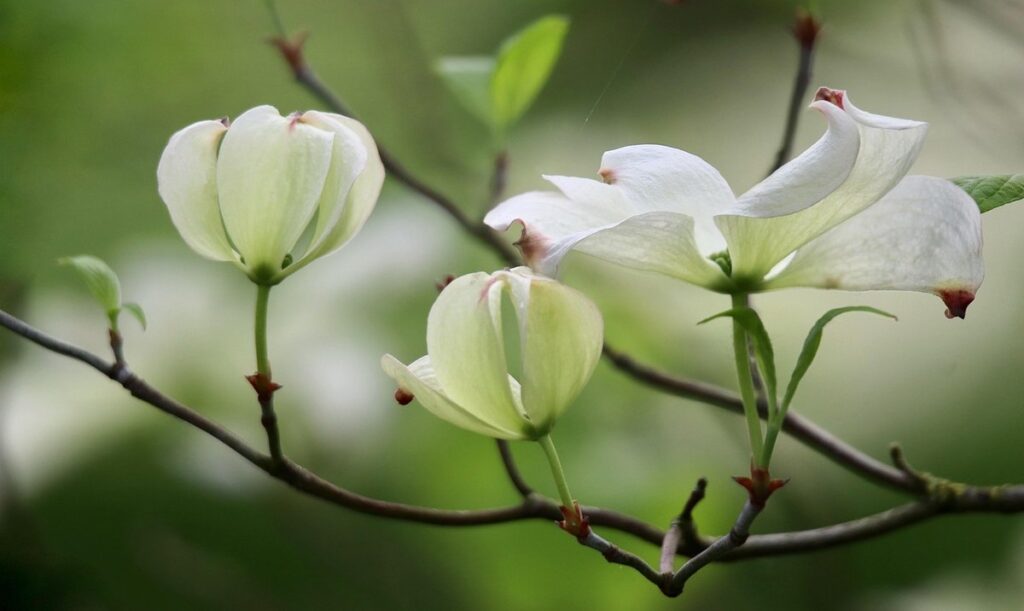
Cornus satomi dogwood is a stunning shrub native to East Asia, specifically Japan and Korea. Its botanical classification places it within the Cornaceae family, where it stands out for its unique characteristics. One of its defining features is its showy white or pink flowers that bloom in late spring, creating a dramatic display against a backdrop of dark green leaves.
Interestingly, Cornus satomi dogwood has a long history of use in traditional Asian medicine, valued for its anti-inflammatory properties and ability to soothe digestive issues. In the horticultural world, it’s prized for its versatility as a shrub or small tree that can thrive in a variety of conditions. Its dense foliage provides year-round interest, while its vibrant flowers create a stunning display during peak blooming season.
In terms of classification, Cornus satomi dogwood is often grouped alongside other Cornus species, including the popular flowering dogwoods native to North America and Europe. However, its East Asian origins and distinct characteristics set it apart from these cousins. For gardeners seeking to add diversity to their landscapes, Cornus satomi dogwood offers a unique opportunity to bring a touch of Far Eastern elegance to any setting.
Characteristics and Features
Cornus satomi dogwood is a stunning ornamental shrub that boasts an array of physical attributes that make it a standout choice for gardeners and landscapers. In terms of size, Cornus satomi dogwood can grow up to 15 feet tall and wide, making it an excellent option for hedges or screens.
Its growth habit is dense and compact, with a spread that’s almost as wide as its height. The leaves are typically 4-8 inches long and have a pointed tip, with a distinctive shape that’s often described as ovate or elliptical. A key feature of the Cornus satomi dogwood is its stunning fall color display, with deep red to purple hues that add a pop of color to the landscape.
In addition to its impressive size and fall color, the Cornus satomi dogwood also boasts showy white flowers in the spring, which are often followed by blue-black berries in late summer. These berries attract birds and other wildlife, making it an excellent choice for gardeners who want to support local biodiversity.
One of the most distinctive features of the Cornus satomi dogwood is its ability to thrive in a range of conditions, from full sun to partial shade and well-drained soil to moist soils. This versatility makes it an ideal option for gardeners who have challenging sites or need a low-maintenance solution.
Growing Cornus Satomi Dogwood: Tips and Requirements
To grow a thriving Cornus satomi dogwood, you’ll want to understand its specific needs, including soil conditions, watering requirements, and optimal pruning techniques. Let’s dive into these essential details together.
Climate and Soil Requirements
When it comes to growing Cornus satomi dogwood, understanding its climate and soil requirements is crucial for a healthy and thriving plant. This stunning shrub prefers well-drained acidic soils with a pH range of 5.5 to 6.5. If your soil tends towards the alkaline side, you can amend it with organic matter like peat moss or sulfur to bring it closer to the ideal range.
As for temperature, Cornus satomi dogwood is hardy in USDA zones 5-8, meaning it can tolerate temperatures as low as -20°F (-29°C) and as high as 80°F (27°C). In areas with cooler winters, be sure to provide protection from frost damage. During the growing season, ensure your plant receives at least 4 hours of direct sunlight a day.
When it comes to moisture, Cornus satomi dogwood prefers consistent moisture but can tolerate some drought once established. Water regularly during its first year after planting and reduce watering as the plant matures. Avoid overwatering, which can lead to root rot and other issues. By understanding these specific climate and soil requirements, you’ll be well on your way to cultivating a vibrant and healthy Cornus satomi dogwood in your garden.
Planting and Care Instructions
When planting your Cornus satomi dogwood, choose a location with well-draining soil and full sun to partial shade. Dig a hole twice as wide and just as deep as the root ball of your tree. Gently remove the tree from its container and place it in the hole, spreading its roots evenly. Backfill the hole with soil, tamping it down firmly around the roots.
After planting, water your Cornus satomi dogwood thoroughly to settle the soil. Keep the area around the tree consistently moist but not waterlogged during its first year of growth. Once established, this drought-tolerant tree requires minimal watering.
Regular pruning is essential for maintaining the shape and promoting healthy growth in your Cornus satomi dogwood. Prune it annually in late winter or early spring, removing any dead, diseased, or damaged branches. Fertilize your tree with a balanced, slow-release fertilizer in early spring to encourage vigorous growth.
Monitor your tree regularly for signs of pests like aphids, scale insects, and spider mites. Treat infestations promptly with insecticidal soap or neem oil to prevent damage to the tree’s leaves and flowers. By following these care instructions, you’ll be able to enjoy the beauty and benefits of your Cornus satomi dogwood for years to come.
Health Benefits and Uses of Cornus Satomi Dogwood
Cornus satomi dogwood boasts a range of impressive health benefits, from reducing inflammation to supporting cardiovascular health. Let’s explore these advantages in more detail.
Medicinal Properties and Applications
Cornus satomi dogwood has been used for centuries in traditional herbal medicine to treat various health conditions. In East Asian cultures, its bark and roots are believed to possess anti-inflammatory properties that can help alleviate symptoms of arthritis, gout, and other inflammatory diseases. The plant’s flavonoids and phenolic acids have also shown promise in reducing oxidative stress and improving cardiovascular health.
Research has confirmed the medicinal potential of Cornus satomi dogwood through studies on its anthocyanin content, which has been linked to anti-diabetic and anti-obesity effects. In a study published in the Journal of Medicinal Food, extract from the plant was found to inhibit alpha-glucosidase activity, an enzyme responsible for carbohydrate digestion, thus lowering blood sugar levels.
If you’re interested in harnessing the medicinal properties of Cornus satomi dogwood, consider consulting with a healthcare professional before using its extracts or supplements. They can help guide you on safe dosages and combinations that may be beneficial for your specific health concerns.
Cosmetic and Skincare Benefits
In recent years, the world of skincare and cosmetics has seen an explosion of interest in natural ingredients with proven health benefits. One such ingredient is Cornus satomi dogwood, a plant species that’s not only beautiful to look at but also packed with antioxidants and potential for skin care product development.
The antioxidant properties found in Cornus satomi dogwood make it an excellent addition to any skincare routine. These compounds help neutralize free radicals in the skin, which can cause premature aging, fine lines, and wrinkles. By incorporating dogwood extracts into your products or using them topically, you can expect a range of benefits, including improved skin elasticity, reduced inflammation, and enhanced collagen production.
One potential application of Cornus satomi dogwood is in the development of anti-aging skincare products. Its high antioxidant content makes it an ideal ingredient for serums, creams, and masks designed to combat signs of aging. As more researchers delve into its properties, we can expect to see a range of innovative products that harness the power of this natural wonder.
Some possible ways to incorporate Cornus satomi dogwood into your skincare routine include:
* Infusing it into carrier oils for use in massage or as a skin treatment
* Mixing it with other ingredients to create homemade face masks
* Using dogwood extracts as a base for serums or creams
Decorative and Aesthetic Applications of Cornus Satomi Dogwood
When it comes to adding a pop of color and texture to your garden, consider using Cornus satomi dogwood for decorative features like borders, hedges, and topiaries. Its vibrant red bark is particularly striking in winter landscapes.
Landscape Design Ideas
When it comes to incorporating Cornus satomi dogwood into your landscape design, the possibilities are endless. As a focal point or accent plant, this stunning shrub can add drama and visual interest to even the most mundane outdoor spaces.
Consider planting multiple Cornus satomi dogwoods in a row along a fence or hedge line to create a vibrant, dynamic backdrop for other plants and features. Alternatively, use them as standalone specimens in a garden bed or border, where their showy flowers and striking foliage can take center stage.
To really make the most of this versatile shrub’s aesthetic appeal, consider pairing Cornus satomi dogwoods with complementary plants that share similar growth habits and color palettes. For example, combine it with low-maintenance groundcovers like succulents or sedum to create a dynamic mix of textures and colors. By incorporating Cornus satomi dogwood into your landscape design, you can add a pop of color, movement, and energy to even the most static outdoor spaces.
In addition to its visual appeal, Cornus satomi dogwood also offers numerous benefits for wildlife habitats. Its berries attract birds and other small animals, while its foliage provides shelter and food for beneficial insects like bees and butterflies.
Arranging Cuttings and Branches
When it comes to arranging cuttings and branches of Cornus satomi dogwood for decorative purposes, creativity knows no bounds. For floral arrangements, try combining the delicate white or pink flowers with other spring-blooming shrubs like azalea or rhododendron for a stunning display. You can also use single stems in vases as a simple yet elegant centerpiece.
For interior design applications, consider using branches of Cornus satomi dogwood as a unique and eye-catching accent piece. They pair beautifully with natural elements like woven baskets, wooden furniture, and stone or brick accents. Simply arrange the branches in a decorative vase or container, and place them on a console table, sideboard, or shelf.
To add an extra touch of drama, try using Cornus satomi dogwood cuttings as part of a seasonal wreath or garland. Simply tie the stems together with twine or wire, and hang your creation in a doorway or on a wall. With its showy white or pink blooms and striking branch structure, Cornus satomi dogwood is sure to bring a touch of elegance and sophistication to any space.
Remember to choose fresh cuttings for the best results, and consider using a flower preservative to extend their vase life.
Troubleshooting Common Issues with Cornus Satomi Dogwood
If you’re experiencing issues with your Cornus satomi dogwood, don’t worry – we’ve got some common problems and their solutions right here to help you troubleshoot. Let’s dive into some potential fixes.
Pest and Disease Management
As a proud owner of a Cornus satomi dogwood, you’re likely to encounter some common pests and diseases that can threaten its beauty and health. Identifying these issues early on is crucial for effective management. One of the most prevalent pests affecting Cornus satomi dogwood is the spider mite. These tiny arachnids feed on the plant’s sap, causing yellowing or bronzing leaves. To prevent infestations, ensure your dogwood receives adequate watering and maintain a humidity level between 40-60%. Regularly inspect your tree for fine webbing on stems or undersides of leaves.
Diseases such as powdery mildew and root rot are also common issues affecting Cornus satomi dogwood. Powdery mildew causes white, powdery patches to form on leaves, while root rot leads to yellowing leaves and a soft, mushy texture in the roots. To prevent these diseases, ensure good air circulation around your tree and avoid overwatering. Fungal diseases thrive in moist environments, so take care not to waterlog the soil. Regularly inspect your dogwood for signs of disease, and consider using fungicides or bactericides as a last resort.
When managing pests and diseases, it’s essential to adopt an integrated approach that combines physical barriers, biological controls, and cultural practices. Use fine-mesh screens to prevent insects from reaching your tree, and introduce beneficial organisms like ladybugs or lacewings to control pest populations naturally. For fungal diseases, practice good sanitation, removing any infected plant material and disinfecting pruning tools regularly.
To manage infestations more effectively, create a comprehensive plan that involves monitoring your dogwood regularly for signs of pests or disease. Keep a record of any treatments you administer, including the type and amount used. Regularly review this information to assess the effectiveness of your management strategies. By staying vigilant and taking prompt action when issues arise, you can ensure your Cornus satomi dogwood remains healthy and thriving for years to come.
Some common symptoms of pests or diseases include:
• Yellowing leaves
• Fine webbing on stems or undersides of leaves
• White, powdery patches on leaves (powdery mildew)
• Soft, mushy texture in roots (root rot)
When inspecting your dogwood, pay attention to these signs and take prompt action if you notice any issues.
Environmental Concerns and Sustainability
As we delve into the world of Cornus satomi dogwood, it’s essential to acknowledge the environmental concerns associated with its cultivation and trade. The increasing demand for this ornamental tree has led to concerns about deforestation, habitat destruction, and carbon footprint.
To mitigate these effects, growers are adopting sustainable practices that prioritize eco-friendliness without compromising quality. One such approach is implementing organic farming methods, which exclude synthetic pesticides and fertilizers that harm the environment. For example, using natural pest control methods like introducing beneficial insects or practicing crop rotation can significantly reduce chemical use.
Consumers also play a vital role in promoting sustainability by choosing nurseries and growers that adhere to eco-friendly practices. Look for certifications like the Sustainable Forestry Initiative (SFI) or the Forest Stewardship Council (FSC), which ensure responsible forestry management. Additionally, consider purchasing locally grown trees, as this reduces transportation-related emissions and supports local economies.
By adopting sustainable practices in cultivation and choosing environmentally responsible suppliers, we can enjoy the beauty and benefits of Cornus satomi dogwood while minimizing its ecological impact. By making informed choices, together we can promote a more eco-friendly horticulture industry.
Conclusion: Unlocking the Potential of Cornus Satomi Dogwood
Now that you’ve learned how to grow and care for your Cornus satomi dogwood, let’s explore its potential uses in landscaping.
Recap of Key Points
As we conclude our comprehensive guide to Cornus satomi dogwood, let’s take a moment to recap the key points that will help you unlock its potential in your garden and skincare routine.
One of the most significant benefits of Cornus satomi dogwood is its versatility. This stunning shrub can thrive in a range of conditions, from full sun to partial shade, making it an ideal choice for gardeners with varying levels of sunlight exposure. Additionally, its tolerance for different soil types ensures that it can be planted in a variety of environments.
When it comes to skincare, Cornus satomi dogwood is a treasure trove of beneficial compounds. The plant’s berries are rich in antioxidants and anthocyanins, which have been shown to exhibit anti-inflammatory properties. Incorporating cornus satomi dogwood into your skincare routine can help soothe irritated skin, reduce the appearance of fine lines and wrinkles, and protect against environmental stressors.
Incorporating Cornus satomi dogwood into your garden design is easier than you think. To ensure optimal growth, remember to plant multiple shrubs together for a stunning display of flowers and foliage. Regular pruning will also help maintain shape and promote healthy new growth.
To reap the benefits of cornus satomi dogwood in your skincare routine, try incorporating its berries into face masks or scrubs. You can also make use of the plant’s leaves and bark to create toners and other topical treatments.
By remembering these key takeaways, you’ll be well on your way to unlocking the full potential of Cornus satomi dogwood. Whether you’re a seasoned gardener or just starting out, this incredible shrub is sure to become a favorite in your routine.
Frequently Asked Questions
What are the best ways to propagate Cornus satomi dogwood for landscaping projects?
To multiply your beautiful shrub, try air-layering or softwood cuttings in spring or summer. You can also use root suckers from mature plants, or graft them onto suitable rootstocks for a more controlled approach. Be sure to maintain humidity and provide warmth during propagation to encourage healthy growth.
Can I grow Cornus satomi dogwood indoors as a houseplant?
While possible, growing this shrub indoors requires careful attention to light and temperature requirements. Provide bright indirect light (at least 4-6 hours of direct sunlight) and maintain temperatures between 65°F to 75°F (18°C to 24°C). Monitor watering carefully, as indoor conditions may lead to overwatering.
How do I protect my Cornus satomi dogwood from frost damage during harsh winters?
To safeguard your shrub against extreme cold snaps, plant it in a location with some protection, such as a south-facing wall or near a building. Apply anti-desiccant sprays on the foliage before winter to prevent moisture loss. Consider mulching around the base and watering well before the ground freezes.
What are the medicinal properties of Cornus satomi dogwood, and how can I use them?
Cornus sativa has been traditionally used in herbal medicine for its antidiabetic and anti-inflammatory effects. The berries contain anthocyanins with antioxidant properties. You can make infusions from the leaves or roots to treat various ailments, but consult a healthcare professional before using it medicinally.
Can I grow Cornus satomi dogwood in containers?
Yes! This versatile shrub thrives in well-draining container mixes and tolerates some root restriction. Choose large pots (at least 14-18 inches deep) with good air circulation to prevent disease issues. Water carefully, as dry spells can be detrimental to potted plants.
How long does it take for Cornus satomi dogwood to mature?
Growth rates vary depending on factors like climate and soil quality. However, expect your shrub to reach maturity within 5-10 years after planting, with optimal growing conditions. Regular pruning will also help maintain shape and promote new growth.
What are some common pests or diseases affecting Cornus satomi dogwood?
Keep an eye out for aphids, spider mites, and powdery mildew on the leaves. To prevent infestations, inspect your plants regularly and use organic pest control methods whenever possible. Prune infected areas promptly to maintain plant health.
How do I integrate Cornus satomi dogwood into my existing garden design?
Consider using this shrub as a specimen or backdrop for other flowering plants in your landscape. Prune it annually to shape its branches, which will help maintain a balanced appearance and encourage healthy growth.