
Are you thinking of adding some royal flair to your backyard flock? The Coronation Sussex chicken is a stunning and unique breed that’s sure to impress. With their sleek black plumage, charming personalities, and fascinating history, it’s no wonder these birds are gaining popularity among chicken enthusiasts. But before you bring home your very own Coronation Sussex chickens, there’s so much more to learn about breeding, raising, and caring for them.
In this comprehensive guide, we’ll delve into the world of Coronation Sussex chickens, covering everything from their origins and characteristics to tips on creating a happy and healthy environment for your birds. From housing and nutrition to health and behavior, we’ve got you covered with expert advice and insider knowledge. Whether you’re a seasoned chicken keeper or just starting out, this article is the perfect resource to help you raise thriving Coronation Sussex chickens that will be the crowning glory of your flock!
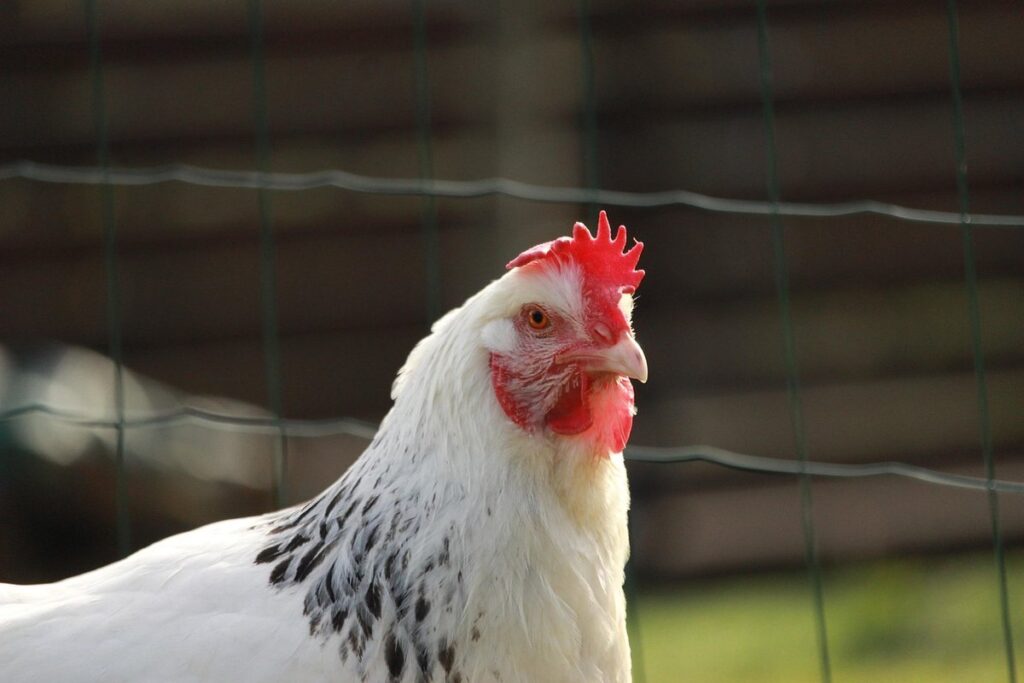
History of the Coronation Sussex Chicken
The Coronation Sussex chicken has a rich history dating back to 1900, originating from England’s South Downs region. This breed was developed specifically for its hardiness and egg-laying abilities.
Origins and Development
The Coronation Sussex chicken has its roots in England, where it was developed as a show-quality breed. In the early 20th century, poultry enthusiasts sought to create a bird that combined the hardiness of a dual-purpose breed with the beauty and charm of a true exhibition type. The result was a stunning bird with a rich plumage and unique characteristics.
One of the Coronation Sussex’s standout features is its impressive size – males typically weigh between 4-5 kg, while females tip the scales at around 3-4 kg. Its feathers are also notable for their softness and luster, making it a favorite among breeders and show enthusiasts alike. The breed was officially recognized by the Poultry Club of Great Britain in 1937 and has since become a popular choice among those looking to add a touch of elegance to their backyard flocks.
As a heritage breed, the Coronation Sussex is prized for its robust health and adaptability. Its ability to thrive in a variety of environments makes it an excellent choice for small-scale farmers and homesteaders looking to raise high-quality birds with minimal fuss.
Royal Connection
One of the most fascinating aspects of the Coronation Sussex Chicken’s history is its royal connection. As its name suggests, this breed was indeed named after a significant event in British history – Queen Elizabeth II’s coronation in 1953. The breed was developed specifically for exhibition at poultry shows around that time, and its creators sought to commemorate this momentous occasion.
The Coronation Sussex Chicken has a direct link to the monarch’s reign, making it an intriguing piece of poultry history. To put this into perspective, think about the significance of naming a heritage breed after a major event in British culture. This honor bestowed upon the breed highlights its importance and value as a distinct genetic strain.
If you’re interested in learning more about the Coronation Sussex Chicken or even considering adding one to your flock, understanding its royal connection is essential. By knowing where this breed came from and what inspired its creation, you’ll appreciate the rich history behind each bird.
Preservation Efforts
The preservation of the Coronation Sussex chicken as a heritage breed is a testament to the dedication and passion of poultry enthusiasts. In recent years, there has been a concerted effort by breeders and conservationists to save this unique breed from extinction.
One notable initiative is the Rare Breeds Survival Trust’s (RBST) involvement in breeding and promoting the Coronation Sussex chicken. The RBST works closely with breeders to maintain a robust population of the breed and provide them with resources, expertise, and support. This collaborative approach has helped increase the breed’s numbers, making it more viable for future generations.
Another way enthusiasts have contributed to preservation efforts is through selective breeding programs. Breeders are carefully selecting individuals that exhibit exceptional characteristics, such as plumage quality, temperament, and fertility. By doing so, they aim to maintain the breed’s integrity while also improving its overall health and diversity.
As you consider raising a Coronation Sussex chicken, remember the importance of supporting heritage breeds like this one. Your efforts can make a tangible difference in preserving the breed for years to come. If you’re interested in getting involved, reach out to organizations like the RBST or local poultry clubs to learn more about their breeding programs and how you can contribute.
Characteristics and Traits
The Coronation Sussex is a unique breed, known for its distinctive characteristics such as friendly disposition and energetic nature. This section will explore these traits further.
Appearance and Size
When it comes to appearance and size, the Coronation Sussex chicken is a stunning breed that stands out from the crowd. One of its most distinctive features is its compact size, with roosters reaching an average height of 16-18 inches (40-45 cm) and hens around 14-16 inches (35-40 cm). This makes them an ideal choice for backyard chicken keepers who have limited space.
Their plumage is another notable characteristic, with a beautiful mix of golden brown, red, and black hues that give them a rich, multi-tonal appearance. The beak shape is also relatively short and straight, which can make them more efficient at scratching and pecking for food.
The comb type of the Coronation Sussex chicken is also noteworthy – it’s medium-sized and single-horned, with a distinctive red color that adds to their visual appeal. Whether you’re looking to show your birds or simply want a charming addition to your flock, the Coronation Sussex’s unique appearance is sure to impress.
Temperament and Personality
When it comes to temperament and personality, the Coronation Sussex chicken truly shines. These birds are renowned for their friendly and docile nature, making them an excellent choice as pets or additions to a backyard flock. One of the most notable characteristics of the Coronation Sussex is their gentle disposition – they’re often described as laid-back and easy-going.
This calm demeanor means they can thrive in small backyards or even urban settings where space may be limited. They’re also known for being relatively quiet, which is a welcome bonus for those who live in close proximity to neighbors. In terms of interaction, Coronation Sussex chickens are happy to engage with their owners and can become quite tame with regular handling.
To bring out the best in your Coronation Sussex’s temperament, it’s essential to socialize them from an early age. This involves spending time with the birds daily, feeding them by hand, and even letting them roam freely around a securely fenced area. By doing so, you’ll not only develop a strong bond with your birds but also help them become confident and well-adjusted members of your flock.
When it comes to introducing new chickens to your Coronation Sussex flock, do so gradually to prevent any potential stress or conflict. This can be achieved by keeping the new additions in separate enclosures at first before integrating them into the main flock once they’ve had time to get familiar with each other’s scents and sounds.
Raising and Breeding
If you’re interested in raising Coronation Sussex chickens, understanding their specific breeding needs is crucial for successful hatching and growth. This section will guide you through their unique requirements.
Egg-Laying Ability
One of the most attractive qualities of the Coronation Sussex chicken is its impressive egg-laying ability. On average, a healthy Coronation Sussex hen will lay around 200-220 eggs per year, with some exceptional birds producing up to 250 eggs annually. This is quite remarkable considering their relatively small size and robust build.
Compared to other heritage breeds, the Coronation Sussex has a slightly lower egg output than some popular laying hens like Leghorns or Orpingtons. However, they make up for this with their exceptional hardiness, strong foraging abilities, and impressive adaptability. This means that even without the aid of artificial lighting, your Coronation Sussex girls will continue to lay eggs throughout the year, albeit at a slightly slower rate during winter months.
To get the most out of your Coronation Sussex’s egg-laying ability, it’s essential to provide them with a balanced diet rich in calcium and protein. A mix of high-quality grains, vegetables, and fruits will help support their reproductive health and encourage consistent laying throughout the year.
Health Considerations
As you embark on raising Coronation Sussex chickens, it’s essential to be aware of their unique health considerations. These birds are known for their robust constitution, but like all breeds, they’re not immune to certain health issues.
One common concern with the Coronation Sussex is obesity. Due to their love for foraging and tendency to overeat, these birds can easily become overweight if not managed properly. To prevent this, make sure your flock has access to plenty of exercise space and monitor their food intake closely.
Marek’s disease is another health issue that affects the Coronation Sussex breed. This viral disease can cause a range of symptoms, from respiratory problems to paralysis. To minimize the risk of Marek’s disease, ensure your birds are vaccinated according to schedule and maintain a clean, healthy coop environment.
Regular check-ups with a veterinarian experienced in poultry care will also help you identify any potential health issues early on. By being proactive about your flock’s health, you’ll be able to enjoy the many joys of raising these beautiful heritage chickens.
Housing and Nutrition
When it comes to raising Coronation Sussex chickens, providing a suitable environment for growth is crucial. This includes housing that meets their nutritional needs through efficient feed conversion.
Coop Requirements
When it comes to housing your Coronation Sussex chickens, providing a suitable coop is essential for their health and well-being. A good rule of thumb is to allocate at least 3-4 square feet per chicken inside the coop. For a small flock of four or five birds, this translates to a minimum coop size of around 12-20 square feet.
In terms of ventilation, it’s crucial to ensure that your coop has adequate airflow to prevent the buildup of ammonia from droppings. A simple way to achieve this is by installing windows or vents on opposite sides of the coop, allowing for cross-ventilation. You can also consider using a fan to circulate air and keep things cool.
Bedding material plays a significant role in maintaining cleanliness and hygiene within your coop. Opt for materials like straw or pine shavings, which are easy to clean and resistant to mold and mildew. Avoid using wood shavings, as they can be prone to splintering and may cause injuries to your birds.
Diet and Supplements
When it comes to providing optimal nutrition for your Coronation Sussex chickens, their dietary needs are crucial for their overall health and well-being. These heritage birds require a balanced diet that includes high-quality proteins, essential vitamins, and minerals. As a general rule of thumb, Coronation Sussex chickens should have access to free-range grazing or high-quality layer feed as their primary source of nutrition.
However, it’s not uncommon for breeders to supplement their flock’s diet with additional nutrients to ensure they’re getting everything they need. For example, crushed oyster shells can be added to the feed to provide calcium and support strong eggshell production. Additionally, you may want to consider adding probiotics or digestive enzymes to your chickens’ feed to support gut health.
In terms of specific dietary requirements, Coronation Sussex hens require around 16-18% protein in their diet, which is slightly higher than other breeds. They also need access to fresh water at all times and a balanced mineral supplement to prevent deficiencies. By providing your flock with the right combination of nutrients, you can help ensure they remain healthy, happy, and productive throughout their lives.
Health Issues and Common Problems
As you delve into breeding and raising Coronation Sussex chickens, it’s essential to be aware of the common health issues that may arise, such as Marek’s disease and feather pecking.
Respiratory Issues
As you work with Coronation Sussex chickens, it’s essential to be aware of their susceptibility to respiratory issues. These can range from mild conditions like bronchitis to more severe cases of pneumonia. Factors such as genetics, environmental conditions, and the presence of disease pathogens all play a role in the development of these problems.
Some common causes of respiratory issues in Coronation Sussex chickens include dust, ammonia fumes, and extreme temperatures. For instance, if you’re housing your flock near areas with heavy air traffic or construction, the increased particulate matter can exacerbate breathing difficulties.
Regular health checks are crucial to identifying potential respiratory problems early on. Monitor for signs such as labored breathing, coughing, and a decrease in appetite. Keep your coop well-ventilated and clean to reduce dust and ammonia levels. Furthermore, maintain good hygiene practices by regularly disinfecting surfaces and equipment to minimize the risk of disease transmission.
In severe cases, consult with a veterinarian for professional advice on treatment and prevention strategies. This may involve administering antibiotics or implementing changes to the flock’s living conditions.
Parasitic Infestations
As you work with your Coronation Sussex flock, it’s essential to be aware of the risks associated with parasitic infestations. These pesky critters can wreak havoc on the health and well-being of your birds, so prevention is key.
Internal parasites such as mites, lice, and fleas are common issues in chicken flocks. To prevent infestations, ensure your coop is clean and dry, with good ventilation to reduce moisture buildup. Regularly inspect your chickens for signs of infestation, including excessive scratching, lethargy, or changes in appetite. You can also take preventative measures by using diatomaceous earth in their run, which dehydrates the parasites.
If you do encounter a parasitic issue, treat it promptly with an appropriate medication. In some cases, a mite infestation may require multiple treatments over several weeks to ensure complete eradication. To maintain a healthy flock, schedule regular health checks and consult with your veterinarian if you notice any unusual symptoms or signs of illness.
Caring for Baby Chicks
When you bring home your adorable Coronation Sussex chicks, it’s essential to know how to provide them with proper care and attention from day one. Here are some tips on nurturing your babies until they’re healthy and happy chickens.
Brooding and Raising Chicks
When it comes to caring for baby Coronation Sussex chicks, one of the most crucial aspects is providing them with a safe and nurturing environment. This process is called brooding, and it’s essential to get it right from the start.
To begin, you’ll need to create a warm and draft-free space for your chicks to grow. A good temperature range for brooding is between 90-100°F (32-38°C), with a slight decrease in temperature as they grow older. You can use a heat lamp or a heat mat to maintain this temperature, making sure to place it safely out of reach from the chicks.
It’s also vital to keep the brooder clean and well-ventilated to prevent disease and stress on your chicks. Remove soiled bedding daily and disinfect the area with a pet-safe cleaning solution. Ensure that fresh water and food are always available, but be sure not to overfeed as this can lead to digestive issues.
In terms of raising them, it’s essential to remember that Coronation Sussex chickens grow at different rates. Some may be ready for outside housing in as little as 3-4 weeks, while others may take up to 6-8 weeks. Monitor your chicks’ growth and development closely, and make the transition to outside housing when they’re strong enough.
By following these simple steps, you’ll be well on your way to raising healthy, robust Coronation Sussex chickens that will thrive in their new outdoor home.
Vaccinations and Health Checks
When it comes to breeding and raising Coronation Sussex chickens, vaccinations and health checks are crucial for maintaining a healthy flock. As with all poultry, baby chicks require certain vaccinations and health checks to prevent diseases that can be detrimental to their growth and well-being.
The first vaccination is typically administered at one day old and protects against diseases such as Marek’s disease and Newcastle disease. However, it’s essential to note that Coronation Sussex chickens are generally hardy birds and may not require every vaccine on the market.
Regular health checks are also vital in maintaining a healthy flock. Check for signs of illness, such as labored breathing, runny eyes, or changes in appetite and droppings. Be sure to monitor their living conditions regularly, ensuring proper ventilation, cleanliness, and access to fresh water and food.
In addition, consider getting your chicks tested for internal parasites every 6-8 weeks. This can help prevent potential health issues from developing over time. With regular vaccinations and health checks, you’ll be well on your way to raising a healthy and thriving flock of Coronation Sussex chickens.
Conclusion
As you’ve completed this journey of learning about Coronation Sussex chickens, it’s essential to remember that breeding and raising these heritage birds requires dedication and patience. You’ve gained valuable knowledge on their unique characteristics, temperaments, and specific needs, which will help you make informed decisions in the future. Don’t be discouraged if things don’t go as planned initially – every experience is a learning opportunity. Take note of what works best for your flock and adjust your approach accordingly. By embracing these lessons and continuing to learn from each season, you’ll become a more confident and skilled breeder or owner of Coronation Sussex chickens. Ultimately, the satisfaction of raising this rare breed lies in their gentle nature and rich history – it’s a labor of love that will bring joy to both you and your community.
Frequently Asked Questions
Can I keep Coronation Sussex chickens as pets if I have limited space?
Yes, while Coronation Sussex chickens are a larger breed, they can thrive in smaller spaces with regular exercise and care. Consider a coop with at least 2-3 square feet per bird for living quarters and plenty of outdoor time to ensure their physical and mental health.
How often should I collect eggs from my Coronation Sussex hens?
Egg collection frequency depends on your flock’s needs, but as a general rule, collect eggs daily or every other day to prevent breakage and maintain a clean coop. Consider implementing an egg-tracking system to monitor production and identify any potential health issues.
What are the best ways to manage respiratory issues in Coronation Sussex chickens?
To minimize respiratory problems, ensure good ventilation in your coop, provide dust-free bedding materials, and offer plenty of fresh water. You can also implement regular health checks, maintain a clean environment, and consider probiotics or supplements that support respiratory health.
Can I raise baby chicks from day-old to hatching age without assistance?
While possible, raising baby chicks from day-old requires specialized care and equipment, such as heat lamps, brooders, and precise temperature control. Consider consulting with an experienced breeder or poultry expert for guidance on creating a healthy environment for your chicks.
Are Coronation Sussex chickens suitable for backyard flocks in warmer climates?
Yes, Coronation Sussex chickens are adaptable to various climates but may require special considerations in warm regions. Provide adequate shade, maintain proper ventilation, and ensure access to cool areas during heatwaves to keep your birds comfortable and healthy.