
Are you thinking of bringing some feathered friends into your home, but unsure where to start with Coturnix quail care? These tiny birds are not only delightful to watch, but they also make wonderful pets for those willing to provide the right environment. However, caring for Coturnix quails requires attention to detail and a solid understanding of their specific needs. That’s why we’ve put together this comprehensive guide to help you create an optimal habitat, feed them a balanced diet, and ensure their health and well-being. In this article, we’ll cover everything from the basics of housing and nutrition to more advanced topics like health care and breeding. Whether you’re an experienced bird breeder or just starting out, our expert advice will help you provide the best possible life for your Coturnix quails and enjoy many happy years together.
Understanding Coturnix Quails
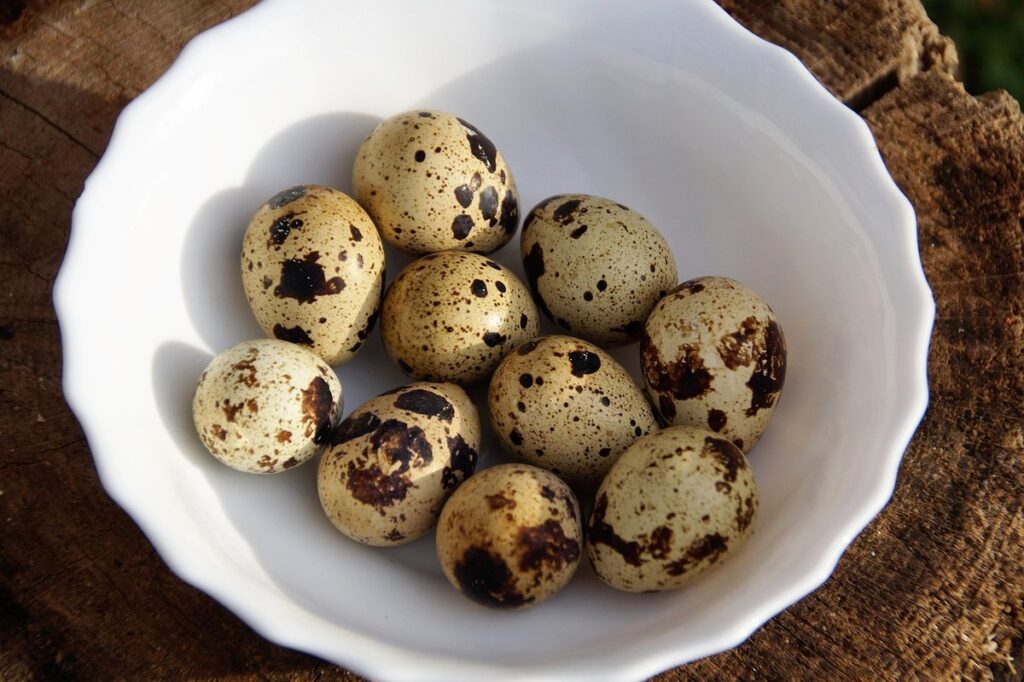
Let’s take a closer look at the fascinating world of coturnix quails, exploring their unique characteristics and needs to provide top-notch care for these little birds. This section will break down what makes them special.
Origin and History of Coturnix Quails
The origins of coturnix quails date back thousands of years to the Indian subcontinent and Southeast Asia. These small, ground-dwelling birds are believed to be descended from the jungle bush quail, Pternistis hildebrandti. Over time, they were selectively bred for their desirable traits such as size, egg-laying ability, and friendly temperament.
It’s thought that coturnix quails were first domesticated in ancient India around 2000 BCE. The earliest written records of quail breeding come from the Vedic period, where these birds were highly valued for their meat and eggs. As trade routes expanded, coturnix quails spread to other parts of Asia, including China and Japan.
In Europe, coturnix quails were introduced in the 16th century as a popular game bird. They quickly gained popularity among nobility and aristocracy, who prized them for their beauty and hunting prowess. Today, coturnix quails are raised worldwide for both meat and eggs, with many backyard enthusiasts keeping them as pets due to their friendly nature and relatively low maintenance care requirements.
Their adaptability and hardiness have made coturnix quails a staple in many cultures, from traditional Indian cuisine to modern-day backyards.
Temperament and Personality
When it comes to understanding coturnix quails, their temperament and personality are crucial aspects of their care. These birds are known for being friendly, social creatures that thrive on interaction. In fact, a single coturnix quail can become quite tame with regular handling and attention.
Coturnix quails are naturally curious, active birds that love to explore their surroundings. They’re also very vocal, using a range of sounds to communicate with each other. This makes them an excellent choice for those who enjoy listening to bird songs or want to keep pets that can engage in conversations.
In terms of social behavior, coturnix quails are generally compatible with other birds, especially when raised together from an early age. However, introducing new birds to a flock should be done gradually and under close supervision to avoid any conflicts. When it comes to compatibility with other pets, such as dogs or cats, it’s essential to exercise caution. Coturnix quails can be quite nervous around larger animals, so separate enclosures or controlled interactions are recommended.
To build trust and strengthen the bond between you and your coturnix quail, spend time observing their behavior, learn their vocal cues, and engage in gentle handling exercises. With patience, understanding, and proper care, these charming birds can become lifelong companions for many people.
Diet and Nutrition Basics
When it comes to keeping coturnix quails happy and healthy, their diet plays a crucial role. A well-balanced diet is essential for these small birds, as they require specific nutrients to maintain optimal health. The key is to provide a varied and nutritious diet that includes a mix of grains, fruits, vegetables, and protein sources.
A good starting point is to offer commercial quail feed as the main staple of their diet. However, it’s also essential to supplement with fresh foods to ensure they receive all the necessary nutrients. Leafy greens like kale, spinach, and collard greens are excellent choices, while fruits like berries, apples, and bananas provide essential vitamins and minerals.
On the other hand, there are certain foods you should avoid feeding your coturnix quails. These include high-sodium foods, such as processed meats and junk food, which can lead to health problems. Also, be cautious of giving them too many treats, like seeds and nuts, as they can cause an imbalance in their diet.
To keep things simple, aim to provide a balanced mix of 70-80% commercial feed, 10-20% fresh fruits and vegetables, and 1-5% protein sources like mealworms or crickets. By following this guideline, you’ll be well on your way to ensuring your coturnix quails receive the nutrients they need to thrive.
Housing Coturnix Quails
When it comes to housing your Coturnix quail, their environment plays a crucial role in their overall health and happiness. This section will guide you through creating a suitable and safe habitat for your feathered friends.
Cage Size and Type
When it comes to housing Coturnix quails, providing them with adequate space is crucial for their physical and mental well-being. The minimum cage size required for these birds is a topic of much debate among enthusiasts. However, as a general rule of thumb, a cage with an area of at least 24 inches wide by 36 inches long (approximately 6 square feet) is recommended.
But why so large? Well, Coturnix quails are active birds that require room to move around and exercise. They need space to stretch their wings, dust bathe, and engage in natural behaviors like foraging and pecking at the ground. A larger cage also allows you to add a variety of toys, perches, and climbing structures, which are essential for keeping your quails entertained and stimulated.
In terms of cage type, there are several options available. You can opt for a traditional wire cage with a solid bottom, a flighted aviary-style enclosure, or even a converted chicken coop. The key is to provide ample ventilation, easy cleaning access, and protection from predators. Whatever cage you choose, make sure it’s sturdy, well-maintained, and meets the needs of your Coturnix quails.
Bedding Materials and Hygiene
When it comes to providing a comfortable and healthy environment for your coturnix quails, the right bedding material is crucial. The choice of bedding can make a significant difference in their well-being, so let’s explore some popular options.
Wood shavings are a popular choice among backyard quail keepers due to their affordability and availability. However, they can be dusty, which may cause respiratory issues in sensitive birds. On the other hand, pine shavings are more expensive but produce less dust, making them a better option for those with sensitive birds.
Another consideration is newspaper or cardboard bedding, which can help reduce odors and moisture. However, these materials may not provide adequate absorbency and can be prone to mold growth if not changed regularly.
To maintain hygiene, it’s essential to change the bedding material completely every week. Remove any soiled or wet bedding, clean the cage thoroughly, and replace with fresh, dry bedding material. This will help prevent bacterial and fungal growth that can harm your quails.
Environmental Considerations
When it comes to housing Coturnix quails, environmental factors play a crucial role in their overall health and well-being. One of the most critical considerations is temperature control. Coturnix quails are sensitive to extreme temperatures, so it’s essential to maintain a consistent temperature range between 65°F (18°C) and 75°F (24°C). Avoid placing their enclosure near drafts or direct sunlight, which can cause them stress.
Humidity levels also require attention. Coturnix quails thrive in humid environments, typically between 50% and 60%. To achieve this, you can place a shallow water dish for them to bathe in, as well as misting the enclosure lightly with water daily. Be cautious not to over-mist, as this can lead to respiratory issues.
Light exposure is another vital aspect to consider. Coturnix quails need adequate light to produce vitamin D3 and maintain their circadian rhythms. Provide a UVB-emitting light source for 10-12 hours a day, while also ensuring they have periods of darkness to rest.
Health Care for Coturnix Quails
When it comes to keeping your coturnix quails healthy, their healthcare needs are a top priority. In this section, we’ll cover essential health care tips and best practices for these birds.
Common Health Issues
As a responsible Coturnix quail breeder or owner, it’s essential to be aware of common health issues that can affect these birds. Some of the most prevalent problems include respiratory infections, which are often caused by viral or bacterial pathogens that spread quickly through crowded environments. Watch for symptoms such as labored breathing, wheezing, and discharge from the eyes or nostrils.
Another significant issue is egg binding, where female quails struggle to lay eggs due to various factors like improper diet, inadequate nesting box size, or genetic predisposition. Be on the lookout for signs of egg binding, including lethargy, labored breathing, and straining while attempting to lay an egg. To prevent these issues, maintain a clean and well-ventilated coop, ensure access to fresh water and nutritious feed, and provide adequate nesting box space.
Regular health checks can help detect potential problems early on. Monitor your quails’ behavior, appearance, and droppings regularly, and seek veterinary advice if you notice any unusual signs or symptoms.
Vaccination and Disease Prevention
When it comes to the health of your coturnix quails, vaccinations and disease prevention are crucial aspects of their care. While coturnix quails are generally hardy birds, they can still be susceptible to certain diseases.
One common disease affecting coturnix quails is Newcastle Disease (ND). To prevent ND, many breeders vaccinate their birds against this deadly virus. However, it’s essential to follow specific vaccination protocols to ensure the vaccine doesn’t interfere with future breeding programs or egg production. Typically, vaccinations are administered at 1-2 weeks of age and boosted again around 4-6 weeks.
To maintain a disease-free environment, implement strict quarantine procedures when introducing new birds to your flock. This involves isolating the newcomer for a minimum of 30 days before integrating it with existing quails. Also, practice good biosecurity measures such as regular cleaning, disinfecting of equipment, and proper ventilation in enclosures.
Remember, prevention is always better than cure. Regularly monitor your quail’s health by inspecting their droppings, feathers, and behavior. Consult a veterinarian or experienced breeder for guidance on vaccination schedules and quarantine procedures tailored to your specific flock needs.
First Aid and Emergency Care
When it comes to caring for your Coturnix quails, being prepared for emergencies is just as important as providing regular vaccinations and check-ups. Basic first aid and emergency care techniques can make all the difference in saving a sick or injured bird’s life.
Firstly, it’s crucial to have a well-stocked first-aid kit specifically designed for birds. This should include essentials like antibiotic ointments, eye drops, and bandages tailored for avian patients. In case of injury, gently but firmly grasp the quail with one hand supporting its body while the other hand holds its wings in place.
If your Coturnix quail is experiencing respiratory distress or labored breathing, remove it from its coop immediately to prevent hypoxia. Provide a safe and humid environment for recovery by setting up a temporary enclosure with fresh air and misting with water vapor. Administering gentle misting can be done using a spray bottle specifically designed for birds.
Keep in mind that emergency care should only be performed under extreme circumstances, as it’s always best to consult with an avian veterinarian if you’re unsure about your quail’s condition.
Breeding Coturnix Quails
When it comes to breeding Coturnix quails, understanding their reproductive habits and requirements is crucial for success. Let’s dive into the specifics of raising a healthy and productive breeding flock.
Sexing and Identification
Sexing and identifying coturnix quails can be a challenging but crucial task for breeders. As chicks hatch, it’s essential to identify their sex accurately to ensure proper care and management. For chicks under 24 hours old, sexing is often done by candling, which involves shining a bright light through the eggshell to observe the chick’s gonads. Females will have a prominent gonad on one side, while males will have two small gonads or no visible gonads at all.
As chicks grow older, anatomical differences become more apparent. Males develop larger testes and a distinctive spur on their legs, which is absent in females. Females, on the other hand, will begin to display a slight swelling of the cloaca, a fleshy structure located between the vent and tail. Beak shape can also be an indicator of sex, with males often having a slightly longer and thicker beak than females.
When inspecting adult quails, pay close attention to their plumage, as males tend to have more vibrant and intense colors. Females may appear duller, but this is not always the case. It’s essential to remember that sexing can be tricky, especially for inexperienced breeders. To ensure accuracy, it’s recommended to consult with a seasoned breeder or veterinarian if you’re unsure about the sex of your coturnix quails.
Mating and Breeding Techniques
When it comes to breeding Coturnix quails, understanding mating and breeding techniques is crucial for success. A well-planned pairing strategy can increase fertility rates, reduce stress, and promote healthy growth.
The ideal age for starting a breeding program varies between 5-7 months, but some breeders prefer to wait until the birds are at least 8-10 months old. Regardless of their age, it’s essential to monitor body condition, health, and overall vitality before introducing them to your breeding program.
When selecting pairs, look for birds with excellent feather quality, robust growth rates, and optimal egg-laying capabilities. A balanced pairing strategy considers factors like genetics, temperament, and fertility potential. It’s recommended to pair a male with multiple females to maximize reproductive output.
Fertility considerations are equally important, particularly in males. A suitable fertility ratio is around 1:10 (one male per ten females), ensuring each male has enough time to mate with multiple females without exhaustion. Monitor pairing frequency and overall health, intervening when necessary to avoid over-breeding or stress-induced issues.
Incubation and Hatching
Incubating and hatching coturnix quail eggs requires careful planning, precise temperature control, and attentive monitoring. To begin, you’ll need a reliable incubator that can maintain the correct temperature (99-100°F) and humidity levels (50-60%) around the clock. A good-quality incubator will also have alarms to notify you of any deviations in temperature or power outages.
Before adding eggs to the incubator, make sure it’s been properly sanitized with a mild disinfectant to prevent bacterial contamination. Next, gently place 6-8 fertile eggs into the turner trays, leaving about an inch of space between each egg for air circulation. Monitor the eggs’ temperature and humidity levels closely during the first 24 hours after setting.
Once you’ve confirmed that all is well with your incubator, set a timer to remind yourself to rotate the eggs every 6-8 hours until day 10. During this period, keep an eye out for any signs of stress or distress in the eggs, such as sudden drops in temperature or unusual odors from the incubator.
By following these simple steps and keeping your incubator well-maintained, you’ll be well on your way to successfully hatching coturnix quail chicks.
Advanced Coturnix Quail Care Topics
As you become more comfortable with caring for your coturnix quail, it’s time to delve into advanced topics like breeding programs, health considerations, and specialized housing requirements.
Behavioral Enrichment
As you work towards creating a well-rounded and stimulating environment for your Coturnix quails, it’s essential to incorporate behavioral enrichment techniques. These activities promote cognitive stimulation and help reduce stress in your feathered friends.
Cognitive stimulation is critical for the overall health and well-being of Coturnix quails. Engage their natural instincts by providing variety in their surroundings, such as changing the layout of their enclosure or introducing new objects to explore. For example, you can place a small tunnel or a wooden bridge for them to navigate through.
To further stimulate their minds, consider providing interactive toys and puzzles. Fillable treat-dispensing toys are an excellent option, as they challenge your quails to figure out how to get the treats out. You can also hide treats or fruits around the enclosure to encourage foraging behavior. This not only stimulates their sense of smell but also exercises their problem-solving skills.
By incorporating these enrichment techniques into your daily routine, you’ll be providing a rich and engaging environment that promotes mental stimulation and reduces stress in your Coturnix quails.
Training and Handling
Training and handling Coturnix quails is an essential aspect of their care. Taming these birds requires patience, consistency, and positive reinforcement techniques. Start by choosing a quiet, stress-free area for training where your quail feels comfortable.
To begin with, get your quail accustomed to your presence. Allow them to become familiar with your scent, voice, and movements. Place treats near you, allowing the bird to associate your presence with food. Move closer gradually, observing body language cues, such as relaxed posture or calm behavior.
When handling Coturnix quails, always support their body and wings. Gently scoop them up, ensuring they feel secure and comfortable in your hands. Avoid picking them up by the legs, as this can cause discomfort and stress. Socialization is also crucial for taming; provide a variety of toys and perches to encourage exploration and interaction.
For more challenging birds, try offering treats from your hand while wearing gloves or a towel, allowing them to become accustomed to your touch without feeling threatened. With time and consistent handling, your Coturnix quail will learn to trust you and enjoy human interaction.
Long-Term Health Considerations
As your coturnix quails mature, they’ll inevitably face age-related health issues that can impact their quality of life and lifespan. One of the most significant concerns is kidney disease, which often affects older birds. As quails age, their kidneys gradually lose function, leading to a buildup of toxins in the bloodstream.
Genetic disorders are another potential concern for long-term coturnix quail care. Certain breeds or bloodlines may be more prone to specific health issues, such as feather pecking, egg binding, or reproductive problems. Regular monitoring and testing can help identify these genetic predispositions early on.
To mitigate age-related health concerns, ensure your quails receive a balanced diet rich in protein, vitamins, and minerals from an early age. A well-planned feeding schedule will also help prevent nutritional deficiencies that can exacerbate existing conditions.
Keep a close eye out for behavioral changes or physical symptoms indicative of kidney disease or other health issues. With prompt attention and veterinary care, you can extend your quails’ lifespan and maintain their overall health and happiness.
Frequently Asked Questions
What is the ideal ratio of quail to square footage for a healthy environment?
The general rule of thumb is to provide at least 2-3 square feet per quail, depending on their age and activity level. However, this can be adjusted based on your specific situation and the size of the enclosure.
How often should I clean the bedding in my Coturnix quails’ cage?
It’s essential to change the bedding completely every week or two, especially if you’re using a natural material like wood shavings or straw. This helps maintain hygiene and prevent the buildup of ammonia from their droppings.
Can Coturnix quails be kept with other birds or pets in the same enclosure?
While it’s possible to keep Coturnix quails with other small birds, it’s crucial to introduce them slowly and under close supervision. Some quail breeds can be aggressive towards other birds, so make sure you’re aware of any potential conflicts before introducing new birds.
What are some common signs of stress or illness in my Coturnix quails?
Keep an eye out for changes in appetite, behavior, droppings, or plumage condition. If you notice your quails exhibiting unusual behaviors like excessive feather pecking or lethargy, it’s best to consult a veterinarian specializing in avian care as soon as possible.
How do I know when my Coturnix quail is ready for breeding?
A healthy adult quail typically reaches maturity between 6-12 months of age. However, factors like nutrition, genetics, and overall health can influence their reproductive readiness. Monitor your quails’ growth, behavior, and physical characteristics to determine the best time for breeding.