
Are you tired of wondering about your chicks’ heritage, but unsure where to start? The beautiful colors and patterns of their down feathers can be a treasure trove of clues about their breed identity. But did you know that genetics and environment play a significant role in determining chicken down color?
As a backyard chicken keeper or enthusiast, accurately identifying the breed of your flock is crucial for making informed decisions about breeding programs, selecting for desirable traits, and even predicting future egg-laying abilities. In this article, we’ll delve into the world of chick down color and explore breed-specific clues that can help you unlock the secrets of your flock’s heritage. We’ll examine how genetics influence plumage patterns, body shape, and other characteristics that are unique to specific breeds. By the end of this guide, you’ll be equipped with the knowledge to confidently identify your chicks’ breeds based on their beautiful down feathers.
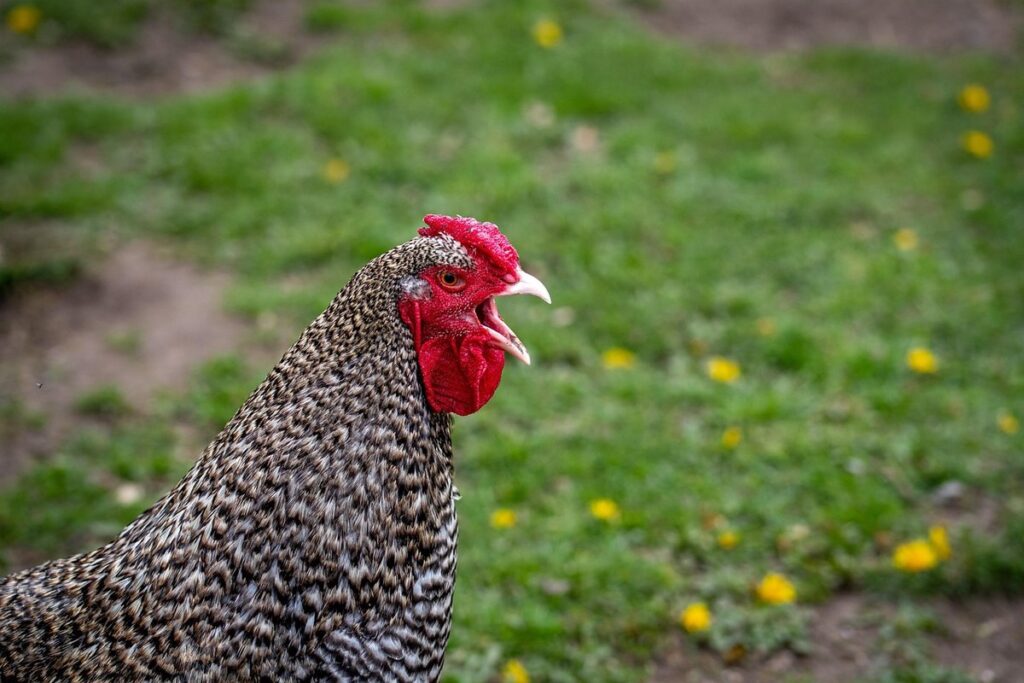
Factors Influencing Down Color
Let’s take a closer look at what factors actually influence down color, and how they can impact the way your chicks develop. Genetics plays a significant role in determining down color.
Genetics and Breeding
Genetics play a significant role in determining chicken down color, and understanding this concept can help you identify potential breed characteristics. Breed origins greatly influence feather traits, including down color. For example, Leghorns are known for their white or light-colored feathers, while Brahmas often have a range of colors, including black and blue.
Purebred chickens tend to exhibit more consistent feather traits than hybrid birds. This is because purebreds are bred specifically for certain characteristics, such as feather color or length. Hybrid chickens, on the other hand, are created by crossing two different breeds, resulting in a mix of genetic traits. While this can create interesting and unique combinations, it also means that their down color may not follow traditional breed patterns.
Heritability of feather traits is another factor to consider when looking at chicken down color. Certain breeds are more prone to inheriting specific traits from their parents, such as the Silkie’s fluffy plumage or the Cochin’s long feathers. Knowing which breed characteristics are likely to be passed on can help you make informed decisions about your flock’s genetics.
Environmental Effects on Feather Pigmentation
When it comes to understanding chicken down color, environmental factors play a significant role in determining the final appearance of their feathers. Sunlight, temperature, and nutrition are three key elements that impact feather pigmentation.
Sunlight exposure can cause melanin, the pigment responsible for feather color, to break down, leading to faded or washed-out colors. On the other hand, moderate sunlight is essential for maintaining healthy skin and feather growth. A balance between sun protection and exposure is crucial.
Temperature fluctuations also affect down color. Extreme heat or cold can stress chickens, causing them to lose their natural pigmentation. In contrast, a stable temperature range of around 70-80°F (21-27°C) promotes optimal feather development and maintenance.
Nutrition plays a vital role in determining the intensity and vibrancy of down colors. A well-balanced diet rich in essential vitamins and minerals, such as biotin, vitamin E, and omega-3 fatty acids, supports healthy feather growth and coloration. Feed manufacturers often fortify their products with these nutrients to promote optimal down color.
To encourage vibrant down colors in your flock, ensure they receive adequate sunlight (but not too much), maintain a stable temperature range, and provide a balanced diet rich in essential vitamins and minerals.
Down Color Variation Across Breeds
When it comes to down color variation across breeds, there are several distinct characteristics that set each breed apart. Let’s take a look at some notable examples.
Silkies, for instance, are known for their snow-white plumage. This is due to the absence of pigment-producing cells in their feathers. As a result, Silkies appear white from hatch, making them one of the most recognizable breeds by their down color alone. Another breed with striking down colors is the Polish Chicken. These birds can display variegated or crested patterns, depending on their specific lineage. Some Campines have a distinct silver sheen to their down feathers.
These variations are not only aesthetically pleasing but also serve as valuable clues for breed identification. For instance, if you’re trying to determine whether your chick is a Silkie or another white- feathered breed, its unique beak shape and comb size can help confirm its identity.
Some breeds may require closer inspection to distinguish between them due to their similar down colors. However, observing the chick’s overall appearance, including beak shape, eye color, and leg feathers, can often provide a definitive answer.
Clues for Identifying Chicken Breed
When it comes to identifying chicken breed, understanding the unique characteristics of their down color is a great starting point. Let’s explore some key clues that can help you narrow down your search.
Feather Characteristics
When examining the characteristics of chicken feathers, it’s essential to pay attention to the type and arrangement of feathers on different breeds. One of the most noticeable differences is the length and density of feathers.
Some breeds have long, flowing feathers that extend far beyond their bodies, while others have shorter, more compact feathers. For example, Silkie chickens are known for their fluffy, long feathers that cover their entire body, giving them a soft, downy appearance. On the other hand, Leghorn chickens have short, smooth feathers that lie flat against their skin.
Another key feature to observe is the presence of specialized feathers such as hackle, cape, and saddle feathers. Hackle feathers are long, thin feathers found on the neck and shoulders, often used for display purposes in courtship rituals. Cape feathers, found on some breeds like the Polish, hang down from the back of the neck, giving a distinctive appearance.
By paying attention to these distinguishing features, you can better understand the characteristics of different chicken breeds and narrow down your options when choosing the perfect breed for your flock.
Body Size, Type, and Build
When observing chicken breeds, it’s not just their down color that can give away their identity. Body shape, size, and overall build are also crucial clues to help you identify the breed. Take, for instance, the Orpington and Leghorn breeds. The Orpington has a compact, round body, while the Leghorn boasts a longer, more slender build.
As you start to observe your flock’s down color, pay attention to their overall physique as well. Are they chunky and stout or lean and long-legged? Different breeds have adapted to specific environments and purposes, resulting in distinct physical characteristics.
Consider the Brahma, with its large, muscular frame, built for meat production, compared to the Silkie, with its fluffy, rounded body and small size. The Marans, on the other hand, has a sturdy build and long tail feathers, indicative of its egg-laying prowess. By taking note of your chicken’s body shape, size, and overall build, you’ll be able to narrow down the possibilities when trying to identify their breed based on their down color. This multi-faceted approach will help you become more confident in your identification skills.
Comb and Wattle Characteristics
When examining a chicken’s comb and wattle, you’re not just looking at aesthetics – these facial features hold significant clues about its breed. Let’s dive into the characteristics that can help you identify different breeds.
First, consider the size of the comb and wattle. For example, some breeds like the Silkie have large, fluffy combs, while others like the Leghorn have smaller, less prominent ones. The shape of these features also varies greatly between breeds. Some combs are tight and rounded, while others are loose and feathery.
The color of the comb and wattle is another key identifier. While many chicken combs are red or orange, some breeds boast more vibrant colors like yellow or black. You might even come across a breed with a patterned comb, such as stripes or spots. Pay attention to these details when trying to identify a chicken’s breed.
Keep in mind that these characteristics often go hand-in-hand with other identifying features, such as beak shape and body type. When considering multiple clues together, you’ll get a more accurate picture of the bird’s ancestry.
Common Mistakes to Avoid When Guessing Chicken Breed
When trying to guess your chick’s breed based on down color, it’s easy to get misled by common mistakes that can throw you off track completely. Let’s explore some of these pitfalls together.
Relying on Size Alone
When guessing a chicken’s breed based on size alone, you’re likely to end up with a misidentification. Smaller breeds like the Silkie or Polish can have huge personalities that often belie their tiny frames, while larger breeds like the Brahma or Orpington can be gentle giants that wouldn’t hurt a fly.
For example, a small chicken like a bantam Leghorn may look more like a miniature version of its standard counterpart, but it’s actually a distinct breed. On the other hand, a large chicken like a Polish Orpington may appear intimidating at first glance, but it’s actually a friendly and docile bird.
To avoid this common mistake, don’t rely solely on size when trying to identify your chicken’s breed. Instead, pay attention to its overall appearance, plumage pattern, beak shape, and temperament. These characteristics can often give you a more accurate idea of the breed than size alone.
Ignoring Plumage Details
When guessing chicken breed based on down color and clues, it’s easy to overlook some crucial details. One of the most common mistakes is ignoring the plumage details – the feather patterns, colors, and textures that can give away a bird’s ancestry. Don’t make this mistake! A close look at these characteristics can be the difference between identifying a breed correctly or not.
For instance, have you ever seen a Silkie chicken? Their fluffy, soft feathers are unmistakable. But what if you saw a chicken with similar feather patterns, but they were sleeker and more compact? You might mistakenly identify it as a Polish or a Hamburg, when in fact it’s a rare breed like the Faverolles. Similarly, a bird with striking mottled brown and white feathers could be an Easter Egger or a Marans, depending on its earlobe and beak shape.
When examining a chicken’s plumage, look for distinctive patterns, such as V-shaped stripes, saddle markings, or flecks of color on the wings. Note the length, texture, and sheen of the feathers, too. A bird with iridescent feathers, like a peacock, is likely not what you think it is – perhaps it’s actually a Blue Cochin or an Ameraucana! By paying attention to these details, you’ll improve your chances of accurately identifying a chicken breed based on its down color and plumage characteristics.
Failure to Consider Temperament and Behavior
When guessing a chicken’s breed based on its down color, it’s easy to overlook the significant impact temperament and behavior can have on appearance. A stressed-out bird, for example, may exhibit dull or ruffled plumage, leading you to misinterpret its true breed characteristics.
Consider this: some breeds are naturally more active and inclined to foraging, which can cause wear and tear on their feathers. Conversely, calm and docile birds might display richer, shinier plumage due to lower stress levels. To avoid making an incorrect guess based on down color alone, look beyond the bird’s coat.
Pay attention to how it interacts with its environment: is it pacing back and forth or scratching at the ground? These behaviors can indicate a more energetic or hardy temperament that might influence plumage conditions. By taking these factors into account, you’ll have a more accurate understanding of your chicken’s breed characteristics, giving you a better chance at making an informed guess based on its down color clues.
Tools and Techniques for Identifying Chicken Breed
Now that we’ve explored how down color can help identify a breed, let’s dive into some practical tools and techniques to further narrow down your guesses. We’ll examine specific characteristics to look for when identifying chicken breeds.
Field Guides and Online Resources
When it comes to identifying chicken breeds based on down color clues, having access to reliable resources is essential. Fortunately, there are numerous field guides, online forums, and specialized poultry books that can provide valuable information.
Field guides, such as the American Poultry Association’s (APA) breed standards, offer detailed descriptions and photographs of various breeds. These comprehensive guides can help you narrow down possibilities based on specific characteristics observed in a chicken. For instance, if you notice a distinctive golden sheen to the feathers, consult a field guide that focuses on heritage breeds from Europe.
Online forums, like BackYard Chickens or Chicken Forum, also offer a wealth of information and photos shared by experienced breeders and owners. These platforms can be especially helpful in identifying rare or lesser-known breeds. By consulting these resources alongside your observations, you’ll become more confident in your ability to identify chicken breeds based on down color clues.
When selecting field guides or online resources, look for publications or websites that are well-established and respected within the poultry community. This will ensure accuracy and reliability in their descriptions and photos.
Consultation with Experienced Breeders or Veterinarians
When trying to identify a chicken breed based on its down color, it can be beneficial to consult with experienced breeders or veterinarians. These individuals have extensive knowledge of chicken genetics and breeding practices, making them valuable resources for providing expert opinions.
Experienced breeders often keep detailed records of their birds’ ancestry, which can provide crucial information about the genetic makeup of a particular breed. They may also have historical data on specific breeds and their characteristics, including down color patterns. A consultation with an experienced breeder could help you understand how a bird’s down color is inherited from its parents.
Veterinarians, meanwhile, often have hands-on experience examining birds from various breeds. They can provide detailed observations about a bird’s physical characteristics, including its down color, and offer insights into the breed’s potential health implications.
Conclusion
In conclusion, understanding chicken down color and breed clues is a valuable skill for any backyard chicken keeper or breeder. By learning to identify these characteristics, you can gain insight into your flock’s ancestry and make more informed decisions about breeding and selecting new birds. Remember that each breed has its unique characteristics, so it’s essential to research the specific traits of the breeds you’re interested in. Don’t be discouraged if you don’t see immediate results – developing this skill takes time and practice. Take notes on your flock’s down color and pattern, and consult with experienced breeders or experts for guidance. With patience and persistence, you’ll become proficient in recognizing these important clues.
Frequently Asked Questions
Can I use these breed clues to identify chicks that have mixed ancestry?
Yes, while the breed clues discussed can help you identify purebred chickens, they may not be as effective for mixed-breed or crossbreed chickens. In such cases, consider combining multiple characteristics and using online resources or consulting with experienced breeders to get a more accurate identification.
How do I know if my chicks’ down color is influenced by genetics or environmental factors?
Look for consistency in your flock’s plumage patterns and colors. If you notice that certain traits are consistently present across multiple generations, it may indicate a genetic influence. On the other hand, if changes occur due to external factors like diet or living conditions, it could be an environmental effect.
Are there any tools or resources available for accurately identifying chicken breeds based on down color?
Yes, field guides, online breed databases, and specialized apps can provide valuable information to help you identify your flock’s breed. These resources often feature detailed descriptions of breed-specific traits, including down color patterns. Consult with experienced breeders or veterinarians if you’re unsure about the accuracy of these tools.
Can I use size as a reliable indicator of chicken breed?
No, relying solely on size can lead to incorrect breed identification. Different breeds have varying growth rates and body sizes, making it essential to consider multiple characteristics, including plumage patterns, comb shape, and temperament. Use a combination of physical traits and environmental factors to make an informed decision.
How do I know if my chicks’ down color will change as they mature?
Some breeds exhibit dramatic changes in plumage color or pattern as they mature. Research the specific breed you suspect your chick belongs to and look for descriptions of adult plumage characteristics. Keep in mind that genetics play a significant role, so consistent patterns across multiple generations can indicate a more stable trait.