
Are you fascinated by the unique charm of Cream Legbars, those delightful birds known for laying the most striking cream-colored eggs? If so, you’re in good company! The Cream Legbar‘s genetics make them a standout among backyard chicken enthusiasts. Not only do their eggs boast an attractive hue, but these birds are also prolific layers, producing a respectable number of eggs per year.
In this article, we’ll delve into the fascinating world of Cream Legbars and their egg-laying abilities. You’ll learn how to raise these amazing birds for maximum production, as well as expert advice on integrating them into your existing flock. Whether you’re a seasoned chicken keeper or just starting out, you won’t want to miss this comprehensive guide to Cream Legbar egg color and breeding tips.
What are Cream Legbars?
If you’re new to these beautiful birds, let’s start with the basics: what exactly is a cream legbar and how do their characteristics influence their unique egg color.
Breed History and Origin
The Cream Legbar breed has its roots in England, where it was developed in the 1920s as a prolific egg-layer. The breed’s creation is attributed to Reginald Crundall Punnett, a geneticist at Cambridge University, who crossed the Araucana with other breeds to create a chicken that would lay blue eggs. This unique trait, combined with the bird’s ability to produce a high number of eggs per year, made it an attractive choice for commercial egg farmers.
As a result of this selective breeding program, the Cream Legbar was developed as a dual-purpose breed, capable not only of laying large quantities of eggs but also providing a source of meat. The breed’s early success in England led to its introduction to other parts of the world, where it has since become popular among backyard chicken keepers and small-scale farmers due to its hardiness and adaptability.
The Cream Legbar’s ability to lay blue-green eggs is just one aspect of its unique genetic makeup, which has been influenced by its ancestry. Understanding this history and development can help us appreciate the breed’s remarkable characteristics and how they contribute to its egg-laying abilities.
Physical Characteristics
When it comes to identifying Cream Legbars, their physical characteristics play a significant role. These birds are known for their striking appearance, which sets them apart from other breeds. One of the most distinctive features of the Cream Legbar is its plumage. The breed boasts a beautiful mix of cream, gold, and blue feathers, creating a stunning mosaic effect.
In terms of size, Cream Legbars are considered medium-sized chickens. On average, they weigh around 4-5 pounds (1.8-2.3 kg) and stand about 14 inches (35.6 cm) tall. Their body type is also notable, with a slender build and long legs that make them well-suited for active lifestyles.
A close look at the Cream Legbar’s plumage will reveal intricate patterns of gold and blue on their wings and tail feathers. The breed’s cream-colored base coat provides a subtle yet striking backdrop for these beautiful markings. Overall, the physical characteristics of the Cream Legbar make it an attractive addition to any backyard flock or chicken enthusiast collection.
Egg Color: The Unique Feature of Cream Legbars
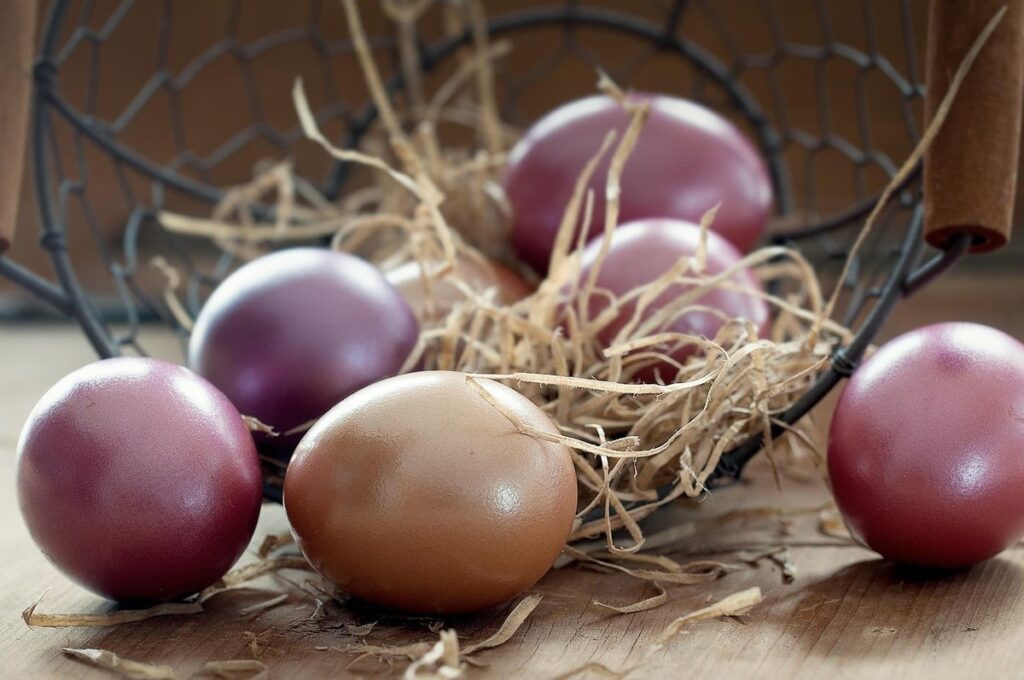
One of the most distinctive characteristics of cream legbar chickens is their egg color, which can vary from pale blue to green. In this section, we’ll explore the genetics behind these unique eggs.
Understanding the Genetics Behind Cream-Colored Eggs
The unique cream-colored eggs of Cream Legbars are a result of specific genetic mechanisms that control the pigmentation of eggshells. In birds, eggshell color is determined by two types of melanin: eumelanin and pheomelanin. Eumelanin produces black or dark brown pigment, while pheomelanin produces red or yellow pigment. Cream Legbars have a genetic mutation that reduces the production of eumelanin, resulting in a cream-colored eggshell.
This genetic mutation affects the activity of the enzyme responsible for converting tyrosine to melanin, the precursor molecule for both types of melanin. As a result, less eumelanin is produced, and the eggshell takes on a cream-colored hue. Additionally, the genetics that control the distribution of pigment in the eggshell also play a role in determining the intensity and uniformity of the cream color.
In practical terms, understanding the genetics behind cream-colored eggs can help breeders predict the likelihood of producing cream-colored eggs in their flock. By selecting for birds with this genetic mutation, breeders can increase the frequency of cream-colored eggs in their population.
Factors Affecting Egg Color
When it comes to Cream Legbar egg color, several factors can influence their appearance. One of the most significant factors is diet. The nutrients available in a chicken’s food play a crucial role in determining the intensity and hue of the eggs produced. For instance, hens that consume a diet rich in beta-carotene will produce eggs with deeper orange or yellow undertones.
Age also plays a role in egg coloration. As Cream Legbars mature, their egg yolks become richer in pigment, resulting in more vibrant and intense colors. However, this is not always the case, as some hens may begin laying eggs at an earlier age without any change in color intensity.
Another factor that can affect egg color is health. Chickens that are stressed or have underlying health issues may produce eggs with pale or washed-out colors. This is often due to the reduced availability of nutrients and energy for pigment production.
To maintain optimal egg color, it’s essential to provide your Cream Legbars with a balanced diet rich in fruits, vegetables, and high-quality grains. Ensure they have access to clean water and a stress-free environment to promote overall health and well-being. Regular check-ups with a veterinarian can also help identify any underlying issues that may be affecting egg color.
Characteristics of Cream Legbar Eggs
So, let’s dive into the characteristics that make Cream Legbar eggs stand out from the rest, and what you can expect when collecting them from your hens.
Egg Size and Shape
When it comes to the physical dimensions of Cream Legbar eggs, you can expect them to be relatively consistent. On average, a large Cream Legbar egg weighs around 58-62 grams and measures about 50-52 mm in length. The shape is typically smooth and oval with a slight taper towards the pointed end.
One notable feature of Cream Legbar eggs is their size variation. While they can range from small to extra-large, most will fall into the medium to large category. This means you’re less likely to get tiny or enormous eggs that might be unusual in other breeds.
Keep in mind that egg size and shape can also depend on factors such as nutrition, health, and genetics of the hen herself. Factors like diet, stress levels, and overall health can all impact the quality and consistency of your Cream Legbar eggs.
Shell Quality and Texture
When it comes to Cream Legbar eggs, one of their most distinctive characteristics is their shell quality and texture. These eggs have a reputation for having some of the hardest and most durable shells in the world of poultry-keeping. But what makes these shells so robust? And how does this impact the overall quality of your eggs?
The composition of a Cream Legbar eggshell is one of the key factors contributing to its exceptional durability. Unlike many other breeds, Cream Legbars have a high calcium content in their diet, which results in thicker, more resilient shells. This makes them less prone to cracking and breakage during handling or storage.
In addition to their thickness, the texture of Cream Legbar eggshells is also noteworthy. They tend to be smooth and even, with a subtle sheen that hints at the high quality of the shell. This combination of strength and appearance makes Cream Legbar eggs stand out from other breeds.
Tips for Raising Cream Legbars for Maximum Egg Production
To maximize your Cream Legbar’s egg production, it’s essential to understand their unique needs and provide optimal living conditions. Here are some tips to help you achieve a thriving flock.
Nutrition and Diet
When it comes to maximizing egg production from your Cream Legbar hens, proper nutrition is key. A well-balanced diet will ensure they are getting all the necessary nutrients for optimal health and fertility.
As a general rule, offer high-quality commercial layers feed that contains essential vitamins and minerals such as calcium, phosphorus, and vitamin D3. You can also supplement with oyster shells or crushed eggshells to provide extra calcium, which is crucial for strong, healthy eggshell production. Aim to provide 15-18% protein in their diet, as this will help maintain muscle mass and overall health.
Water quality is just as important as feed quality. Ensure that the water is fresh and free from contaminants. You can add a pinch of salt or apple cider vinegar to encourage hydration and improve eggshell quality.
Some natural supplements you can consider adding to their diet include probiotics, which will aid digestion and boost immune function. Vitamin E supplements can also be beneficial for improving fertility and overall health.
By providing your Cream Legbar hens with the right nutrition, you’ll see an improvement in egg production and overall health.
Health Considerations
As you strive to maximize egg production from your Cream Legbars, it’s essential to prioritize their overall health and well-being. Unfortunately, this breed is prone to certain health issues that can impact their fertility and productivity. Some common concerns include:
* Respiratory problems: Cream Legbars are susceptible to respiratory diseases such as bronchitis and pneumonia, especially in damp or polluted environments.
* Egg binding: This condition occurs when an egg becomes stuck inside the hen’s reproductive tract, often due to a large egg or poor nutrition.
To maintain your Cream Legbars’ health, establish a robust preventative care routine. Ensure they have access to clean water, balanced feed, and adequate space for exercise. Implement regular vaccination schedules to protect against common diseases.
Monitor your flock closely for signs of illness, such as lethargy, labored breathing, or changes in droppings. Act promptly if you notice any unusual behavior. Regular health checks can help identify potential problems early on, allowing for timely intervention and minimizing the risk of serious complications.
Integrating Cream Legbars into Your Flock
If you’re looking to add some diversity to your flock, integrating Cream Legbar chickens can be a great way to introduce new egg color varieties. Here’s what you need to consider when bringing them into your flock.
Choosing the Right Housing and Environment
When integrating Cream Legbars into your flock, it’s essential to provide them with suitable housing and environmental conditions that cater to their needs. These birds require ample space to roam, exercise, and engage in natural behaviors.
A good rule of thumb is to allocate at least 4-5 square feet of floor space per bird indoors, but ideally, you should aim for more if possible. This will allow your Cream Legbars to move around comfortably, stretch their wings, and perform activities like dust bathing and foraging.
Proper ventilation is also crucial in preventing respiratory issues and maintaining a healthy environment. Ensure that your coop has adequate airflow by installing windows or vents that provide cross-ventilation. This can be achieved by opening windows on opposite sides of the coop to allow fresh air to circulate and stale air to escape.
Nesting boxes should also be designed with the Cream Legbar’s specific needs in mind. A good nesting box should have a sloping roof, a comfortable perch, and adequate space for the bird to lay eggs without feeling cramped or crowded. Aim for at least one nesting box per 3-4 birds to prevent overcrowding and stress.
Introducing Cream Legbars to Your Existing Flock
When introducing Cream Legbar hens to an existing flock, it’s essential to do so gradually and with careful planning. This will help prevent any potential stress or aggression from the resident birds. Start by socializing your new additions to the flock before releasing them into their permanent enclosure.
Begin by placing the new birds in a separate area where they can see, smell, and hear the existing flock but remain physically separated. This allows them to become familiar with each other’s presence without any risk of conflict. You can also exchange nesting boxes or toys between the groups to further encourage bonding.
Once the introduction process is underway, it’s crucial to quarantine the new birds for a period of time (usually 2-3 weeks) before releasing them into the main flock. This helps prevent the spread of diseases and ensures the existing birds are not exposed to any potential health risks.
During this transition period, closely monitor the behavior of both groups, observing body language and overall demeanor. If you notice any signs of aggression or stress, intervene promptly by separating the birds and re-introducing them gradually under close supervision. With patience and proper planning, introducing Cream Legbar hens to your existing flock can be a seamless process.
Frequently Asked Questions
Can I hatch Cream Legbars from eggs or do they need to be purchased as chicks?
Yes, you can hatch Cream Legbar eggs, but it’s essential to choose reputable breeders who provide healthy, fertile eggs. Ensure the breeder provides detailed information about the parents’ genetics and egg-laying performance.
How many years will it take for my Cream Legbars to reach their full egg-laying potential?
Cream Legbars typically start laying eggs around 18-20 weeks of age. However, they won’t reach their peak production until around 1-2 years of age. Proper nutrition, care, and management during this period are crucial for optimal performance.
What’s the ideal environment for raising Cream Legbars, especially in terms of space and temperature?
Cream Legbars thrive in temperate climates with plenty of space to roam. Provide at least 4 square feet per bird inside the coop and ensure good ventilation. A covered run or enclosed area is necessary for protection from extreme temperatures.
How do I integrate Cream Legbars into my existing flock, considering their unique egg-laying abilities?
When introducing Cream Legbars to your existing flock, start by keeping them separate until they’re familiar with each other’s presence. Monitor their behavior and adjust the integration process as needed. Ensure your coop has enough space for all birds to roam freely.
Can I cross-breed my Cream Legbar with another breed to create a bird that lays blue eggs?
While it’s technically possible to cross-breed, the resulting offspring may not inherit the desired traits. The Cream Legbar’s genetics are complex, and introducing another breed may disrupt their unique characteristics. It’s best to stick with purebred Cream Legbars for optimal results.