
Quails are some of the most delightful birds to have in your backyard, with their tiny size and vibrant songs. However, they require a safe haven where they can roost without fear of predators or harsh weather conditions. That’s where quail roosts come in – crucial structures that provide a cozy space for these birds to nest and rest. Not only do quail roosts benefit the birds themselves, but they also play a significant role in attracting other wildlife species to your garden. In this article, we’ll delve into the importance of quail roosts in conservation and share practical tips on building the perfect structure for these charming creatures. Whether you’re an avid birdwatcher or just starting out with backyard wildlife, you’ll find valuable insights here on how to create a thriving haven for your feathered friends.
What are Quail Roosts?
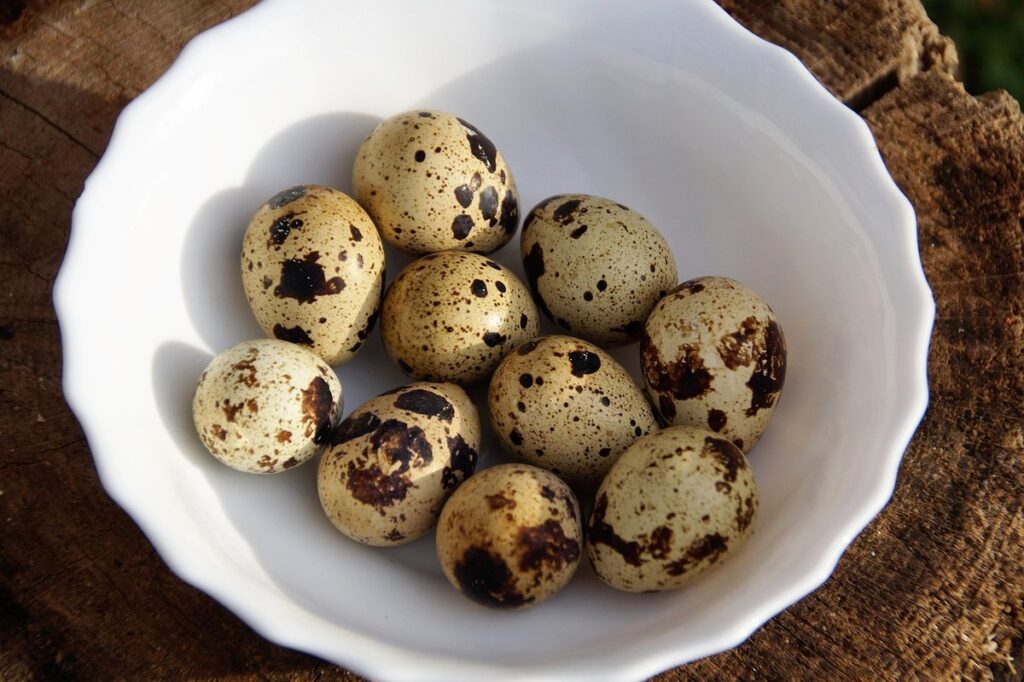
If you’re new to quails, let’s start with the basics: a quail roost is essentially a safe and cozy shelter where these birds can rest and feel secure. This is crucial for their well-being and survival.
Importance of Quail Roosts in Wildlife Conservation
Quail roosts play a vital role in the conservation of quail populations. One of the primary reasons is that they provide shelter for these birds. Quails often gather in large numbers at dawn and dusk to roost, escaping harsh weather conditions, predators, and human disturbance. These communal roosting sites offer protection from potential threats, allowing quails to conserve energy and breed successfully.
A well-designed quail roost can be a crucial breeding ground for these birds. By providing a safe and stable environment, it enables quails to establish territories and engage in courtship behaviors, leading to successful mating and chick rearing. For instance, studies have shown that quail populations with access to quality roosting sites tend to have higher reproductive rates and population densities compared to those without.
When creating a quail roost, consider incorporating natural features such as shrubs, trees, or rocks to provide shelter and perching sites for the birds. Avoid using human-made structures or materials that may harm the environment or scare away the quails.
Types of Quail Roosts Found in Nature
In nature, quail roosts can be found in various forms, each providing unique characteristics that cater to these birds’ specific needs. One of the most common types of quail roosts is rocky outcrops, where the rough texture and exposed surfaces allow for secure perching and protection from predators. For instance, a scrubby hillside with scattered boulders can serve as an ideal roosting site for quails, offering them a place to rest, hide, and socialize.
Tree cavities also make excellent quail roosts, providing a cozy and sheltered spot for these birds to nest and raise their young. Quails often choose tree holes with a diameter of about 10-15 inches (25-38 cm), as this size allows them to comfortably enter and exit while keeping predators at bay.
In addition to rocky outcrops and tree cavities, quail roosts can also be found in scrubby bushes and thickets. These areas offer a mix of protection, cover, and visibility that suits the quails’ needs. When looking for a natural quail roost, consider the local topography and vegetation; look for areas with sparse trees or rocky outcrops surrounded by dense undergrowth.
Creating a Quail Roost in Your Backyard
If you’re ready to welcome quails into your backyard, creating a roost is a great place to start – it’s easier than you think and can be tailored to your garden’s unique space. Let’s get started!
Choosing the Right Location for a Quail Roost
When choosing a location for a quail roost, it’s essential to consider the birds’ specific needs and preferences. Quails thrive in areas with partial shade, so avoid placing the roost directly in full sun or direct sunlight can be detrimental to their health.
Ideally, select a spot that receives gentle morning sunlight and dappled afternoon shade. This will help regulate the quail’s body temperature and create a comfortable environment for them to rest. Additionally, consider wind protection when selecting a location, as strong winds can make it difficult for quails to roost safely.
Proximity to food sources is also crucial. Quails are natural grazers, so place the roost near an area where they can easily access a mix of grasses, leaves, and other vegetation. A nearby water source is also essential, but ensure it’s not directly adjacent to the roost to prevent over-cleaning.
Consider the terrain as well – quails prefer areas with low vegetation, such as short grass or moss-covered rocks. By carefully evaluating these factors, you can create a welcoming environment for your quail roost and help your feathered friends thrive in their new home.
Building or Establishing a Quail Roost Structure
When it comes to building or establishing a quail roost structure, using natural materials is not only eco-friendly but also provides a more authentic experience for the quails. Consider using twigs, branches, and leaves to create a unique shape that mimics their natural habitat.
To build a quail roost, start by selecting a spot with good ventilation and protection from harsh weather conditions. The structure should be at least 2-3 feet tall and 1-2 feet wide, allowing the quails to comfortably perch on top or nest inside. Aim for a depth of about 6-8 inches, providing enough space for them to move around without feeling confined.
When creating the shape, consider a dome-like structure with an entrance that’s slightly raised from the ground. This design will help keep predators out while allowing the quails to easily enter and exit. Use natural materials to construct a base layer, followed by additional layers of twigs and branches, securing them together with twine or wire. As you build, keep in mind that quails are social birds and prefer to roost in groups, so consider adding multiple compartments or perches to accommodate their needs.
Benefits of Attracting Quail to Your Property
Attracting quail to your property can bring numerous rewards, from watching their fascinating behavior to enjoying the benefits of these charming birds as natural pest controllers and garden helpers.
Attracting Other Wildlife with Quail Roosts
When you create a quail roost on your property, it’s not just the quail that benefit from this haven. A well-designed roost can attract a variety of other wildlife species, making it a vibrant and dynamic ecosystem.
For instance, birds of prey such as hawks, owls, and falcons often hunt in areas where quail are present. By providing a safe place for quail to roost, you’re inadvertently creating a hunting ground for these birds of prey. This can be beneficial for the overall balance of nature on your property.
Similarly, reptiles like snakes and lizards may also be attracted to the area surrounding a quail roost. These creatures often prey on small mammals that are drawn to the roost in search of food. By creating a habitat that supports these species, you’re fostering a diverse and interconnected ecosystem.
To encourage other wildlife to visit your quail roost, consider adding native plants with berries or seeds, which can provide an additional source of food for visiting birds and small mammals.
Observational and Educational Value of Quail Roosts
Creating a quail roost in your backyard is not only an exciting project but also offers a unique opportunity for educational value. By building a safe haven for these delightful birds, you’ll be able to observe them up close, gaining insights into their behavior and social dynamics.
Quails are fascinating creatures, and witnessing them interact with each other can be an enlightening experience. You might notice the dominant male leading the flock, while younger birds learn important survival skills from more experienced ones. Observing quail behavior will also allow you to understand their habitat requirements and adapt your roost design accordingly.
To maximize educational value, consider setting up a bird-watching station near your roost, equipped with binoculars or a spotting scope for a closer look. Take note of the specific materials used in your roost’s construction and how they affect the quails’ comfort level and nesting habits. This hands-on experience will enable you to make informed decisions about maintaining a healthy environment for these captivating birds.
Challenges and Considerations When Creating a Quail Roost
When creating a quail roost, there are several challenges to consider, including choosing the right materials and ensuring adequate ventilation for your birds’ health. This can be particularly tricky for beginners.
Predator-Proofing Your Quail Roost
When creating a quail roost, it’s essential to consider predator-proofing measures to ensure the safety of your birds. One of the most significant threats to quails is snakes, which can easily slither into a poorly designed or constructed roost. To prevent this, install a snake guard around the entrance of the roost. This can be as simple as adding a 1-inch gap between the roof and walls, making it difficult for snakes to fit through.
Another threat is hawks and other birds of prey. To deter these predators, use materials like netting or chicken wire with openings no larger than 1 inch. You can also add a canopy or overhang above the roost entrance to provide additional protection. Consider using motion-sensitive lighting around the roost area at night, as many predators are active during this time.
Regular inspections of your roost and surrounding areas will help identify any potential entry points for predators. Stay vigilant and address any issues promptly to keep your quails safe.
Maintenance and Upkeep of a Quail Roost
Maintaining a quail roost is crucial to ensure the health and well-being of these delightful birds. Cleaning the roost regularly is essential to prevent the buildup of bacteria and odors. Remove soiled bedding, replace it with fresh material, and disinfect all surfaces with a quail-safe cleaning solution. Schedule regular deep cleans, ideally every 2-3 months, to tackle stubborn stains and grime.
Inspect your roost for any signs of wear and tear on a daily basis. Check for loose wires, damaged perches, or worn-out nesting boxes. Address these issues promptly to prevent accidents and ensure the quails’ safety. Consider setting aside a maintenance fund to budget for replacement materials as needed.
Quail-safe materials like pine shavings, sand, or shredded newspaper are great for bedding, but may need to be replaced every 1-2 weeks, depending on usage. Replace any damaged or worn-out materials promptly to maintain the roost’s integrity and prevent bacterial growth. Remember, a clean and well-maintained roost is key to happy and healthy quails!
Case Studies: Successful Quail Roost Projects
Take a look at real-world examples of successful quail roost projects, where careful planning and design have created thriving habitats for these amazing birds to call home.
Examples of Effective Quail Roost Designs
When it comes to creating a haven for quail, designing an effective roost is crucial. Let’s look at some real-life examples of successful quail roost designs that you can draw inspiration from.
The first example is the “Quail Haven” project, where a group of enthusiasts built a large-scale quail sanctuary with multiple roosts. The key feature of this design was its incorporation of natural elements, such as branches and leaves, to create cozy nooks for the quail. This approach not only provided shelter but also allowed the birds to forage and exercise freely.
Another successful example is the “Mini Quail Roost” project, where a small backyard roost was designed using reclaimed wood and netting. The benefits of this design were its space-saving aspect and ease of maintenance. However, one challenge faced during implementation was ensuring adequate ventilation to prevent heat buildup inside the roost.
These examples demonstrate that with creativity and attention to detail, even small spaces can become a haven for quail. By incorporating natural elements, prioritizing ventilation, and considering the birds’ needs, you too can create an effective quail roost design that provides a happy and healthy environment for these delightful birds.
Community Engagement and Quail Roost Conservation
Community engagement plays a vital role in conserving quail populations by creating and maintaining quail roosts. When communities come together to establish and protect these habitats, they not only provide a safe haven for the birds but also educate residents about the importance of conservation.
A successful example of community-led quail roost conservation can be seen in California’s San Diego County. The non-profit organization, Coastal Wildlife Habitat Restoration Project, worked with local landowners and government agencies to restore over 1,000 acres of coastal sage scrub habitat. This effort not only improved the quality of life for native wildlife but also provided residents with a unique opportunity to participate in conservation efforts.
To create a quail roost in your community, start by engaging local residents through outreach programs or workshops. Encourage landowners to convert their properties into quail-friendly habitats and establish a network of volunteers who can help maintain the roosts. This collaborative approach not only fosters a sense of ownership but also ensures long-term conservation success.
Conclusion: Creating a Haven for Quails in Your Own Backyard
Now that you’ve learned how to build a quail roost, it’s time to create a haven for these delightful birds in your own backyard oasis. With careful planning, you can make their home a joyous retreat.
Recap of Key Takeaways
As we conclude our exploration of quail roosts, it’s essential to recap the key takeaways from this article. By now, you should have a solid understanding of what quails need to thrive in their environment. A quail-friendly space is not just about providing shelter; it’s also about creating an ecosystem that promotes health, happiness, and safety for these delightful birds.
To create such a haven, remember the importance of location, habitat diversity, and protection from predators. Consider incorporating native plants, shrubs, and trees to provide food, shelter, and nesting sites for your quails. Don’t forget to include water sources, either still or flowing, as quails need access to clean drinking water at all times.
In addition, pay attention to the design of your roost. A simple platform or a more complex structure with perches can both work well, depending on your available space and resources. Finally, be mindful of local regulations and zoning restrictions before setting up your quail haven. By implementing these key elements, you’ll be well on your way to creating a welcoming environment for these charming birds to call their own.
Encouragement to Create Your Own Quail Roost
Now that you’ve gained a deeper understanding of quail roosts and their importance, it’s time to take action and create your own haven for these delightful birds. Not only will you be providing a safe space for them to thrive, but you’ll also experience the benefits firsthand.
Creating a quail roost in your backyard can bring numerous rewards for both humans and wildlife. For one, it’s an excellent opportunity to connect with nature and observe these fascinating birds up close. Imagine waking up each morning to the gentle chirping of quails outside your window or enjoying a peaceful afternoon watching them forage for food.
To get started, consider the space you have available in your yard. Choose a spot that receives partial shade and has some protection from harsh weather conditions. Next, gather materials such as branches, twigs, and leaves to create a cozy nesting site. Don’t be afraid to get creative and add personal touches to make it truly unique.
By creating your own quail roost, you’ll not only be supporting the local wildlife but also contributing to the preservation of these remarkable birds. So why wait? Gather your materials and start building today!
Frequently Asked Questions
How to maintain a quail roost during extreme weather conditions?
During intense heatwaves, ensure your quail roost has adequate ventilation to prevent overheating. Use materials like bamboo or reeds that allow for airflow and can withstand high temperatures. For colder climates, add insulation to the structure and consider using thermal mass materials like brick or stone.
Can I use existing structures as quail roosts, such as old birdhouses?
Yes, you can repurpose existing structures as quail roosts if they meet the birds’ needs. Look for features like enclosed spaces with small entrances, which are ideal for quails. Ensure the structure is secure and free from predators before introducing your quails.
How do I keep my quail roost clean to prevent diseases?
Regular maintenance of your quail roost is crucial in preventing disease outbreaks. Remove soiled bedding materials, disinfect surfaces with a non-toxic solution, and ensure good airflow within the structure. Also, monitor for signs of illness or stress among the birds.
What types of plants are beneficial for attracting quails to my backyard?
Quails prefer areas with dense vegetation that offer food sources like seeds, fruits, and insects. Incorporate native plant species that provide shelter and cover from predators, such as shrubs and grasses. Avoid using invasive species that may harm local ecosystems.
Can I use artificial nesting materials in my quail roost instead of natural ones?
While artificial nesting materials can be convenient, they often lack the insulation properties and breathability of natural materials like dry leaves or straw. These natural materials help regulate temperature and humidity levels within the roost, promoting a healthy environment for your quails.