
Creating a serene oasis in your own backyard is easier than you think. Imagine yourself surrounded by the gentle quacking of ducks, the soothing sight of lily pads floating on calm water, and the vibrant colors of blooming flowers. A well-designed duck pond can not only bring peace and tranquility to your garden but also attract a variety of wildlife, adding an extra layer of beauty and charm. However, building and maintaining a thriving duck pond requires careful consideration of the needs of both humans and ducks alike. In this article, we’ll walk you through the process of designing and caring for a peaceful duck pond in your garden, ensuring the well-being of your feathered friends while adding aesthetic value to your outdoor space.
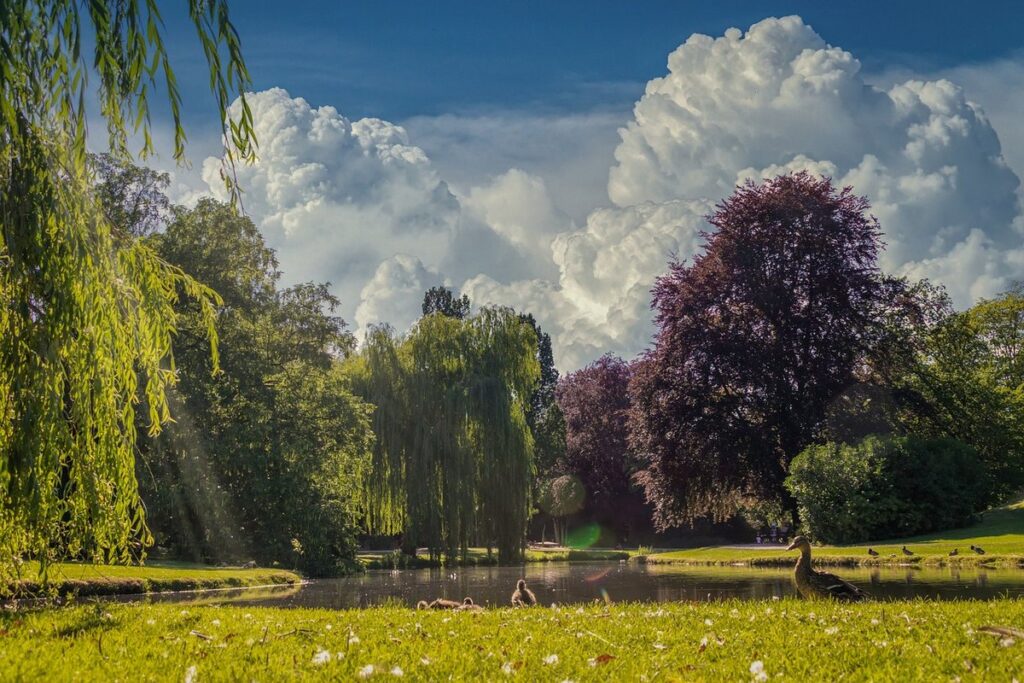
Benefits of a Duck Pond in Your Garden
Adding a duck pond to your garden can bring so much joy and tranquility, but what are some of the surprising benefits it can have on your outdoor space and your well-being too?
Attracting Wildlife to Your Garden
A duck pond in your garden can become a haven for various forms of wildlife, turning your outdoor space into an ecosystem that thrives with biodiversity. Birds are naturally attracted to water features, and a well-designed duck pond can draw in species such as herons, egrets, and even rare migratory birds like the kingfisher.
In addition to avian visitors, bees and butterflies also benefit from the presence of a duck pond. The surrounding garden should include bee-friendly plants, such as lavender or coneflowers, which will provide a rich source of nectar for these pollinators. To further enhance biodiversity, consider introducing aquatic plants like water lilies or cattails, which not only provide shelter but also help to purify the pond’s water.
Planting native species is crucial in creating an environment that supports local wildlife. This can be achieved by incorporating indigenous trees, shrubs, and flowers into your garden design. A diverse range of plant life will attract a wider variety of insects, birds, and even small mammals, ultimately fostering a thriving ecosystem around your duck pond.
Adding Aesthetic Value
A duck pond can become the crowning glory of your garden, providing a stunning focal point that adds visual interest and creates a sense of serenity. The beauty of a well-designed duck pond lies not only in its functional purpose but also in its aesthetic appeal.
To create a visually appealing duck pond, consider incorporating plants with different textures, colors, and shapes around the water’s edge. Water lilies, for example, can add a touch of elegance with their delicate white flowers floating on the surface. Alternatively, you could plant tall reeds or rushes to provide a natural screen while allowing sunlight to filter through.
To enhance the visual impact of your duck pond, think about adding a small wooden bridge or stepping stones that lead across it. This will not only create a sense of drama but also encourage visitors to pause and appreciate the serene atmosphere. Lighting can also be used to great effect, with solar-powered lights or candles creating a warm ambiance in the evening.
By incorporating these design elements, you can transform your duck pond into a breathtaking feature that becomes the heart of your garden’s tranquility.
Planning Your Duck Pond
When planning your duck pond, there are several factors to consider, including the size and shape of the pond, as well as its location within your garden. Let’s explore these essential considerations together.
Choosing the Right Location
When selecting a location for your duck pond, there are several factors to consider to ensure its longevity and health of your feathered friends. Firstly, sunlight is crucial for the well-being of your ducks. A spot that receives partial shade to full sun is ideal, as it allows for photosynthesis in aquatic plants and helps maintain water temperature.
Drainage is another essential consideration when choosing a location. You’ll want to ensure that the site doesn’t collect water during heavy rainfall or sit below a high water table. This can be achieved by selecting a spot with good slope or installing a French drain system. It’s also vital to consider proximity to a water source, as you’ll need easy access for maintenance and possibly refilling.
Lastly, think about accessibility for cleaning and maintaining the pond. A location that’s close to your garden shed or house will save you time and energy in the long run.
Designing Your Pond’s Shape and Size
When designing your pond’s shape and size, it’s essential to consider its intended purpose. If you’re looking to create a swimming area for your ducks, a larger, more elliptical shape will allow them to swim comfortably without feeling confined. On the other hand, if you want to focus on feeding and socializing with your ducks, a smaller, kidney-shaped pond may be more suitable.
Consider the available space in your garden as well. A rectangular or square pond is ideal for small gardens, while a larger, circular pond can make the most of spacious areas. Keep in mind that the size and shape of your pond will also impact its ecosystem. For example, a smaller pond with a higher water volume ratio to surface area may require more frequent cleaning.
A good rule of thumb is to start with a minimum depth of 3-4 feet for your pond, ensuring it’s safe and accessible for your ducks. Remember to leave enough space around the pond for plants, walking paths, and potential future upgrades or accessories. Measure carefully and use graph paper or online design tools to visualize and refine your pond’s shape and size before breaking ground.
Building Your Duck Pond
Now that you’ve chosen a perfect spot for your duck pond, it’s time to build one! This section will guide you through selecting the right materials and designing your pond’s infrastructure.
Excavation and Shaping the Pond
Excavating and shaping your pond is an exciting step in creating your serene duck pond. This process requires careful planning and execution to ensure that your pond is not only visually appealing but also safe for your ducks.
If you’re feeling ambitious, you can use a backhoe to excavate the pond. However, this method may require professional assistance and specialized equipment. Alternatively, you can opt for manual excavation methods such as using shovels, picks, and rakes to dig out the pond. This approach is more cost-effective but requires physical labor and time.
When shaping your pond, consider the size, depth, and shape that will suit your garden’s layout and provide a comfortable habitat for your ducks. A general rule of thumb is to create a pond that’s at least 4-6 feet deep in one area to allow for easy swimming and diving. You can also include shallow areas for lounging and feeding.
Remember to check local regulations regarding water depth, size, and proximity to neighboring properties before commencing excavation work. It’s also essential to ensure the pond’s stability and prevent any potential hazards such as slipping or collapsing walls.
Installing a Pump and Filtration System
Installing a pump and filtration system is crucial to maintaining clean water and preventing mosquito breeding in your duck pond. A well-designed pump and filtration system will ensure that your water stays fresh, clear, and healthy for your ducks.
When selecting a pump, consider the size of your pond and the flow rate required to keep the water circulating. Aim for a pump with a minimum flow rate of 1-2% of the pond’s surface area. For example, if you have a 10×20 foot pond, look for a pump that can deliver at least 200 gallons per hour.
A good filtration system should include a mechanical filter to remove debris and a biological filter to break down waste. You can choose from various types of filters, such as cartridge filters or sand filters, depending on your specific needs. Consider installing a UV sterilizer to kill bacteria and algae that can harm your ducks.
Regular maintenance is essential to keep your pump and filtration system running efficiently. Check the water level regularly, clean the filter media, and replace worn-out parts as needed. This will ensure that your pond remains a healthy and peaceful haven for your feathered friends.
Maintenance and Care
To ensure your duck pond remains a tranquil oasis, proper maintenance is crucial. Regular checks on water quality and equipment will keep your birds healthy and happy in their new home.
Regular Water Testing and Treatment
Maintaining optimal water quality is crucial for the health and well-being of your duck pond inhabitants. Regular water testing and treatment are essential to prevent water-borne diseases and ensure a balanced ecosystem.
You should test your pond’s pH levels at least once a month, as extreme fluctuations can be detrimental to your ducks’ health. Aim for a pH range between 6.5 and 8.5. Nitrite and ammonia levels also need regular monitoring, as high concentrations can lead to gill damage or even death in ducks.
To keep your pond’s water quality in check, perform the following routine: test the pH, nitrite, and ammonia levels once a week; adjust the levels if necessary by adding alkaline or acidic substances according to manufacturer instructions. Regularly change 10-20% of the pond’s water to maintain optimal oxygen levels.
You can purchase at-home testing kits that include strips for pH and nitrite/ammonia detection. These kits are relatively inexpensive and provide immediate results.
Managing Duck Waste and Keeping Your Pond Clean
When it comes to maintaining a serene duck pond in your garden, managing duck waste and keeping the pond clean is an essential aspect. Ducks produce about 10% of their body weight in droppings every day, which can quickly accumulate and pollute the water. To keep your pond clean and healthy for your ducks, you’ll need to implement a regular cleaning schedule.
Start by removing any visible droppings from the pond floor and surrounding areas daily. Use a gentle scrub brush or a soft-bristled broom to remove any dried-on waste without damaging the pond’s lining. Next, add a natural cleaner like Epsom salt or barley straw to help break down organic matter and reduce odors.
It’s also crucial to regularly clean the water itself by changing up to 50% of it every week. You can use a net to remove any debris that might be floating on the surface before adding fresh water. Additionally, consider installing a filter system to prevent waste from accumulating in the pond.
By following these tips and maintaining a consistent cleaning schedule, you’ll keep your duck pond clean, healthy, and safe for both your ducks and the surrounding environment. Remember to always wear gloves when handling duck droppings to avoid any health risks.
Adding Ducks to Your Pond
Now that you’ve chosen the perfect spot for your pond, it’s time to introduce some feathered friends into the mix by adding ducks to the water. This section covers everything you need to know about duck care and integration.
Choosing the Right Breed of Duck for Your Garden
When it comes to adding ducks to your pond, one of the most critical decisions is choosing the right breed. With over 100 different breeds to choose from, selecting a duck that thrives in your garden’s climate and available space can be overwhelming.
Consider the climate first: if you live in an area with harsh winters or extremely hot summers, look for breeds that are tolerant of temperature fluctuations. Khaki Campbells and Indian Runners are excellent choices for colder climates, while Muscovy ducks excel in warmer temperatures.
Next, think about your garden’s space constraints. Some breeds, like Call Ducks and Wood Ducks, require minimal space and can thrive in smaller ponds. Others, like Pekin and Embden, need more room to roam.
Another essential factor is the breed’s noise level: if you live near a residential area or prefer a peaceful environment, choose a quiet breed like White Chinese or Silver Appleyard. Remember to research each breed thoroughly and consider factors like egg production, feather maintenance, and feeding habits to ensure your new feathered friends bring joy and serenity to your garden.
Introduction and Acclimation
When introducing new ducks to your pond, it’s essential to do so safely and humanely. A sudden change can be stressful for them, leading to anxiety, illness, or even death. To avoid this, it’s crucial to acclimate them gradually to their new surroundings.
Start by letting the ducks get accustomed to the sight and smell of the pond from a safe distance. This can be done by placing them in a transport crate near the water’s edge for several hours a day. Next, provide access to the pond through a shallow area or ramp to allow them to enter and exit at their own pace.
Monitor your ducks closely during this transition period, observing any signs of stress or discomfort. Make adjustments as needed to ensure they feel comfortable and secure in their new environment. For instance, if you notice aggressive behavior among the birds, it may be wise to separate them temporarily until tensions dissipate.
By following these steps, you can help your ducks settle into their new home with minimal disruption. Remember that patience is key during this process – rushing things can have serious consequences for both you and your feathered friends.
Safety Precautions
Before starting your duck pond project, it’s essential to take some crucial steps to ensure both you and your feathered friends stay safe. This includes understanding potential hazards and taking preventive measures.
Preventing Accidents Around the Pond
When creating a serene duck pond in your garden, it’s essential to prioritize safety precautions to prevent accidents and ensure a enjoyable experience for you and your family. One of the primary concerns around a duck pond is slipping on wet surfaces. The water’s edge can become particularly slippery when algae or lilies grow, making it a hazardous area.
To mitigate this risk, consider installing non-slip paving or stepping stones leading to the pond. These can help provide traction and prevent accidents. Additionally, ensure that any walkways or paths surrounding the pond are well-maintained and free from debris.
Feeding aggressive birds is another hazard to be aware of. Some bird species may become aggressive when they associate humans with food. To avoid this, feed your ducks in a designated area away from other birds. Use duck pellets or specialized feed that’s formulated for waterfowl, as these are safer and more nutritious than bread.
Remember to always supervise children around the pond, especially when feeding or interacting with the ducks.
Protecting Your Ducks from Predators
Protecting your ducks from predators is a crucial aspect of maintaining a safe and healthy environment for them. Foxes, coyotes, and hawks are common threats to duck ponds, and it’s essential to take measures to prevent attacks. One effective way to deter predators is by using fencing around the pond area. Burying the fence 12 inches underground will help prevent burrowing animals like foxes from getting in.
Another crucial step is to ensure the pond’s surroundings are free from debris and hiding spots for potential predators. Keep a clean and tidy area, removing any branches or leaves that could provide shelter. Installing motion-activated lights around the perimeter of the pond can also deter nocturnal predators like coyotes.
It’s also vital to monitor your ducks’ behavior closely, especially during peak predator hours (usually early morning and evening). Be aware of any unusual changes in their activity patterns or signs of stress. By taking these precautions and staying vigilant, you can create a secure environment for your feathered friends to thrive in. Regularly inspecting the pond’s surroundings and reporting any potential threats to local wildlife control services will help maintain a serene duck pond ecosystem.
Final Tips and Considerations
Before you finish planning, take a moment to review these crucial final considerations to ensure your serene duck pond is both beautiful and functional for years to come.
Budgeting for Maintenance and Upkeep
As you’ve finally completed creating a serene duck pond in your garden, it’s essential to consider the ongoing expenses associated with its maintenance and upkeep. A well-maintained duck pond not only enhances the beauty of your garden but also ensures the health and happiness of your feathered friends.
The estimated annual cost for maintaining a duck pond can range from $500 to $2,000 or more, depending on factors like pond size, water quality, and the number of ducks. Here are some key expenses to factor into your budget:
* Food: Plan to spend around $300 to $600 per year on high-quality duck feed, which may include a mix of grains, vegetables, and supplements.
* Supplies: Budget for regular purchases of replacement pond liners, water treatment chemicals, and maintenance equipment like nets and skimmers.
* Labor: If you opt for professional help with tasks like cleaning, netting, or repairing the pond, factor in an additional $500 to $1,000 per year.
Long-Term Planning and Adaptation
As you create your serene duck pond, it’s essential to consider its long-term needs. This includes planning for potential changes in climate and wildlife populations that may impact the health of your ducks and the overall ecosystem.
One crucial aspect to plan for is drought tolerance. Droughts can be unpredictable and devastating to aquatic ecosystems. To mitigate this risk, incorporate plants that are native to your region and require minimal watering into your pond’s design. These plants will help maintain oxygen levels and provide shade for your ducks during hot periods.
Another consideration is adapting to changes in wildlife populations. As local ecosystems shift due to climate change or other factors, the types of birds and insects that visit your pond may also change. To adapt to these shifts, incorporate a diverse range of aquatic plants and features, such as stepping stones or a mud area, which can provide habitat for various species.
Regularly monitor your pond’s water quality and make adjustments as needed. This will help ensure the health and well-being of your ducks and other wildlife that visit your pond.
Frequently Asked Questions
Can I have a duck pond in a small garden?
Yes, it’s possible to create a functional and visually appealing duck pond even in a smaller garden. Consider compact or miniature duck breeds that require less space, and prioritize efficient water management systems to minimize the pond’s footprint.
How do I ensure my pond is safe for ducks during extreme weather conditions?
During hot summer months, ensure your pond has adequate shade and aeration to prevent overheating. For cold winter weeks, insulate pipes and consider installing a floating fountain or aerator to keep water circulating and prevent ice formation. Regularly check the pond’s depth and slope to prevent flooding.
What are some common mistakes to avoid when designing my duck pond?
Avoid shallow areas that can lead to overcrowding and stress on ducks, as well as areas with steep slopes that can be hazardous for waddling birds. Also, don’t underestimate the importance of proper water filtration and circulation systems to maintain clean water and prevent algae growth.
Can I raise multiple breeds of ducks together in my pond?
Yes, but it’s essential to choose breeds that are compatible and have similar space and climate requirements. Research breed characteristics, such as aggression levels and social behaviors, before introducing new birds to your existing flock. Ensure adequate space for each bird (about 2-3 square feet per duck) and maintain a balanced ecosystem.
How often should I test the water quality in my pond?
Regularly test the water pH, ammonia, and nitrite levels at least once a week during peak duck population months or after adding new birds to your flock. This will help you detect potential issues before they become severe and ensure your ducks’ health and well-being.