
If you’re an avid birdwatcher or simply fascinated by the natural world, you’ve probably heard of cuckoo chickens – but do you know much about these enigmatic birds? From their intriguing evolutionary adaptations to their precarious conservation status, there’s a lot to learn about cuckoo chickens. These fascinating creatures have evolved unique biology and behavior that sets them apart from other chicken species, making them an interesting subject for study and exploration.
As we delve into the world of cuckoo chickens, you’ll discover not only their remarkable characteristics but also their cultural significance across different parts of the globe. Whether you’re looking to expand your knowledge or simply want to learn about a lesser-known aspect of our feathered friends, this article aims to provide an informative and engaging overview of these captivating birds, covering their evolutionary background, behavior, conservation status, and more.
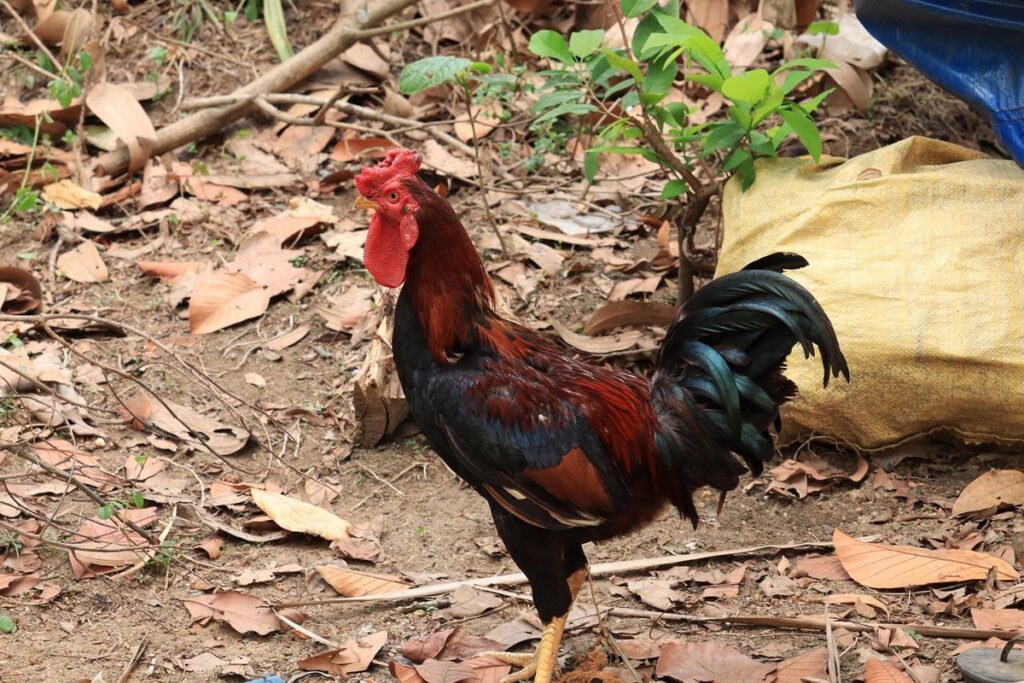
What are Cuckoo Chickens?
So, you’re wondering what exactly a cuckoo chicken is? In this section, we’ll delve into the fascinating world of brood parasites and explore their unique biology.
Definition and Classification
Cuckoo chickens are a fascinating group of birds that have evolved unique characteristics to survive and thrive in various ecosystems. To understand these remarkable birds better, let’s start with their definition and classification.
Cuckoo chickens belong to the Galliformes order, which includes pheasants, partridges, and turkeys. Within this order, cuckoo chickens are classified under the family Phasianidae. There are approximately 40 species of cuckoo chickens found worldwide, each with distinct characteristics.
One of the most notable features of cuckoo chickens is their brood parasitism behavior. Many species of cuckoo chickens lay their eggs in other birds’ nests, leaving the host bird to raise their young. This unique behavior has led to the development of specific characteristics, such as egg shape and coloration, that help them blend in with the host’s eggs.
Some common types of cuckoo chickens include the Common Cuckoo, the African Black Coucal, and the Oriental Bay Owl. Each species has adapted to its environment, making them incredibly resilient and resourceful birds. By understanding their classification and characteristics, we can better appreciate the fascinating world of cuckoo chickens.
Characteristics of Cuckoo Chickens
Cuckoo chickens are easily recognizable due to their unique physical characteristics. They have a distinctive appearance that sets them apart from other chicken breeds. One of the most notable features is their plumage, which can range from solid colors to intricate patterns. Cuckoo chickens also exhibit distinct behavioral traits, often displaying an independent and strong-willed nature.
Some cuckoo chickens are known to be prolific layers, producing a high number of eggs per year. However, they can be challenging to manage for inexperienced chicken keepers due to their assertive personalities. In contrast, others may require more attention and care, as they tend to be more flighty and skittish.
In terms of physical build, cuckoo chickens typically have slender bodies and long legs, which aid in their ability to forage efficiently. Their compact size also allows them to navigate dense vegetation with ease. While some breeds may exhibit a more docile temperament, others can be quite aggressive when competing for resources or attention from flock members.
It’s essential for chicken enthusiasts to research the specific breed they’re interested in and understand its unique needs and characteristics before deciding to bring one home. This knowledge will help ensure that both the breeder and the new owner have a successful and enjoyable experience with their cuckoo chicken.
Evolutionary Adaptations
One of the most fascinating aspects of cuckoo chickens is their incredible range of evolutionary adaptations that have allowed them to thrive in diverse environments. Let’s dive into some of these remarkable traits.
Brood Parasitism: The Key to Survival
Cuckoo chickens have taken brood parasitism to an unprecedented level by laying their eggs in the nests of other bird species, including chickens. This unique adaptation has allowed them to thrive in various environments and ecosystems. By depositing their eggs in the nests of unsuspecting hosts, cuckoo chickens ensure their offspring’s survival while minimizing energy expenditure on nesting and parental care.
In fact, some species of cuckoo chickens are known to lay their eggs in over 20 different host species, each with its unique characteristics and behaviors. For instance, the Common Cuckoo (Cuculus canorus) lays its eggs in the nests of Meadow Pipits, Sparrowhawks, and even Black Redstarts. This remarkable adaptability has enabled cuckoo chickens to colonize diverse habitats and exploit various food sources.
To understand how cuckoo chickens achieve this feat, consider their egg-laying strategy: they carefully select host nests that match their own species’ breeding season, ensuring the eggs hatch when the host is most receptive to parental care. This cunning approach guarantees the young cuckoos receive adequate nourishment and protection from predators.
Co-evolution with Host Species
Cuckoo chickens have evolved some of their most fascinating traits through co-evolution with host species. These birds lay their eggs in the nests of other chicken breeds, and over time, they’ve developed strategies to ensure their young thrive. For instance, some cuckoo chicken species have modified eggshell coloration that blends in with their chosen host’s eggs. This remarkable adaptation has led to a highly efficient reproductive strategy for cuckoos.
One notable example is the Common Cuckoo (Cuculus canorus), which lays its eggs in the nests of Meadow Pipits, Skylarks, and other songbirds. Research has shown that the cuckoo’s eggshell coloration matches that of the host species’ eggs to avoid detection. This phenomenon highlights the complex co-evolutionary relationships between cuckoos and their hosts.
Interestingly, some host species have developed counter-strategies against cuckoo parasitism, such as recognizing the alien eggs by their unique color or shape and rejecting them from the nest. The dynamic interplay between cuckoos and their hosts has led to an ongoing co-evolutionary “arms race,” where each side adapts to outsmart the other.
This intricate relationship underscores the fascinating biology of cuckoo chickens, demonstrating how they’ve honed their reproductive strategies through millennia of co-evolution with their host species.
Cuckoo Chicken Behavior
One of the most fascinating aspects of cuckoo chickens is their unique behavior, which sets them apart from other bird species. Let’s dive into what makes their behavior so intriguing and complex.
Breeding and Mating Habits
When it comes to breeding and mating habits, cuckoo chickens are known for their unique approach. They don’t build nests like many other chicken breeds, but instead lay their eggs in the nests of host birds, such as red-winged blackbirds or robins. This behavior is often referred to as “brood parasitism,” where the cuckoo female lays her eggs in another bird’s nest and then abandons them, leaving the host bird to care for the young.
Courtship rituals are also an essential part of cuckoo chicken mating habits. Male cuckoos will perform complex displays to attract a mate, including singing, dancing, and showing off their brightly colored feathers. Once paired, the male and female cuckoos will work together to build a nest on the ground or in a shrub, which is then used by the female to lay her eggs.
Interestingly, cuckoo chickens are known to form long-term pair bonds with their mates, often staying together for multiple breeding seasons. This unique behavior allows them to conserve energy and resources, as they don’t need to spend time finding new partners each year. By understanding these breeding habits, you can better appreciate the complexities of cuckoo chicken biology and behavior.
Nesting and Egg-Laying Strategies
When it comes to raising their young, cuckoo chickens have developed some of the most impressive and deceitful strategies in the avian world. One of the most fascinating aspects of their behavior is the way they select host nests and lay eggs in them.
Cuckoo chickens are known for their remarkable precision when choosing a nest to deposit their eggs in. They carefully observe the nesting habits of various species, often targeting birds with larger clutches that won’t suspect anything amiss. For instance, the Common Cuckoo has been observed to target the nests of Meadow Pipits and Reed Warblers in the UK.
But how do they manage to sneak their eggs into these host nests? It’s a remarkable display of deception, really. Cuckoo chickens will often deposit their egg near the edge of the nest or even on top of an existing egg, making it almost impossible for the host bird to detect. In some cases, the cuckoo chick will even mimic the appearance and behavior of the host chicks, further confusing the situation.
This remarkable strategy has led to the evolution of brood parasitism in cuckoo chickens, where they exploit the parental care of their hosts without contributing anything themselves. It’s a clever yet ruthless tactic that has allowed these birds to thrive in various parts of the world.
Conservation Status and Threats
Unfortunately, cuckoo chickens face several threats that put their populations at risk, including habitat loss and hunting. Let’s take a closer look at these pressing conservation concerns.
Habitat Loss and Fragmentation
Cuckoo chickens are known to inhabit dense rainforests, where they have traditionally co-existed with their host species. However, the increasing destruction of these habitats poses a significant threat to both the cuckoo chicken and its host populations.
Habitat loss is primarily caused by deforestation, mainly for agricultural purposes such as palm oil and soybean production. As a result, native bird species like the cassowary, which serves as the primary host of the cuckoo chicken, are forced to adapt to smaller areas. This fragmentation makes it difficult for individuals from different patches to breed successfully.
The loss of food sources, including seeds, fruits, and insects, also affects cuckoo chickens’ survival. The remaining forest fragments become isolated islands, unable to support the complex ecological dynamics that were once present in the dense rainforests. Moreover, human activities like agriculture and urbanization contribute to further habitat destruction, exacerbating the loss of biodiversity.
The impact on cuckoo chicken populations can be seen through reduced clutch sizes and lower hatching rates. As a result, conservation efforts should focus on preserving existing forests and restoring degraded habitats to ensure the long-term survival of both the cuckoo chicken and its host species.
Other Threats: Climate Change, Pollution, and Human Activities
In addition to predation and habitat loss, cuckoo chickens face other significant threats that impact their conservation status. Climate change is one of the most pressing concerns, as it alters the delicate balance of ecosystems and disrupts the distribution of food resources. Rising temperatures can also affect the timing of breeding seasons, making it challenging for cuckoo chickens to adapt.
Pollution, particularly plastic pollution, poses a significant threat to cuckoo chicken populations. Plastic waste enters their habitats through various means, including ingestion or entanglement, which can cause physical harm and blockages in their digestive systems. Moreover, pollution contributes to the destruction of coral reefs, which serve as essential breeding grounds for many marine species.
Human activities such as deforestation, overfishing, and coastal development also have a profound impact on cuckoo chicken habitats. The loss of mangrove forests, for example, can reduce nesting sites and food sources, leaving these birds vulnerable to extinction. To mitigate these effects, it’s essential to promote sustainable practices and adopt eco-friendly policies that protect the natural habitats of cuckoo chickens and other species. By taking collective action, we can work towards preserving the rich biodiversity of our planet.
Interesting Facts and Cultural Significance
Cuckoo chickens have been fascinating humans for centuries, and it’s not hard to see why when you learn more about their intriguing cultural significance and surprising facts. Let’s dive into some of these lesser-known tidbits!
Cuckoo Chicken in Folklore and Mythology
Cuckoo chickens have captivated human imagination across cultures, often symbolizing intriguing and sometimes contradictory qualities. In many African societies, cuckoos are viewed as tricksters and shape-shifters, embodying the complexities of life and survival. For instance, in some Ghanaian mythologies, cuckoos are believed to possess magical powers that allow them to steal food from other birds’ nests, making them both cunning and resourceful.
In contrast, in some Asian cultures, cuckoo chickens are revered for their supposed connection to good fortune and prosperity. In Japan, the cuckoo is a symbol of longevity and happiness, often depicted in art and literature as a gentle, benevolent creature. Similarly, in some Native American cultures, cuckoos are associated with fertility and abundance.
These varied interpretations reflect humanity’s deep fascination with the cuckoo chicken’s unique biology and behavior. By exploring these cultural associations, we can gain a deeper understanding of our own relationship with nature and the intricate balance within ecosystems.
Unique Characteristics and Breeding Programs
Cuckoo chickens are renowned among breeders for their distinctive characteristics, which set them apart from other chicken breeds. One of the most striking aspects is their unique broodiness, where they take on the responsibility of incubating and raising the chicks of other species, including bantams and game birds. This fascinating trait has led to the development of specialized breeding programs that cater specifically to this phenomenon.
Some breeders even crossbreed cuckoo chickens with other breeds to produce offspring that exhibit exceptional broodiness. For instance, pairing a cuckoo chicken with a silver duckwing bantam can result in chicks with enhanced incubation instincts. This selective breeding has become an art form among enthusiasts who seek to unlock the secrets of this remarkable behavior.
To replicate these results, breeders recommend starting with high-quality stock and carefully monitoring the parent birds’ behavior. They also advise maintaining precise records of each generation’s characteristics to refine their breeding programs.
Conclusion: Protecting the Future of Cuckoo Chickens
As we wrap up our exploration of cuckoo chickens, let’s now shift focus to what we can do to safeguard their future and ensure these fascinating birds continue to thrive.
Recommendations for Conservation Efforts
As we conclude our journey into the fascinating world of cuckoo chickens, it’s essential to consider the steps we can take to safeguard their populations and habitats. Based on scientific research, here are some recommendations for conservation efforts.
Firstly, habitat preservation is crucial for cuckoo chicken survival. We must work towards protecting their natural habitats from deforestation, agricultural expansion, and other human activities that threaten their ecosystems. For instance, the Rarotonga Island in the Cook Islands has implemented a protected area network to preserve its unique biodiversity, including the endemic cuckoo chick population.
Another key strategy is community engagement and education. By raising awareness about the importance of cuckoo chickens and their habitats, we can inspire local communities to take action in conservation efforts. For example, the “Birds & Bees” program in Papua New Guinea has successfully involved local communities in monitoring bird populations and reporting any threats.
We must also prioritize research and monitoring to better understand cuckoo chicken behavior and population dynamics. This information will inform effective conservation strategies and policies. By working together and taking these steps, we can ensure the long-term survival of these remarkable birds.
Final Thoughts: Preserving Biodiversity through Understanding
As we conclude our journey into the fascinating world of cuckoo chickens, it’s essential to acknowledge that their survival depends on preserving biodiversity and understanding complex ecological relationships. These unique birds rely heavily on their specific host species, such as the Common Cuckoo or the Black-billed Cuckoo, for reproduction and nesting.
Their intricate dependence on these hosts underscores the importance of maintaining a balance in ecosystems. Human activities like deforestation, climate change, and pollution can disrupt this delicate balance, putting cuckoo chicken populations at risk. To mitigate this, it’s crucial to adopt sustainable practices that minimize our impact on the environment.
By recognizing and respecting the interconnectedness of species within their habitats, we can take steps towards preserving biodiversity. This includes supporting conservation efforts, reducing waste, and promoting eco-friendly lifestyles. By doing so, we not only ensure the long-term survival of cuckoo chickens but also safeguard the health of entire ecosystems.
Frequently Asked Questions
How can I contribute to cuckoo chicken conservation efforts?
You can support organizations dedicated to protecting cuckoo chickens and their habitats through donations, volunteering, or spreading awareness about the importance of preserving biodiversity. Consider participating in citizen science projects or advocating for policy changes that address habitat loss and fragmentation.
Are cuckoo chickens endangered due to climate change?
Yes. Climate change is a significant threat to cuckoo chicken populations as it alters their breeding seasons, reduces food availability, and increases competition for resources. Conservation efforts should prioritize addressing the impacts of climate change on cuckoo chicken habitats and ecosystems.
Can I keep cuckoo chickens as pets?
While it may be tempting to bring these fascinating birds into your home, keeping cuckoo chickens as pets is not recommended due to their specialized care requirements and complex social needs. They are best suited for conservation efforts or studied in controlled environments by experts.
How can I learn more about cuckoo chicken behavior and habitat preferences?
Observing cuckoo chickens in their natural habitats through guided tours or documentaries can provide valuable insights into their behavior and habitat preferences. You can also engage with experienced researchers, birdwatchers, or conservationists who have hands-on knowledge of these birds.
What are the unique characteristics that set cuckoo chickens apart from other chicken species?
Cuckoo chickens exhibit a range of unique characteristics, including their brood parasitic behavior, specialized egg-laying strategies, and adaptations for survival in diverse ecosystems. These features are shaped by their evolutionary history and co-evolution with host species.