
Are you ready to discover the incredible world of cactus fruit? This versatile and nutritious superfood has been gaining popularity worldwide, and for good reason. Not only is it packed with essential vitamins and minerals, but it’s also rich in antioxidants and has numerous health benefits when consumed as part of a balanced diet. But what makes cactus fruit so special, and how can you incorporate it into your daily life? From its cultivation and harvesting to its culinary uses and conservation efforts, this guide will cover everything you need to know about the amazing world of cactus fruit. Whether you’re a health enthusiast, a foodie, or simply someone interested in sustainable living, you’ll want to learn more about the incredible benefits and versatility of this incredible fruit.
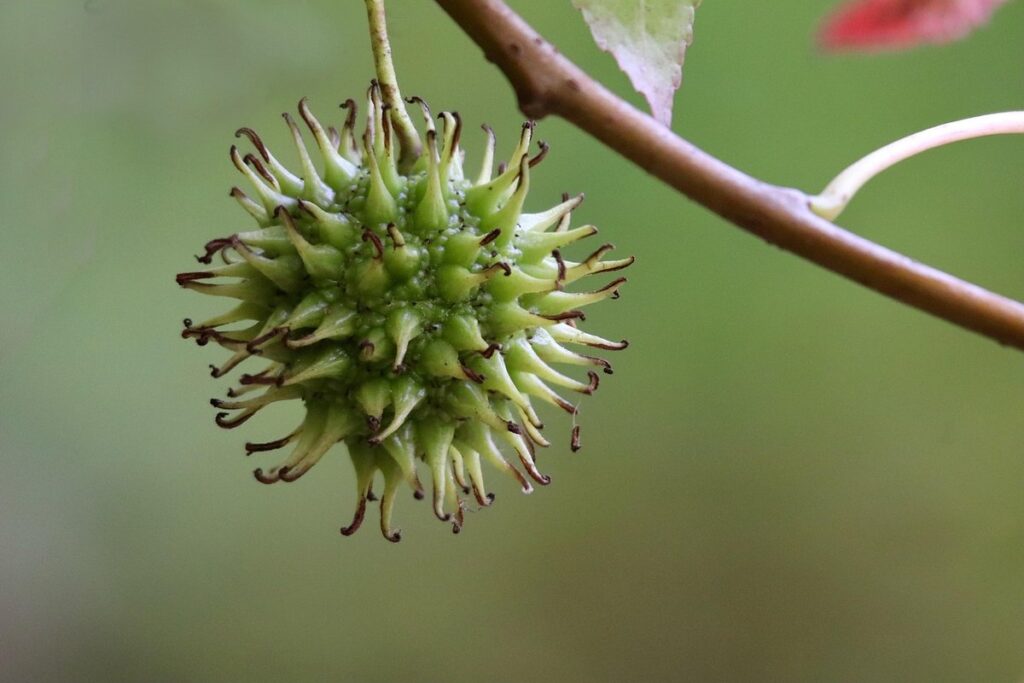
What is Cactus Fruit?
Let’s dive into what cactus fruit actually is, exploring its unique characteristics and how it differs from other types of edible fruits. We’ll break down its fascinating science!
Botanical Description of Cactus Fruits
Cactus fruits are the edible parts of cacti plants, providing a rich source of nutrients. There are over 1,500 species of cacti, but only around 20-30 produce edible fruits. Some popular types of cactus fruits include Prickly Pear, Dragon Fruit, and Pitaya.
These fruits have unique characteristics that set them apart from other types of produce. For instance, the Prickly Pear has a fleshy exterior covered in sharp spines, while the Dragon Fruit has vibrant green scales on its outer skin. Cultivation is also a fascinating aspect of cactus fruit production. Most cacti are grown in arid regions with intense sunlight, and require minimal watering due to their adapted roots.
When choosing cactus fruits at the market or grocery store, look for ones that are heavy for their size, have no visible signs of spoilage, and have a sweet aroma. Store them in a cool, dry place to prolong shelf life. By incorporating these fruits into your diet, you can reap the rewards of their high water content, vitamins, and minerals – perfect for adding variety to salads, smoothies, or baked goods!
Types of Cactus Fruits and Their Unique Features
There are numerous species of cactus fruits that have gained popularity worldwide for their unique characteristics and nutritional profiles. One of the most widely consumed is the prickly pear (Opuntia spp.), which has a sweet, slightly crunchy texture and can be eaten raw or cooked into jams and preserves. It’s rich in antioxidants, vitamins A and C, and minerals like potassium and magnesium.
The dragon fruit (Hylocereus spp.) is another popular variety, known for its vibrant pink or yellow skin and green scales. Its white or red flesh is not only visually appealing but also packed with nutrients, including vitamin C, B vitamins, and fiber. Dragon fruits are best consumed fresh, as they quickly spoil when stored.
Night-blooming cereus (Selenicereus spp.) produces small, sweet fruits that are often used in jams and desserts. These cacti thrive in warm climates, producing flowers under the cover of darkness to attract pollinators like moths and bats.
While these species have their own distinct characteristics, they share a common trait: high water content and low caloric density, making them perfect additions to salads or snacks for those looking to stay hydrated.
Nutritional Value of Cactus Fruit
Rich in vitamins, minerals, and antioxidants, cactus fruit is an excellent addition to a healthy diet. Let’s dive into its impressive nutritional profile and what makes it such a superfood.
Macronutrients and Micronutrients in Cactus Fruits
Cactus fruits are a treasure trove of essential vitamins, minerals, and antioxidants. Let’s dive into the macronutrient and micronutrient profile of these nutritious fruits.
A 100-gram serving of cactus fruit contains approximately 1 gram of protein, making it an excellent option for those looking to boost their plant-based protein intake. The carbohydrate content is around 14 grams, with a significant portion being natural sugars. Fiber content is relatively low, at about 2 grams. In contrast, the fat content is negligible, making cactus fruit an ideal choice for weight management.
Micronutrient-wise, cactus fruits are rich in vitamin C (22% of the Daily Value), potassium (17%), and magnesium (15%). They also contain a range of B vitamins, including thiamin, riboflavin, and folate. Antioxidant compounds like flavonoids and phenolic acids contribute to their impressive ORAC value, indicating their ability to neutralize free radicals in the body.
To reap the benefits of cactus fruit’s nutrient profile, consider incorporating it into your salads, smoothies, or as a topping for yogurt or oatmeal. Its mild flavor and versatility make it an excellent addition to various dishes.
Antioxidant Properties and Anti-Inflammatory Effects
Cactus fruit is an excellent source of antioxidants, which play a crucial role in combating chronic diseases. Antioxidants are molecules that neutralize free radicals, unstable compounds that can cause oxidative stress and damage to cells. Cactus fruit contains a variety of antioxidants, including vitamin C, vitamin E, and beta-carotene, which have been shown to reduce inflammation and protect against cell damage.
The anti-inflammatory effects of cactus fruit have been particularly notable in studies on cardiovascular disease and cancer. The fiber, phenolic compounds, and other bioactive molecules present in the fruit may help mitigate inflammation and oxidative stress, leading to improved health outcomes. For example, a study published in the Journal of Agricultural and Food Chemistry found that the extract of prickly pear cactus reduced lipid peroxidation and inflammation in human subjects.
Incorporating cactus fruit into your diet can have significant benefits for overall health. Try adding it to salads or smoothies, using it as a topping for yogurt or oatmeal, or baking it with other fruits and nuts. With its unique combination of antioxidants and anti-inflammatory compounds, cactus fruit is an excellent addition to a balanced diet focused on preventing chronic diseases.
Health Benefits of Cactus Fruit Consumption
When it comes to reaping the rewards of cactus fruit, its health benefits are among the most compelling reasons to incorporate it into your diet. Let’s dive into how this unique fruit can improve your overall well-being.
Weight Management and Blood Sugar Control
Cactus fruits have been prized for centuries not only for their nutritional value but also for their potential to support weight management and blood sugar control. Recent studies suggest that the unique combination of fiber, vitamins, and minerals found in cactus fruits may play a significant role in modulating metabolism and insulin sensitivity.
One key mechanism behind cactus fruit’s effects on metabolism is its high water content, which can lead to feelings of fullness and reduced caloric intake. Additionally, the pectin present in cactus fruits slows down sugar absorption, thereby reducing the spike in blood glucose levels that often triggers insulin resistance.
Research has shown that consuming cactus fruits can improve insulin sensitivity by up to 30% within a few weeks. This is particularly significant for individuals with type 2 diabetes or those at risk of developing the condition. To reap these benefits, consider incorporating cactus fruit into your diet in moderation – aim for 1-2 servings per week.
For example, try adding sliced prickly pear (the most commonly consumed cactus fruit) to salads or blending it into smoothies with other fruits and veggies.
Anti-Aging Properties and Skin Health
Cactus fruits have been prized for their exceptional nutritional profile and potential to promote overall health and wellness. One of the most compelling benefits of cactus fruit consumption lies in its anti-aging properties. Rich in antioxidants, vitamins A and C, and beta-carotene, cactus fruits help shield the skin from the damaging effects of UV radiation.
In fact, studies have shown that consuming foods rich in antioxidants can reduce the risk of photoaging by up to 30%. By incorporating cactus fruit into your diet, you can enjoy a more youthful-looking complexion while protecting your skin from environmental stressors. Furthermore, cactus fruits contain amino acids and other nutrients essential for collagen production, which helps maintain skin elasticity and firmness.
To harness the anti-aging potential of cactus fruits, try adding them to salads or blending them into smoothies. You can also use cactus fruit puree as a topping for yogurt or oatmeal. By making these simple additions to your daily routine, you’ll be taking a proactive step towards promoting healthy skin and reversing signs of aging.
Culinary Uses and Recipes
Get creative in the kitchen with our expertly curated recipes that showcase the cactus fruit’s unique flavor and texture, perfect for adventurous home cooks. From savory salsas to sweet desserts, we’ve got you covered!
Traditional Preparations in Latin American Cuisine
In Latin American cuisine, cactus fruits are often used in traditional preparations that showcase their unique flavor and texture. One of the most iconic dishes from this region is the Mexican “tuna” or prickly pear cactus fruit salad. This refreshing side dish is typically made with diced cactus fruit, onions, cilantro, lime juice, and chili peppers.
In many Latin American countries, cactus fruits are also used in soups and stews. For example, in some parts of Mexico, a hearty soup called “pozole” often features cactus fruit as one of its main ingredients. The cactus fruit adds a sweet and slightly crunchy texture to the savory broth.
To incorporate cactus fruits into your own traditional Latin American dishes, try making a simple salsa by mixing diced cactus with red onions, jalapeños, cilantro, and lime juice. This versatile condiment can be served on top of tacos or grilled meats. With its sweet and slightly crunchy texture, the cactus fruit is a versatile ingredient that adds depth and complexity to a variety of traditional Latin American dishes.
Modern Recipe Ideas for Cactus Fruit Desserts and Savory Dishes
When it comes to incorporating cactus fruit into modern desserts and savory dishes, the possibilities are endless. For dessert lovers, try creating a Prickly Pear Creme Brûlée by pureeing fresh cactus fruit with heavy cream, sugar, and eggs, then baking until golden brown.
For a refreshing twist on smoothies, blend cactus fruit with Greek yogurt, honey, and lime juice for a sweet and tangy treat. You can also use cactus fruit in place of traditional fruits like strawberries or raspberries to add a unique flavor profile.
In savory dishes, cactus fruit pairs well with grilled meats and vegetables. Try adding diced cactus fruit to a salad with mixed greens, crumbled queso fresco, and a drizzle of citrus vinaigrette for a flavorful and healthy side dish.
Some popular modern recipe ideas for cactus fruit desserts include:
* Cactus Fruit Tarts: A sweet and tangy filling made with pureed cactus fruit, sugar, and eggs, baked in pre-made tart shells.
* Prickly Pear Sorbet: A refreshing and light dessert made by blending cactus fruit with a touch of sugar and freezing until set.
* Grilled Pineapple and Cactus Fruit Skewers: A sweet and savory combination of grilled pineapple chunks, diced cactus fruit, and a sprinkle of cinnamon.
Experiment with these ideas and discover the versatility of cactus fruit in your kitchen!
Growing and Harvesting Cactus Fruits
Now that you know what cactus fruits are all about, let’s dive into growing and harvesting them successfully at home. Here we’ll cover tips for optimal growth conditions and timing your harvest for maximum flavor.
Tips for Cultivating Prickly Pear and Other Cactus Species
When it comes to cultivating prickly pear and other cactus species, understanding their specific needs is crucial for a successful harvest. To begin, select a location with full sun and well-draining soil. Prickly pear cacti prefer dry to medium moisture levels, while some species like the Dragon Fruit Cactus require more frequent watering.
Soil preparation is also essential. Mix in organic matter such as compost or manure to improve fertility and drainage. A pH range of 6.0-7.5 is ideal for most cactus species.
Regular pest management is necessary to prevent damage from pests like the cochineal bug, which can spread disease. Monitor your plants regularly and use neem oil or insecticidal soap as a natural deterrent. With proper care and attention, you’ll be enjoying fresh cactus fruits in no time.
Some popular varieties for home gardeners include the Prickly Pear (Opuntia spp.), Dragon Fruit Cactus (Hylocereus spp.), and Pitaya (Stenocereus spp.). Research specific growing requirements for each species to ensure success.
Best Practices for Harvesting Cactus Fruits at Home or in a Commercial Setting
When it’s time to harvest cactus fruits, whether you’re growing them at home or on a commercial scale, proper handling techniques are crucial to minimize damage during transportation. To start, gently twist the fruit until it comes loose from the mother plant, taking care not to pull too hard and cause the stem to break.
It’s also essential to handle cactus fruits with care, as they can be easily bruised or damaged. When harvesting multiple fruits at once, use a soft-bristled brush or a clean cloth to gently sweep them off the plant, minimizing contact between the fruit and the spines. This will help prevent any potential damage.
For commercial growers, consider implementing a system of conveyors or gentle shaking mechanisms to reduce manual handling and further minimize damage. Additionally, inspect each fruit before packing for transportation to ensure none are damaged or bruised, which can affect their quality and shelf life.
When transporting cactus fruits, use containers with adequate ventilation to prevent moisture buildup and promote airflow. This will help maintain the fruit’s freshness and extend its shelf life.
Environmental Impact of Cactus Fruit Production
As we explore the world of cactus fruit, it’s essential to consider its environmental impact and how sustainable production methods can make a difference in our planet’s health. Let’s delve into the potential effects on ecosystems and biodiversity.
Sustainability Concerns and Opportunities for Eco-Friendly Farming
As we delve into the world of cactus fruit production, it’s essential to acknowledge both its positive and negative environmental impacts. While this prickly yet nutritious fruit offers numerous health benefits, the way it’s farmed can either harm or help our planet.
One significant sustainability concern in cactus farming is water usage. Cacti are drought-tolerant plants, but they still require adequate watering during certain stages of growth. In regions where water scarcity is a pressing issue, this can lead to increased competition for limited resources. However, some eco-friendly farmers have developed innovative irrigation systems that utilize greywater or recycled water, reducing the strain on local water supplies.
On the other hand, cactus farming offers opportunities for biodiversity conservation and waste reduction. By planting diverse species of cacti, farmers can create habitats for pollinators like bees and butterflies, contributing to a healthier ecosystem. Moreover, cactus fruits are an excellent example of reducing food waste – they can be consumed fresh or used in jams, preserves, and even animal feed, minimizing the amount of organic matter sent to landfills. By adopting sustainable practices, cactus farmers can not only reduce their environmental footprint but also create a more resilient agricultural system for future generations.
Conservation Efforts for Endangered Cactus Species
As we delve into the world of cactus fruit production, it’s essential to acknowledge the environmental impact on endangered cactus species. Conservation efforts are crucial to preserve these unique plants and their genetic diversity. One such effort is the establishment of cactus sanctuaries, where rare species can thrive under controlled conditions.
The Sonoran Desert in Mexico is home to several threatened cacti species, including the iconic Saguaro (Carnegiea gigantea). To protect this iconic plant, conservationists have created protected areas within the national parks. These sanctuaries not only provide a safe habitat for the cacti but also serve as an opportunity for researchers and scientists to study these plants.
You can contribute to cactus conservation by supporting organizations that work towards preserving genetic diversity in these endangered species. For instance, the International Cactus and Succulent Plant Society (ICS) offers resources on how to grow rare cacti at home. By cultivating these unique plants, you’re helping maintain their genetic integrity and promoting their survival.
In addition to individual efforts, governments and international organizations can play a crucial role in cactus conservation. For example, the Convention on International Trade in Endangered Species of Wild Fauna and Flora (CITES) regulates trade in cacti species, preventing over-exploitation and habitat destruction. By working together, we can ensure the long-term survival of these incredible plants.
Conclusion: Unlocking the Potential of Cactus Fruit
In conclusion, cactus fruit is a nutrient-rich food that offers numerous health benefits and culinary uses. By incorporating it into your diet, you can unlock its potential and reap the rewards. Whether you choose to eat it fresh, dry it for later use, or blend it into a delicious smoothie, there are countless ways to enjoy this versatile ingredient. To maximize its nutritional value, be sure to consume it in moderation, as excessive consumption may lead to digestive issues.
To make cactus fruit a staple in your kitchen, try experimenting with different recipes and flavor combinations. For example, you can add it to salads, use it as a topping for yogurt or oatmeal, or blend it into a refreshing juice. By exploring its various uses and benefits, you’ll discover the true potential of this amazing superfood. With a little creativity and experimentation, you’ll be well on your way to unlocking all that cactus fruit has to offer!
Frequently Asked Questions
Can I grow my own cactus fruit at home?
Growing your own cactus fruits can be a rewarding experience, especially for those interested in sustainable living. To start growing cacti at home, you’ll need to choose a suitable species for your climate and provide the right conditions for growth. Make sure to research specific care instructions for your chosen variety, as some cacti are more challenging to cultivate than others.
Are there any safety concerns when handling or consuming cactus fruit?
While generally safe, certain precautions should be taken when handling or consuming cactus fruits. For example, Prickly Pear fruits have sharp spines that can cause irritation; always wear gloves and protective clothing when harvesting. Additionally, some people may experience allergic reactions to the latex sap found in certain cacti.
Can I use any part of the cactus plant for food?
Yes, various parts of the cactus plant are edible, but not all species are suitable for consumption. The fruits, pads (stems), and flowers can be used in different recipes. However, it’s essential to identify the correct species and only consume those that have been proven safe by culinary experts or traditional practices.
How do I store cactus fruit to preserve its nutritional value?
To maintain the nutritional benefits of cactus fruit, store it properly after harvesting. Keep fruits away from direct sunlight, moisture, and heat sources. Store them in a cool, dry place or refrigerate at 32°F (0°C) to slow down degradation.
Can I use cactus fruit as a substitute for other fruits in recipes?
While cactus fruits have unique characteristics, they can be used as substitutes in some recipes due to their similar nutritional profiles. However, it’s essential to understand the flavor and texture differences between various cacti species and adjust your recipes accordingly.