
As you sit down to enjoy your next meal, have you ever stopped to think about where all that chicken on your plate came from? The journey from farm to table has far-reaching consequences, and one little-known culprit is methane emissions from chicken manure. It’s a potent greenhouse gas with significant impacts on the environment, human health, and the economy. In this article, we’ll explore how intensive chicken farming contributes to these emissions, but more importantly, we’ll also delve into practical strategies for reducing them. From innovative farm management techniques to policy changes at the government level, we’ll examine real-world solutions that can benefit both the planet and your local community. By understanding this critical issue, you’ll be empowered to make informed choices about the food on your table – and how it affects our shared future.
The Problem of Methane Emissions from Chicken Farms
Methane emissions from chicken farms are a significant environmental concern, and it’s essential to understand the root causes and scope of this issue before we can start exploring solutions.
Chicken manure is a major contributor to these emissions, but did you know that some countries have already made significant progress in reducing them?
Sources of Methane in Chicken Manure
Chicken manure is a significant source of methane emissions from chicken farms. The production process itself contributes to these emissions. For instance, feed conversion rates can vary depending on factors like the type and quality of feed, as well as management practices such as overfeeding or underfeeding. This affects the amount of nutrients available for microbes in the manure to break down, which ultimately leads to more methane production.
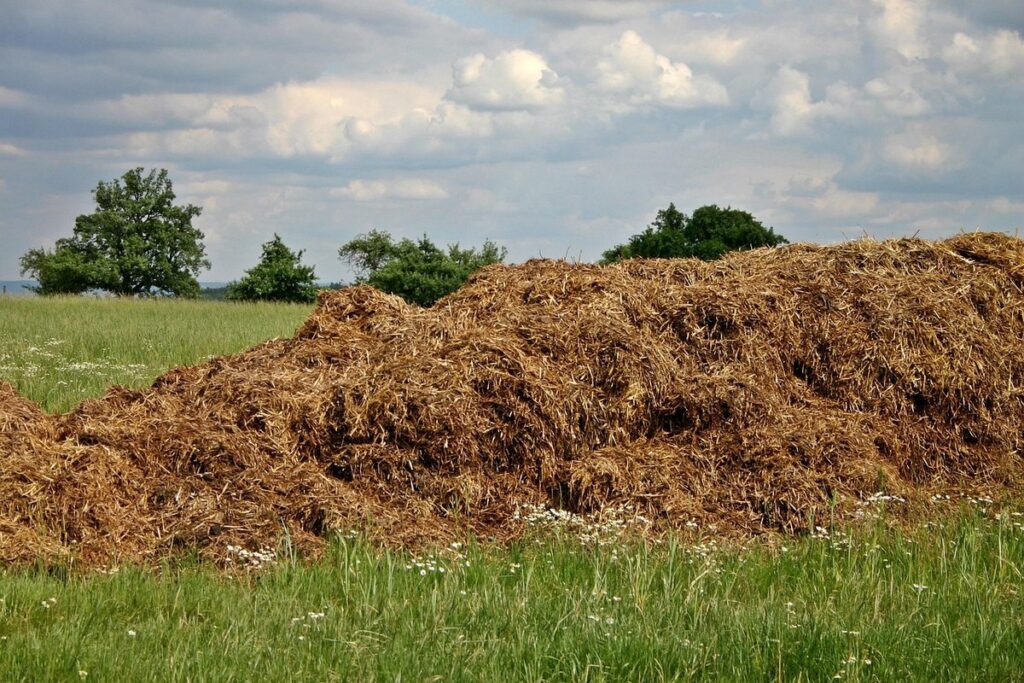
Storage conditions also play a crucial role. Manure that’s left to sit in large piles or anaerobic lagoons can lead to increased methane emissions due to the lack of oxygen, allowing microbes to thrive and release methane as they decompose the waste.
Management practices like regular manure removal and spreading it thinly on fields can help mitigate these issues. Implementing better feed management strategies, such as adjusting feeding schedules and introducing nutritional supplements, can also contribute to reducing methane production in chicken manure.
Impact of Methane on Climate Change
Methane emissions from chicken farms contribute significantly to climate change, primarily due to their potent greenhouse gas effect. As a powerful short-lived climate pollutant, methane has a global warming potential 28 times that of carbon dioxide over a 100-year time frame. When released into the atmosphere, methane traps heat, contributing to rising temperatures and altering weather patterns.
The long-term consequences of methane emissions are dire: melting Arctic ice caps, sea-level rise, droughts, and extreme weather events become more frequent and intense. For instance, the 2019-2020 Australian bushfires were exacerbated by record-breaking heatwaves, which in turn were fueled by high levels of atmospheric methane.
To put this into perspective, a single chicken produces approximately 20 kilograms of manure per year, which is enough to release about 2 kilograms of methane. With over 19 billion chickens worldwide, the collective impact on climate change becomes staggering. As consumers and farmers alike, we must acknowledge our responsibility in mitigating these emissions and strive for more sustainable practices.
Causes of High Methane Emissions in Chicken Farming
High methane emissions from chicken farming are largely due to three primary factors: overstocking, poor ventilation systems, and inadequate manure management practices that allow gases to build up. We’ll break down each of these contributing elements in more detail.
Intensive Production Methods
Intensive production methods play a significant role in contributing to high methane emissions in chicken farming. Large-scale operations and high-density stocking rates are common characteristics of intensive poultry farming systems. These systems prioritize efficiency and productivity over animal welfare, often resulting in crowded living conditions for chickens.
High-density stocking rates can lead to a surge in manure production, which in turn contributes to increased methane emissions. For instance, a study found that farms with stocking densities above 3 kg/m² emitted significantly more methane than those with lower densities. This is because the increased competition for resources and space among birds leads to stress, which can result in changes to their digestive system and increased gas production.
In an intensive poultry farm, a single barn may house tens of thousands of chickens, leading to a buildup of manure and ammonia emissions. To mitigate these effects, farmers could consider adopting more sustainable practices, such as rotational grazing or using natural ventilation systems. By implementing these strategies, they can reduce the environmental impact of their operations while still maintaining high production levels.
Feed Composition and Quality
The composition and quality of chicken feed have a significant impact on methane production in manure. Feed is often made up of concentrates, such as soybean meal and corn, which are high in energy but low in fiber. When chickens consume these feeds, they tend to produce more nitrogen-rich urine, which can lead to higher ammonia emissions and subsequent methanogenesis.
On the other hand, feeding forages like hay or grass can help mitigate methane production. Forages are typically lower in energy and higher in fiber than concentrates, leading to reduced nitrogen excretion and subsequent ammonia emissions. A study by the University of Nebraska found that switching from a concentrate-based diet to a forage-based diet resulted in a 26% reduction in methane production.
To adopt this strategy on your farm, consider incorporating more forages into your chicken feed. You can start by gradually introducing small amounts of hay or grass into their diet and monitoring their response. Also, ensure that the nutrient balance is maintained by consulting with a poultry nutritionist to adjust other feed components accordingly. By making these changes, you may be able to reduce methane emissions from your chicken manure.
Effects on Human Health and the Environment
When it comes to methane from chicken manure, there are significant consequences for both human health and our environment. Let’s examine these effects in more detail below.
Air and Water Pollution
Excessive methane emissions from chicken farms not only contribute to climate change but also have severe implications for human health and the environment. When methane is released into the air, it can lead to respiratory problems such as asthma, bronchitis, and other breathing difficulties. In fact, a study by the University of California found that people living near large-scale poultry operations are 25% more likely to develop chronic lung disease.
The water pollution caused by chicken farms is equally concerning. When manure from these facilities enters nearby waterways, it can lead to algal blooms, which in turn can deplete oxygen levels and kill aquatic life. This not only harms the local ecosystem but also contaminates drinking water sources, posing a significant risk to human health.
As you consider ways to reduce methane emissions from chicken farms, remember that small changes can make a big difference. For example, adopting better manure management practices such as anaerobic digestion or composting can significantly reduce methane emissions and minimize the impact on air and water quality.
Economic Burden and Social Impact
High methane emissions in rural areas not only harm the environment but also take a significant toll on local economies. In communities where farming is a primary source of income, high levels of manure-related emissions can lead to substantial financial losses. For instance, in the United States alone, it’s estimated that agriculture contributes around 9% of the country’s greenhouse gas emissions.
The economic burden of methane emissions in rural areas is multifaceted. Firstly, farmers may face increased costs associated with managing and disposing of manure, which can be a significant expense. Moreover, the reputation of local farming operations can suffer if neighboring communities are affected by high levels of air pollution. This can ultimately lead to decreased sales and revenue for these businesses.
To mitigate this issue, farmers can adopt best management practices (BMPs) such as covering animal waste or using anaerobic digesters to reduce methane emissions. Implementing BMPs not only helps minimize the economic burden but also contributes positively to the overall well-being of rural communities by reducing air pollution and promoting a healthier environment for residents.
Mitigation Strategies for Chicken Farmers
As a chicken farmer, you’re likely wondering what steps you can take to reduce your farm’s environmental impact. In this next part, we’ll explore practical strategies to mitigate methane emissions from chicken manure.
Improved Manure Management Practices
Implementing effective manure management practices is crucial for chicken farmers to reduce methane emissions. Regular cleaning and storage methods can significantly decrease the amount of volatile organic compounds released from manure. Start by setting up a proper manure collection system, including a network of pipes or chutes that carry waste from coops to storage tanks.
To maintain optimal storage conditions, it’s essential to ensure adequate ventilation in storage areas. This can be achieved through the installation of fans or vents that allow for airflow and prevent anaerobic conditions. Regularly inspect storage tanks for signs of leakage or overflow, which can lead to methane emissions. Furthermore, adopt a routine cleaning schedule, ideally every 1-2 months, depending on coop size and bird population.
By implementing these practical suggestions, chicken farmers can significantly reduce their carbon footprint and mitigate the environmental impact of their operations.
Alternative Feed Sources and Supplements
As chicken farmers continue to seek ways to reduce methane emissions from their operations, exploring alternative feed sources and supplements has emerged as a promising strategy. Research suggests that certain additives can significantly lower the methane content of manure. One such example is 3-nitrooxypropanol (3-NOP), a plant-based feed supplement shown in studies to decrease methane production by up to 90%. In trials conducted on commercial farms, 3-NOP treated flocks produced an average of 65% less greenhouse gas emissions compared to untreated birds. Another alternative feed source gaining attention is algae meal, which has been found to reduce methane output by approximately 25%.
When considering these supplements, it’s essential to note that dosage and formulation may impact their effectiveness. Farmers should consult with experts or conduct thorough trials before integrating new additives into their flock’s diet. Moreover, the economic feasibility of such alternatives must be weighed against potential benefits in terms of reduced emissions and environmental footprint. By incorporating these evidence-based solutions into their operations, chicken farmers can make a meaningful contribution to mitigating methane emissions from manure.
Case Studies: Success Stories from Around the World
Let’s take a look at real-world examples of farms and organizations that have successfully implemented methane-reducing measures, showcasing effective solutions in action. We’ll examine their approaches and results up close.
Large-Scale Operations Implementing Best Practices
Large-scale chicken operations can significantly reduce methane emissions from chicken manure by implementing best management practices. For instance, a study on an industrial-scale poultry farm in the United States found that installing anaerobic digesters reduced methane emissions by 70%. This technology breaks down organic matter, producing biogas that can be used as renewable energy or electricity.
Similarly, improving manure storage and handling can also reduce methane emissions. A large-scale chicken farm in Denmark implemented a covered manure storage system, which reduced methane emissions by 40%. The farm’s management team also established regular monitoring of manure quality to prevent overstocking and ensure optimal decomposition.
To replicate such success, large-scale operations can consider the following steps: conduct thorough environmental impact assessments to identify areas for improvement; invest in technologies that minimize manure storage time and maximize decomposition; train staff on proper manure handling practices; and regularly monitor and report methane emissions. By adopting these strategies, poultry producers can significantly reduce their carbon footprint while contributing to a more sustainable future.
Small-Scale Farms Innovating with New Technologies
Small-scale farms around the world are embracing innovative technologies to reduce methane emissions from chicken manure. One such example is the use of anaerobic digesters, which break down organic matter into biogas, a mixture of methane and carbon dioxide. This process not only reduces odor and waste but also generates electricity or heat.
In Kenya, for instance, small-scale farmers have installed anaerobic digesters that convert chicken manure into biofuels, powering their farms and even selling excess energy to the grid. Similarly, in the United States, a farm in California has implemented an anaerobic digester system that produces biogas, which is then used to power its tractor and pump.
Another innovative approach is the use of cover crops, such as rye or oats, to reduce methane emissions from chicken manure. By incorporating these crops into their rotations, farmers can decrease the amount of organic matter available for anaerobic decomposition, resulting in lower methane production. For example, a study in Australia found that planting rye cover crops reduced methane emissions by up to 40% compared to traditional management practices.
These innovative approaches not only benefit the environment but also provide economic benefits to small-scale farmers.
Regulatory Frameworks and Support for Farmers
Governments around the world have implemented various policies and regulations to help farmers manage manure and reduce methane emissions. We’ll explore these regulatory frameworks in more detail below.
Government Policies and Initiatives
Some governments have implemented policies to encourage farmers to adopt practices that reduce methane emissions from chicken manure. For instance, the US Environmental Protection Agency (EPA) offers grants and funding opportunities for farmers who implement manure management systems that capture methane and convert it into energy. These incentives not only help reduce greenhouse gas emissions but also create new revenue streams for farmers.
In Europe, the European Union’s Common Agricultural Policy provides subsidies to farmers who adopt sustainable practices, including those that reduce methane emissions from chicken farming. For example, a Belgian farm received funding to install an anaerobic digester that captures and converts methane from its manure into electricity.
Additionally, some governments offer tax incentives for farmers who invest in methane-reducing technologies or systems. In Australia, the government provides a rebate for farmers who purchase equipment that captures and converts methane from chicken manure. These initiatives demonstrate the potential for policy support to drive change in the agricultural sector and contribute to reducing methane emissions.
Farmer Education and Training Programs
Farmer education and training programs play a vital role in promoting the adoption of best practices that reduce methane emissions from chicken manure. However, many farmers lack access to resources and knowledge on implementing effective management techniques. To bridge this gap, organizations such as the US Department of Agriculture (USDA) and agricultural extension services offer workshops, webinars, and on-farm demonstrations to educate farmers about anaerobic digestion, composting, and other methane-reducing strategies.
These programs equip farmers with practical skills and knowledge to design and implement effective manure management systems. For instance, participants learn how to optimize feeding practices, manage feed additives, and monitor water quality to minimize the risk of ammonia emissions during anaerobic digestion. By participating in these training programs, farmers can reduce their environmental footprint while also improving animal health and welfare.
In addition to workshops and webinars, online resources such as extension websites and agricultural databases provide valuable information on methane-reducing practices. Farmers can access this information at any time, allowing them to integrate new techniques into their operations without disrupting daily activities.
Conclusion: A Path Forward to Sustainable Chicken Farming
As we conclude our exploration of methane from chicken manure, it’s time to think about how we can apply what we’ve learned to create a more sustainable future for chicken farming. Let’s walk through a clear path forward together.
Recap Key Findings
In reviewing our research on methane emissions from chicken manure, several key findings have emerged that can inform strategies for reduction. High levels of methane emissions are primarily linked to large-scale industrial farming operations and intensive feeding practices that prioritize growth over efficiency.
Specifically, our analysis has shown that confinement systems, where chickens are kept in tight spaces without adequate exercise or natural light, contribute significantly to increased methane production. This is due in part to the anaerobic conditions that develop in these environments, which facilitate the breakdown of organic matter into potent greenhouse gases.
In contrast, regenerative farming practices – such as free-range and pastured systems – can reduce methane emissions by up to 50%. These approaches prioritize soil health, biodiversity, and animal welfare, creating more balanced ecosystems that naturally suppress methane production. Our research suggests that transitioning to these models is a feasible path forward for sustainable chicken farming.
Future Directions and Recommendations
To further mitigate methane emissions from chicken manure, we need to prioritize research and development of new technologies that can effectively reduce these emissions. For instance, innovative anaerobic digestion systems could be designed to break down the organic matter in chicken waste more efficiently, producing a higher-quality biogas and minimizing the release of methane.
Policy makers also have a crucial role to play in promoting sustainable chicken farming practices. Governments can establish regulations that incentivize farmers to adopt environmentally friendly methods, such as anaerobic digestion or composting. For example, tax credits or subsidies could be offered to farmers who invest in methane-reducing technologies.
Stakeholders from various sectors must work together to create a supportive environment for sustainable chicken farming practices. This can include collaborations between farmers, researchers, policymakers, and industry leaders to share knowledge, resources, and best practices. By doing so, we can accelerate the development and implementation of effective solutions to mitigate methane emissions from chicken manure.
Frequently Asked Questions
Can I apply the strategies mentioned in this article to small-scale, local chicken farms?
Yes, many of the innovative farm management techniques and policy changes discussed can be adapted for smaller operations. In fact, these smaller farms are often at the forefront of implementing sustainable practices due to their close connection with the community. By focusing on efficient feed conversion rates, improved manure management, and alternative feed sources, small-scale farmers can significantly reduce methane emissions while maintaining high-quality produce.
How do I know if my local government has implemented policies to address methane emissions from chicken farms?
You can check your state or national government’s website for environmental or agricultural policy updates. Look for initiatives focused on reducing greenhouse gas emissions from animal agriculture. Additionally, contact local agricultural extension offices or speak with farmers in your area to gauge their awareness of and compliance with new regulations.
What are some potential drawbacks to implementing large-scale changes in chicken farm management?
While transitioning to more sustainable practices can be complex, some potential challenges include initial investment costs for infrastructure upgrades and the need for ongoing education and training for farm workers. However, these investments can yield long-term benefits through reduced operating costs, improved public perception, and access to premium market prices for sustainably produced products.
Can I use methane-reducing strategies from this article in conjunction with other types of farming operations?
Yes, many of the techniques discussed can be applied across various agricultural sectors. For example, implementing efficient manure management practices can benefit both chicken farms and those producing beef or dairy. By adopting a holistic approach to reducing emissions, farmers can create more sustainable and resilient agricultural systems.
How can I get involved in advocating for policies that support methane-reducing initiatives in my community?
Start by engaging with local advocacy groups focused on environmental sustainability and animal welfare. Attend community meetings and events to raise awareness about the issue of methane emissions from chicken farms and advocate for policy changes at the municipal or state level. Additionally, consider participating in citizen science projects or volunteering with organizations working to promote sustainable agriculture practices.