
If you’re one of the many proud owners of adorable ducklings, chances are you’ve found yourself wondering whether it’s okay to feed them bread. After all, who can resist those big round eyes and quacks for more? However, feeding your ducklings bread might seem harmless, but it can actually lead to some serious problems. From malnutrition and digestive issues to choking hazards and even death, the risks associated with feeding bread to ducklings are significant. In this article, we’ll explore why bread is a no-go for these delicate creatures and provide you with expert advice on creating a balanced diet plan that will keep your feathered friends healthy and happy. By the end of it, you’ll be equipped with all the knowledge you need to make informed decisions about what to feed your ducklings.
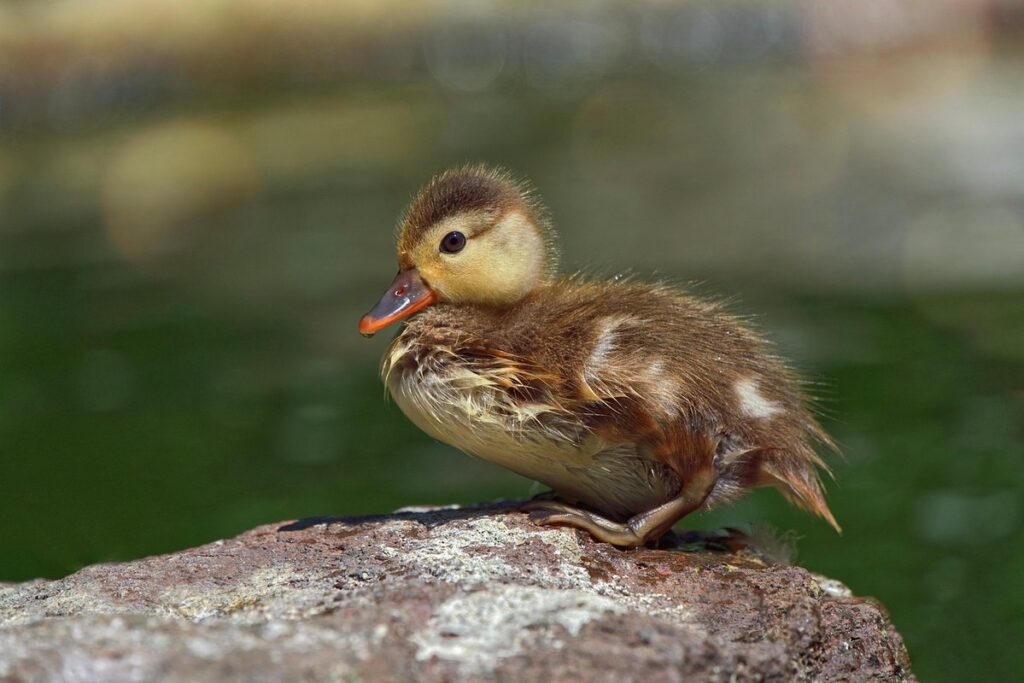
The Risks of Feeding Bread to Ducklings
While it may seem harmless, feeding bread to ducklings can lead to a range of problems that are essential for you to know. Let’s explore these risks together.
Nutritional Imbalance
Bread is often touted as a nutritious food option for ducklings, but the reality is far from it. The truth is that bread lacks essential nutrients, vitamins, and minerals that ducklings require for growth. A diet consisting mainly of bread can lead to nutritional imbalances in ducklings.
Ducklings need a balanced mix of protein, carbohydrates, and fats to thrive. Bread, on the other hand, is primarily composed of empty calories from carbohydrates, which provide no nutritional value. As a result, ducklings fed a diet rich in bread may experience stunted growth, weakened immune systems, and even organ damage.
A diet lacking essential nutrients can also lead to deficiencies in vitamins and minerals. For example, ducklings need vitamin A for healthy vision and skin, but bread is often deficient in this vital nutrient. Similarly, iron deficiency is common in ducklings fed a bread-based diet, leading to anemia and other health problems. Providing ducklings with a balanced and varied diet that includes foods rich in essential nutrients can help prevent these issues.
Choking Hazard
When ducklings consume bread, they often eat it in large pieces or with other debris such as seeds, sticks, and even small rocks. This can lead to a significant choking hazard for these young birds.
As their digestive system is still developing, ducklings may not be able to properly break down these large pieces of food, which can become lodged in their airway or digestive tract. In severe cases, this can cause asphyxiation or even death. The American Society for the Prevention of Cruelty to Animals (ASPCA) reports that a significant number of duckling-related choking incidents occur when they ingest bread.
It’s not uncommon to see bread bits and other debris lodged in a duckling’s crop or digestive tract during necropsy, especially if they have been fed by humans. If you’re concerned about providing your ducklings with the right nutrition, consider offering them a balanced commercial starter feed specifically formulated for young waterfowl.
When interacting with ducklings, make sure to supervise their feeding closely and avoid giving them bread or any other human food items that may pose a choking risk. Instead, opt for healthy treats like leafy greens, chopped fruits, or cooked vegetables, which are safer and more nutritious choices for these young birds.
Impact on Gut Health
Feeding bread to ducklings may seem harmless, but it can have severe consequences on their gut health. A balanced gut microbiome is crucial for the development and overall well-being of ducklings. Bread can disrupt this delicate balance by altering the composition of beneficial bacteria in the gut.
When ducklings eat bread, they are essentially consuming a diet high in carbohydrates and low in nutrients. This can lead to an overgrowth of pathogenic bacteria, causing digestive issues such as diarrhea, vomiting, and even respiratory problems. A study published in the Journal of Avian Medicine and Surgery found that ducks fed a diet rich in bread had significantly lower levels of beneficial bacteria like Lactobacillus and Bifidobacterium.
To maintain your ducklings’ gut health, it’s essential to provide them with a nutrient-rich diet that includes a mix of fruits, vegetables, and commercial duck feed. You can supplement their diet with treats like mealworms or oats, but avoid giving them bread altogether. By making informed choices about your ducklings’ diet, you can help prevent digestive issues and ensure they grow into healthy, thriving birds.
The Benefits of a Balanced Diet for Ducklings
A balanced diet is crucial for ducklings’ growth and development, providing essential nutrients that support healthy feathers, strong bones, and overall well-being. This section explores the key benefits of a well-rounded diet for young ducks.
Importance of Protein-Rich Foods
When it comes to supporting the growth and development of ducklings, providing them with protein-rich foods is crucial. You see, bread may be a tempting option, but it’s lacking in essential nutrients that ducklings need to thrive.
Insects, fishmeal, or commercial duck starter feed are all excellent sources of protein that can help promote healthy growth in your feathered friends. For instance, mealworms are an ideal protein-rich food for ducklings as they’re easy to digest and packed with nutrients. You can also offer them crushed fish flake or commercial duck starter feed which provides a balanced mix of proteins and other essential vitamins.
As a general rule, ducklings require around 20-25% protein in their diet during the first few weeks of life. This is where bread falls short – it contains virtually no protein. So, what can you do? Start by incorporating small amounts of protein-rich foods into your duckling’s diet and gradually increase the amount as they grow. Also, make sure to provide fresh water at all times and a balanced diet that includes fruits, vegetables, and whole grains for optimal health.
Incorporating Fresh Fruits and Vegetables
When it comes to raising healthy and happy ducklings, providing them with a balanced diet is crucial. While bread may seem like an easy solution, it lacks essential nutrients that ducklings need to thrive. This is where incorporating fresh fruits and vegetables comes into play.
Fresh produce offers a wealth of benefits for ducklings. They are rich in vitamins A, C, and E, which help boost their immune system, support healthy growth, and protect against diseases. Leafy greens like kale and spinach provide iron, calcium, and magnesium, essential minerals that promote strong bones, muscles, and feathers.
You can introduce fresh fruits and vegetables to your ducklings’ diet in small amounts, gradually increasing the quantity as they get accustomed to it. For instance, you can sprinkle shredded carrots or chopped apples on top of their regular feed. Some healthy options for ducklings include:
• Leafy greens (kale, spinach, collard greens)
• Berries (strawberries, blueberries, raspberries)
• Sliced cucumbers
• Chopped bell peppers
• Cooked sweet potatoes
Remember to vary the fruits and vegetables regularly to ensure a broad spectrum of nutrients. This will not only keep your ducklings healthy but also encourage foraging behavior and exploration.
Using Whole Grains Wisely
While it’s tempting to feed whole grains to ducklings as a treat or supplement to commercial duck feed, it’s essential to do so wisely. Whole grains can provide valuable nutrients like fiber, vitamins, and minerals that complement the nutrition found in duck pellets.
However, be cautious not to overdo it – whole grains should never displace essential nutrients from your duckling’s main diet. A general rule of thumb is to mix 1-2 tablespoons of whole grain per pound of commercial feed daily. For example, you can sprinkle some oats or barley on top of their regular meal.
When choosing whole grains, opt for plain, unprocessed varieties like brown rice, quinoa, or cracked corn, which are less likely to cause digestive issues compared to refined or processed options. Introduce new grains gradually and monitor your ducklings’ behavior for signs of digestive upset. By incorporating whole grains in moderation, you can provide a nutrient-dense diet that meets your duckling’s needs while avoiding over-reliance on commercial feed.
What Bread Can Be Used for (If Anything)
While bread may be a tasty treat for humans, you’re probably wondering what other uses it could have – and whether that might apply to ducklings. Let’s explore the possibilities!
Baking with Ducklings
If you’re looking for healthier alternatives to bread for baking treats for ducklings, there are several options available. One popular choice is oats. You can use rolled oats, steel-cut oats, or even oat flour as a base for making tasty and nutritious treats.
Another option is brown rice flour. This gluten-free alternative is an excellent source of fiber and nutrients that ducklings need to stay healthy. When baking with brown rice flour, keep in mind that it absorbs liquid differently than traditional wheat flour, so you may need to adjust the ratio of liquid ingredients accordingly.
To get started, try making a simple oat-based treat by mixing together rolled oats, mashed sweet potatoes, and eggs. Spoon the mixture into an ice cube tray and freeze until solid. These bite-sized treats are perfect for ducklings as they provide essential nutrients and are easy to digest.
Remember to always prioritize your duckling’s health and safety when introducing new foods or ingredients. Consult with a veterinarian before making any significant changes to their diet.
Using Bread in Water
When it comes to using bread as a treat for ducklings, one creative way is to soak stale bread in water. This can be a nutritious and hydrating option, especially during hot summer months when your feathered friends need extra fluids. To make this work, simply let the stale bread sit in a bowl of water for about 30 minutes to an hour, allowing it to soften and become easily consumable.
Once softened, you can offer this bread-water mixture to your ducklings as a treat or add it to their drinking water to provide hydration. Just be sure not to overdo it – remember that bread should only supplement their regular diet, not replace it. A good rule of thumb is to limit the amount of bread added to their water to about 1-2 tablespoons per gallon.
When introducing this bread-water mixture, start with a small group of ducklings and monitor their behavior for any signs of discomfort or digestive issues. If everything seems okay, you can gradually increase the amount offered while keeping an eye on your duckling’s overall health.
Feeding Ducklings: A Comprehensive Guide
When it comes to feeding ducklings, their dietary needs are crucial for healthy growth and development. This section will provide essential tips on what to feed your ducklings for optimal nutrition.
Age-Specific Nutrition Needs
As ducklings grow and develop, their nutritional needs change significantly. It’s essential to provide them with the right balance of nutrients at each stage to ensure optimal health and growth. For instance, duckling starter feed is formulated specifically for young birds between 0-4 weeks old, during which they rely heavily on their mother’s milk or a commercial starter feed that provides all necessary protein, vitamins, and minerals.
As ducklings grow into juveniles (around 4-8 weeks), their nutritional requirements shift. They require more protein to support muscle growth and development. A good quality grower feed should be introduced at this stage, which typically contains around 16-18% protein content.
For older ducklings, around 8-12 weeks or more, the focus is on maintaining optimal health through a balanced diet rich in fiber, vitamins, and minerals. Whole grains, fruits, and vegetables can be introduced in moderation to provide variety and ensure they get all necessary nutrients.
Creating a Balanced Diet Plan
When it comes to feeding ducklings, providing a balanced diet plan is crucial for their growth and development. As they grow from vulnerable hatchlings to energetic juveniles, their nutritional needs change rapidly. A well-planned diet will ensure they get the necessary nutrients to thrive.
Start by considering your duckling’s age: Day-old ducklings require more protein than calcium, so a starter feed or a high-protein commercial feed is essential. As they grow into week-olds, you can gradually introduce a mix of starter and finisher feeds. For example, a 1:1 ratio of starter to finisher feed works well for this stage.
Remember that every duckling is different, just like human children. Some may have specific dietary needs due to health conditions or genetic predispositions. Be observant of your ducklings’ individual responses to different foods and adjust their diet accordingly.
Aim to provide a mix of commercial feeds, fruits, vegetables, and treats in moderation. Some examples of nutrient-rich foods for ducklings include leafy greens like kale and spinach, carrots, sweet potatoes, and whole grains like oats or barley. Limit processed foods and bread, as they lack essential nutrients and can be detrimental to their health if fed excessively.
By considering your duckling’s age, size, and individual needs, you’ll create a balanced diet plan that supports their optimal growth and development.
Common Mistakes in Duckling Nutrition
Feeding ducklings bread may seem harmless, but it can lead to nutrient deficiencies and health issues if done incorrectly. Let’s explore some common mistakes to avoid when providing a balanced diet for your young feathered friends.
Overreliance on Bread
Overreliance on bread can have devastating effects on ducklings’ health. It’s natural to want to feed them treats, but bread becomes a problem when it constitutes the bulk of their diet. A single slice of white bread contains about 80 calories and very little nutritional value. Feeding this as a staple can lead to malnutrition in young ducks.
Malnutrition can cause a range of problems including stunted growth, weakened immune systems, and reduced egg production later on. Overfeeding bread also increases the risk of obesity-related issues such as liver disease and heart problems.
It’s essential to introduce your ducklings to a balanced diet from an early age, focusing on nutrient-rich foods like starter feed and vegetables. As they grow older, gradually introduce fruits, grains, and insects to provide essential vitamins and minerals.
Remember, it’s not just about avoiding bread; it’s about creating a well-rounded diet that supports their growth and development. Start by feeding them the right amount of starter feed according to the manufacturer’s instructions and supplement with small amounts of fresh foods. This will help prevent overreliance on treats like bread and ensure your ducklings grow into healthy, thriving ducks.
Lack of Vitamin and Mineral Supplementation
A lack of essential vitamin and mineral supplementation is another common mistake many duckling owners make. When it comes to their diet, ducklings require a wide range of nutrients to grow and develop properly. However, bread is severely lacking in these vital elements. A diet consisting mainly of bread can lead to malnutrition and stunted growth in ducklings.
In fact, vitamin deficiencies are one of the most common issues seen in backyard ducks. A lack of vitamin D, for example, can cause softening of the bones (rickets) while a deficiency in B vitamins can impair feather development and overall health. Minerals like calcium and phosphorus are also crucial for strong bone growth.
To ensure your ducklings receive all the necessary nutrients, it’s essential to provide them with a balanced diet that includes a variety of foods such as fruits, vegetables, and commercial duck pellets. You can also offer supplements specifically formulated for waterfowl, but be sure to follow the manufacturer’s instructions carefully. By doing so, you’ll help prevent malnutrition and stunted growth in your feathered friends, promoting healthy development and a long lifespan.
Conclusion: Prioritizing Duckling Health
Now that we’ve discussed what ducklings can and can’t eat, let’s summarize our top tips for prioritizing their health.
In this final section, we’ll provide a quick rundown of how to keep your feathered friends thriving.
Key Takeaways
When it comes to raising healthy ducklings, providing them with a balanced and nutrient-rich diet is of utmost importance. As we’ve discussed throughout this article, bread is not an ideal food source for ducklings due to its lack of essential nutrients. A poor diet can lead to various health issues in your feathered friends.
To ensure your ducklings receive the necessary nutrients, focus on incorporating a variety of foods into their daily meals. Consider adding fresh vegetables like leafy greens, carrots, and sweet potatoes, as well as fruits such as berries and melons. You can also provide high-protein foods like mealworms or commercial duckling starter feed.
Some essential nutrients to prioritize in your ducklings’ diet include calcium for strong bone development, vitamin D3 for overall health, and omega-3 fatty acids for a shiny coat and robust immune system. By avoiding bread as a primary food source and incorporating these nutrient-rich foods into their meals, you’ll be setting your ducklings up for a healthy and happy life.
Remember to always research specific dietary recommendations for ducklings in your area, as regional differences may affect the availability of certain nutrients.
Supporting Healthy Development
As you continue to provide a nutritious diet for your ducklings, it’s essential to prioritize their healthy development. Proper nutrition lays the foundation for strong growth and overall well-being. Feeding bread to ducklings may seem like a harmless gesture, but it can actually hinder their development in several ways.
Firstly, bread lacks essential nutrients that ducklings need to grow robustly. For instance, bread doesn’t contain sufficient protein, which is vital for muscle development and feather growth. Without adequate protein, your ducklings might experience stunted growth, weakened immunity, and poor feather quality. Additionally, a diet rich in carbohydrates like bread can lead to obesity and other health problems.
To ensure your ducklings thrive, focus on providing a balanced mix of grains, vegetables, fruits, and proteins. You can supplement their diet with duck pellets or crumbles as the main source of nutrition. Freshwater and access to sunlight also play crucial roles in supporting healthy development. By making these simple changes, you’ll be giving your feathered friends the best possible start in life.
Frequently Asked Questions
Can I still use bread as a treat for my ducklings occasionally?
Yes, if you must use bread, make it whole grain or whole wheat, and use it sparingly. However, prioritize nutrient-rich foods to ensure your ducklings’ overall health.
How often should I supplement with vitamins and minerals in their diet?
As ducklings grow, they require an adequate intake of essential vitamins and minerals. Consider consulting a veterinarian for personalized advice on supplementation, especially if you’re new to raising ducklings.
What are some healthy alternatives to bread that my ducklings can enjoy?
Consider incorporating chopped fruits, leafy greens, and vegetables into their diet. These nutrient-rich foods will not only provide variety but also support optimal health.
Can I still use commercial feed alongside a balanced homemade diet for my ducklings?
Yes, you can combine both options if you’re short on time or need extra nutrition insurance. However, prioritize a balanced homemade diet to minimize the risk of malnutrition and ensure healthy development.
How do I know if my ducklings are experiencing nutritional deficiencies due to bread consumption?
Monitor their stool quality, feather condition, and overall energy levels closely. If you notice any adverse effects, reassess your feeding plan and consult with a veterinarian for expert advice on correcting any imbalances.