
If you’re looking to add some excitement to your backyard flock, or simply want to learn about one of the most majestic breeds out there, you might be interested in learning more about the Dark Brahma hen. Hailing from India, this stunning bird has been a prized possession for poultry keepers for centuries, and it’s not hard to see why – with their striking black plumage and gentle nature, they’re a true gem of the chicken world.
In this article, we’ll delve into the fascinating history of the Dark Brahma hen, explore their impressive egg-laying abilities, and provide expert advice on how to care for these magnificent birds. Whether you’re an experienced poultry keeper or just starting out, you’ll discover the many benefits of adding a Dark Brahma to your flock – from their robust health to their friendly demeanor. Let’s take a closer look at what makes these hens so special!
History and Origin of the Dark Brahma
Let’s dive into the fascinating history behind the Dark Brahma, a breed that has been delighting backyard chicken enthusiasts for centuries. This ancient heritage is rooted in its Indian and European origins.
Brief Overview of the Breed’s Background
The Dark Brahma hen’s rich history dates back to 19th-century India, where it was developed from the famous Indian Asils. The breed was highly prized for its striking dark plumage and impressive size, making it a sought-after bird among farmers and backyard enthusiasts alike.
As European poultry breeders became aware of the breed’s exceptional qualities, they began importing Dark Brahmas to their own countries. They were fascinated by the breed’s unique characteristics, including its distinctive coloration and robust build. Through selective breeding, these early imports eventually led to the development of various Dark Brahma strains that can be found worldwide today.
Interestingly, the breed’s name “Brahma” is derived from the Hindu god Brahma, often associated with creation and fertility. This naming convention reflects the bird’s importance as a prolific layer and its ability to thrive in diverse environments. As you consider adding a Dark Brahma hen to your flock, it’s essential to research local breeding lines and regulations regarding exotic birds to ensure a successful introduction.
Key Characteristics That Define the Breed
One of the most distinctive features of the Dark Brahma is its impressive size. As one of the largest domesticated chicken breeds, males can weigh up to 18 pounds and reach heights of over two feet, while females typically tip the scales at around 12-14 pounds. Their massive build makes them a striking presence in any backyard flock.
In terms of egg-laying abilities, Dark Brahma hens are known for their high productivity, producing an average of 200 large brown eggs per year. This is due in part to their robust size and strong constitution, which allows them to withstand the rigors of frequent egg-laying.
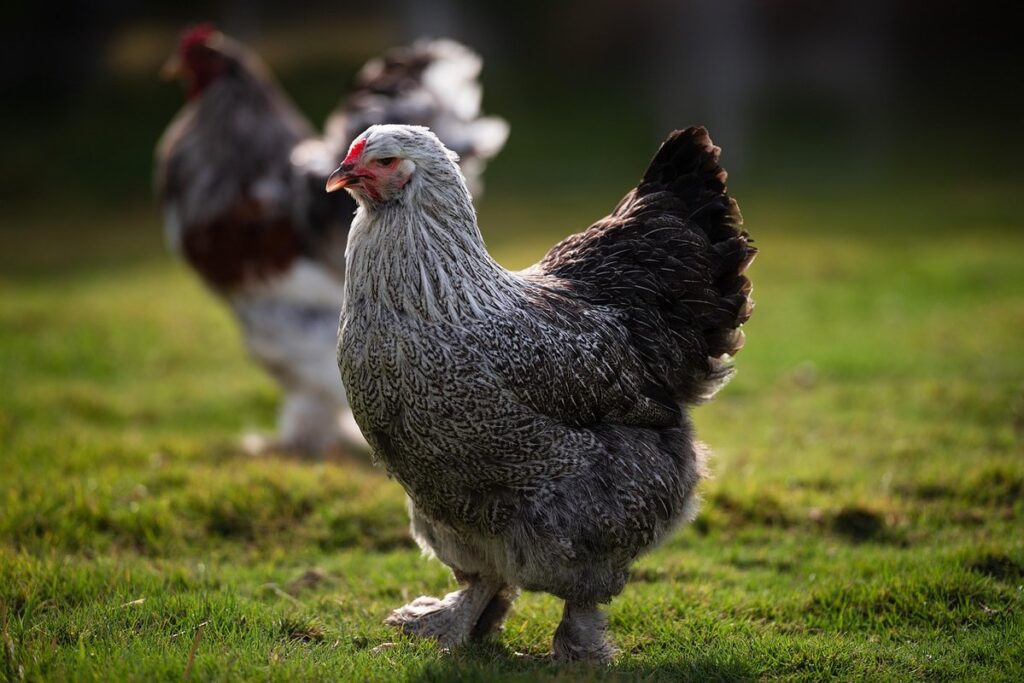
Perhaps most uniquely, Dark Brahmas boast a stunning feather pattern that sets them apart from other breeds. Their plumage features a glossy black coat with distinctive white wing tips and a delicate lacing on their neck feathers. This eye-catching appearance is just one reason why many chicken enthusiasts fall in love with the breed.
When choosing to raise Dark Brahmas, consider selecting birds with well-defined feathering and a sturdy build. Regular exercise and a balanced diet will also help them thrive, ensuring you get the most out of their impressive egg-laying abilities.
Physical Characteristics of the Dark Brahma Hen
The physical characteristics of the Dark Brahma Hen are quite impressive, and understanding them is essential to determining if this breed is right for you. Let’s dive into their unique features.
Plumage and Coloration
The dark plumage of the Dark Brahma Hen is one of its most distinctive and striking features. Unlike other breeds that boast vibrant colors, the Dark Brahma’s plumage is characterized by a deep, rich brown hue with subtle undertones of black and gray. This dark coloration serves as a natural camouflage in shaded areas, allowing the bird to blend seamlessly into its surroundings.
Variations in color can occur within the breed, resulting in birds with slightly lighter or darker tones. However, these variations do not compromise the breed’s overall appearance or quality. In fact, some breeders intentionally select for these subtle variations to create unique and stunning individuals.
It’s worth noting that the Dark Brahma Hen’s plumage is also incredibly durable and resistant to wear and tear. This is due in part to its unique feather structure, which features stiff quills and a dense undercoat that provides excellent insulation against the elements. By understanding the characteristics of the Dark Brahma’s plumage, you can better appreciate this breed’s beauty and resilience.
Body Type and Size
The Dark Brahma hen is a majestic breed known for its impressive size and muscular build. On average, a mature Dark Brahma hen can weigh between 10-14 pounds (4.5-6.3 kg), making them one of the larger breeds of domesticated chickens. Their large frame is supported by strong legs and feet, which are well-suited for standing on wet or uneven ground.
One of the key characteristics of the Dark Brahma hen’s body type is its muscular structure. They have a broad, deep chest and well-sprung ribs, which allow them to fill out their impressive size without appearing too lean. This combination of muscle mass and bone density makes them incredibly hardy and adaptable to different living conditions.
When choosing a breed for your backyard flock, consider the space you have available. Dark Brahmas require more room to roam than smaller breeds, so be sure to provide them with plenty of space to move around outside of their coop. With proper care and attention, these gentle giants will thrive in your poultry keeping endeavors.
Egg-Laying Abilities of the Dark Brahma Hen
When it comes to egg-laying, the Dark Brahma hen is a reliable performer, consistently producing brown eggs that are both large and rich in flavor. Let’s take a closer look at their impressive egg-laying abilities.
Average Egg Production and Quality
When it comes to egg production, Dark Brahma hens are known for their impressive output. On average, a mature Dark Brahma hen will lay around 200-220 large brown eggs per year. This is significantly higher than many other heritage breeds, making them an excellent choice for backyard farmers and homesteaders.
The quality of the eggs produced by Dark Brahma hens is also noteworthy. Their eggs are typically large in size, with a deep brown color and a firm, smooth texture. The egg yolks are rich and creamy, thanks to the hen’s diverse diet and stress-free living conditions.
Several factors can influence egg production in Dark Brahma hens. For example, nutrition plays a critical role – these birds require a balanced diet that includes plenty of protein, calcium, and other essential nutrients. Access to fresh water, adequate shelter, and regular exercise also contribute to optimal egg laying.
To maximize your Dark Brahma hen’s egg production, make sure they have access to plenty of space to roam, a balanced feed that meets their nutritional needs, and regular veterinary care to prevent health issues. With proper care and management, you can enjoy an abundance of delicious, high-quality eggs from your Dark Brahma hens.
Factors That Affect Egg Laying in Dark Brahmas
When it comes to egg-laying abilities, Dark Brahmas are known for their high production rates. However, several factors can impact their performance. Nutrition plays a significant role in maintaining optimal health and fertility. A balanced diet rich in protein, calcium, and vitamins is essential to support egg production.
For instance, providing access to oyster shells or crushed eggshells as a supplement can help ensure Dark Brahmas get enough calcium for strong eggshell formation. However, overfeeding or underfeeding can have detrimental effects on their reproductive system.
Health issues such as respiratory problems, parasites, and diseases can also hinder egg-laying capabilities. Regular health checks and maintaining good hygiene practices in the coop are crucial to preventing these issues.
Living conditions, including adequate space per bird, ventilation, and temperature control, also impact egg production. Dark Brahmas require a comfortable living environment to thrive, which includes sufficient room for movement, access to fresh air, and protection from extreme temperatures.
Care and Management of Dark Brahma Hens
To keep your dark Brahma hens happy and healthy, it’s essential to understand their specific care and management needs, which differ from other breeds. Let’s dive into the details of their unique requirements.
Housing Requirements for Healthy Birds
Dark Brahmas require spacious housing that allows them to move freely and comfortably. A good rule of thumb is to provide at least 2-3 square feet per bird inside the coop and 5-10 square feet outside in a fenced area for exercise. This is crucial as they can grow quite large, reaching up to 4 pounds.
Proper ventilation is also essential to prevent ammonia buildup from their droppings. Ensure there are adequate windows and airflow to keep the air fresh and clean. You can install vents or windows that open automatically to regulate temperature and humidity levels.
Protection from predators is another vital consideration. Dark Brahmas are prey animals, so they need a safe enclosure that keeps them secure from foxes, coyotes, raccoons, and hawks. Use sturdy fencing around the coop and run, with openings no larger than 1 inch in diameter to prevent escape or predator entry.
Consider adding roof overhangs and covered areas for protection during extreme weather conditions. Always prioritize bird safety and security when designing their housing.
Nutrition and Health Considerations
When it comes to caring for Dark Brahmas, nutrition and health considerations are crucial to their well-being. These gentle giants require a balanced diet that meets their nutritional needs. A high-quality layer feed specifically formulated for large breeds like Dark Brahmas is essential. You should also provide them with access to fresh fruits and vegetables daily, such as leafy greens, carrots, and apples.
It’s also vital to consider vaccination recommendations for your Dark Brahmas. Consult with a veterinarian to determine the best vaccination schedule for your flock, taking into account factors such as climate, disease prevalence in your area, and age of the birds. Some common health issues to watch out for include obesity, egg binding, and respiratory problems.
Regular monitoring of their health is crucial to catch any potential issues early on. Keep an eye out for signs of illness, such as changes in appetite, drooping wings, or labored breathing. With proper care and attention to nutrition and health considerations, your Dark Brahmas will thrive and lead happy, healthy lives.
Benefits of Keeping Dark Brahma Hens
Keeping dark Brahma hens as pets offers a range of benefits, from their gentle nature to their impressive egg-laying abilities. Let’s explore these advantages in more detail.
Reasons Why Breeders and Farmers Choose This Breed
Many breeders and farmers choose to keep Dark Brahmas due to their exceptional characteristics. One of the primary reasons is their docile nature, which makes them an ideal choice for backyard flocks and commercial farms alike. These hens are known to be friendly and easy-going, allowing them to thrive in a variety of environments.
In addition to their temperament, Dark Brahmas are also renowned for their impressive egg-laying abilities. With regular care and nutrition, they can produce up to 200 large brown eggs per year, making them a valuable asset to any farm or homestead. Their high fertility rate also ensures that the eggs will hatch successfully, if desired.
Their attractive appearance is another significant draw for breeders and farmers. Dark Brahmas have stunning plumage with intricate patterns of black and white feathers, adding visual appeal to any flock.
Tips for Integrating Dark Brahmas into a Flock
When introducing Dark Brahmas into an existing flock, it’s essential to consider their gentle nature and large size. Start by isolating the new birds for a few days to ensure they’re healthy and acclimate them to their surroundings. Gradually introduce them to the rest of the flock under close supervision, monitoring body language and behavior. It’s not uncommon for dominant hens to establish themselves quickly, so be prepared to intervene if necessary.
When breeding Dark Brahmas, consider their fertility rates, which are similar to other large breeds. Plan ahead by selecting a suitable sire with desirable traits, such as size, feather quality, or egg-laying ability. Regularly inspect your birds for signs of health issues, like obesity or musculoskeletal problems, and prioritize genetic diversity within your flock.
For showing Dark Brahmas, focus on developing their unique characteristics through selective breeding. Pay attention to plumage quality, posture, and overall appearance. Regular grooming is essential to maintain their impressive feathers. With patience and dedication, you can develop a stunning exhibit bird that showcases the breed’s beauty and majesty.
Breeding and Showing the Dark Brahma Hen
If you’re planning to breed or show your Dark Brahma hen, it’s essential to understand the characteristics that make them a top choice among poultry enthusiasts. We’ll cover the specific needs and requirements for successful breeding and showing.
Essential Characteristics for Show Birds
When presenting your Dark Brahma hen at a show, it’s essential to demonstrate that she possesses the key characteristics judges look for. First and foremost, plumage quality is crucial. Judges evaluate the bird’s overall appearance, including the color, texture, and condition of her feathers. A well-groomed hen with clean, smooth feathers will make a more impressive showing than one with matted or dull plumage.
Another critical aspect is body type. The Dark Brahma breed is known for its sturdy build and muscular physique, so judges will be looking for birds that exhibit these characteristics. A bird with a strong, straight back and well-proportioned wings and tail will score higher than one with a weak or mismatched frame.
Finally, egg-laying ability is also taken into consideration. While not all show birds are expected to lay eggs, those that do should demonstrate a moderate to high rate of production. This not only showcases the bird’s reproductive health but also its overall vitality and vigor. To ensure your hen meets these expectations, focus on providing her with a balanced diet, adequate space, and regular veterinary care.
Tips for Successful Breeding Programs
Establishing a successful breeding program for Dark Brahma hens requires careful consideration of several key factors. When selecting parents, look for birds with desirable traits such as good temperament, fertility, and egg-laying ability. It’s essential to choose parents that are compatible and will produce offspring with the desired characteristics.
To manage fertility effectively, monitor your flock’s reproductive cycle closely and ensure that roosters are introduced at the right time to prevent over-breeding or under-breeding. A general rule of thumb is to introduce roosters to females when they are around 18-20 weeks old and continue breeding for about 6 months.
Offspring quality can be monitored by keeping a close eye on their growth rate, egg-laying ability, and overall health. You should also keep records of each bird’s ancestry to identify any trends or issues in your flock. Regularly evaluating the performance of your birds will help you make informed decisions when selecting parents for future breeding programs.
When choosing birds for breeding, prioritize those with strong bloodlines and a proven track record of producing high-quality offspring.
Conclusion: The Value of Dark Brahma Hens in Modern Poultry Keeping
In conclusion, the Dark Brahma Hen is an exceptional addition to any poultry keeping endeavor. Their calm demeanor and docile nature make them an ideal choice for small farms or backyard flocks. By incorporating Dark Brahma Hens into your flock, you can benefit from their impressive egg-laying abilities, with some individuals producing up to 200 large brown eggs per year.
Their robust build also makes them a hardy breed, capable of tolerating extreme weather conditions and diseases common in poultry. As we’ve seen throughout this guide, the Dark Brahma Hen is an adaptable and resilient bird that can thrive in various environments. If you’re considering adding Dark Brahma Hens to your flock, remember to research local regulations and ensure you provide them with adequate space and care for optimal health and productivity.
Frequently Asked Questions
Can I raise Dark Brahma hens for their meat, or are they primarily egg-layers?
Yes, while Dark Brahmas are known for their impressive egg-laying abilities, they can also be raised for meat production. Their large size and robust health make them a popular choice among backyard chicken enthusiasts looking to diversify their protein sources.
How do I integrate new Dark Brahma hens into an existing flock, especially if there’s a mix of ages and breeds?
Introducing new birds to an existing flock can be challenging. To ensure a smooth transition, it’s essential to follow proper integration protocols: start by introducing the new hens to their enclosure separately for a few days, then gradually introduce them to the rest of the flock under close supervision.
What are some common health issues I should watch out for in Dark Brahma hens?
Dark Brahmas are generally robust and hardy birds. However, like all breeds, they can be prone to certain health issues: beak overgrowth, leg problems, and respiratory infections. Regular veterinary check-ups, proper nutrition, and maintaining a clean living environment will help minimize the risk of these conditions.
Can I breed Dark Brahma hens without prior experience in poultry breeding?
While it’s possible to raise Dark Brahmas as backyard chickens even without extensive experience in poultry breeding, successfully breeding them requires knowledge of genetics, mating strategies, and incubation techniques. If you’re new to breeding, consider consulting with an experienced breeder or taking a course on poultry breeding basics.
How do I handle broody behavior in my Dark Brahma hens, especially if it becomes a regular occurrence?
Broodiness can be a challenge for many backyard chicken keepers. If your Dark Brahma hen is exhibiting frequent broody behavior, try separating her from the rest of the flock or providing an area specifically designed for her to nest and raise chicks without disturbing the others.