
When it comes to choosing the perfect breed for your backyard flock or commercial farm, you might have considered the many benefits of dark brown egg breeds. Not only do these birds offer an attractive twist on traditional egg-laying, but they also bring a range of advantages in terms of nutrition and sustainability. From their rich, chocolate-brown eggs to their robust health and adaptability, dark brown egg breeds are making waves among chicken enthusiasts worldwide.
In this article, we’ll delve into the fascinating world of these unique birds, exploring their history, characteristics, and benefits in more detail. Whether you’re a seasoned farmer or just starting out with backyard chickens, we’ll cover everything from nutritional advantages to unique appearances, helping you decide if dark brown egg breeds are right for you. Let’s crack open the story behind these incredible birds!
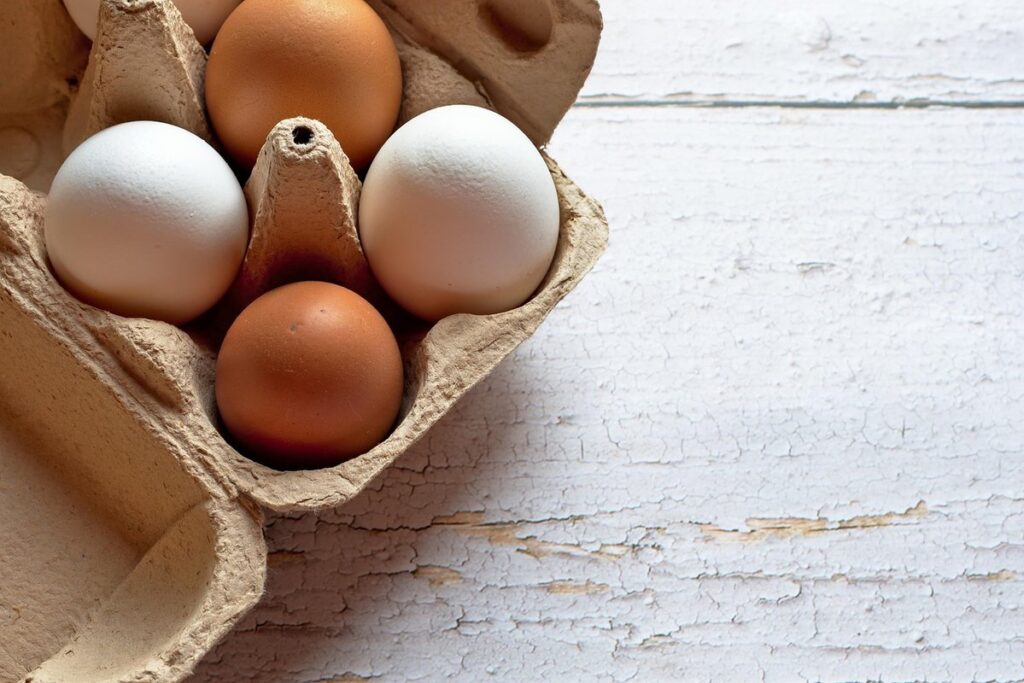
What Are Dark Brown Egg Breeds?
Let’s dive into what makes a dark brown egg breed, and explore some of the fascinating characteristics that set these birds apart from others. We’ll start by examining their unique traits.
Characteristics of Dark Brown Eggs
Dark brown eggs are a sight to behold, and their physical characteristics set them apart from other egg types. One of the most distinctive features of dark brown eggs is their rich, deep color. The shade can range from a reddish-brown to a nearly black hue, depending on the breed and environmental factors. This unique coloration comes from the combination of pigments in the hen’s diet, such as carotenoids found in plants like marigold flowers or alpha-carotene found in dark leafy greens.
In terms of size, dark brown eggs tend to be slightly larger than white eggs, with an average weight of around 50-55 grams. This is due to the breed characteristics and the hen’s overall health, which can affect egg production. The shape of dark brown eggs is also distinctive, often having a more elongated or oval shape compared to other breeds.
When selecting dark brown eggs from your farm or store, look for those with clean, unblemished shells and firm whites. This will ensure that you’re getting the freshest possible eggs.
Nutritional Benefits of Dark Brown Eggs
Dark brown eggs have gained popularity in recent years due to their superior nutritional profile compared to white or light-brown eggs. If you’re considering switching to dark brown eggs for your family’s diet, it’s essential to understand the benefits they offer.
One of the primary advantages of dark brown eggs is their higher content of omega-3 fatty acids. These healthy fats are crucial for brain function, heart health, and inflammation regulation. Dark brown eggs typically contain around 40% more omega-3s than white eggs. This makes them an excellent choice for individuals looking to boost their omega-3 intake.
Dark brown eggs also tend to be richer in vitamins A and E compared to other egg breeds. These antioxidants play a vital role in maintaining healthy skin, hair, and eyesight. Additionally, the higher antioxidant levels found in dark brown eggs may help reduce oxidative stress and inflammation within the body.
When choosing dark brown eggs for your family’s diet, look for labels that indicate “rich in omega-3s” or “high in antioxidants.” This will ensure you’re getting the most nutritional benefits from your purchase. Consider incorporating dark brown eggs into your omelette recipes, breakfast burritos, or hard-boiled snacks to reap their rewards.
History and Origin of Dark Brown Egg Breeds
Dark brown egg breeds have a rich history that spans centuries, originating from specific regions where their unique characteristics were highly valued. Let’s dive into how these beloved breeds came to be.
Ancient Origins of Dark Brown Egg-Laying Chickens
Dark brown egg-laying chickens have a rich and fascinating history that dates back thousands of years. One of the earliest recorded mentions of dark-brown eggs comes from ancient Egypt around 2000 BC. These birds were highly valued for their ability to produce large, dark-brown eggs, which were seen as a symbol of fertility and prosperity.
As civilizations rose and fell in Greece and Rome, dark brown egg-laying chickens continued to be prized for their unique characteristics. The Greeks, in particular, took great interest in breeding these birds for their excellent egg-laying abilities. Archaeologists have discovered evidence of chicken breeding programs in ancient Greece, with a focus on developing breeds that produced large, dark-brown eggs.
These early examples demonstrate the importance of dark brown egg-laying chickens throughout history. Their unique characteristics made them highly sought after by ancient civilizations, and they remain popular among backyard chicken keepers today due to their hardiness, gentle nature, and high egg production.
Development of Modern Dark Brown Egg Breeds
The development of modern dark brown egg breeds has been a significant focus for many poultry breeders and researchers. With advancements in genetic selection and breeding techniques, new dark brown egg breeds have emerged with improved characteristics such as increased egg production, enhanced fertility, and better disease resistance.
Some notable examples include the Marans 66, which originated from the French region of Normandy, and the Welsummer, a Dutch breed known for its distinctive terracotta-brown eggs. These modern breeds have undergone rigorous selection processes to optimize their reproductive performance, resulting in higher egg yields and improved fertility rates.
In addition to these specific breeds, many commercial operations are now adopting cross-breeding programs to develop dark brown egg-laying hybrids with superior production traits. This approach has enabled farmers to produce high-quality eggs while meeting growing consumer demand for diverse and exotic egg options.
By embracing advanced breeding technologies, modern breeders can create more robust and resilient dark brown egg breeds that cater to the needs of both consumers and producers. As the demand for diverse egg products continues to rise, continued innovation in this area will be crucial to meet market expectations.
Popular Dark Brown Egg-Laying Chicken Breeds
If you’re looking for a new addition to your backyard flock, we’ve rounded up some of our favorite popular dark brown egg-laying chicken breeds that are sure to impress. From Marans to Barnevelders, you’ll love them all!
1. Marans Breed Characteristics
The Marans breed is one of the most recognizable and beloved dark brown egg-laying chicken breeds. Originating from France, this ancient breed has a rich history dating back to the 13th century. Known for their distinctive dark chocolate-brown eggs, Marans are highly sought after by backyard chicken enthusiasts.
In terms of temperament, Marans are considered friendly and docile birds. They make great additions to small farms or homesteads, as they are relatively low-maintenance and easy to handle. However, be warned that they can be a bit more aggressive when it comes to protecting their territory and young.
As far as productivity goes, Marans are known for their high egg-laying abilities. On average, a healthy Marans hen will lay around 150-160 brown eggs per year, with some reports of up to 200 or more. Their dark chocolate-brown eggs are not only visually stunning but also have a richer flavor and firmer texture than other breeds.
If you’re considering adding Marans to your flock, be prepared for their strong personalities and potential noise levels. With proper care and attention, however, they can make wonderful additions to any backyard chicken operation.
2. Welsummer Breed Overview
The Welsummer breed has its roots in the Netherlands, where it was first developed in the early 20th century. This striking breed is not only a delight to look at but also a high-performing egg-layer. Welsummers are known for their dark brown eggs, which can range from a rich chocolate color to a deep terracotta hue.
On average, a healthy Welsummer hen will lay around 150-180 large, dark brown eggs per year. This makes them an excellent choice for backyard flocks and small-scale egg producers who want a reliable source of fresh, dark brown eggs. One of the standout features of the Welsummer breed is their striking appearance. They have a distinctive black-and-red plumage with a silvery sheen, which gives them a unique and attractive look.
If you’re considering adding Welsummers to your flock, be prepared for their energetic and curious nature. They require regular exercise and mental stimulation to stay happy and healthy. With proper care and attention, Welsummers can thrive in backyard flocks and provide a steady supply of delicious, dark brown eggs.
3. Barnevelder Breed Profile
The Barnevelder breed is a popular choice among chicken enthusiasts due to its attractive plumage and high egg production. One of the most notable characteristics of this breed is its friendly nature, making them an excellent addition to small farms or backyard flocks. They are relatively low-maintenance birds that thrive in a variety of environments.
In terms of egg production, Barnevelders are capable of laying around 200-220 large dark brown eggs per year. This high productivity makes them a sought-after breed for families and homesteads relying on their eggs as a primary source of fresh produce. Their attractive plumage is another significant advantage, with a mix of black, blue, and copper feathers creating a striking appearance.
If you’re considering adding Barnevelders to your flock, be prepared to offer them plenty of space to roam and forage. They require regular exercise and a balanced diet to maintain their health and egg-laying abilities. With proper care, these birds can become long-term companions and reliable suppliers of fresh dark brown eggs.
Raising Dark Brown Egg-Laying Chickens: Tips and Advice
If you’re thinking of adding dark brown egg-layers to your flock, it’s essential to know how to care for these birds so they stay healthy and happy. This section offers practical advice on raising dark brown egg-chickens successfully.
Choosing the Right Feed for Your Flock
When it comes to raising dark brown egg-laying chickens, providing them with the right feed is crucial for their health and productivity. As a chicken keeper, you want to ensure that your flock is getting the nutrients they need to thrive.
First and foremost, consider the nutrient content of the feed. Dark brown egg-laying breeds require a balanced diet rich in protein, calcium, and phosphorus. Look for feeds with high-quality ingredients such as whole grains, legumes, and vegetables. Avoid fillers like corn and soybean meal, which may provide empty calories but lack essential nutrients.
Also, consider your breed’s specific needs. For example, some breeds, like the Marans, have a higher calcium requirement due to their shell thickness. You’ll want to choose a feed that addresses these unique needs. Additionally, be mindful of the age and life stage of your chickens. Chicks require different nutrient profiles than laying hens.
In general, aim for a feed with a minimum protein content of 16% and a calcium content of at least 2%. You can also supplement their diet with fresh fruits and vegetables to ensure they’re getting all the essential nutrients. Always consult with a veterinarian or poultry expert if you have any doubts about your flock’s nutritional needs.
Providing Adequate Space and Exercise
When it comes to raising dark brown egg-laying chickens, providing adequate space and exercise is crucial for their overall health and well-being. These birds need room to move around, stretch their wings, and engage in natural behaviors like pecking and scratching.
Dark brown egg breeds are active birds that require a significant amount of space to roam and forage. A good rule of thumb is to provide at least 4-6 square feet of floor space per bird inside the coop, with an additional 8-10 square feet of outdoor run area. This will give them enough room to exercise and engage in their natural behaviors without getting bored or stressed.
In addition to providing sufficient physical space, it’s also essential to offer regular opportunities for exercise and enrichment. You can do this by creating a stimulating outdoor environment with toys, obstacles, and scratching posts. For example, you can add a sandbox or a designated digging area where your chickens can burrow and forage. By prioritizing space and exercise, you’ll help keep your dark brown egg-laying hens happy, healthy, and productive.
Health Considerations for Dark Brown Egg Breeds
When it comes to raising dark brown egg breeds, it’s essential to be aware of the potential health issues that can affect these birds. Dark brown egg layers are prone to certain health problems due to their unique characteristics and genetic makeup.
For example, some dark brown egg breeds, such as Marans and Welsummers, are more susceptible to fungal diseases like blackhead, which can cause respiratory problems and liver damage if left untreated. Vaccinations can help prevent these conditions, so be sure to consult with a veterinarian or poultry expert to determine the best vaccination schedule for your flock.
Parasite control is also crucial when raising dark brown egg breeds. These birds are more prone to internal parasites like coccidiosis, which can lead to weight loss and decreased egg production if not managed properly. Regular deworming and maintaining clean living conditions can help minimize parasite-related health issues.
Regular check-ups with a veterinarian and maintaining accurate flock records can also help identify potential health problems early on, allowing for prompt treatment and minimizing the risk of disease outbreaks.
Uses for Dark Brown Eggs: Cooking and Baking Ideas
Now that you know more about dark brown egg breeds, let’s dive into some delicious ways to use them in your kitchen, from breakfast dishes to baked treats.
Using Dark Brown Eggs in Baked Goods
When it comes to using dark brown eggs in baked goods, you’ll notice that they add a richer, deeper flavor and a more tender crumb. This is due to their higher fat content compared to white eggs. For cakes, try substituting two of the three large white eggs with one large dark brown egg – this will not only enhance the flavor but also provide a moist texture.
When it comes to cookies, dark brown eggs can be used as a replacement for up to 50% of the total egg count without affecting the texture. Simply use one large dark brown egg in place of two small white eggs and adjust the liquid content accordingly. This will result in chewier cookies with a deeper flavor profile.
When making breads, such as a rustic Italian bread or a hearty whole-grain loaf, use one to three dark brown eggs per recipe. The extra moisture from the eggs will help create a more tender crumb and a better crust texture. Additionally, consider adding other ingredients like honey, molasses, or coffee to enhance the flavor of your baked goods even further.
Remember that when working with dark brown eggs, you may need to adjust the liquid content in your recipe slightly due to their higher moisture content.
Incorporating Dark Brown Eggs into Breakfast Dishes
When it comes to incorporating dark brown eggs into breakfast dishes, the possibilities are endless. One of the best ways to showcase their rich flavor and texture is through omelets. Simply whisk 2-3 dark brown eggs with salt, pepper, and any desired fillings (such as diced ham or shredded cheese), then cook them in a skillet until set. Fold the omelet in half and serve hot.
For a more substantial breakfast option, consider making a frittata using dark brown eggs. Whisk 4-6 eggs with salt, pepper, and grated Parmesan cheese, then add diced vegetables (such as bell peppers or onions) and cook them in a skillet until set. Transfer the mixture to a baking dish and bake at 375°F for 15-20 minutes.
Quiches are another great way to use dark brown eggs in breakfast dishes. Mix 2-3 beaten eggs with heavy cream, shredded cheese, and diced ham or bacon, then pour the mixture into a pie crust and bake at 375°F for 25-30 minutes. The result is a creamy, savory quiche that’s perfect for brunch or dinner.
Remember, dark brown eggs are just as versatile as their lighter counterparts, so don’t be afraid to experiment with different recipes and fillings.
Conclusion: Why Choose Dark Brown Egg Breeds?
Now that you’ve learned about the benefits and characteristics of dark brown egg breeds, let’s summarize why they’re an excellent choice for your backyard flock.
Summary of Benefits and Advantages
Choosing dark brown egg breeds can offer numerous benefits and advantages for backyard chicken keepers and commercial farmers alike. One of the primary advantages is their ability to thrive in a variety of climates and environments. Dark brown egg breeds are often more resistant to disease and stress, making them an excellent choice for small-scale or commercial operations.
Their hardiness also translates into higher egg production rates, with some breeds laying up to 200 eggs per year. Additionally, dark brown egg breeds tend to be quieter than their white counterparts, making them a better fit for backyard flocks where noise is a concern.
For farmers looking to diversify their product offerings, dark brown egg breeds can also provide a unique selling point. Their distinctive eggs are in high demand among consumers who value the nutritional benefits and rich flavor associated with darker egg yolks. By incorporating dark brown egg breeds into their operations, farmers can differentiate themselves from competitors and tap into this growing market trend.
Final Thoughts on Dark Brown Eggs
As you’ve made it through our comprehensive guide to dark brown egg breeds, we hope you’re as captivated by these unique birds as we are. Dark brown eggs are not just a novelty; they offer a distinct flavor profile and a rich, earthy color that’s sure to add visual appeal to your breakfast plate.
If you’re feeling adventurous, why not give dark brown eggs a try? You might be surprised at how easily they adapt into your regular egg routine. In fact, many home cooks find that the slightly sweeter taste of dark brown eggs pairs perfectly with herbs like thyme and rosemary. Don’t be afraid to experiment and find your own favorite ways to showcase these special eggs.
One final thought: the benefits of choosing a dark brown egg breed extend far beyond the kitchen. By supporting local farmers who specialize in heritage breeds, you’re helping preserve genetic diversity and promote sustainable agriculture practices – all while enjoying some truly exceptional eggs!
Frequently Asked Questions
What are the most important factors to consider when choosing a dark brown egg breed for my backyard flock?
When selecting a breed, prioritize factors such as climate adaptability, egg production rate, and temperament. Consider breeds like Marans, Welsummer, or Barnevelder, which are known for their hardiness and rich, dark eggs. Research each breed’s specific needs and characteristics to ensure the best fit for your flock.
Can I raise dark brown egg breeds in a small backyard space?
Yes, with proper planning and attention to detail, you can successfully keep dark brown egg breeds in a smaller yard. Consider vertical farming techniques or use of coops to maximize space efficiency. Also, make sure to provide adequate shelter, ventilation, and access to food and water for your birds.
How do I incorporate dark brown eggs into my diet?
Dark brown eggs offer unique nutritional benefits due to their rich, dark pigment. Use them in place of regular eggs in baked goods, such as breads, cakes, or pastries. You can also use them in omelets, frittatas, or quiches for a boost of antioxidants and vitamins.
What are some common health considerations when raising dark brown egg breeds?
Be aware that dark brown egg breeds may be more prone to certain health issues, such as feather pecking or respiratory problems. Provide regular veterinary check-ups and maintain a clean, well-ventilated coop to prevent these issues. Also, consider using supplements or probiotics to support your birds’ immune systems.
How do I know which feed is best for my dark brown egg breed?
When choosing a feed, look for options that are high in protein (18-20%) and balanced with essential nutrients like calcium and phosphorus. Consider using organic or non-GMO feeds to ensure the health and well-being of your birds. Consult with a veterinarian or poultry expert to determine the best diet for your specific breed.