
Are you looking to add some rich flavor and texture to your eggs? Then, you’ll want to consider getting yourself some dark brown egg-laying chicken breeds! These beautiful birds not only produce deliciously darker eggs but also bring a unique charm to any backyard flock. But with so many breeds out there, it can be hard to know where to start. That’s why we’ve put together this comprehensive list of the best dark brown egg-laying chicken breeds.
In this article, we’ll take you on a journey through some of the most popular and nutritious breeds, highlighting their unique characteristics, nutritional benefits, and what sets them apart from other laying hens. We’ll also cover how to choose the right breed for your flock, including factors like climate adaptability and egg production levels. Whether you’re an experienced chicken keeper or just starting out, this list has got you covered!
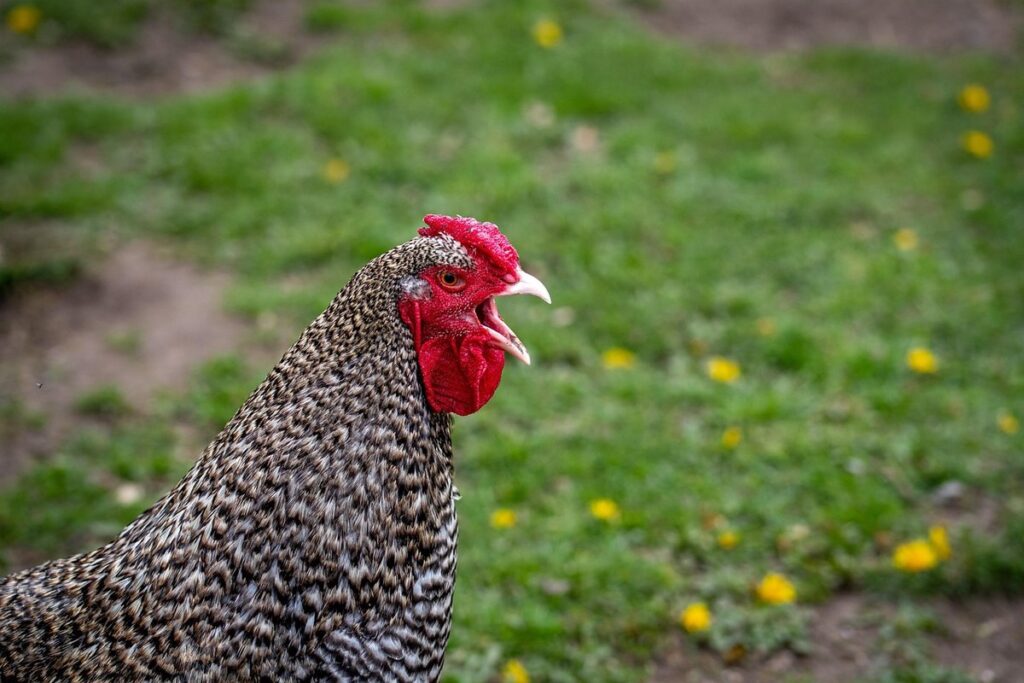
Understanding Dark Brown Eggs and Their Benefits
Let’s take a closer look at what sets dark brown eggs apart from their lighter counterparts, and explore the benefits they bring to our plates.
Introduction to Dark Brown Eggs
If you’re new to backyard chicken keeping, you might have heard of dark brown eggs but aren’t quite sure what all the fuss is about. Let’s start with the basics: dark brown eggs are, well, exactly that – eggs with a rich, deep brown color. They owe this coloring to the hen’s genetics and diet, which can also impact the egg’s overall quality.
The main reason some chicken keepers prefer dark brown eggs over others lies in their perceived nutritional value. The pigment responsible for the brown color is called protoporphyrin, which is said to have antioxidant properties that could potentially enhance the nutritional profile of the egg. While this claim hasn’t been extensively scientifically proven, many enthusiasts swear by the taste and health benefits associated with dark eggs.
In terms of practicality, choosing a breed known for laying dark brown eggs can add some excitement to your backyard flock. These breeds often have unique characteristics that make them stand out from more common varieties.
Nutritional Value of Dark Brown Eggs
When it comes to dark brown eggs, you’re not only getting a delicious and richly colored addition to your breakfast plate, but also a nutritional powerhouse. Compared to white or light-brown eggs, dark brown eggs have a significantly higher content of nutrients that can boost your health.
One of the key differences lies in the antioxidants present in dark brown eggs. Studies have shown that these eggs contain more carotenoids and lutein than their lighter counterparts. These compounds are crucial for protecting your eyesight, reducing inflammation, and fighting off diseases. Dark brown eggs also contain higher levels of omega-3 fatty acids, which support heart health and brain function.
But what about the yolk? It’s often considered the most nutritious part of an egg, and dark brown eggs deliver in this department too. With a richer concentration of vitamins A, E, and K2, these eggs can help regulate your immune system, promote healthy skin, and even support bone density. If you’re looking to upgrade your egg game, consider choosing dark brown eggs from breeds like the Marans or the Barnevelder. Not only will they add a pop of color to your plate, but they’ll also provide a nutritional boost that’s hard to beat.
Choosing the Right Breed for Your Flock
When it comes to choosing the right breed for your flock that lays dark brown eggs, there are several key factors to consider. First and foremost, you’ll want to think about egg production rate. Some breeds, like Marans, can produce up to 200 large, dark brown eggs per year, while others may lay closer to 180-190 eggs annually. Consider how many eggs your family uses each week and choose a breed that meets or exceeds that demand.
Temperament is also an essential consideration when selecting a breed. Dark brown egg layers are often known for their friendly, docile nature, but some breeds can be more aggressive than others. For example, the Marans is generally considered to be one of the friendlier breeds, while the Barnevelder can be a bit more feisty.
To get an idea of which breed might be right for you, research different varieties and read reviews from other owners. You may also want to consider visiting a local farm or breeder to see the birds in person before making a decision. By taking these factors into account, you’ll be able to choose a breed that not only meets your egg needs but also provides a happy, healthy home for your new feathered friends.
Popular Dark Brown Egg Laying Chicken Breeds
Let’s dive into some of the most popular dark brown egg laying chicken breeds that are perfect for backyard flocks and small farms alike. From Barred Rocks to Wyandottes, we’ll explore them all.
1. Marans Breed Overview
The Marans breed is one of the most sought-after dark brown egg laying chicken breeds. Originating from France, this breed has a rich history dating back to the 19th century. One of its distinctive features is its iridescent feathers that appear to change colors in the light, giving it an otherworldly appearance.
In terms of characteristics, Marans chickens are known for their calm and docile nature, making them an excellent choice for backyard flocks. They are also relatively quiet, which is a plus for those who live in close proximity to neighbors. Adult Marans chickens typically weigh around 6-8 pounds, with hens reaching egg-laying maturity at about 20 weeks of age.
As for their egg-laying abilities, Marans hens are prolific layers, producing an average of 150-200 dark brown eggs per year. Their eggs have a rich, earthy tone and a slightly firmer texture than other breeds. While they may not be the most prolific layers in terms of sheer quantity, Marans eggs are highly prized for their unique appearance and rich flavor.
2. Welsummer Breed Profile
The Welsummer breed is one of the most sought-after dark brown egg laying chicken breeds among enthusiasts. Hailing from the Netherlands, this robust and striking bird has a rich history dating back to the 19th century. Its name is derived from the town of Welsum, where it was first bred.
Notable traits that contribute to its popularity include its impressive egg-laying abilities – hens can produce up to 150 brown eggs per year. The breed’s calm and friendly nature makes it an ideal choice for families or those new to chicken keeping. Welsummers are also known for their striking appearance, with males sporting a vibrant golden-red plumage and females displaying a rich dark-brown coat.
One key consideration when raising Welsummers is their size – they can grow quite large, reaching weights of up to 9 pounds. This means adequate space and housing must be provided to ensure the birds remain healthy and happy. With proper care, Welsummers are a rewarding addition to any backyard flock.
3. Barnevelder Breed Facts
The Barnevelder breed is a favorite among backyard chicken enthusiasts due to its rich history and impressive egg-laying abilities. Hailing from the Netherlands, this breed has Dutch heritage and was initially kept for egg production on local farms. With their distinctive appearance, it’s easy to spot a Barnevelder in your flock.
These chickens have a beautiful plumage, featuring dark brown feathers with subtle copper undertones, giving them an attractive sheen. Barnevelers are medium-sized birds, typically weighing between 4-6 pounds, and stand about 26 inches tall. Their beak is yellow, which complements their dark eyes. It’s essential to note that Barnevelers can have two different varieties: light or heavy feathering, so you might come across either in your search for these birds.
One of the most notable traits of the Barnevelder breed is its prolific egg-laying. They are known to produce around 200 large brown eggs per year, making them an excellent choice for families and small-scale farmers seeking reliable egg production. To encourage optimal laying, ensure your flock gets enough calcium through a balanced diet and adequate space to roam freely.
Other Notable Dark Brown Egg Laying Breeds
You’re eager to explore more breeds, and we’ve got you covered! Next up are some other notable dark brown egg laying breeds worth mentioning in our comprehensive guide.
1. Catalanina Breed Characteristics
The Catalanina breed is a lesser-known but fascinating addition to the world of dark brown egg-laying chickens. Hailing from Spain, this breed has been prized for its unique characteristics and impressive laying abilities.
One of the most distinctive features of the Catalanina breed is its beautiful plumage, which boasts a rich, dark brown color with subtle golden undertones. Their feathers are long and flowing, making them a stunning addition to any backyard flock. In terms of size, Catalaninas are relatively small, reaching weights of around 3-4 pounds.
As for their egg-laying abilities, Catalaninas are known to produce large, dark brown eggs on a regular basis. They’re a good layer, producing an average of 200-220 eggs per year. One of the benefits of keeping Catalaninas is their docile nature – they’re friendly and social birds that thrive in a flock environment.
If you’re considering adding some Catalanina charm to your backyard flock, be sure to provide them with plenty of space to roam and forage. They love to scratch and peck at the ground, so a well-maintained coop and run are essential.
2. Houdan Breed Profile
The Houdan breed is one of the most sought-after choices for chicken keepers due to its unique characteristics and temperaments. Originating from France in the 19th century, this breed was developed to produce a high-quality egg layer while maintaining the desirable traits of other breeds.
Physically, the Houdan has a distinctive appearance with its blue-grey feathers, white cheek patches, and dark brown eyes. They are medium-sized birds, weighing between 6-8 pounds, making them an ideal choice for backyard chicken keepers who have limited space. One of their most notable traits is their friendly and docile nature, which makes them perfect for families with children or those who want a low-maintenance flock.
Houdans are prolific egg layers, producing around 200 large brown eggs per year. Their eggs are highly prized by chefs due to their rich, dark color and creamy texture. With proper care and attention, Houdan hens can live up to 10-12 years, providing years of entertainment and a steady supply of fresh eggs for the family.
Raising Dark Brown Egg Laying Chickens: Tips and Considerations
If you’re raising dark brown egg laying chickens, there are several key considerations to keep in mind as you care for your flock. This section will cover essential tips for a happy and healthy coop.
Health Considerations for Dark Brown Eggs
When it comes to raising dark brown egg laying chickens, health considerations are crucial to ensure the well-being of these magnificent birds. As with any flock, potential health issues can arise, and it’s essential to be aware of them to provide proper care.
Dark brown eggs, as opposed to white eggs, may have a slightly higher risk of contamination due to the pigment lutein, which can attract bacteria and mites more easily. To mitigate this risk, make sure your coop is clean, dry, and well-ventilated. Regular cleaning and disinfecting will help reduce the likelihood of bacterial growth.
Nutrition also plays a significant role in maintaining your flock’s health. A balanced diet rich in protein, vitamins, and minerals is vital for egg production and overall health. Consider supplementing with omega-3 fatty acids to promote healthy feathers and skin, as well as probiotics to support gut health.
Regular veterinary check-ups will help identify any potential issues early on. Be sure to keep a close eye out for signs of illness, such as droopy wings, labored breathing, or changes in egg production. With proper care, nutrition, and attention, your dark brown egg laying chickens can thrive and provide you with an abundance of delicious eggs.
Housing and Welfare of Dark Brown Egg Layers
When it comes to raising dark brown egg laying chickens, providing optimal living conditions is crucial for their health and productivity. A well-designed coop with adequate ventilation and protection from predators is essential. The coop should be spacious enough to accommodate 5-6 square feet per bird, allowing them to move around comfortably.
A balanced diet is also vital for dark brown egg layers. They require a high-quality layer feed that includes essential nutrients such as calcium, phosphorus, and protein. You can supplement their diet with fruits and vegetables like leafy greens, carrots, and berries. Fresh water should always be available, and make sure to provide a calcium source like crushed oyster shells to support strong eggshell production.
Regular exercise is also necessary for dark brown egg layers. Provide them with access to a secure outdoor run where they can roam freely and engage in natural behaviors. Aim for at least 10 hours of outdoor time per week. By meeting their housing, diet, and exercise needs, you’ll be rewarded with happy and healthy dark brown egg laying chickens that will thrive under your care.
Conclusion: Choosing the Right Breed for Your Needs
Now that you’ve learned about the wonderful dark brown egg laying chicken breeds, it’s time to choose the perfect one for your needs and lifestyle. Let’s discuss how to make an informed decision.
Recap of Key Points
When selecting a dark brown egg laying chicken breed for your needs, it’s essential to remember the key points covered throughout this comprehensive guide. You should now have a solid understanding of the characteristics, temperaments, and production capabilities of various breeds such as Barnevelders, Marans, and Welsummers.
Consider factors like climate tolerance, noise levels, and egg size when making your decision. For example, if you live in an area with extreme temperatures, a breed like the Barnevelder that is known for its hardiness may be a suitable choice. On the other hand, if you’re concerned about noise levels, a quiet breed like the Welsummer might be more suitable.
Think about your egg-laying needs and the space available to care for your flock. Will you require eggs in large quantities or are you looking for a smaller but consistent supply? Perhaps you have limited space and need breeds that are known for being compact in size. Whatever your specific requirements, by considering the characteristics of each breed, you’ll be well-equipped to make an informed decision about which dark brown egg laying chicken breed is best suited for your needs.
Final Tips and Recommendations
As you prepare to bring home your new dark brown egg laying chickens, remember that integrating them into your existing flock or starting a new one requires some planning and consideration. When introducing new birds, it’s essential to ensure a smooth transition for both the old and new birds. Start by quarantining the new arrivals for at least 30 days to prevent any potential health issues from spreading.
Before bringing the dark brown egg layers into your existing flock, observe their behavior, feeding habits, and egg-laying patterns. This will help you understand their individual needs and preferences, making it easier to manage them alongside your other chickens. Also, make sure to provide enough space, food, and water for all birds, as overcrowding can lead to stress and health problems.
As you build your flock, consider the age and size of your dark brown egg laying chickens. If introducing young pullets or starter chicks, ensure they have access to a safe and comfortable area where they can grow and develop without being bullied by older birds.
Frequently Asked Questions
Can I mix dark brown egg-laying breeds with other chickens?
Yes, you can mix dark brown egg-laying breeds with other chickens, but it’s essential to consider their temperament, size, and dietary needs. Dark brown egg layers like Marans are known for being friendly and docile, while others might be more aggressive. Research the breed’s compatibility before introducing them to your flock.
How often do I need to collect eggs from my dark brown egg-laying chickens?
Egg collection frequency depends on the breed and the number of hens you have. Dark brown egg layers typically lay 200-220 large, brown eggs per year. Consider a daily or bi-daily egg collection routine to keep your flock’s stress levels low and prevent breakage.
Can I raise dark brown egg-laying chickens in hot climates?
Yes, but it requires careful consideration of their heat tolerance. Some breeds like Marans are better suited for warmer climates due to their ability to regulate their body temperature more efficiently. Research the breed’s heat tolerance before introducing them to a hot climate and provide adequate shelter and ventilation.
Are dark brown egg-laying chickens prone to any specific health issues?
Dark brown egg layers can be susceptible to certain health issues, such as reproductive problems in females or respiratory issues in males. Regular health checks, proper nutrition, and providing clean living conditions can help prevent these issues. Consult with a veterinarian for breed-specific advice.
Can I use dark brown eggs for baking and cooking if they’re not refrigerated?
Yes, but it’s essential to handle them properly. Dark brown eggs are more prone to bacterial contamination due to their thicker shell. If you won’t be using the eggs within a few days, consider refrigerating them or freezing them to maintain quality and food safety.