
If you’re looking to add some rich, dark brown eggs to your farm or backyard flock, you’ve come to the right place. Choosing the perfect breed can be overwhelming, especially with so many options available. But don’t worry, we’ve got you covered. In this article, we’ll take a closer look at the top dark brown egg laying chicken breeds and their unique characteristics. We’ll explore the best breeds for small-scale backyard farmers and large commercial operations alike, as well as what to expect when it comes to egg production, temperament, and more. By the end of this article, you’ll have all the information you need to choose the perfect breed for your needs. Whether you’re a seasoned farmer or just starting out, our dark brown egg laying chicken breeds chart will be your ultimate guide to finding the ideal bird.
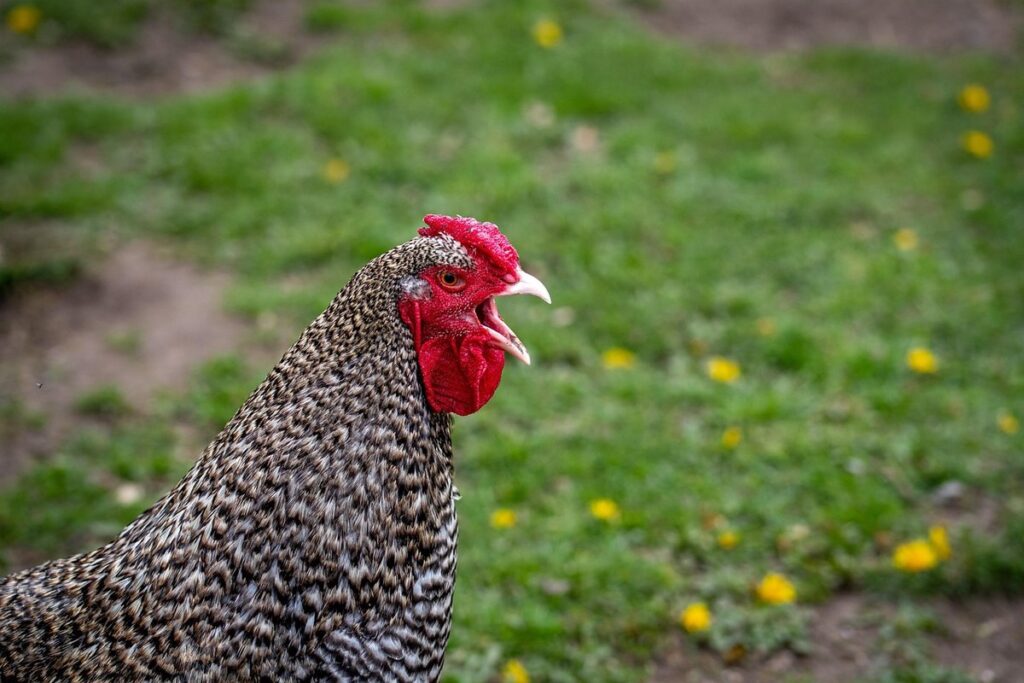
Introduction to Dark Brown Egg Layers
Welcome to our guide on dark brown egg laying chicken breeds, where we’ll introduce you to some fantastic varieties that produce richly colored eggs.
These birds are not only stunning to look at but also offer a unique twist for backyard chicken keepers who want to add some excitement to their coop.
Characteristics of Dark Brown Eggs
Dark brown eggs are truly one of a kind. Their unique characteristics make them stand out from other egg varieties on the market. For starters, their shell color is unmistakable – it’s a deep, rich brown that can range from reddish-brown to almost chocolate-like in hue. This striking appearance isn’t just for show; the darker pigment is often an indicator of higher antioxidant levels within the eggs themselves.
In terms of egg size, dark brown eggs tend to be slightly larger than their white or light-brown counterparts. This is because breeds that lay these eggs typically produce more protein-rich yolk and a thicker albumen (egg white) to match. As a result, you can expect your eggs to have a bit more oomph in terms of flavor and nutritional content.
When choosing dark brown egg laying breeds for your flock, keep an eye out for these characteristics: a larger-than-average egg size and that distinctive, darker shell color. With the right care and attention, your birds will reward you with these delicious and nutritious eggs – and a whole lot more!
Importance of Choosing the Right Breed for Your Needs
When choosing a dark brown egg-laying chicken breed, it’s essential to consider your specific needs and circumstances. This includes factors such as climate, available space, and personal preferences. For instance, if you live in an area with extremely hot summers, you’ll want a breed that’s well-suited for heat tolerance.
On the other hand, if you have limited space, a smaller breed will be more practical. Some popular dark brown egg-laying breeds like the Marans or the Barnevelder are relatively low-maintenance and can thrive in smaller spaces. However, they still require regular care and attention to lay consistent eggs.
It’s also crucial to consider your personal preferences when selecting a breed. Do you want a friendly, docile bird that’s great with children? Or perhaps you’re looking for a more independent breed that’s less demanding of attention. Researching different breeds and reading reviews from other owners can help you make an informed decision and ensure you find the perfect fit for your needs.
History and Origin of Dark Brown Egg Laying Breeds
Dark brown egg laying breeds have a rich history, with many developed from traditional farm chickens in Europe and North America. Let’s explore their fascinating origins together.
Ancient Origins of Brown Egg Layers
The history of dark brown egg laying breeds is deeply rooted in ancient civilizations, where these birds were not only prized for their rich, chocolate-colored eggs but also revered for their unique characteristics. One such breed, the Marans, originated from France and Belgium over 400 years ago. These birds were highly sought after by French farmers due to their exceptional egg-laying abilities and ability to thrive in damp, cool climates.
Similarly, the Barnevelder breed hails from the Netherlands, where it was bred to produce large, dark brown eggs in the early 20th century. In some cultures, these breeds were considered sacred animals, with their eggs being used as offerings to deities or as a symbol of fertility and abundance.
Today, we can appreciate these breeds not only for their rich history but also for their unique characteristics that set them apart from other egg-laying breeds. If you’re considering adding one of these breeds to your flock, be sure to do your research on their specific needs and requirements, including their dietary needs and exercise habits. By doing so, you’ll be able to provide the best possible care for your birds while enjoying the benefits of their rich, dark brown eggs.
Evolution of Modern Dark Brown Egg Breeds
The evolution of modern dark brown egg breeds is a fascinating story that showcases the dedication and expertise of poultry breeders. In recent years, these breeders have successfully developed new strains with improved characteristics, making them ideal for backyard flocks and commercial operations alike. One notable example is the Marans breed, which originated in France in the 1920s. Through selective breeding, modern Marans varieties now offer increased egg production, better disease resistance, and a more vibrant dark brown shell color.
The development of other breeds such as the Barnevelder and the Welsummer has also seen significant advancements. Breeders have introduced new genetic traits to enhance fertility, hatchability, and chick quality. This targeted breeding approach has led to the creation of robust, high-performing flocks that can thrive in various environments. As a result, today’s dark brown egg layers are not only more efficient but also more resilient, providing a better return on investment for farmers.
By understanding how modern breeding programs have shaped these breeds, you’ll be better equipped to select the perfect strain for your needs. Consider factors such as climate adaptability, feed efficiency, and overall health when choosing a breed. This knowledge will help you build a thriving and productive flock that meets your expectations.
Popular Dark Brown Egg Laying Chicken Breeds
Let’s take a closer look at some of the most popular dark brown egg laying chicken breeds that are perfect for small farms and backyards. These breeds offer rich, delicious eggs in a variety of shapes and sizes.
1. Marans – Their History and Unique Characteristics
The Marans breed has a rich history that dates back to 13th century France. Originally known for their stunning dark brown eggs, these birds have been prized by French farmers and backyard enthusiasts alike for centuries. One of the most distinctive features of the Marans is their egg-laying ability – they produce an average of 150-200 dark brown eggs per year, making them a popular choice among those seeking a reliable source of fresh eggs.
In terms of temperament, Marans are known to be friendly and docile, making them an excellent choice for families with children or for small-scale backyard flocks. They are also relatively quiet birds, which is a plus for those who value peace and quiet in their backyards.
If you’re considering adding Marans to your flock, keep in mind that they require regular exercise and social interaction to stay happy and healthy. With proper care and attention, these beautiful birds will reward you with years of delightful companionship and an endless supply of delicious dark brown eggs.
2. Barnevelders – A Dutch Heritage Breed
The Barnevelder breed is one of the most popular and sought-after dark brown egg laying chicken breeds, hailing from the Netherlands. Originating in the early 20th century, this breed was developed to excel in both egg production and foraging abilities, making it a favorite among backyard chicken keepers.
One of the standout characteristics of Barnevelders is their exceptional egg-laying capacity, with an average of 200-220 brown eggs per year. Their medium to dark brown eggs are not only visually appealing but also rich in flavor and nutritional value. In addition to their impressive egg production, Barnevelders are known for being friendly, docile, and relatively low-maintenance.
Barnevelders thrive in a free-range or pasture-raised environment, where they can roam and forage for insects, seeds, and plants. This breed excels in cooler climates with moderate temperatures, making them an ideal choice for backyard chicken keepers living in temperate regions. With proper care and attention, Barnevelders can live up to 10-12 years, providing many years of enjoyable egg production and companionship.
3. Welsummers – Their History and Notable Traits
The Welsummer breed is a popular choice among chicken enthusiasts due to its unique characteristics and rich history. Originating from the Netherlands, this breed was developed in the 1920s with the intention of producing eggs that resembled those found in Africa, which were highly prized for their dark brown color.
One of the notable traits of the Welsummer breed is its friendly and docile nature, making them an excellent choice for backyard flocks. They are known to be active foragers and can thrive in free-range environments with minimal care and supervision. In terms of egg production, Welsummers are capable of laying around 180-200 large, dark brown eggs per year.
If you’re considering adding a Welsummer to your flock, keep in mind that they do require regular exercise and mental stimulation to prevent boredom. Providing them with plenty of space to roam and engage in natural behaviors will help ensure their overall health and well-being. With proper care, the Welsummer breed can be a rewarding addition to any chicken keeper’s collection.
Characteristics and Traits of Dark Brown Egg Layers
Let’s dive into the characteristics that set these dark brown egg layers apart, including their temperament, hardiness, and foraging abilities. These traits will help you choose the perfect breed for your flock.
Egg-Laying Capacity and Patterns
When it comes to egg-laying capacity and patterns among dark brown breeds, there’s more to consider than just numbers. These birds are known for their hardiness and ability to adapt to varying environments, but how do they perform when it comes to laying eggs?
On average, a healthy, well-cared-for dark brown breed can lay around 200-220 eggs per year. However, this number can fluctuate depending on factors such as diet, lighting, and individual bird characteristics. For instance, some breeds like the Marans and Barnevelder tend to be more prolific layers during spring and summer months when daylight hours are longer.
In contrast, breeds like the Penedesenca and Araucana may lay fewer eggs but exhibit a more consistent laying pattern throughout the year. It’s essential to research the specific breed you’re interested in to understand its unique egg-laying characteristics. By understanding these patterns, you can better plan for your flock’s needs and ensure that they receive the care they require to thrive.
Some breeds also exhibit seasonal variations in their egg-laying capacity. For example, during winter months when daylight hours are shorter, some birds may go into a dormant phase, reducing their overall egg production.
Temperament and Handling
When it comes to temperament and handling, dark brown egg layers can vary greatly from one breed to another. Some breeds are known for their calm and docile nature, making them perfect for families with children or for backyard chicken keepers who want a low-maintenance flock.
On the other hand, some breeds can be more assertive and require regular socialization and handling to become tame. For example, the Barred Plymouth Rock is generally considered to be one of the friendlier breeds, but they still need consistent interaction from an early age to develop good behavior.
If you’re new to chicken keeping, it’s essential to research the breed you’re interested in and understand its temperament requirements. Some breeds may require special handling or exercise needs that you’ll want to consider before bringing them home.
In general, dark brown egg layers tend to be relatively easy-going, but they still need regular care and attention to stay healthy and happy. Make sure to provide your flock with adequate space, nutrition, and socialization, and always handle them gently and humanely.
Disease Resistance and Hardiness
When it comes to dark brown egg laying chicken breeds, their natural resistance to diseases and adaptability to different environments are crucial characteristics that every backyard farmer and enthusiast should consider.
Some of the most well-known dark brown egg laying breeds, such as Marans and Welsummers, have a remarkable ability to resist common poultry diseases like Marek’s disease and Newcastle disease. This is largely due to their genetic makeup and strong immune system. For example, Marans are known to be relatively resistant to frostbite, which makes them an excellent choice for farmers living in colder climates.
In terms of adaptability, dark brown egg laying breeds can thrive in a variety of environments, from backyards with small coops to large commercial farms. They are generally hardy birds that can tolerate heat stress and humidity well, making them suitable for growers in hot and humid regions. For instance, some breeders have reported success breeding Marans in tropical climates without any major issues.
To maximize the health and productivity of your dark brown egg laying flock, it’s essential to provide a balanced diet, regular exercise, and adequate shelter from extreme weather conditions. By choosing breeds that are naturally resistant to diseases and adaptable to different environments, you can enjoy a successful and stress-free experience with your backyard chickens.
Choosing the Right Dark Brown Breed for Your Flock
When selecting a new breed to join your flock, deciding on the perfect dark brown egg layer can be overwhelming due to the numerous options available. Let’s explore the top breeds and their characteristics to make your decision easier.
Considerations for Small-Scale Backyard Farmers
When it comes to selecting a suitable dark brown egg-laying breed for small-scale backyard farmers, several considerations come into play. Space constraints are a crucial factor, as these birds require adequate room to roam and exercise.
A good rule of thumb is to allocate at least 2-4 square feet per bird inside the coop and 8-10 square feet in the run area. Some breeds, like the Marans or Welsummer, are more compact and suitable for smaller spaces, while others, such as the Barnevelder, require a bit more room.
Feed availability is another essential consideration. Dark brown egg-laying breeds have varying feed requirements, with some being more efficient converters of feed to eggs than others. Researching the specific needs of your chosen breed will help you plan accordingly. For instance, the La Fleche Marans has a high egg production rate but requires a balanced diet rich in protein and calcium.
When planning for your flock, also consider factors like climate, disease resistance, and noise levels. By weighing these factors, small-scale backyard farmers can choose a dark brown breed that thrives in their specific environment.
Recommendations for Large-Scale Commercial Operations
When operating on a large commercial scale, it’s essential to prioritize breeds that excel in productivity and efficiency. For dark brown egg laying chicken breeds, look for those with high laying capacities and robust growth rates.
Breeds such as the Marans and Barnevelder are well-suited for commercial operations due to their fast growth rates and high daily egg production. These birds can produce around 200-220 eggs per year, making them an excellent choice for large-scale producers.
To ensure maximum productivity, consider implementing strategies like beak trimming, vaccinations, and parasite control programs. Regular health checks will also help minimize losses and maintain a healthy flock.
Another key consideration is the availability of feed resources. Dark brown egg laying breeds are relatively easy to manage and require standard commercial feed formulations. They’re also adaptable to different climate conditions, making them an excellent choice for large-scale operations with varying environmental conditions.
When selecting breeds, consider your specific operation’s needs and weigh factors such as growth rate, egg production, and hardiness against one another.
Conclusion and Final Thoughts
As you wrap up your journey through our comprehensive guide, let’s summarize the key takeaways from exploring these incredible dark brown egg laying chicken breeds.
Recap of Key Takeaways from this Guide
As you’ve navigated through this comprehensive guide on dark brown egg laying chicken breeds chart, you now have a solid understanding of the key characteristics and traits that make these birds stand out. Let’s recap the main points covered:
When selecting a breed for your backyard flock or farm, it’s essential to consider factors such as egg production rate, egg size, temperament, and climate adaptability. Dark brown egg layers excel in these areas, with some breeds laying up to 280 large eggs per year.
In terms of egg size, dark brown egg layers tend to produce larger eggs than other breeds, making them an excellent choice for households looking for more substantial omelets or baked goods. Some popular dark brown egg layer breeds include the Marans, Barnevelder, and Welsummer.
Their unique temperament is another key advantage, as many of these breeds are known for being friendly, docile, and easy to handle. This makes them an excellent choice for families with children or for beginners who want a stress-free introduction to chicken keeping.
Climate adaptability is also a crucial consideration when choosing a breed. Dark brown egg layers tend to thrive in a variety of environments, from cold climates to warm ones, making them suitable for farmers and backyard enthusiasts alike.
Ultimately, dark brown egg laying chicken breeds chart offers an excellent option for those seeking high-quality eggs and a low-maintenance, hardy bird that can withstand various environmental conditions. By keeping these key characteristics in mind, you’ll be well on your way to building a thriving flock or farm that meets your needs and provides you with the freshest, most delicious eggs possible.
Frequently Asked Questions
Can I mix and match different dark brown egg laying breeds on my small-scale farm?
You can, but it’s essential to consider the breed characteristics, temperaments, and potential compatibility issues before introducing new birds to your flock. Some breeds may not get along due to their natural instincts or dominance behaviors.
What are some common health challenges associated with dark brown egg laying breeds?
Dark brown egg layers can be prone to certain health issues like Marek’s disease, fungal infections, and internal parasites. Regular vaccinations, proper sanitation, and parasite control measures can help mitigate these risks.
How long do dark brown egg laying chickens typically live compared to other breeds?
The lifespan of dark brown egg layers varies by breed but generally falls between 5-7 years for most varieties. Proper care, nutrition, and management practices can contribute to a longer and healthier life.
Can I raise dark brown egg laying breeds in cold climates or do they require specific temperature conditions?
Most dark brown egg layers are hardy birds that can adapt to various temperatures, but some breeds like Marans may be more sensitive to extreme cold. Providing adequate shelter, insulation, and nutrition will help them thrive in cooler environments.
How many eggs can I expect from a single dark brown egg laying breed per year?
Egg production varies depending on the breed, age, and management of your flock. Typically, you can expect 200-300 eggs per year from mature hens, with some breeds producing more or less than this average range.