
If you’re looking to add some excitement to your backyard flock, consider raising dark egg laying chickens. These birds are not only stunningly beautiful with their unique feathering and egg-laying abilities, but they also offer a range of benefits for both your health and the environment. Unlike traditional light-egg layers, dark egg laying breeds like the Araucana and Ameraucana have been found to produce eggs that contain more antioxidants and beneficial nutrients. This makes them an attractive option for those looking to improve their nutrition through egg consumption. In this article, we’ll delve into the world of dark egg laying chickens, exploring popular breeds, their benefits, and tips for raising them successfully in your own backyard flock.
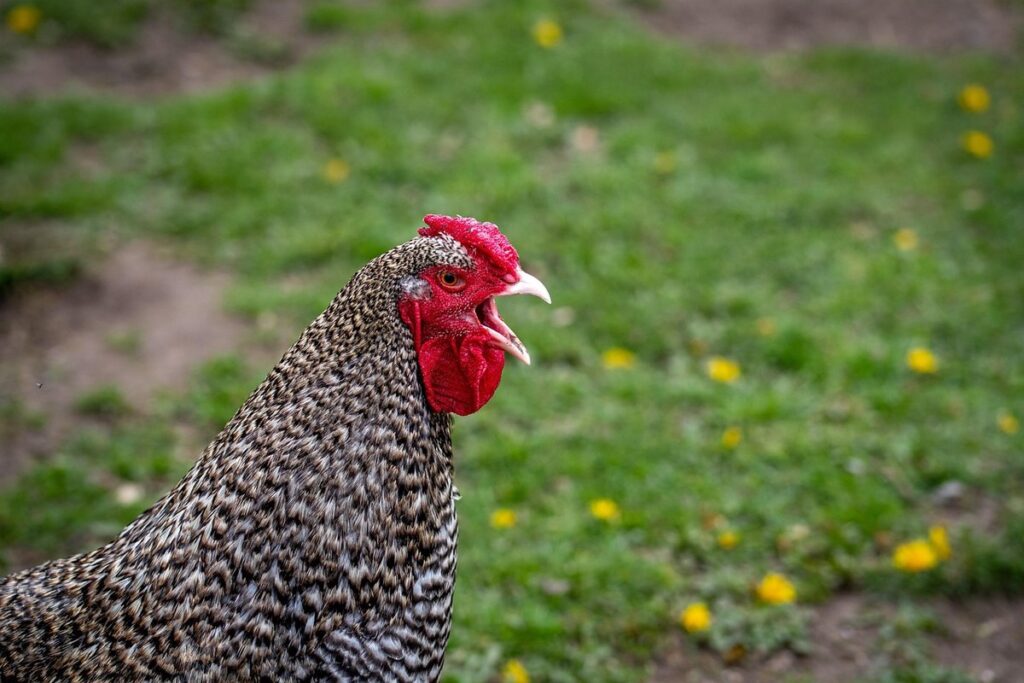
Characteristics and Benefits of Dark Egg Layers
Dark egg layers offer a range of unique characteristics, including their rich, dark eggs that are often higher in iron. Let’s dive into what makes these breeds so special.
Advantages of Dark Eggs
When it comes to dark eggs, many backyard chicken keepers and chefs rave about their superior nutritional value and rich flavor. One of the primary benefits of dark eggs is that they contain more antioxidants than lighter egg yolks. Dark eggs have a deeper orange yolk due to higher levels of lutein and zeaxanthin, which are powerful antioxidants that help protect against age-related macular degeneration.
Dark eggs also tend to be more flavorful due to the chicken’s diet. If you’re raising your own dark egg layers, you can influence the flavor by feeding them nutrient-rich foods like leafy greens or insects. For instance, a flock of chickens fed a mix of mealworms and sunflower seeds will produce eggs with an incredibly rich, buttery taste.
In addition to their better nutrition and more intense flavor, dark eggs are also often considered a delicacy in the culinary world. Many top chefs swear by using dark eggs in their recipes due to their unique color and robust taste. So if you’re looking to elevate your cooking game or impress your friends with homemade dark eggs, consider adding these incredible birds to your backyard flock!
Overview of Key Nutrients Found in Dark Eggs
When it comes to dark egg laying chicken breeds, one of the most significant advantages is the higher levels of essential nutrients found in their eggs. Unlike light eggs, which tend to be lower in vitamins A and E, iron, and zinc, dark eggs pack a nutritional punch that’s hard to beat.
These beneficial compounds are due in part to the chicken’s diet and environment, but also to the breed’s natural characteristics. Dark egg layers often have a more robust immune system, which enables them to absorb and store these nutrients more efficiently. The result is an egg with higher levels of:
• Vitamin A: crucial for healthy vision, immune function, and skin health
• Vitamin E: acts as an antioxidant, protecting cells from damage and supporting overall well-being
• Iron: essential for healthy red blood cells and preventing anemia
• Zinc: vital for a strong immune system, wound healing, and protein synthesis
Incorporating dark egg laying breeds into your backyard flock or choosing them at the market can provide you with an excellent source of these nutrients. By making dark eggs a regular part of your diet, you’ll be supporting overall health and well-being while also enjoying the unique characteristics of these remarkable birds.
Health Benefits Associated with Consuming Dark Eggs
Consuming dark eggs has been associated with several potential health benefits, primarily due to their unique nutritional profile. Dark eggs contain more antioxidants than their white counterparts, which can help protect the body against free radicals and oxidative stress. This is particularly beneficial for individuals who consume high amounts of processed foods or are exposed to environmental pollutants.
The immune system also receives support from dark eggs, as they contain higher levels of vitamin E, a key component in immune function. Research has shown that consuming vitamin E-rich foods can enhance the body’s natural defenses against infections and diseases. Additionally, dark eggs are rich in omega-3 fatty acids, which have anti-inflammatory properties and may help reduce the risk of chronic diseases such as heart disease and certain cancers.
To incorporate the benefits of dark eggs into your diet, consider cooking methods that preserve their nutritional content. For example, boiling or poaching dark eggs is a healthier option than frying them.
Popular Dark Egg Laying Chicken Breeds
If you’re looking for chicken breeds that produce eggs with rich, dark yolks, here are some of the most popular varieties to consider in your backyard flock. Let’s take a closer look at these sought-after breeds.
1. Araucana: Origin, Temperament, and Egg Production
The Araucana is one of the most unique and fascinating dark egg laying chicken breeds. Originating from South America, specifically in present-day Chile and Argentina, this breed has been prized for its distinctive characteristics for centuries. One of the standout features of the Araucana is its temperament – they are known to be friendly, curious, and active birds that thrive on interaction with their owners.
In terms of egg production, the Araucana is a reliable layer, producing an average of 180-200 dark blue or green eggs per year. Their eggs are often speckled with brown or black spots, adding to their unique charm. One key thing to note about the Araucana is that they require regular social interaction and stimulation – if left alone for extended periods, they can become restless and even destructive.
To keep your Araucanas happy and healthy, make sure to provide them with plenty of space to roam and play. Consider introducing toys or puzzle feeders to challenge their minds and reduce boredom. With proper care and attention, these beautiful birds will reward you with an abundance of delicious dark eggs and endless entertainment.
2. Ameraucana: A Cold-Clay Hardiness Testimony
Ameraucana is one of the most sought-after dark egg-laying chicken breeds known for its remarkable hardiness in cold climates. Originating from South America, this breed has adapted to withstand harsh weather conditions and remains a popular choice among backyard farmers. Temperament-wise, Ameraucanas are friendly, curious birds that thrive on interaction, making them an excellent addition to any flock.
In terms of production levels, Ameraucanas lay around 200 large, dark brown eggs per year. They are prolific layers, especially when provided with the right conditions and nutrition. One notable trait of this breed is its ability to forage efficiently, allowing it to survive on less feed than other breeds. This characteristic makes them an attractive choice for those who prioritize self-sufficiency.
If you’re planning to keep Ameraucanas in your flock, be prepared to provide a diet rich in protein and calcium to support their egg production. With proper care and attention, these birds will reward you with consistent egg laying throughout the year.
3. Marans and Welsummers – Similarities and Differences
When it comes to dark egg laying chicken breeds, two popular choices often come up in conversation: Marans and Welsummers. While both breeds share some similarities, they also have their differences.
In terms of egg-laying abilities, both Marans and Welsummers are prolific layers, producing around 150-200 brown eggs per year. However, Marans tend to lay slightly larger eggs than Welsummers. It’s worth noting that Marans can be a bit more inconsistent in their laying patterns, whereas Welsummers tend to be more consistent.
Appearance-wise, both breeds have dark, rich plumage with distinctive markings. Marans have a more sleek, shiny coat, while Welsummers have a fluffier appearance. When it comes to temperament, both breeds are known for being friendly and docile, making them great choices for families or backyard chicken keepers.
It’s worth considering your personal preferences when deciding between these two breeds. If you’re looking for a breed with a more dramatic, intense coloration, Marans may be the better choice. However, if you prefer a breed with a fluffier appearance and consistent laying patterns, Welsummers could be the way to go.
Raising Dark Egg Laying Chickens
If you’re thinking of raising dark egg laying chickens, getting started requires careful planning and attention to their specific needs. Here are some essential tips to get you off on the right foot.
Choosing the Right Feed for Dark Egg Layers
When it comes to choosing the right feed for dark egg layers, it’s essential to consider their unique nutritional requirements. Dark egg laying breeds like Marans and Welsummers are known for producing eggs with a rich, dark brown color due to their high concentration of pigments called porphyrins.
As these birds require more nutrients than light egg layers to produce this pigment, their feed must be formulated accordingly. Look for feeds with a higher protein content, ideally around 16-18% crude protein, to meet the needs of your dark egg laying flock. Additionally, ensure that the nutrient levels are balanced, particularly in calcium and phosphorus, as these elements play a crucial role in eggshell production.
A good feed should also include essential vitamins and minerals like vitamin A, D3, E, and K. When selecting a feed for your dark egg layers, read the label carefully to ensure it meets these requirements. If you’re unsure or want to create a custom feed blend, consult with a poultry nutritionist for expert advice.
Providing Adequate Light and Space for Healthy Growth
When it comes to raising dark egg laying chickens, providing adequate light and space for healthy growth is crucial. Chickens need sufficient lighting to produce eggs regularly, as the production of reproductive hormones depends on daylight exposure. A minimum of 14 hours of natural light per day or artificial lighting that mimics this cycle is recommended.
Inadequate lighting can lead to a decrease in egg production, stress, and even health issues. Dark egg laying breeds like Orpingtons and Australorps need at least 6 square feet of space per bird inside the coop and 8-10 square feet outside. This ensures they have room to stretch their wings, move around comfortably, and engage in physical activity.
Regular exercise also plays a vital role in maintaining the health and well-being of dark egg laying chickens. Provide them with toys, scratching posts, and climbing structures to keep them active and engaged. A balanced diet rich in calcium, vitamins, and minerals is essential for strong bone growth and healthy reproductive function. By meeting these basic needs, you can encourage your dark egg laying hens to produce high-quality eggs while maintaining their overall health and happiness.
Tips for Selecting Healthy Breeding Stock
When selecting healthy breeding stock for dark egg laying chickens, it’s essential to prioritize genetic diversity. A diverse gene pool helps ensure that your flock remains resilient against diseases and adapts well to changing environments. Look for breeds with a long history of production, as this often indicates a robust and varied genetic makeup.
Egg-laying performance is also crucial when choosing breeding stock. Dark egg laying breeds are known for their high productivity, but it’s essential to select birds that consistently meet or exceed breed standards. Research the average egg weight, daily egg production, and overall fertility of the birds you’re considering. This information can usually be found in breed association guidelines or from reputable breeders.
When evaluating breeding stock, don’t underestimate the importance of overall health. A healthy bird is more likely to produce high-quality offspring, so inspect for signs of disease, parasites, and nutritional deficiencies. Consider sourcing from local breeders who prioritize animal welfare and follow sustainable practices.
Common Challenges Faced by Dark Egg Laying Breeders
As you embark on breeding dark egg laying chicken breeds, it’s essential to understand the common challenges that can arise and how to overcome them successfully. Breeding these birds comes with its unique set of hurdles, from genetic issues to environmental stressors.
Managing Feathers in the Brooder and Beyond
Managing feathers is an essential aspect of maintaining a healthy and hygienic environment for dark egg laying breeds. From young chicks to mature hens, feathers can become a significant challenge if not managed properly.
When it comes to young chicks, it’s crucial to maintain a clean brooder with adequate ventilation. This will help prevent the buildup of moisture and bacteria that can contribute to respiratory issues. To minimize waste and keep the area clean, remove any soiled bedding material daily and replace it with fresh pine shavings or straw. Additionally, provide your chicks with regular dust baths to keep their feathers in good condition.
As your birds grow into mature hens, they will require more frequent cleaning of their coop and run. Ensure you have a plan in place for managing their feathers during molting season, which typically occurs every 12-18 months. During this time, your hens may produce more waste, so be sure to increase the frequency of cleaning and remove any excess debris.
It’s also essential to provide your birds with regular exercise and opportunities for dust bathing to keep their feathers in good condition. This can help reduce stress and prevent health issues related to poor feather maintenance.
Breeding Programs – Ensuring Genetic Diversity and Egg Quality
When establishing a breeding program for dark egg laying breeds, it’s crucial to prioritize genetic diversity and egg quality. This is especially important for breeders who want to maintain the health and productivity of their flocks over time.
To ensure genetic diversity, breeders should implement rotational breeding strategies where multiple sires are used to fertilize females from different strains or lines. This not only increases genetic variation but also helps to reduce inbreeding depression. For example, a breeder may rotate between three different sires each week, resulting in over 100 unique combinations of sire and dam.
Egg quality is another critical aspect of breeding programs. Breeders can improve egg quality by selecting for traits such as strong shells, clean yolks, and even-sized eggs. Regular egg measurements and inspections can help identify areas where improvement is needed. Additionally, maintaining a clean and well-ventilated coop, providing adequate nutrition and exercise, and ensuring proper health checks can all contribute to higher egg quality.
By implementing rotational breeding strategies and prioritizing egg quality, breeders can establish a thriving and sustainable dark egg laying breeding program that meets the demands of consumers while promoting long-term flock health.
Overcoming Disease Risks in Flocks
Maintaining optimal health is crucial for dark egg laying breeders to ensure consistent production and prevent disease outbreaks. When it comes to mitigating disease risks within flocks, implementing proper biosecurity measures is paramount.
To start, conduct regular inspections of your coop, run, and surrounding areas to identify potential entry points for pests or diseases. Regular cleaning and disinfection of equipment, feeders, and waterers can help reduce the spread of pathogens. Implement a strict vaccination program tailored to your flock’s specific needs, and ensure all new additions are properly quarantined before introduction.
Monitoring for signs of illness is equally important. Keep an eye out for changes in behavior, appetite, or egg production. If you notice any unusual symptoms, consult with a veterinarian as soon as possible. Regular health checks can help catch issues early on, reducing the risk of disease spreading through your flock. For example, some breeders check their birds daily for signs of respiratory distress or droopy wings.
Another effective approach is to promote a healthy immune system through proper nutrition and management practices. Ensure adequate access to clean water, balanced feed, and a nutrient-rich environment that includes ample space for exercise. By taking proactive steps to maintain the health and well-being of your flock, you can reduce the risk of disease outbreaks and optimize egg production.
Conclusion: Integrating Dark Egg Layers into Your Flock
Now that you’ve learned all about dark egg laying chicken breeds, it’s time to think about how to successfully integrate these birds into your existing flock. Let’s explore some practical tips for a seamless transition.
Assessing Feasibility for Beginners or Small-Scale Farmers
If you’re new to chicken keeping or managing a small-scale farm, assessing the feasibility of raising dark egg layers is crucial before making a decision. Start by evaluating your resources and commitment level. Consider the space you have available for a flock, as well as your ability to provide adequate nutrition, healthcare, and shelter.
You’ll also want to research the specific needs of dark egg layer breeds, such as their feed requirements and exercise needs. For instance, some popular dark egg layers like the Barred Plymouth Rock require about 1/4 pound of feed per day to maintain optimal health. Others, like the Australorp, are known for being relatively easy-going but still need regular attention.
To get a better understanding of what’s involved, observe local farms or talk to experienced chicken keepers in your area. They can offer valuable insights into the challenges and rewards of raising dark egg layers on a small scale. Keep in mind that even with careful planning, there are inherent risks associated with any type of farming or animal husbandry. By taking a thoughtful approach, however, you can successfully integrate dark egg layers into your flock while minimizing potential pitfalls.
Balancing Production with the Unique Needs of Dark Egg Layers
Balancing production with the unique needs of dark egg layers requires careful consideration. These birds have specific requirements that can be challenging to meet, especially for commercial-scale producers. For instance, dark egg layers tend to be more sensitive to heat and humidity than lighter breeds, which can lead to reduced productivity in warm climates.
To balance production goals with these specialized needs, consider implementing strategies like controlled environment agriculture or providing shade structures for your flock. You may also need to adjust feeding schedules and nutrition plans to accommodate the unique metabolism of dark egg layers. For example, some studies suggest that adding omega-3 fatty acids to their diet can improve egg quality and increase production.
When integrating dark egg layers into your existing operation, it’s essential to prioritize their specific needs while maintaining overall flock health and productivity. This may involve monitoring temperature and humidity levels, providing additional ventilation, or implementing targeted disease management programs. By acknowledging the unique challenges associated with breeding and maintaining dark egg layers, you can create a successful and sustainable operation that meets the high demand for these sought-after eggs.
Frequently Asked Questions
Can I mix dark egg laying breeds with lighter egg layers without affecting the quality of their eggs?
No, mixing breeds can dilute the genetic traits that contribute to the unique nutritional profile of dark egg layers. For optimal results, focus on breeding and raising purebred lines that are specifically selected for their dark egg-laying abilities.
What’s the ideal ratio of omega-3 to omega-6 fatty acids in feed for promoting healthy dark eggs?
Aim for a balanced ratio of 1:5 or 1:10 (omega-3 to omega-6). This will help promote the production of beneficial fatty acid profiles, which can positively impact egg nutritional content and flavor.
How do I handle feather management in my brooder when raising dark egg layers with high-maintenance plumage?
Invest in a well-designed brooder with adequate ventilation and temperature control. Provide a balanced diet rich in protein to support healthy feather development. Regularly inspect and maintain the coop’s cleanliness to prevent pest and parasite issues.
Can I raise dark egg laying chickens on pasture or do they require specialized housing?
Dark egg layers can thrive in pastured environments, but their specific needs must be considered. Ensure access to adequate shelter, water, and nutrient-dense feed sources while allowing for free-range movement during favorable weather conditions.
How often should I collect eggs from my dark egg laying flock to maintain optimal health and prevent disease?
Collect eggs daily, especially during peak production periods, to reduce the risk of contamination and stress on your birds. Regularly inspect nesting boxes and coop cleanliness to maintain a healthy environment for your flock.