
If you’re like many backyard chicken keepers, you’ve probably struggled with managing your flock’s coop environment. Odors, dust, and pests can quickly become overwhelming, but what if I told you there’s a way to tackle these issues while also improving the overall health and fertility of your birds? Deep litter composting is a game-changer for backyard chicken owners who want to create a thriving ecosystem that benefits both their flock and the environment. By setting up and maintaining a deep litter compost system, you can reduce odors, improve air quality, and even increase the fertility of your soil. In this article, we’ll dive into the best practices for implementing deep litter composting in your coop, so let’s get started on creating a healthier, happier home for your feathered friends!
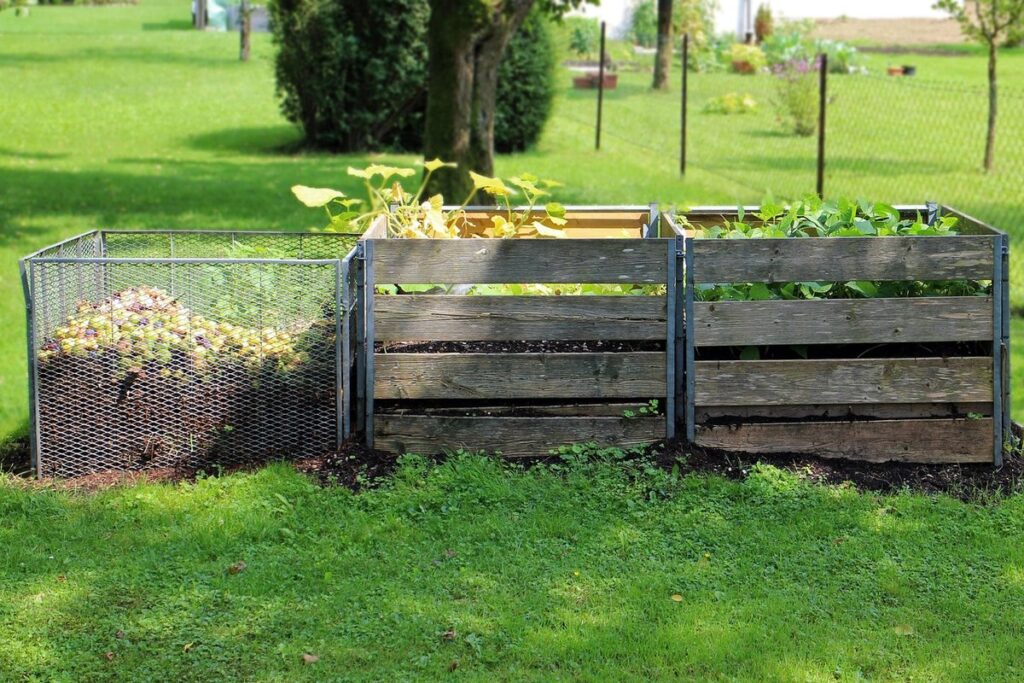
Benefits and Basics of Deep Litter Composting
Deep litter composting is a simple, effective way to manage your chicken’s waste while creating valuable fertilizer for your garden. Let’s dive into the benefits and basics of this sustainable practice.
What is Deep Litter Composting?
Deep litter composting is an innovative approach to managing chicken manure and bedding materials. Unlike traditional methods that require regular cleaning of the coop, deep litter composting involves allowing a thick layer of dry bedding material to accumulate on the floor of the coop. This can be made up of wood shavings, straw, or other organic materials.
As the bedding breaks down, it forms a nutrient-rich compost that acts as a natural insulation for your chickens. The process is often misunderstood, but essentially, deep litter composting is a form of composting that occurs in place, without requiring regular removal and replacement of the bedding material.
The main difference between deep litter composting and other methods lies in its ability to manage ammonia levels and odors naturally. By allowing the bedding to break down slowly over time, you can reduce the need for frequent cleaning and minimize the risk of disease transmission among your flock.
Advantages of Using Deep Litter Compost
Deep litter composting offers numerous advantages for backyard chicken keepers. One of the most significant benefits is improved health for both humans and animals. By creating a dry, well-ventilated environment with deep litter, you reduce moisture and pathogens that can cause disease. This leads to fewer cases of respiratory issues in chickens, which are often exacerbated by wet or poorly ventilated conditions.
Reduced odors are another major advantage of using deep litter compost. Unlike traditional composting methods that rely on turning the pile regularly, deep litter composting allows for a gradual breakdown of organic matter without the need for frequent stirring. This reduces the smell associated with composting and makes it easier to maintain in your backyard.
The increased fertility of the soil created by deep litter compost is also noteworthy. As the litter breaks down, it releases valuable nutrients that can be used to enrich your garden beds or lawn. You can use this natural fertilizer to promote healthy plant growth and reduce your reliance on synthetic fertilizers.
Preparing Your Flock for Deep Litter Composting
Before you start deep litter composting, it’s essential to prepare your flock by introducing them to the process gradually and ensuring they’re healthy enough for the transition. This section will guide you through those crucial steps.
Choosing the Right Bedding Material
When it comes to choosing the right bedding material for deep litter composting, there are several factors to consider. First and foremost, you’ll want to think about absorbency – a good bedding material should be able to soak up waste quickly and evenly, preventing ammonia buildup and keeping your flock healthy.
Durability is also crucial: you don’t want to have to change the bedding too frequently or deal with materials that break down too quickly. Consider using materials like pine shavings or straw, which are both durable and easy to clean. Cost-effectiveness is another important factor – you’ll want a material that’s affordable in the long run.
In terms of specific options, some popular choices for deep litter composting include wood pellets, shredded newspaper, and even recycled paper products. Wood pellets are a great option because they’re highly absorbent and can help to suppress odor-causing bacteria. Shredded newspaper is another good choice – it’s cheap, easy to find, and can be used in combination with other materials for optimal results. Remember to always choose materials that are free from chemicals and additives, which can harm your flock or contaminate the compost.
Setting Up the Compost Area
When setting up the compost area for deep litter composting chickens, there are several factors to consider. First and foremost, location is key. You’ll want to choose a spot that’s easily accessible, yet out of the way of high-traffic areas where your flock may get into trouble. A shaded area or one with some wind protection can also help reduce odors and keep pests at bay.
The size of your compost area will depend on the number of chickens you’re raising and how much litter you plan to generate. A general rule of thumb is to provide at least 2-3 square feet of space per chicken, although this can vary depending on breed and age. Make sure the area is large enough for comfortable movement and can be easily cleaned and maintained.
Proper ventilation is also crucial in a composting setup like this. Aim for good airflow by incorporating some sort of ventilation system or ensuring that the area has plenty of open space to allow for air exchange. This will help prevent ammonia buildup and keep your flock safe.
Implementing Deep Litter Composting
Now that you have a solid understanding of how deep litter composting works, let’s dive into implementing it in your chicken coop with our step-by-step guide.
Layering and Maintenance Routines
When it comes to layering and maintaining the deep litter pile, consistency is key. Start by adding a new 2-3 inch layer of bedding material on top of the existing pile every week or two, depending on how quickly it’s being broken down. You can use a mix of materials like wood shavings, straw, or pine pellets to keep things interesting for your chickens and promote optimal composting.
As you add fresh layers, gently rake the entire pile to prevent matting and ensure that all areas are receiving adequate oxygen. This will also help to speed up the decomposition process. Aim to maintain a depth of around 6-8 inches, as this allows for sufficient airflow while keeping the litter from becoming too dry or dusty.
Remember to monitor your chickens’ behavior and adjust your layering schedule accordingly. If you notice them avoiding certain areas of the coop due to unpleasant odors or textures, it’s time to add more bedding material or give the pile a good rake. Regular maintenance will not only keep your deep litter composting system running smoothly but also minimize waste and reduce odor buildup in your chicken coop.
Managing Odors and Pests
When it comes to deep litter composting for chickens, managing odors and pest infestations is crucial. A well-managed compost area should have minimal odor and pest issues. To achieve this, monitor moisture levels closely. The ideal litter depth for optimal decomposition is between 4-6 inches. If the litter becomes too wet, it can lead to anaerobic conditions, causing unpleasant odors.
To address moisture-related issues promptly, check the litter daily. You’ll know it’s time to add more litter or mix it when you notice a slight crunch underfoot. A dry compost area is less attractive to pests like mites and rodents. To minimize pest infestations, keep the coop clean, removing soiled bedding regularly.
Regular monitoring also allows for early detection of potential odor-causing issues, such as ammonia buildup from excessive moisture or nitrogen levels. Address these problems promptly by adjusting litter depth, adding more dry materials, or turning the compost pile. By staying on top of maintenance and taking proactive measures, you can enjoy a virtually pest-free and odor-free deep litter composting experience for your chickens.
Monitoring and Maintaining Compost Quality
Regular monitoring is essential to ensure your deep litter composting system remains healthy, odor-free, and producing high-quality compost. Let’s go over some key checks to perform on a regular basis.
Testing and Understanding Compost Parameters
Testing and understanding compost parameters is crucial for achieving high-quality deep litter compost. You can collect samples from the compost pile or a designated monitoring area to test these key indicators.
To assess pH levels, you’ll need a soil testing kit that measures pH between 6.0 and 8.0. Aim for a slightly acidic to neutral range of 6.5-7.5, which supports microbial activity. If your readings are too high or low, adjust by adding ingredients rich in carbon (e.g., straw) or nitrogen (e.g., manure).
Temperature checks involve using a compost thermometer to gauge the pile’s internal temperature. Aim for temperatures between 130°F and 140°F (54°C-60°C), which indicates optimal microbial activity. Avoid extreme heat, as this can lead to over-composting.
Lastly, determine the carbon-to-nitrogen ratio by weighing the amount of “C” materials (e.g., dried grass) against “N” materials (e.g., chicken droppings). Aim for a balanced mix of 25-30% C to 75-80% N. This ensures microbial breakdown occurs at an efficient rate, preventing odors and creating valuable compost. Regularly monitoring these parameters will help you fine-tune your deep litter composting process, resulting in better overall quality and reduced environmental impact.
Adjusting Composting Strategies Based on Results
As you monitor your composting process, it’s essential to be prepared to make adjustments along the way. This might involve tweaking your layering schedule or adding specific amendments to enhance decomposition and optimize nutrient retention.
Start by reviewing your monitoring data: are there areas where pH levels are consistently too high or low? Are you noticing excessive moisture or dryness in certain layers? By pinpointing these issues, you can develop a plan to address them. For example, if your compost is struggling with high pH levels, consider adding more acidic materials like straw or pine shavings to balance it out.
You may also need to reassess your layering schedule based on the speed of decomposition in each section. If one layer is breaking down too quickly, you might consider slowing it down by adding more bulking agents or rotating the layers. Conversely, if certain areas are taking too long to decompose, try introducing more carbon-rich materials to boost microbial activity.
By being responsive to your compost’s needs and making informed adjustments, you’ll be able to optimize its quality and ensure a rich, nutrient-dense product for your chickens.
Troubleshooting Common Issues in Deep Litter Composting
If you’re experiencing problems with your deep litter composting system, don’t worry – we’ve got some troubleshooting tips to help you get back on track. Let’s address some common issues that can arise in a deep litter setup.
Identifying and Addressing Odor Problems
Identifying and addressing odor problems is an essential aspect of maintaining a healthy deep litter composting system. Ammonia levels can rise when litter is not managed properly, leading to unpleasant odors and potentially harming your flock’s health. To reduce ammonia levels, ensure you’re providing adequate ventilation by ensuring air vents or windows are clear of debris.
To further mitigate odor issues, monitor the moisture content of your litter. When it’s too dry, dust becomes a problem, while excessively wet conditions foster anaerobic bacteria that produce pungent odors. Regularly inspect and turn your litter to maintain optimal moisture levels (around 10-20% for most chicken litter types). Proper moisture balance will also help regulate temperature fluctuations.
Proper air circulation is another critical factor in controlling odor issues. Installing fans or oscillating ventilation devices can significantly improve airflow, ensuring that stale air is expelled from the coop and fresh air enters.
Managing Maggots and Insects in the Compost Area
Maggot infestations can be a major issue in deep litter composting systems, especially during warmer months. These pesky insects thrive in moist environments and can quickly overtake your compost area if not managed properly. To prevent maggot infestations, it’s essential to maintain good air circulation within the coop by ensuring adequate ventilation and providing sufficient space between each layer of bedding.
When managing an existing maggot infestation, the first step is to remove all affected areas. This typically involves scooping out the top 2-3 inches of compost material and disposing of it in a sealed bin or trash bag to prevent further contamination. Next, focus on reintroducing beneficial insects like beetles and ants into the compost area. These beneficial insects will help break down organic matter and compete with maggot populations for food sources.
Some effective strategies for promoting beneficial insect growth include adding worm tea or other nutrient-rich supplements to your compost pile, as well as providing sheltered areas for these beneficial insects to nest and lay eggs.
Integrating Deep Litter Composting into Your Flock’s Routine
Let’s get started on incorporating deep litter composting into your chicken-keeping routine, where we’ll explore practical tips and strategies to make it a seamless part of their care.
Scheduling Composting Tasks
When it comes to incorporating deep litter composting into your flock’s daily routine, scheduling tasks is crucial for maintaining a clean and healthy environment. To allocate time effectively, start by identifying the frequency of tasks based on your flock size and coop conditions.
Typically, you’ll need to check and maintain the litter every 7-10 days, replenishing as needed to ensure a depth of at least 4-6 inches. You can divide this task into smaller chunks: inspecting for moisture levels, removing soiled areas, and adding new bedding material. Allocate about 15-30 minutes daily or bi-daily for these checks.
For monitoring ammonia levels, you can use a hydrometer to check the pH balance of your litter. Aim for a reading between 7.5 and 9, ensuring a safe environment for your flock. Make it a habit to record your measurements and adjust your schedule accordingly.
Consider incorporating routine tasks into your daily or weekly schedule, such as cleaning out entire sections of the coop every few weeks. This will prevent overcrowding and maintain a balanced ecosystem within the litter.
Using Compost in the Garden and Beyond
When you’ve harvested the composted deep litter from under your flock’s roosting bars, it’s time to think about how to put this valuable resource back into action. One of the most obvious uses for composted deep litter is as a natural fertilizer and soil amendment for your garden.
Composted deep litter is rich in nutrients like nitrogen, phosphorus, and potassium, making it an excellent addition to potting mixes or used as a top-dressing for existing beds. Mix 2-4 inches of composted deep litter into the top 6-8 inches of your soil to improve its structure, fertility, and overall health. You can also use it to create a nutrient-rich mulch that retains moisture and suppresses weeds.
But using composted deep litter isn’t limited to gardening alone. It’s also a great addition to your kitchen garden or indoor plants. Use it as a potting mix for seedlings or as a natural fertilizer for houseplants. And, as a bonus, you can even use it as a natural pest repellent by mixing it with hot water and spraying it around the perimeter of your garden.
In terms of specific applications, composted deep litter makes an excellent ingredient in homemade compost tea, which is a liquid solution made by steeping compost in water. This liquid fertilizer is teeming with beneficial microbes that can help to suppress plant diseases and promote healthy soil biota. To make your own compost tea, simply add 1-2 cups of composted deep litter to a bucket of water and let it steep for 24 hours before straining and using as a fertilizer.
Frequently Asked Questions
How Often Should I Check the Compost Temperature?
To ensure optimal composting, it’s essential to monitor temperature regularly. Check the compost pile daily during hot months (usually between 100°F and 140°F) and every other day during cooler months (typically between 50°F and 90°F). This helps prevent over-heating or under-heating, which can lead to odors or incomplete decomposition.
Can I Use Compost Tea in the Deep Litter System?
Yes, compost tea is a great addition to your deep litter system. It’s a liquid solution made by steeping compost in water, and it contains beneficial microbes that help break down waste and reduce odors. You can add compost tea to your waterer or sprinkle it on the bedding to promote healthy microbial activity.
How Do I Handle Maggots in the Compost Area?
Maggots are a common issue in deep litter composting, but they’re not necessarily a problem. If you notice maggots, simply remove them and any damaged bedding material. Then, add more dry bedding to maintain a comfortable depth for your birds. You can also reduce maggot populations by ensuring the coop is well-ventilated and maintaining optimal moisture levels.
Can I Mix Different Types of Bedding Materials in My Deep Litter System?
Yes, you can mix different types of bedding materials, but it’s crucial to choose materials that work well together. For example, mixing wood shavings with straw or sawdust can create an ideal composting environment. However, avoid combining materials like pine shavings (too acidic) with hay (too alkaline), as this can disrupt the pH balance and harm your birds.
How Do I Know When My Compost is Ready for Use in the Garden?
Compost is ready when it has a dark, earthy aroma and a crumbly texture. It should also be free of visible debris or undecomposed materials. To test the compost’s quality, perform a simple “tea bag” test: place a handful of compost in a bucket, add water, and let it sit for 24 hours. If the liquid turns dark brown and has a rich aroma, your compost is ready to use!