
If you’re considering raising chickens for their eggs or companionship, you may have heard of the friendly and hardy Delaware breed. Originating from America in the 1940s, this dual-purpose chicken has gained popularity among farmers and backyard keepers alike due to its impressive laying capacity and endearing nature. But before bringing home these charming birds, it’s essential to understand their history, characteristics, and specific needs. In this article, we’ll delve into the world of Delaware chickens, covering their origins, temperament, egg-laying capabilities, and essential care tips. Whether you’re a seasoned chicken owner or just starting out, our comprehensive guide will provide you with valuable insights on how to raise, breed, and show these wonderful birds successfully.
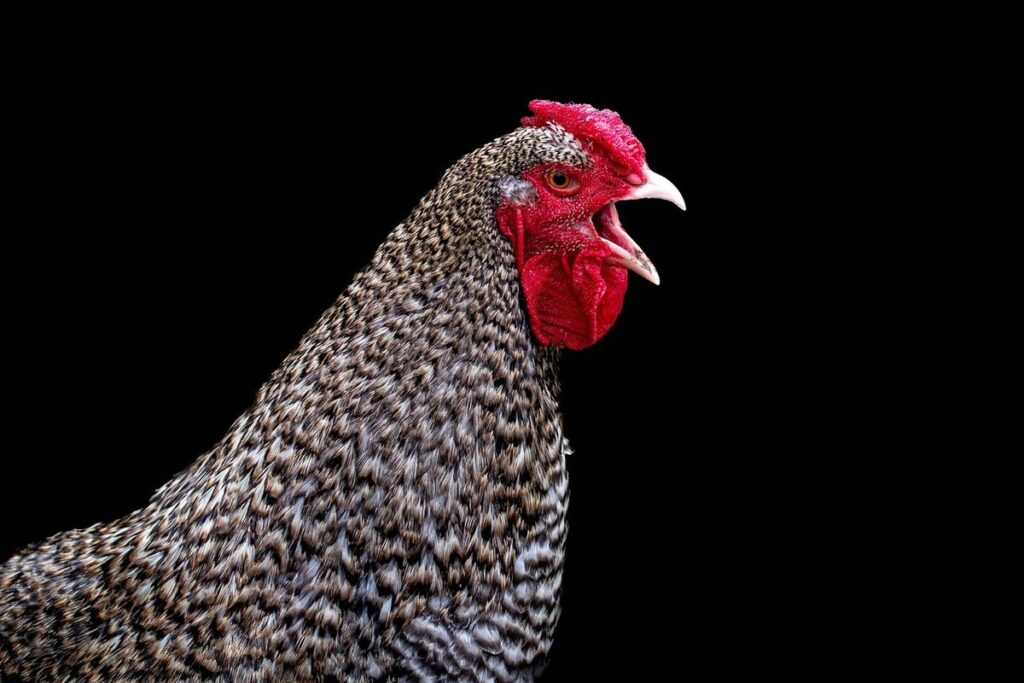
History and Origins of Delaware Chickens
Let’s take a step back into time to explore where the Delaware chicken originated, tracing its roots back to its birthplace in the United States. This historic breed has an interesting story to tell!
The Birthplace of Delaware Chickens
The birthplace of Delaware chickens is deeply rooted in the state’s rich agricultural history. In the early 20th century, farmers in Delaware began developing a new breed of chicken that would eventually become known as the Delaware. The goal was to create a dual-purpose bird that excelled both as an egg layer and a meat producer.
Delaware chickens were bred from a combination of Rhode Island Reds and Barred Plymouth Rock stock, with the aim of producing a hardy, heat-tolerant bird that could thrive in the state’s hot summers. The breed quickly gained popularity among local farmers due to its exceptional laying ability, reaching up to 200 brown eggs per year.
As Delaware chicken production expanded beyond the state’s borders, it caught the attention of poultry enthusiasts nationwide. In 1933, the American Poultry Association officially recognized the Delaware breed, solidifying its place in American poultry history. Today, the Delaware remains a beloved and sought-after breed among backyard farmers and commercial producers alike.
Early Development and Standardization
The development of the Delaware chicken breed is an interesting story that dates back to the early 20th century. In the 1930s, poultry farmers in the United States were looking for a new breed that could thrive in hot and humid climates. To address this need, breeders crossed various breeds, including the New Hampshire and Barred Plymouth Rock, to create a hardy and heat-tolerant chicken.
The key milestones in the development of Delaware chickens include their introduction as a commercial breed in 1945 by Ross Breeders Service. This company played a significant role in standardizing the breed’s characteristics, such as its deep-bodied frame, broad chest, and friendly temperament. The breed’s popularity soon grew due to its high egg production and adaptability to different environments.
The Delaware chicken’s standardization was also influenced by its initial use for commercial egg production. As more farmers adopted this breed, a set of guidelines and characteristics began to emerge that defined the Delaware chicken as we know it today. These include a weight range of 4-5 lbs, egg-laying capacity of around 200 eggs per year, and resistance to various diseases.
It’s worth noting that while breeders continued to work on refining the Delaware chicken’s characteristics, the breed has remained relatively unchanged since its introduction. This stability is one of the reasons why Delaware chickens remain a popular choice for backyard farmers and commercial producers alike.
Physical Characteristics of Delaware Chickens
When it comes to identifying a Delaware chicken, several physical characteristics can be key indicators. Look for these distinctive features and you’ll likely spot one easily.
Body Type and Size
The Delaware chicken is a medium to large-sized breed, known for its impressive size and robust build. On average, roosters typically weigh between 8-10 pounds (3.6-4.5 kg) and hens weigh around 6-8 pounds (2.7-3.6 kg). The body type of Delaware chickens is muscular and compact, with a broad breast and well-defined shoulders. Their size makes them an excellent choice for those looking to produce large eggs, as they can lay up to 280 brown eggs per year.
One notable feature of the Delaware chicken is its feathering, which consists of soft, fluffy feathers that require regular maintenance. The breed comes in two varieties: the light-colored “Light” and the darker “Dark”. Whether you choose one or the other, it’s essential to keep in mind that their feathers can be prone to matting if not properly cared for.
To ensure your Delaware chicken remains healthy and well-groomed, regular check-ups with a veterinarian and daily cleaning of the coop are crucial. Additionally, providing a balanced diet rich in protein and calcium will help support the growth and development of strong bones and muscles.
Plumage and Color Variations
The plumage and color variations of Delaware chickens are one of their most distinctive features. The breed is known for its wide range of colors and patterns, making it a popular choice among backyard chicken keepers.
Delaware chickens can come in a variety of colors, including silver, gold, blue, black, buff, and white. They can also exhibit striking patterns such as penciling, which involves dark stripes on the lower parts of the legs, and mottling, which creates a marbled effect on the feathers. The most common breed is the silver Delaware, known for its shining silver coat with a subtle sheen.
If you’re looking to bring home a Delaware chicken, it’s essential to consider their color preferences when selecting from a breeder or hatchery. Some Delaware chickens may be more prone to certain colors or patterns due to genetic factors. For example, if you’re breeding for silver plumage, look for birds with a strong silver sheen in the right places.
In terms of maintaining your Delaware chicken’s vibrant plumage, regular preening and dust bathing can help keep their feathers clean and shiny. A balanced diet rich in omega-3 fatty acids will also promote healthy skin and coat.
Temperament and Personality Traits
Delaware chickens are known for their friendly, outgoing nature, making them a great fit for families and backyard flocks. Let’s explore their temperament and personality traits in more detail.
Friendliness and Docility
When it comes to temperament and personality traits, Delaware chickens stand out for their exceptional friendliness and docility. These gentle birds are known to be approachable and affectionate, making them an ideal choice for families with children or for backyard chicken keepers who want a stress-free flock.
One of the most notable characteristics of Delaware chickens is their calm demeanor. They are relatively quiet compared to other breeds, producing a soft clucking sound that’s soothing to listen to. This gentle nature makes them perfect for small backyards or urban spaces where noise levels need to be kept in check.
In terms of handling, Delaware chickens are remarkably docile. They will often come running when called and enjoy being petted and cuddled. However, as with any breed, it’s essential to socialize them well from an early age to ensure they remain friendly and trusting around people.
Overall, the temperament of Delaware chickens is a significant advantage for backyard chicken keepers. With proper care and attention, these birds can become loving companions that bring joy and entertainment to your farm or homestead.
Hardiness and Adaptability
When it comes to hardiness and adaptability, Delaware chickens are often considered one of the most resilient breeds. They excel in a variety of environments, from backyards with small coops to large farms with multiple acres of land. One reason for their adaptability is their ability to tolerate heat and humidity. They can thrive in temperatures up to 90°F (32°C) without showing significant signs of distress.
In fact, studies have shown that Delaware chickens can withstand heat stress better than some other popular breeds. This makes them an excellent choice for farmers in warm climates or those who live in areas with intense summers. Another key factor contributing to their hardiness is their robust immune system. They are less prone to diseases and can often recover quickly from illnesses.
Overall, the adaptability of Delaware chickens is largely due to their ability to adjust to changing environments. Their calm demeanor and friendly nature also make them easy to handle and care for. If you’re planning to keep a flock of Delaware chickens, consider providing plenty of space for exercise and fresh air to promote overall health and well-being.
Raising Delaware Chickens: Tips and Best Practices
If you’re raising Delaware chickens, there are a few things to keep in mind to ensure their health and happiness, from diet to coop size. Proper care will also impact your egg production.
Housing and Environment Requirements
When it comes to housing and environment requirements for Delaware chickens, there are several key factors to consider. These birds need enough space to roam around comfortably, so a minimum of 2-4 square feet per bird is recommended inside the coop. Additionally, you’ll want to provide at least 8-10 square feet of outdoor area for each chicken to exercise and engage in natural behavior.
Ventilation is also crucial in preventing ammonia buildup from their droppings. Ensure that your coop has adequate airflow by installing windows or vents, which should be placed about 2-3 feet off the ground to prevent predators from entering. It’s equally important to maintain good sanitation practices. Remove soiled bedding material regularly and replace it with fresh, dry material like pine shavings.
A clean environment also includes having separate feeding and watering areas within the coop. These should be positioned far enough away from the roosting bars to prevent droppings from falling onto the food and water sources.
Nutrition and Feeding Guidelines
When it comes to feeding and nutrition for Delaware chickens, there are certain guidelines you should follow to ensure their optimal health. As a general rule, Delaware chickens are dual-purpose birds, meaning they can be raised for both eggs and meat production.
A balanced diet is crucial for maintaining the health and productivity of your flock. A good quality layer feed or starter feed should be provided as the main staple, supplemented with fresh fruits and vegetables daily. For example, you can offer leafy greens like kale, spinach, and collard greens, as well as fruits like berries, apples, and carrots.
In terms of specific dietary recommendations, Delaware chickens require a diet rich in protein (16-18% for layers) and calcium to support eggshell production and overall health. You can also consider adding oyster shells or crushed eggshells to their feed to provide extra calcium.
It’s also essential to ensure your flock always has access to fresh water. A general rule of thumb is to provide at least one gallon of water per chicken per day. By following these guidelines, you’ll be able to keep your Delaware chickens healthy and thriving.
Health Considerations and Common Issues
When raising Delaware chickens, it’s essential to be aware of potential health concerns that may arise. This section will cover common issues to watch out for and provide guidance on maintaining your flock’s overall well-being.
Genetic Predispositions and Health Concerns
As you raise your Delaware chickens, it’s essential to be aware of their potential genetic predispositions and common health concerns. One of the most significant issues affecting Delaware chickens is their susceptibility to reproductive problems. Hens may experience egg binding, which can lead to a range of complications including peritonitis, vent gleet, and infertility.
Another concern is Marek’s disease, a viral condition that affects poultry worldwide. Delaware chickens are particularly vulnerable due to their fast growth rate and high feed conversion efficiency. Identifying symptoms early on is crucial; look for signs such as lethargy, loss of appetite, and changes in egg production. Regular vaccination programs can help mitigate the risk.
To manage these health issues, make sure your flock receives regular check-ups from a veterinarian experienced in poultry care. Keep accurate records of their vaccinations, egg production, and any health concerns that arise. Additionally, maintain good hygiene practices, provide adequate nutrition, and ensure they have access to fresh water at all times. By being proactive, you can help minimize the risk of genetic predispositions and common health concerns affecting your Delaware flock.
Preventative Care and Maintenance
Regular health checks and preventative care are crucial for maintaining the overall well-being of your Delaware chickens. These birds are prone to certain health issues due to their physical characteristics, so being proactive is essential.
Firstly, make sure you’re providing a balanced diet that meets their nutritional needs. A high-quality commercial feed should be supplemented with fresh fruits and vegetables to ensure they get all necessary vitamins and minerals. Fresh water should always be available, and the quality of water should be checked regularly.
It’s also vital to maintain a clean coop and run area to prevent disease transmission. Regular cleaning, disinfecting, and mucking out will help keep your chickens healthy. Provide adequate ventilation, remove soiled bedding promptly, and ensure good airflow to prevent ammonia buildup.
Check for signs of health issues like respiratory problems, parasites, or skin conditions regularly. Monitor their droppings for abnormal colors, textures, or odors, which can indicate a health problem. By being vigilant and taking preventative measures, you’ll be able to identify potential issues early on, preventing them from becoming serious problems.
Breeding and Showing Delaware Chickens
If you’re interested in breeding or showing Delaware chickens, here’s what you need to know: breed characteristics, show standards, and tips for success.
Breed Standards and Registry Requirements
When breeding and showing Delaware chickens, it’s essential to understand the breed standards and registry requirements. The American Bantam Association (ABA) is one of the primary registries for Delaware chickens, and they have strict guidelines to ensure that the birds meet the breed standard.
To ensure your Delaware chickens meet the breed standard, you’ll need to focus on several key characteristics, including their size, feathering, and temperament. According to the ABA, Delaware hens should weigh between 5-7 pounds, while roosters should weigh between 6-8 pounds. The feathers should be bright white with a slight sheen, and the birds should have a docile and friendly temperament.
If you’re planning to show your Delaware chickens, make sure to familiarize yourself with the ABA’s breed standard and guidelines for registration. You’ll also need to submit documentation, including photos of your birds, to prove their conformation to the breed standard. By understanding and adhering to these requirements, you can help ensure that your Delaware chickens meet the necessary criteria for registration and competition.
To give you a better idea, here are some key points to focus on:
* Weight: 5-7 pounds (hens), 6-8 pounds (roosters)
* Feathering: Bright white with slight sheen
* Temperament: Docile and friendly
By paying attention to these details, you can help your Delaware chickens stand out in the show ring and prove their worth as a top-notch breed.
Tips for Successful Breeding and Raising
When breeding and raising Delaware chickens, it’s essential to consider genetic diversity to ensure the health and vitality of your flock. A diverse gene pool is critical for maintaining resistance against diseases and adapting to changing environmental conditions. To achieve this, breeders should aim to incorporate new bloodlines every few generations, introducing fresh genetics to prevent inbreeding.
Health testing is another vital aspect of successful breeding and raising. Regularly test your birds for common diseases such as Marek’s disease and avian influenza. This will help you identify potential issues early on and take corrective action before they spread throughout the flock.
It’s also crucial to maintain a clean and healthy environment, ensuring proper ventilation, feeding, and living conditions. A well-planned breeding program should prioritize animal welfare alongside genetic diversity. By following these best practices, you’ll be well on your way to raising robust and thriving Delaware chickens that meet the standards for showing.
Frequently Asked Questions
How to determine if Delaware chickens are a good fit for my backyard farm?
If you’re considering raising Delaware chickens, it’s essential to assess your property’s space and climate suitability. This breed requires adequate room to roam, access to fresh air and sunlight, and protection from harsh weather conditions. Evaluate your farm’s layout and ensure it can accommodate the needs of these active birds.
What are some common health issues associated with Delaware chickens?
While Delaware chickens are generally hardy, they may be prone to certain health issues, such as Marek’s disease and respiratory problems. Regular vaccinations, a balanced diet, and proper hygiene practices can help mitigate these risks. Consult with a veterinarian for specific guidance on maintaining the health of your flock.
Can I raise Delaware chickens in cold climates?
Delaware chickens are relatively adaptable to different environments but may require additional care in extremely cold or hot conditions. Provide them with warm shelter, adequate food and water, and ensure access to fresh air to help them cope with temperature fluctuations.
How do I breed and show Delaware chickens successfully?
To breed and show Delaware chickens effectively, it’s crucial to understand breed standards, familiarize yourself with the American Poultry Association (APA) guidelines, and practice selective breeding techniques. Focus on developing birds that exhibit desirable traits such as robust health, superior egg-laying capacity, and striking plumage.
What are some essential nutrients and supplements my Delaware chickens need?
Delaware chickens require a balanced diet rich in protein, calcium, and vitamins to ensure optimal health and egg production. Consider supplementing their feed with items like oyster shells for calcium enrichment or probiotics for improved digestive health. Always consult with a poultry expert or veterinarian before making changes to your flock’s nutrition regimen.