
Duck ponds are more than just a serene addition to your backyard or farm – they offer a wealth of benefits for both agriculture and conservation. Not only do they provide a natural source of water, but also support local wildlife populations. In this ultimate guide, we’ll delve into the world of duck ponds, covering everything from creation and building to management.
We’ll explore how duck ponds can be used in farming to boost crop yields and improve soil quality, as well as their role in conservation efforts to protect biodiversity. Whether you’re an avid gardener or a seasoned farmer, you’ll learn how to harness the potential of duck ponds for your leisure activities too – from paddling to fishing. With this comprehensive guide, you’ll be equipped with the knowledge to create and maintain thriving duck ponds that benefit both people and the environment.
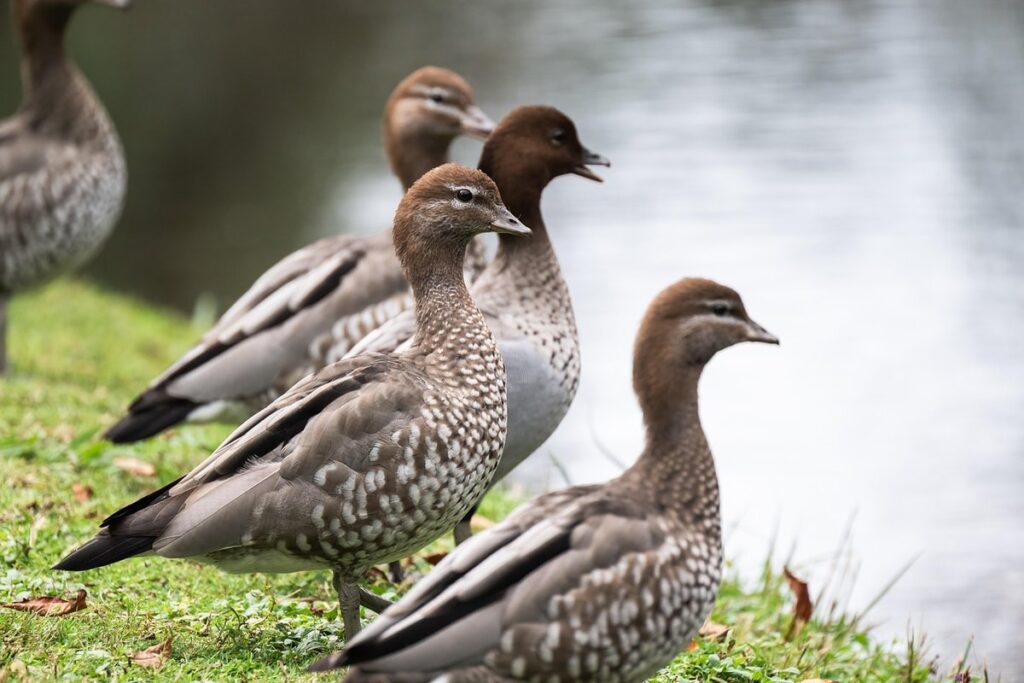
What is a Duck Pond?
Before we dive into designing and maintaining your very own duck pond, let’s start with the basics: what exactly is a duck pond in the first place.
Characteristics of a Duck Pond
A duck pond is more than just a body of water where ducks reside; it’s an ecosystem that serves multiple purposes. Typically, these ponds are designed to provide a safe and natural environment for ducks and other waterfowl to live, feed, and breed. The size of a duck pond can vary greatly, ranging from small, backyard ponds to large, commercial ones covering several acres.
The shape of the pond is also important, as it affects the water quality, circulation, and overall health of the ecosystem. A typical duck pond has a shallow area for swimming and a deeper area for feeding and breeding. The surroundings of the pond play a crucial role in its overall design and functionality. For example, a buffer zone with native plants can help filter out pollutants, while a fence or netting around the pond prevents predators from entering.
When designing your own duck pond, consider these factors to create a thriving ecosystem that benefits both the ducks and the environment.
Types of Duck Ponds
When it comes to designing a duck pond, there are various types of models to consider. These include natural, artificial, and hybrid models.
A natural duck pond is essentially a man-made body of water that mimics the characteristics of a natural lake or wetland. This type of pond often features native plants, trees, and other vegetation surrounding it. Natural duck ponds can provide an ideal environment for ducks to thrive, as they allow the birds to forage for food, take shelter, and interact with their surroundings naturally.
Artificial duck ponds, on the other hand, are constructed using materials such as concrete or liners. These types of ponds often lack native plants and require more maintenance than natural ponds. However, artificial ponds can be designed to accommodate specific needs, such as water features, lighting, and irrigation systems.
Hybrid models combine elements of both natural and artificial ponds. They may feature a man-made basin lined with materials like concrete or EPDM rubber, but also incorporate native plants and other natural elements to create a balanced ecosystem.
History and Cultural Significance of Duck Ponds
Duck ponds have been a staple in many cultures for centuries, providing not only a source of water for wildlife but also serving as symbols of tranquility and natural beauty. Let’s dive into their rich history and cultural significance.
Ancient Civilizations and Duck Ponds
Duck ponds have been an integral part of human civilization for thousands of years, with ancient cultures utilizing them not only for food but also as recreational spaces. Let’s take a journey through history and explore how the Egyptians and Chinese leveraged duck ponds to elevate their lives.
In ancient Egypt, around 2500 BC, duck ponds were used primarily for food production. The Nile River provided an abundance of water, making it feasible to create large-scale duck farms. These ducks not only supplied protein-rich meat but also eggs for consumption. In fact, the Egyptians revered ducks as a symbol of fertility and prosperity.
Similarly, in ancient China, around 1500 BC, duck ponds were used for both food and recreation. The Chinese bred various duck species, including the prized Muscovy duck, which was highly valued for its meat and down feathers. Chinese emperors would often stroll along these serene water features, enjoying the tranquility and beauty of nature.
Interestingly, ancient civilizations also recognized the importance of maintaining a balance between human activities and the ecosystem. They understood that healthy ducks required clean water, adequate food, and suitable habitats. By adopting sustainable practices, they ensured the long-term viability of their duck ponds.
By studying how our ancestors utilized duck ponds, we can draw valuable lessons for modern-day pond design and maintenance.
Modern-Day Duck Pond Culture
In recent years, duck ponds have transcended their traditional role as mere ornamental features to become integral components of modern agriculture, conservation efforts, and leisure activities. For instance, some farmers are utilizing duck ponds as a sustainable means of pest control and fertilizer production, thereby reducing chemical usage and enhancing soil health.
These water features also play a crucial role in wetland conservation, serving as natural habitats for various aquatic species and helping to maintain water quality through the regulation of aquatic ecosystems. Furthermore, modern duck pond design often incorporates elements such as solar-powered pumps and rainwater harvesting systems, making them more eco-friendly and efficient.
From an entertainment perspective, many homeowners are now incorporating duck ponds into their backyard designs, providing a serene and interactive space for family and friends to enjoy. To create your own modern duck pond, consider integrating water features like fountains or waterfalls to enhance visual appeal and create a soothing ambiance. By doing so, you can not only reap the benefits of these wonderful water features but also contribute to a more sustainable future.
Designing a Duck Pond: Key Considerations
When designing your duck pond, there are several key considerations to keep in mind to ensure it’s safe and enjoyable for both you and your feathered friends. Let’s dive into these essential factors.
Site Selection and Planning
When it comes to designing a duck pond, selecting the perfect location is crucial for its success. As a duck owner, you’ll want to ensure that your pond provides a safe and healthy environment for your feathered friends.
To begin with, consider the water table in your area. A reliable water source is essential for maintaining a thriving duck pond ecosystem. You’ll also need to think about soil quality, as some types of soil can be toxic to ducks or affect their ability to breed. Look for areas with fertile soil that will support lush vegetation and beneficial bacteria.
Sunlight exposure is another vital factor to consider. Ducks need access to sunlight to regulate their circadian rhythms and stay healthy. Aim for a location that receives at least 6 hours of direct sunlight per day. Additionally, ensure that your pond’s layout allows for easy maintenance and cleaning, including a convenient drainage system.
Lastly, assess the local climate and weather patterns to determine if you’ll need to implement any additional features, such as windbreaks or frost protection, to safeguard your duck pond from extreme conditions. By carefully evaluating these factors, you can create an optimal environment for your ducks to thrive in.
Water Quality and Circulation
When designing a duck pond, maintaining optimal water quality is crucial for the health of both the ducks and the ecosystem. One key aspect to consider is water circulation. This refers to the movement of water throughout the pond to ensure that all areas receive adequate oxygenation and nutrient distribution. A well-designed circulation system can help prevent stagnation and reduce the risk of algal blooms.
To achieve optimal water quality, incorporate features such as fountains, pumps, or aeration systems into your design. These will not only circulate the water but also add oxygen to the pond, making it more suitable for duck habitation. In addition to circulation, consider incorporating filtration systems to remove debris and excess nutrients from the water.
A good rule of thumb is to ensure that at least 10-15% of the pond’s surface area is comprised of shallow water (less than 6 inches deep) where water can easily exchange with the atmosphere. This will help maintain a healthy balance of oxygen levels in the pond. By incorporating these design elements, you’ll be well on your way to creating a thriving and self-sustaining duck pond ecosystem.
Building a Duck Pond: Materials and Techniques
When building a duck pond, selecting the right materials and techniques is crucial for creating a safe and healthy environment for your feathered friends to thrive in. Let’s explore the essential elements you’ll need to get started.
Choosing the Right Materials
When it comes to building a duck pond, choosing the right materials is crucial for creating a safe and healthy environment for your feathered friends. Let’s dive into the essential components you’ll need to consider: liners, pumps, and pipes.
A high-quality liner is the first line of defense against water loss and contamination. Look for durable, puncture-resistant materials like EPDM (ethylene propylene diene monomer) or PVC (polyvinyl chloride). Consider the size of your pond and factor in a little extra material to ensure a snug fit.
For pumps, you’ll want to select one that can circulate water efficiently while minimizing noise. A submersible pump is an excellent option as it can be fully submerged in the pond, reducing splashing and making maintenance easier. When choosing pipes, opt for durable materials like PVC or ABS (acrylonitrile butadiene styrene) that can withstand the water pressure and chemicals present in your pond.
Remember to research local regulations regarding materials usage, especially if you’re using a liner made from specific materials. It’s also essential to follow proper installation procedures for all components to ensure their longevity and performance.
Construction Methods and Best Practices
When it comes to building a duck pond, choosing the right construction methods is crucial for its longevity and functionality. Excavation is one of the most critical steps in constructing a duck pond. This involves digging out the pond’s shape and size while taking into account the surrounding terrain. To achieve a precise excavation, use a backhoe or a mini excavator to remove the soil and create a smooth surface.
Next, leveling and grading are essential to ensure that your duck pond is stable and safe for the ducks to swim in. Leveling involves ensuring that the bottom of the pond is perfectly flat, while grading refers to creating a gentle slope around the pond’s edges to allow water to flow freely. This process requires patience and attention to detail, but it’s vital to prevent any waterlogged areas or standing water.
It’s also essential to consider the surrounding landscape when constructing your duck pond. For instance, you’ll want to ensure that the water level is at least a few feet below the surrounding ground level to prevent flooding during heavy rainfall. By following these construction methods and best practices, you can create a safe, functional, and visually appealing duck pond for both you and your feathered friends to enjoy.
Maintenance and Management of Duck Ponds
Effective maintenance is crucial for a thriving duck pond ecosystem, and regular management tasks can ensure your water features remain safe and healthy for your feathered friends. This section will guide you through essential upkeep strategies.
Regular Cleaning and Monitoring
Maintaining good water quality is crucial for the health of your ducks and the overall ecosystem of your pond. Regular cleaning and monitoring are essential tasks that will help you achieve this goal.
To start with, it’s recommended to test your water parameters at least once a week. This includes measuring pH levels, ammonia, nitrite, and nitrate levels. You can use a water testing kit or consult a local pet store for guidance on how to collect and analyze the samples. Aim for the following ranges: pH 6.5-8.5, ammonia <0.1 ppm, nitrite <0.1 ppm, and nitrate <20 ppm.
Regular cleaning involves removing debris, algae, and dead plants from the pond. Use a skimmer or net to remove floating particles and a water pump to circulate the water and prevent stagnation. Consider introducing beneficial bacteria that break down organic matter and help maintain a balanced ecosystem.
Remember, it’s not just about cleaning the surface; you also need to monitor the water quality regularly. Check for signs of stress in your ducks, such as changes in appetite or behavior, which could be indicative of poor water quality.
Managing Water Levels and Circulation
Maintaining optimal water levels and circulation is crucial for the health and safety of ducks in your pond. Water levels can fluctuate due to rainfall, evaporation, or changes in water usage. It’s essential to monitor these fluctuations regularly to prevent water quality issues.
You should aim to keep the water level at a consistent depth to ensure adequate oxygen supply for the ducks. A general rule of thumb is to maintain a depth of 12-18 inches below the surface. If the water level drops too low, it can lead to an increase in bacteria and algae growth, which can be toxic to the ducks.
To promote healthy circulation, you should create a gentle flow of water by installing a pump or aerator. This will help distribute oxygen throughout the pond and prevent stagnation. Additionally, consider adding plants with deep roots, such as cattails or water lilies, which can help to circulate water through their growth. Regularly inspecting your pond’s equipment and making adjustments as needed is also crucial for maintaining optimal circulation.
In extreme cases of drought or heavy rainfall, you may need to implement measures such as installing a backup pump or adding a secondary drainage system to regulate water levels effectively.
Benefits and Uses of Duck Ponds
A duck pond can be a fantastic addition to your backyard, providing a serene water feature and offering various benefits for you and your feathered friends. Let’s explore some of its most useful advantages!
Agricultural and Economic Benefits
A duck pond on your property can have a significant impact on both your agricultural production and economic bottom line. Let’s start with food production: ducks are prolific egg layers, producing an average of 280 eggs per year, depending on breed and management practices. With proper care and planning, you can raise a small flock to meet your family’s needs for fresh eggs, or even sell them at market to generate some extra income.
When it comes to meat production, ducks are also an excellent choice. They mature faster than chickens, taking only about 70 days to reach harvest weight, compared to 84 days for broiler chickens. With a small pond and a few acres of suitable grazing land, you can raise a dozen or more ducks on your property, providing a steady supply of fresh meat throughout the year.
In terms of revenue generation, duck ponds offer several opportunities. You can sell eggs and ducklings to local farmers, breeders, or hobbyists, generating a significant income stream. Additionally, duck-raising has become increasingly popular as a value-added agricultural pursuit, with many people interested in learning how to raise their own ducks for meat and eggs. By offering workshops, tours, or consulting services on duck-keeping and pond management, you can monetize your expertise and expand your revenue potential even further.
Conservation and Ecological Importance
Duck ponds play a vital role in maintaining biodiversity and supporting local wildlife. These small ecosystems provide habitat for a variety of plants and animals, including insects, fish, birds, and even mammals. By incorporating native vegetation and creating a balanced aquatic environment, duck ponds can support up to 100 times more species than surrounding areas.
For example, the presence of water lilies in a duck pond can help to control algae growth, improve water quality, and provide shelter for small animals like fish and frogs. Similarly, the incorporation of rocks or boulders can create hiding places for aquatic life and prevent erosion. By mimicking natural habitats, duck pond owners can encourage local wildlife to visit and even reside in their ponds.
When designing a duck pond, consider incorporating features that promote biodiversity, such as native plant species, artificial nesting sites, and log piles. This not only supports local wildlife but also enhances the overall aesthetic appeal of your pond.
Conclusion: The Joy of Duck Ponds
As you’ve now learned everything there is to know about duck ponds, let’s wrap up by exploring the simple joys they bring to our daily lives. It’s time to discover the happiness that comes from having a serene duck pond in your own backyard!
Recap of Key Takeaways
In recap, we’ve covered all the essential aspects of designing, building, and maintaining a duck pond that brings joy to you and your family. To sum it up, consider the following key takeaways:
When it comes to design, think about the size and shape of your pond, taking into account the space available in your backyard and the type of ducks you plan to keep. Aim for a minimum depth of 2 feet to prevent freezing during winter months and ensure easy access for maintenance.
Maintenance is crucial to keeping your duck pond healthy and thriving. This includes regular water testing, cleaning the pond regularly, and monitoring the health of your ducks. Consider installing an automated feeder or adding plants that help with water filtration.
Lastly, don’t forget about the benefits of having a duck pond! Not only do they provide a natural source of eggs, but they also offer entertainment and educational opportunities for children (and adults alike). With proper care and attention, a duck pond can become a beloved addition to your property.
Inspiring Stories and Examples
As you’ve learned throughout this comprehensive guide, duck ponds can bring immense joy and serenity to any outdoor space. But don’t just take our word for it – let’s dive into some inspiring stories and examples of successful duck ponds that will motivate you to create your own.
Take the story of Emma, a busy working mom who transformed her backyard with a small duck pond. She invested time in researching different designs and learned how to maintain a healthy ecosystem. Now, her family enjoys relaxing by the water’s edge, watching the ducks swim and play. The pond has become a cherished family spot for picnics and outdoor activities.
Another example is that of Tom, a seasoned gardener who incorporated a larger duck pond into his estate. He carefully selected native plants to create a balanced environment and implemented a pump system to maintain water quality. Today, his property boasts an impressive variety of bird species, including ducks, geese, and even the occasional heron.
These examples demonstrate that creating a thriving duck pond requires dedication and research – but the rewards are well worth it. By choosing the right design and maintenance routine, you can bring your own slice of serenity to your backyard. So why not start planning your dream duck pond today?
Frequently Asked Questions
How Do I Measure the Water Circulation in My Duck Pond?
Measuring water circulation is crucial for maintaining a healthy duck pond ecosystem. You can use a flow meter or install a weir to monitor water flow rates. Regularly inspecting your pond’s water level and circulation will help you identify any issues before they become major problems.
What Are the Best Plants to Grow Around My Duck Pond?
Planting native aquatic plants around your duck pond can enhance its ecological value and provide shade for the ducks. Consider planting water lilies, cattails, or rushes, which are easy to maintain and promote biodiversity. Be sure to choose plants suitable for your local climate and soil type.
How Often Should I Clean My Duck Pond?
Regular cleaning is essential to maintaining a healthy duck pond environment. Aim to clean your pond at least once a month during peak waterfowl season (spring-fall) and more frequently if you notice significant algae growth or debris accumulation. Remember to inspect your pond’s filters, pumps, and other equipment regularly for optimal performance.
Can I Use Duck Ponds as a Source of Fertilizer?
Yes, duck ponds can be an excellent source of natural fertilizer. The droppings from waterfowl can be collected and used as nutrient-rich compost for your garden or crops. Be sure to follow proper safety protocols when handling and applying the fertilizer to avoid contamination.
How Do I Prevent Algal Blooms in My Duck Pond?
Preventing algal blooms requires maintaining a balanced ecosystem. Regularly monitor water quality, ensure adequate aeration and circulation, and control nutrient input from duck droppings or external fertilizers. Implementing a mix of aquatic plants can also help absorb excess nutrients and prevent excessive algae growth.