
When it comes to raising chickens, many backyard farmers and enthusiasts get excited about adding new feathered friends to their flock. But have you ever wondered how to tell a rooster from a hen? Or, more importantly, what are the key differences between these two birds that will help you care for them effectively? Understanding the distinct characteristics of roosters and hens is crucial in ensuring their health, happiness, and productivity. In this article, we’ll explore the main differences between roosters and hens, including physical features, behavior, reproduction, health, and longevity. We’ll also provide valuable tips on how to raise and care for both, so you can enjoy a thriving and happy flock. By the end of this post, you’ll be well-equipped to identify, feed, and keep your roosters and hens healthy and content.
What are Roosters and Hens?
To fully grasp the distinction between roosters and hens, it’s essential to understand their basic characteristics and differences from birth. This sets them on unique paths as they mature.
Defining Roosters
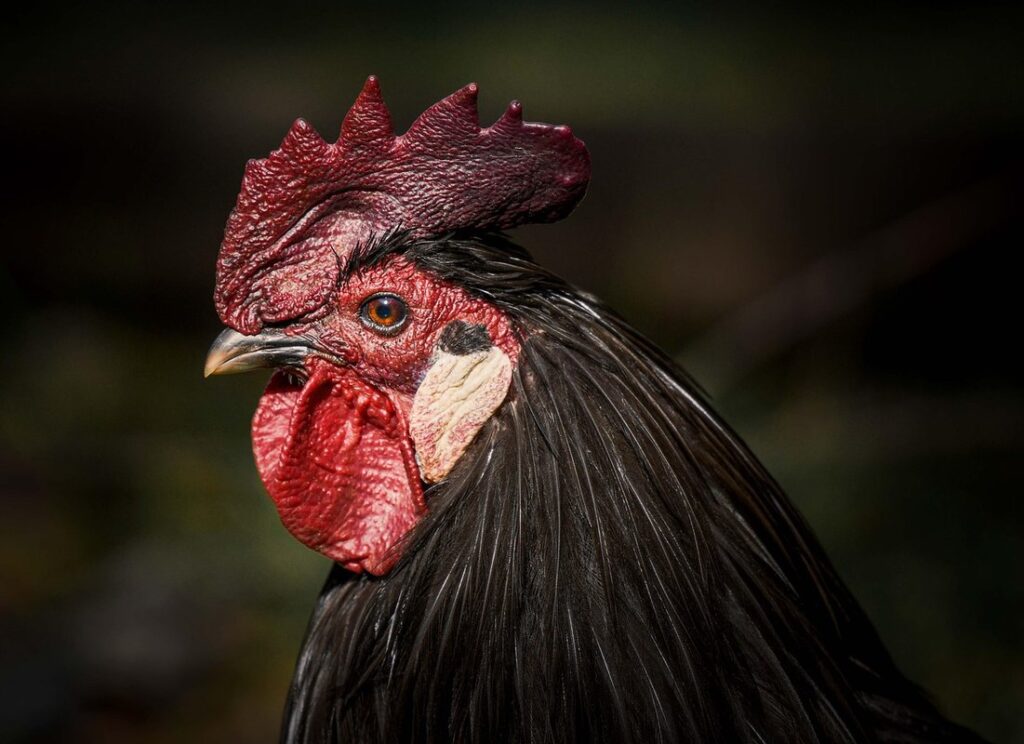
A rooster is a male chicken that plays a vital role in a flock. His primary function is to fertilize eggs and maintain order within the group through his loud crowing. Roosters are larger and more muscular than hens, with distinctive plumage and a bold personality. One way to identify a rooster is by his bright comb and wattle, which can be quite large.
When it comes to their role in a flock, roosters serve as protectors of the hens, defending them from potential threats such as predators or rival birds. They also help maintain social order, settling disputes between hens with a loud crow or even physical intervention if necessary.
In terms of basic characteristics, roosters are typically more aggressive than hens and can be quite territorial. They require plenty of space to move around and may become stressed in small enclosures. It’s essential for chicken keepers to understand the unique needs and personalities of their rooster to ensure a harmonious flock environment.
Roosters also contribute to egg production, though not directly by laying eggs themselves. By fertilizing eggs, they enable hens to produce chicks when they are ready to incubate the eggs.
Defining Hens
When it comes to chickens, hens are often misunderstood as being similar to roosters. However, they play a crucial role within the flock and have distinct characteristics that set them apart.
Hens are adult female chickens responsible for laying eggs. They account for about 70% of a chicken’s population in any given farm or backyard. Within the flock, hens take on various responsibilities such as protecting their young, maintaining social order, and ensuring food distribution. A hen’s key features that distinguish her from roosters include a lack of testosterone, which leads to smaller size and less aggressive behavior.
One way to identify a hen is by observing her comb – it’s typically smaller than a rooster’s and more rounded in shape. Her beak too will be shorter compared to the long pointed one found on a male chicken. Overall, hens are valued for their egg-laying abilities and social roles within the flock.
By understanding these characteristics, you can easily differentiate between hens and roosters, allowing you to better manage your flock’s needs and develop more effective husbandry practices.
Physical Characteristics
When it comes to identifying roosters and hens, their physical characteristics are a key giveaway. Let’s take a closer look at some of these distinctive features in chickens.
Size and Weight Differences
When it comes to size and weight, roosters and hens exhibit distinct differences. Roosters tend to be larger and more muscular than hens, with a average height of around 28-30 inches (71-76 cm) at the shoulder. In contrast, hens typically reach a height of about 24-26 inches (61-66 cm). This size difference is not only noticeable in their physical stature but also in their weight, with roosters usually weighing between 8-12 pounds (3.6-5.4 kg), while hens weigh around 6-8 pounds (2.7-3.6 kg).
The plumage of roosters and hens also varies significantly. Roosters have a more vibrant and iridescent plumage, often with striking colors and patterns on their necks, backs, and tails. Hens, on the other hand, tend to have duller and more muted feathers, although they can still display beautiful shades of brown, gray, or white. When choosing between these two types of chickens, consider the space and care you’re willing to provide for your birds. Roosters require a bit more room to roam and may need additional attention due to their larger size and energy levels.
Feathers, Beak Shape, and Tail
When it comes to identifying whether you have a rooster or hen, physical characteristics can be quite telling. One of the most noticeable differences is in their feathers. Roosters tend to have more vibrant and iridescent feathers, especially on their necks and tails. Hens, on the other hand, may have duller or more subdued plumage.
Another key difference lies in their beak shape. Roosters typically have a thicker, stronger beak that’s well-suited for pecking at grain and breaking open seeds. In contrast, hens often have a slender, tapered beak that’s better suited for scratching up insects and worms.
Finally, the length and style of a bird’s tail can also provide clues about its sex. Roosters tend to have longer, more elaborate tails with long feathers that stream behind them when they strut. Hens typically have shorter, simpler tails or may even be almost tailless.
To visually identify these differences, it’s helpful to observe your birds from different angles and in various lighting conditions. This can give you a better sense of the unique characteristics of each individual bird.
Behavioral Differences
One of the most noticeable differences between roosters and hens is their behavior, which can be quite distinct. As you observe your flock, you’ll likely notice some telling behaviors that set them apart.
Rooster Behavior: Dominance, Fighting, and Mating
When it comes to rooster behavior, one of the most interesting and complex aspects is their role in establishing dominance within the flock. Roosters engage in dominance displays as a way to assert their position within the social hierarchy. These displays can range from loud crowing to strutting around the coop with feathers puffed out.
You might see two roosters fighting, often over food or mating rights. This behavior is not uncommon and serves several purposes. For one, it allows them to establish a clear pecking order within the flock. It also helps them identify potential threats and competitors for resources.
Roosters will often engage in intense courtship displays when they spot a receptive hen. These displays can be quite elaborate, involving strutting, posturing, and vocalizations to impress the female. Once mated, the rooster’s role shifts to protecting the flock from predators and rival males.
Understanding these behaviors is essential for creating a harmonious and healthy flock environment. By recognizing dominance displays as a natural part of rooster behavior, you can take steps to reduce aggression and create a more peaceful coop dynamic.
Hen Behavior: Broodiness, Nesting, and Foraging
When it comes to hens, their behavior is often driven by their nurturing instincts. One of the most recognizable signs of a hen’s broodiness is her desire to sit on eggs and care for them as if they were her own chicks. This can be triggered by various factors, including age, nutrition, and even social interaction with other birds.
Hens also exhibit distinct nesting habits, often choosing secluded areas like corners or behind plants to lay their eggs. They may collect soft materials like straw or feathers to line their nests, creating a cozy space for incubating eggs. In fact, some breeds are more prone to broodiness than others, such as Orpingtons and Sussex.
When it comes to foraging, hens employ various strategies to locate food sources. They use their keen sense of smell and vision to sniff out bugs, seeds, and grains. Some hens may even work together with other birds to uncover hidden treasures in the yard or farm.
Reproductive Differences
When it comes to reproduction, some key differences exist between roosters and hens that are essential for understanding their unique roles within a flock. Let’s explore these differences in more detail.
Rooster Fertility and Breeding Habits
When it comes to rooster fertility and breeding habits, there are several key factors to consider. Roosters are capable of reproducing throughout their lives, but their fertility rates do decline with age. On average, a healthy rooster can father around 200-300 chicks per year, although this number can vary depending on breed and individual performance.
Roosters typically reach sexual maturity at around 16-20 weeks old, although some breeds may mature earlier or later than others. Breeding season for roosters is usually tied to the hen’s reproductive cycle, with most hens laying eggs between 18-24 months of age. Roosters will often begin breeding when they’re around 6-8 months old.
To breed successfully, it’s essential to choose a healthy, mature rooster and provide him with adequate nutrition, exercise, and living conditions. With proper care, a rooster can become an excellent breeder, producing high-quality chicks for your flock or for sale.
In terms of breeding practices, some popular methods include artificial insemination (AI) and natural mating. AI involves using a syringe to insert the rooster’s semen into the hen’s reproductive tract, while natural mating allows the roosters to mate with hens naturally. Both methods have their advantages and disadvantages, and it’s essential to research and understand the specific needs of your birds before attempting to breed them.
Hen Egg-Laying Capacity and Cycles
When it comes to egg-laying capacity and cycles, hens are incredibly efficient birds. A healthy hen will lay an average of 280-300 eggs per year, depending on breed, nutrition, and living conditions. However, their egg production is influenced by several factors.
Age plays a significant role in a hen’s egg-laying capacity. Most breeds begin laying eggs at around 18-24 weeks of age, but some may start as early as 16 weeks or as late as 30 weeks. As hens mature, their egg production will reach its peak between 1-3 years of age. After this, production will gradually decline.
Nutrition also affects a hen’s ability to lay eggs. Adequate protein and calcium intake are crucial for maintaining strong eggshells and overall reproductive health. A diet rich in fruits, vegetables, and grains can help support optimal egg production.
Lighting conditions also play a critical role in regulating a hen’s reproductive cycle. In most breeds, light exposure affects the release of hormones that stimulate ovulation and egg-laying. Generally, hens require 14 hours of daylight to maintain regular egg production.
Health and Longevity Differences
When it comes to their overall health and longevity, there are some notable differences between roosters and hens that you should know about. Let’s dive into what sets them apart.
Common Ailments Affecting Roosters and Hens
When it comes to health issues, roosters and hens can be susceptible to different diseases due to their unique biology and behavior. For instance, roosters are more prone to respiratory problems such as Aspergillosis, a fungal infection that affects the lungs, due to their larger size and aggressive behavior, which can lead to stress and weakened immune systems.
Hens, on the other hand, are more susceptible to reproductive health issues, particularly egg binding and prolapse, likely due to the physical strain of laying eggs. Research suggests that hens have a higher mortality rate from these conditions than roosters. To mitigate these risks, it’s essential for backyard chicken keepers to provide regular health checks, maintain clean living conditions, and offer balanced diets.
In addition, broodiness – a natural behavior in hens where they stop laying eggs to incubate their own or other birds’ eggs – can lead to egg-laying cessation and potential health complications. Roosters are also more likely to suffer from metabolic bone disease due to calcium deficiencies, which can be prevented with proper nutrition.
By understanding these differences in disease susceptibility, chicken keepers can take proactive steps to ensure the overall health and well-being of their flock.
Average Lifespan of Roosters vs. Hens
When it comes to the average lifespan of roosters versus hens, there are some notable differences that can impact their overall health and longevity. On average, a rooster’s lifespan is typically shorter than that of a hen, with an average lifespan ranging from 5 to 7 years, depending on breed and living conditions.
However, this disparity can be attributed not only to environmental factors but also genetic ones. For instance, some breeds like the Silkie or Polish are known for their longer lifespan, often reaching up to 10-12 years in optimal conditions, whereas larger breeds such as Leghorns tend to have shorter lifespans, averaging around 5-6 years.
Genetic predisposition aside, living conditions also play a significant role in determining an individual bird’s lifespan. Factors like nutrition, exercise, and exposure to disease all contribute to the overall health and longevity of both roosters and hens. A balanced diet rich in nutrients, regular veterinary check-ups, and protection from predators are essential for ensuring that your flock lives its full potential.
In contrast, hens tend to have a slightly longer lifespan than roosters, with some breeds reaching up to 12-15 years or more. This is largely due to the fact that hens are generally less aggressive and therefore less likely to engage in stressful behaviors that can shorten their lifespan.
Raising and Caring for Both
When it comes to raising chickens, knowing how to care for both roosters and hens can be a challenge. Let’s explore some essential tips for managing their unique needs together in one flock.
Tips for Differentiating Between Young Chicks
When you bring home a batch of newly hatched chicks, it can be exciting but also overwhelming to figure out which ones are going to grow into roosters and which will become hens. The good news is that with some practice and attention to detail, you can start to differentiate between the two at a young age.
Start by observing their physical characteristics: males tend to have more prominent combs, larger beaks, and stronger legs than females. Also, look for the presence of testes – if you can see them peeking out from under the tail feathers, it’s likely a rooster.
However, don’t rely solely on physical attributes; behavioral cues are also crucial in identifying young hens versus roosters. Watch how they interact with their surroundings and other chicks: males tend to be more energetic and dominant, while females will often keep a lower profile.
Keep in mind that it may take some trial and error to develop your observation skills. But the earlier you can identify which birds are going to mature into roosters and hens, the better equipped you’ll be to plan for breeding, management, or culling purposes.
Best Practices for Managing Your Flock
Maintaining a balanced flock is crucial for the health and happiness of both roosters and hens. To start, it’s essential to establish an appropriate gender ratio. A general rule of thumb is to have one rooster for every 8-10 hens. This not only prevents excessive aggression but also ensures the hens are free to roam without fear of harassment.
When it comes to housing, both roosters and hens require adequate space to move around comfortably. However, you’ll need to consider the age and health of your birds when determining the ideal layout. Younger or more energetic birds may benefit from a larger enclosure with ample perches and nesting boxes. Additionally, provide enough ventilation and lighting to prevent heat stress.
Nutrition is also vital for maintaining a balanced flock. Roosters, in particular, require more protein-rich foods as they grow and develop their plumage. Hens, on the other hand, benefit from high-quality layer feed to support egg production. By understanding these basic needs, you can create an environment that caters to both your rooster’s strength and your hen’s productivity.
Frequently Asked Questions
How do I identify a rooster vs hen in a flock with many chickens?
Identifying individual birds can be challenging, but look for distinct plumage patterns, size differences, and loud crowing to determine if you have a rooster. Observe their behavior; roosters tend to assert dominance, while hens often focus on broodiness or foraging.
Can roosters and hens live together without any issues?
While it’s possible for them to coexist, introducing a new rooster to an existing flock can be challenging. Monitor their interactions closely, and ensure the rooster is not overly aggressive or bullying the hens. Provide enough space and separate areas for each bird type to reduce stress.
How do I prevent roosters from fighting among themselves?
Rooster dominance can lead to fierce battles. Separate young roosters at birth to minimize aggression issues later on. Gradually introduce new birds into your flock when they’re mature, monitoring their interactions closely. Provide enough space and visual barriers to reduce territorial disputes.
What’s the best way to manage egg-laying capacity in my flock?
To maximize egg production, ensure each hen has adequate nutrition, shelter, and space. Collect eggs daily to prevent breakage, which can lead to bacterial infections. Consider grouping hens by age or breed to optimize their reproductive cycles.
Can I raise roosters as pets if they’re not used for breeding purposes?
Yes, roosters can make wonderful pets due to their unique personalities and loyalty. Just be aware that many local regulations may prohibit owning roosters solely for personal pleasure, so check your area’s laws before acquiring one.