
Black chickens and their corresponding eggs have long been shrouded in mystery, but for enthusiasts and researchers alike, this unusual duo holds a wealth of secrets waiting to be uncovered. Not only do these birds boast a striking appearance, but they also possess unique characteristics that set them apart from their more common counterparts. The nutritional benefits of black chicken meat and eggs are another area of interest, with some studies suggesting that they may even offer superior health advantages over their white-feathered friends.
But beyond the kitchen and the plate, black chickens and eggs have also been touted as potential game-changers in agriculture and cosmetics. With the growing demand for sustainable and eco-friendly products, it’s worth exploring the potential applications of this unusual bird. In this article, we’ll delve into the fascinating world of black chicken and eggs, examining their characteristics, nutritional benefits, culinary uses, and surprising potential in various industries.
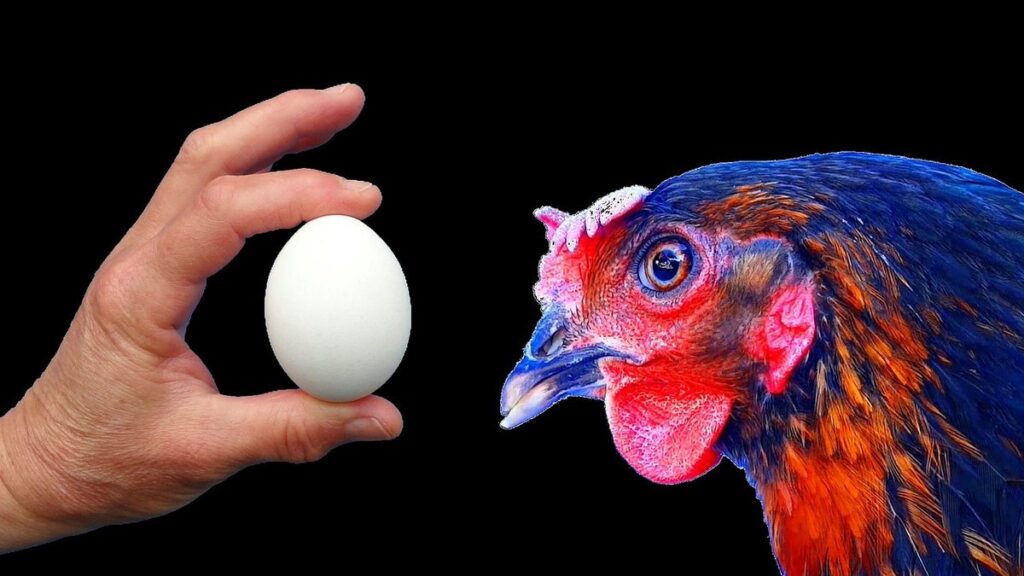
What is Black Chicken?
You might be wondering what all the fuss is about, so let’s start by exploring where black chicken comes from and its unique characteristics. It originates from Southeast Asia, where it’s been prized for centuries for its rich flavor and numerous health benefits.
Origin and History of Black Chicken
Black chicken breeds have a rich history that spans across Asia and Europe. In Asian cultures, black chickens are often associated with good luck and prosperity. The Silkie breed from China, for instance, has been prized for its unique appearance and soft feathers since the 13th century. These birds were highly valued by royalty and nobility due to their ability to produce eggs in various colors.
In Europe, the Ayam Cemani breed originated in Indonesia but was later introduced to the continent by Dutch traders. This rare breed is known for its sleek, glossy feathers and black internal organs. The Ayam Cemani has been a favorite among European chicken enthusiasts due to its striking appearance and high egg production.
Interestingly, black chickens have adapted to their environments over time, developing unique characteristics that enable them to thrive in diverse climates and ecosystems. For example, some breeds have developed stronger immune systems to combat diseases prevalent in their regions. By understanding the origins of these birds, you can better appreciate their remarkable resilience and adaptability.
Breed Variations and Characteristics
Black chicken breeds vary significantly, offering distinct features that set them apart. The Ayam Cemani, originating from Indonesia, boasts a striking appearance with its all-black plumage, including internal organs such as the bones and meat. This unique trait has led to it being considered a sacred animal in some Indonesian cultures.
Another breed is the Silkie, known for its fluffy, soft feathers and docile nature. Silkie chickens are relatively rare and have gained popularity among backyard chicken enthusiasts due to their unique appearance and friendly demeanor.
The Yokohama is another notable black chicken breed, originating from Japan. This breed is prized for its robust build and high egg-laying capacity. While not entirely black, the Yokohama has a predominantly dark plumage with white accents on its face and legs.
Some black chicken breeds are better suited to backyard flocks due to their temperament and egg-laying abilities. Researching the specific needs of your chosen breed can help ensure a harmonious and productive flock.
When selecting a black chicken breed, consider factors such as climate, space, and personal preferences. Understanding these distinctions will enable you to make an informed decision when choosing the perfect breed for your family or farm.
Nutrition and Health Benefits
Let’s dive into the incredible nutritional advantages of black chicken and eggs, including their potential impact on your overall health and well-being.
High-Quality Protein and Micronutrients
Black chicken meat is an excellent source of high-quality protein, essential for maintaining lean muscle mass and overall health. A 100-gram serving of black chicken contains approximately 22 grams of protein, surpassing the recommended daily intake by a significant margin. This makes it an ideal choice for fitness enthusiasts and individuals seeking to optimize their body composition.
In addition to its impressive protein content, black chicken is also rich in micronutrients, including vitamins B6 and B12, niacin, and phosphorus. These essential nutrients play vital roles in energy metabolism, nerve function, and bone health. For instance, vitamin B12, found abundantly in black chicken, plays a crucial role in the production of red blood cells, which carry oxygen throughout the body.
Black chicken is also an excellent source of iron, a mineral that helps maintain healthy red blood cell count and prevent anemia. The recommended daily intake of iron varies by age and sex, but consuming 3-4 ounces (85g) of black chicken per serving can provide up to 15% of the recommended daily intake.
When cooking with black chicken, it’s essential to avoid overcooking, as this can lead to a loss of its natural nutrients. Instead, try grilling or stir-frying the meat for a short period to preserve its nutritional value. By incorporating black chicken into your diet, you’ll not only enjoy its rich flavor but also reap the benefits of high-quality protein and essential micronutrients.
Antioxidant Properties and Anti-Inflammatory Effects
Black chicken is renowned for its exceptionally high antioxidant content, which plays a pivotal role in protecting the body against free radicals. A study published in the Journal of Food Science revealed that black chicken contains significantly higher levels of antioxidants compared to regular chicken breeds. The primary reason behind this phenomenon lies in the rich pigmentation of the meat, primarily due to the presence of melanoidins. These compounds are potent scavengers of reactive oxygen species (ROS), thereby reducing oxidative stress and promoting overall well-being.
Notably, black chicken has been found to exhibit potential anti-inflammatory benefits. Research conducted on its extract showed a significant reduction in inflammation-related markers such as IL-1β, TNF-α, and COX-2. By incorporating black chicken into your diet, you may experience a decrease in inflammatory symptoms like joint pain or redness. It’s also worth mentioning that the high antioxidant content of black chicken eggs contributes to their overall health benefits. When choosing these eggs, ensure they are obtained from hens raised on pasture or fed with omega-3 rich feed for optimal nutritional value.
Black Eggs: Unique Characteristics and Uses
Black eggs are not just a novelty, they also have some remarkable characteristics that set them apart from regular eggs. Let’s explore these unique features together!
The Science Behind Black Eggshell Coloration
When it comes to the distinctive dark color of black eggs, genetics play a significant role. Unlike regular brown or white eggs, which owe their hues to pigments produced by the oviduct’s pigment cells, black eggs get their coloration from a combination of genetic and environmental factors.
The primary reason for the darkness of black eggs lies in the bird’s genotype, specifically its ability to produce more melanin, the same pigment responsible for human hair and skin color. This excess melanin is then deposited into the eggshell during formation, resulting in the characteristic dark coloration.
In breeds like Silkie or Ayam Cemani, this genetic predisposition is taken to an extreme, leading to eggs that are almost black. On the other hand, some commercial farms may artificially enhance their hens’ diets with substances containing beta-carotene, which contributes to eggshell pigmentation. This distinction highlights the difference between natural genetic coloration and external intervention.
To keep your own backyard flock’s eggs healthy and dark, ensure they have access to a balanced diet rich in essential vitamins and minerals. Provide them with adequate calcium through oyster shells or crushed eggshells, as this will promote strong bone density and eggshell quality.
Culinary and Cultural Significance
In many Asian cultures, black eggs are revered for their culinary and cultural significance. In China, for example, these eggs are often given as gifts to friends and family during the Lunar New Year, symbolizing good fortune and prosperity. They’re also used in traditional medicine, believed to ward off evil spirits and bring longevity.
In Japan, black eggs are a popular ingredient in sushi and tempura dishes, prized for their rich flavor and firmer texture than regular eggs. In Korea, they’re often served as a side dish or added to soups and stews for their umami taste.
Interestingly, the cultural significance of black eggs can also be seen in their high demand during festivals and holidays. During the Qingming Festival in China, people buy black eggs to honor their ancestors and seek good luck. In Japan, they’re often given as omiyage (souvenirs) to bring back good fortune.
If you’re interested in trying black eggs or incorporating them into your cooking, look for them at Asian markets or online. Be sure to store them properly to maintain their quality and flavor.
Raising Black Chicken: Considerations for Farmers
If you’re considering raising black chickens, there are several key factors to keep in mind when it comes to their unique needs and requirements. Let’s explore these considerations together.
Breeding and Hatchery Management
Breeding healthy black chicken populations requires attention to nutrition and environmental conditions. Black chickens are prone to obesity and metabolic disorders if overfed, so a balanced diet is crucial. Provide free-range access with adequate space for exercise and stress reduction. A nutrient-rich feed should be formulated specifically for black breeds, considering their unique needs.
Key elements of the breeding program include:
* Genetic diversity to maintain the breed’s integrity
* Regular health checks to prevent disease outbreaks
* Monitoring egg production and fertility rates
Environmental factors such as temperature, humidity, and lighting also impact the hens’ well-being. A controlled environment with adequate ventilation and temperature regulation is essential.
In terms of nutrition, provide a high-quality feed that meets or exceeds the breed’s nutritional requirements. Consider supplementing with natural ingredients like probiotics to support gut health. A healthy and balanced diet, combined with optimal environmental conditions, will contribute to the overall health and productivity of your black chicken flock. Regular veterinary check-ups can also help prevent potential issues.
Market Demand and Profitability
As you consider raising black chicken for their exceptional eggs, it’s essential to evaluate the market demand and potential profitability of this unique breed. The demand for black chicken products has been steadily increasing due to their distinct appearance, rich nutritional profile, and cultural significance.
In many Asian countries, black chicken is considered a delicacy and is highly prized for its meat and eggs. In recent years, there has been a growing interest in black chicken among health-conscious consumers in the West who are drawn to their high antioxidant content and alleged health benefits.
To tap into this market demand, you can consider diversifying your product offerings to cater to different customer segments. For instance, you could sell live birds to chefs and restaurateurs looking for a unique ingredient, or package and sell black chicken eggs as a premium product in specialty stores.
In terms of profitability, the cost of raising black chicken is relatively low compared to other poultry breeds. However, their eggs are significantly more valuable due to their rarity and perceived health benefits. By strategically marketing and pricing your products, you can capitalize on this demand and reap substantial profits from farming black chickens.
Cooking with Black Chicken: Recipes and Tips
Now that you’ve learned about the nutritional benefits of black chicken and eggs, let’s dive into some delicious recipe ideas to make them shine in your kitchen.
Traditional Asian Dishes Featuring Black Chicken
When exploring the culinary landscape of Asia, you’ll discover that black chicken is a staple ingredient in many traditional dishes. In Chinese cuisine, braises and stews are popular ways to cook black chicken, as they help to tenderize its dense meat. For instance, try making Kung Pao Chicken with Black Chicken – marinate it in soy sauce, Shaoxing wine, and cornstarch, then stir-fry with peanuts, vegetables, and chili peppers.
In Korean cuisine, black chicken is often used in soups and stews to add depth of flavor. Try making a Black Chicken Ginseng Soup by simmering the meat with ginseng, ginger, and garlic for an immunity-boosting brew. You can also use black chicken in Korean-style stir-fries, such as Japchae (stir-fried glass noodles) or Bibimbap (mixed rice bowl).
To incorporate black chicken into your cooking repertoire, start by selecting a whole bird or deboned pieces from a trusted source. Then, experiment with marinades and seasonings to find the flavor combinations that work best for you. Don’t be afraid to try new recipes – black chicken’s rich, gamey taste pairs well with a variety of spices and herbs. With its versatility and nutritional benefits, it’s no wonder black chicken is a favorite among Asian cooks and food enthusiasts alike.
Modern Twists on Classic Recipes
Black chicken’s unique flavor profile makes it an exciting ingredient for modern twists on classic recipes. In many Asian cuisines, black chicken is a staple in soups and stews, but its adaptability extends far beyond traditional dishes.
For instance, you can infuse the richness of black chicken into a Korean-style BBQ by marinating it in a mixture of soy sauce, garlic, and gochujang. Alternatively, try using black chicken in place of regular chicken in a Mexican-inspired mole poblano. The result is a deep, complex flavor that elevates the dish to new heights.
Another innovative approach is to use black chicken in a modern take on the classic Chinese stir-fry. Simply slice the meat thinly and sauté it with your choice of vegetables, such as bell peppers or broccoli, in a wok or large skillet. To add an extra layer of flavor, sprinkle some toasted sesame seeds or chopped scallions on top.
Incorporating black chicken into contemporary dishes is all about experimentation and creativity. Don’t be afraid to try new combinations and adjust the seasoning to your taste. With its rich, gamey flavor, the possibilities are endless – and limited only by your imagination.
Potential Applications and Future Research Directions
As we’ve explored the benefits, nutrition, and uses of black chicken and eggs, let’s now dive into exciting potential applications and future research directions in this emerging field.
Cosmetic and Skincare Industry Opportunities
The cosmetic and skincare industry has long been on the lookout for innovative ingredients that can provide anti-aging benefits, improve skin elasticity, and enhance overall appearance. This is where black chicken collagen comes into play. Rich in type II collagen, a protein essential for maintaining healthy skin, hair, and joints, black chicken by-products are being explored as potential game-changers in the industry.
Black chicken collagen has been shown to have remarkable anti-aging properties, reducing fine lines and wrinkles, improving skin texture, and boosting skin hydration. Its ability to stimulate collagen production also makes it an attractive ingredient for skincare products aimed at rejuvenating mature skin.
By incorporating black chicken collagen into their formulations, cosmetic companies can create products that not only provide visible results but also appeal to consumers seeking natural, cruelty-free, and sustainable ingredients. With the rise of eco-consciousness in the beauty industry, black chicken by-products are poised to become a sought-after ingredient for companies looking to differentiate themselves from the competition.
As with any new ingredient, it’s essential for manufacturers to ensure that their products meet regulatory requirements and comply with international standards. This involves sourcing high-quality black chicken collagen from reputable suppliers and undergoing thorough testing to guarantee its efficacy and safety.
Nutritional Supplements and Functional Foods
As researchers continue to uncover the secrets of black chicken and eggs, it’s not hard to imagine the potential for extracting their beneficial compounds into dietary supplements and functional foods. The high antioxidant and polyphenol content of black eggs, for instance, could be isolated and used to create a powerful supplement that protects against oxidative stress and inflammation.
Functional food products incorporating black chicken or egg extracts might include energy bars, juices, or capsules designed to support immune function, weight management, or even athletic performance. Imagine a sports drink enhanced with the anti-inflammatory properties of black eggs, providing athletes with a competitive edge while also promoting recovery and reduced muscle damage.
To take this idea from concept to reality, manufacturers would need to adopt sustainable and efficient extraction methods that preserve the integrity of these beneficial compounds. This might involve partnering with researchers or leveraging existing technologies like cold-pressing or ultra-filtration to isolate and concentrate the desired nutrients.
Incorporating black chicken and egg extracts into dietary supplements and functional foods could unlock new revenue streams for producers while also providing consumers with novel, evidence-backed products that support overall well-being.
Conclusion and Final Thoughts
Now that we’ve explored the unique benefits and uses of black chicken and eggs, let’s take a final look at what you can take away from this fascinating topic.
Recap of Key Findings and Takeaways
In conclusion, we’ve delved into the fascinating world of black chicken and eggs, exploring their numerous benefits, nutritional value, and diverse uses. One of the primary takeaways is that black chicken and eggs are an excellent source of protein, rich in vitamins A, E, and K, as well as minerals like iron and zinc. Their unique properties also make them a popular choice for health-conscious consumers looking to boost their immune system.
Moreover, black chicken and eggs are incredibly versatile, lending themselves to a wide range of cooking methods and cuisines. Whether you’re a seasoned chef or a home cook, incorporating these ingredients into your recipes can add depth and complexity to dishes. To reap the full benefits, try experimenting with different marinades and seasoning combinations to bring out the rich, earthy flavor of black chicken.
Ultimately, by embracing the world of black chicken and eggs, you’ll not only be exploring a new culinary frontier but also making informed choices about your health and nutrition. With their impressive nutritional profile and adaptability in various recipes, it’s no wonder that these ingredients are gaining popularity worldwide.
Future Directions and Recommendations
As we conclude our exploration of black chicken and eggs, it’s exciting to consider their potential contributions to sustainable agriculture, animal welfare, and human health. As the world continues to grapple with issues like climate change, food security, and public health, the humble black chicken and egg can play a significant role.
One key area where black chickens excel is in their adaptability to diverse environments. These birds can thrive in poor soil conditions, require less feed and water, and even help control pests and weeds. This makes them an attractive option for small-scale farmers, especially those in developing countries or areas with limited resources.
To tap into the benefits of black chickens, we recommend exploring backyard farming or even raising a few in your own garden. Not only can you enjoy fresh eggs, but also contribute to reducing your carbon footprint and promoting sustainable agriculture practices. As demand for exotic and heirloom breeds grows, it’s essential to support responsible breeding programs that prioritize animal welfare and genetic diversity.
By embracing black chickens and eggs, we can create a more resilient food system that benefits both humans and the environment. Whether you’re a seasoned farmer or an urban dweller, there’s never been a better time to get involved in this fascinating world.
Frequently Asked Questions
Can I raise black chickens in a small backyard or does it require large-scale commercial farming?
While black chicken breeds can thrive in smaller spaces, they do require regular exercise and adequate space to roam. If you’re planning to raise them in your backyard, ensure you provide at least 5-6 square feet per bird for proper movement and comfort. Regularly clean the coop and maintain a balanced diet will also help keep your birds healthy.
Are black chicken eggs safe for consumption by people with allergies or sensitivities?
Yes, black chicken eggs are generally hypoallergenic and suitable for individuals with egg allergies. The unique characteristics of these eggs may even offer benefits for those with autoimmune disorders. However, consult a healthcare professional before introducing them into your diet if you have any concerns.
How do I incorporate black chicken into my diet without breaking the bank?
You can start by substituting black chicken meat in place of regular chicken in your favorite recipes. Since black chicken has a stronger flavor, use it sparingly and balance with other ingredients to avoid overwhelming the taste buds. Additionally, look for local farms or suppliers that may offer more affordable options.
Can I use black eggs as a natural remedy for skincare?
While there’s limited research on using black eggs directly in skincare, they do contain high levels of antioxidants and nutrients that can be beneficial for skin health. Consider using them as an ingredient in homemade face masks or scrubs after proper preparation and processing to avoid any potential contaminants.
How do I store and handle black chicken meat and eggs safely?
To maintain the quality and safety of your black chicken products, store raw meat at 40°F (4°C) or below, and cook it thoroughly before consumption. For eggs, wash them gently with cold water and refrigerate immediately after collection to prevent bacterial contamination. Always follow proper food handling and storage guidelines when working with these unique products.