
Are you fascinated by the tiny, adorable world of birds that pack a big punch when it comes to egg-laying? Button quails are one such breed that’s gained popularity in recent years for their impressive egg production and endearing personalities. But did you know that these small wonders offer more than just a cute face? In fact, button quail eggs have some remarkable characteristics that make them an attractive choice for backyard farmers and pet enthusiasts alike. Not only do they provide a steady supply of fresh eggs, but they’re also low-maintenance pets that are easy to care for. In this article, we’ll delve into the world of button quails, exploring their fascinating characteristics, health benefits, and tips for raising them successfully – whether you’re looking to boost your egg production or simply want to bring some joy to your life with these adorable birds!
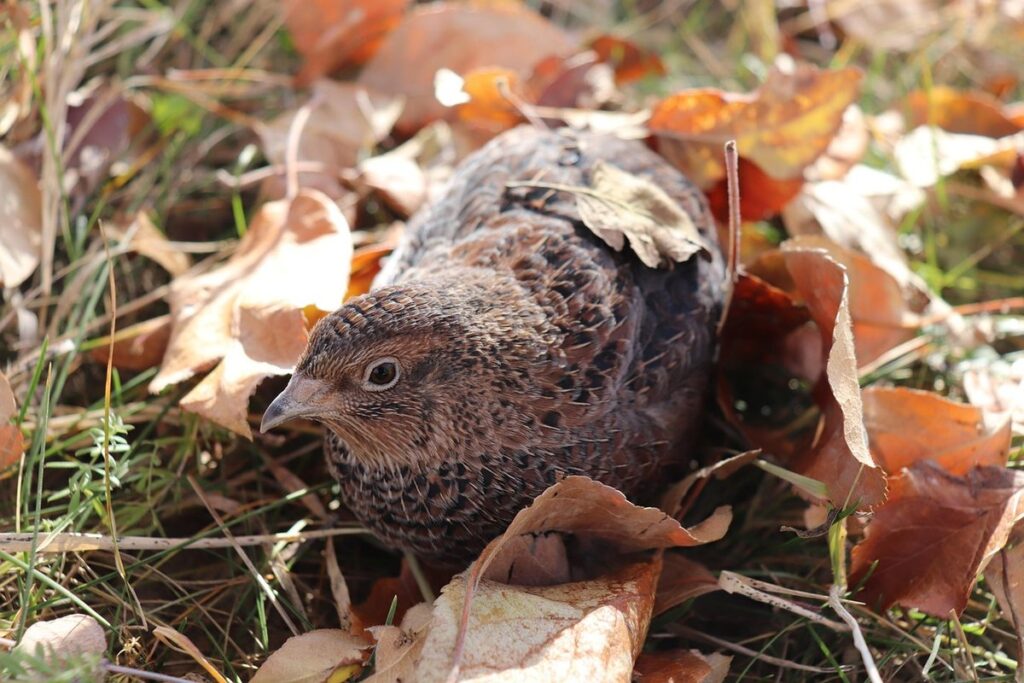
What are Button Quail Eggs?
Let’s start by understanding what button quail eggs actually are, and how they differ from regular chicken eggs in terms of size and nutritional content. We’ll dive into the details to give you a better idea.
Definition and Origin
Button quail eggs are a unique and exotic type of egg that has gained popularity among chefs, foodies, and health enthusiasts. These tiny eggs come from button quails, small birds native to Southeast Asia, specifically China and Indonesia. Unlike other types of quail eggs, which can be quite large and have a thick shell, button quail eggs are extremely small, measuring about 1-2 cm in length. They have a delicate, almost translucent appearance and are often described as having a sweet, nutty flavor.
One of the most distinctive features of button quail eggs is their origin. These birds are bred specifically for egg production and are prized for their tiny eggs, which are rich in nutrients and low in cholesterol. In fact, button quail eggs have been used in traditional Chinese medicine for centuries to promote vitality and longevity. To incorporate button quail eggs into your diet, look for them at specialty food stores or online suppliers. They can be hard-boiled and added to salads, used as a topping for sushi or noodles, or even pickled for a tangy snack.
History of Raising Button Quails
Button quails have been kept as pets and raised for egg production for thousands of years, with records of their domestication dating back to ancient China. These tiny birds were highly valued by Chinese emperors and nobles for their beautiful song and prolific breeding capabilities. However, it wasn’t until the 19th century that button quails began to be bred specifically for their eggs.
One notable development in the history of raising button quails was the introduction of selective breeding programs. Breeders focused on creating birds with desirable traits such as larger egg production, improved fertility, and better temperament. This led to a significant increase in egg production and made button quail eggs more accessible to consumers.
In recent years, there has been a resurgence in interest in raising button quails for egg production, driven by their small space requirements and low environmental impact. Many hobbyists and commercial breeders are now turning to these tiny birds as an alternative to larger poultry species. With proper care and management, button quails can thrive and provide a steady supply of fresh eggs.
Characteristics of Button Quail Eggs
Let’s take a closer look at what makes button quail eggs truly unique, from their tiny size to their delicate coloring and subtle texture variations.
Size and Shape
Button quail eggs are small and rounded, typically measuring between 11-13mm in length. They have a smooth, glossy shell that is usually white or pale grayish-white in color. One of the most distinctive features of button quail eggs is their shape, which can vary slightly depending on factors such as breed and environmental conditions.
In terms of size, button quail eggs are significantly smaller than those of larger bird species. This compact size makes them well-suited to small nesting boxes and allows for efficient incubation. When it comes to weight, button quail eggs typically range from 2-3 grams, although this can vary slightly depending on the specific breed.
To give you a better idea of what to expect when collecting or purchasing button quail eggs, consider the following: a standard egg carton might be able to hold up to six button quail eggs, making them easy to store and manage. Additionally, their small size means that even inexperienced bird keepers can comfortably handle and care for them.
It’s worth noting that while the size and shape of button quail eggs are quite consistent, subtle variations can occur due to factors such as nutrition and genetics. However, these differences will not significantly impact the overall viability or health of the developing chicks.
Shell Texture and Patterns
Button quail eggs are known for their unique and varied shell textures and patterns. One of the most notable features is the tiny speckles or dots that cover the surface of the eggshell, giving it a “button-like” appearance. However, not all button quail eggs exhibit this characteristic, with some having a more uniform texture.
Interestingly, research has shown that the shell texture can be influenced by factors such as diet and genetics. For example, a study found that button quail hens fed a high-protein diet produced eggs with thicker, more textured shells compared to those on a low-protein diet. As an enthusiast, you may want to experiment with different feeding regimens to see how it affects the shell texture of your button quail’s eggs.
In terms of patterns, some button quail eggs display intricate swirling designs or even small ridges and bumps. While these variations can be aesthetically pleasing, they do not necessarily indicate any specific characteristics or traits in the bird itself. As you collect and observe your button quail eggs, pay attention to any unique textures or patterns that may emerge – it’s all part of what makes these eggs so fascinating!
Yolk and White Composition
Button quail eggs have distinct characteristics when it comes to their yolk and white composition. One notable difference is that button quail egg yolks are relatively smaller compared to the egg white. This is due to the unique reproductive biology of these birds, where they tend to lay more eggs with smaller yolks.
In contrast to larger bird eggs like chicken or duck eggs, button quail egg whites make up a higher proportion of the total egg content. The yolk, on the other hand, is smaller and less prominent. This composition can be attributed to the fact that button quails are smaller birds, producing smaller eggs as a result.
For backyard farmers or breeders looking to collect and store button quail eggs, understanding this unique composition is crucial for handling and incubation purposes. For example, when collecting eggs from your button quail breeding stock, it’s essential to handle them gently to avoid damaging the yolk due to its smaller size and relatively larger egg white. Proper storage conditions should also be maintained to prevent moisture absorption by the egg white, which could compromise fertility or cause other issues during incubation.
Health Benefits of Button Quail Eggs
Button quail eggs are a nutritious addition to your diet, and in this next part, we’ll explore their numerous health benefits that can boost your well-being. From weight management to immune system support, discover how they can help you feel great.
Nutritional Content
Button quail eggs are an excellent source of protein and essential nutrients. One large egg contains approximately 13 grams of protein, making them a great option for individuals looking to increase their protein intake. The high-quality protein found in button quail eggs is easily absorbed by the body, providing the necessary building blocks for muscle growth and repair.
In addition to protein, button quail eggs are also rich in various vitamins and minerals. They are an excellent source of vitamin D, which is essential for bone health and immune function. The egg yolks are particularly high in vitamin A, a crucial nutrient for maintaining healthy vision, skin, and mucous membranes. Furthermore, button quail eggs contain iron, zinc, and potassium, making them a nutritious addition to a balanced diet.
When consuming button quail eggs, it’s essential to choose eggs from hens that have been raised on pasture or fed a nutrient-rich diet. This ensures the eggs are not only high in nutritional value but also lower in cholesterol and saturated fats. By incorporating button quail eggs into your diet, you can reap the numerous health benefits they offer while ensuring optimal nutrition for overall well-being.
Allergy-Friendly Properties
Button quail eggs have emerged as an attractive option for individuals with allergies to chicken or duck eggs. This is because they belong to a different species altogether, and their proteins are distinct from those found in traditional egg sources.
One of the primary concerns for those with egg allergies is cross-reactivity – the immune system’s tendency to mistakenly identify button quail eggs as chicken or duck eggs due to similarities in protein structures. However, studies have shown that button quail egg proteins exhibit minimal cross-reactivity with other egg allergens.
For individuals seeking a safer alternative, incorporating button quail eggs into their diet can be done by gradually introducing small amounts and monitoring for any adverse reactions. It’s essential to consult with a healthcare professional or registered dietitian before making any changes to your diet, especially if you have severe allergies.
Some people find that button quail egg omelets or scrambled eggs are more tolerable than traditional egg dishes, possibly due to the distinct flavor and texture profiles of these birds’ eggs.
Potential Health Risks
While button quail eggs are generally considered safe to eat and offer numerous health benefits, there are some potential health risks associated with their consumption. One of the main concerns is the risk of Salmonella contamination, which can be present in both fresh and dried button quail egg products. This is because button quail eggs can sometimes be contaminated with Salmonella bacteria during production or processing.
To minimize this risk, it’s essential to purchase button quail eggs from reputable sources that follow proper food safety guidelines. You should also handle the eggs safely by washing your hands before and after handling them, keeping them refrigerated at a temperature of 40°F (4°C) or below, and cooking them thoroughly until the yolks are firm.
Additionally, people with weakened immune systems or allergies to quail eggs should exercise caution when consuming button quail eggs. If you’re considering incorporating these eggs into your diet, it’s crucial to talk to your healthcare provider first, especially if you have pre-existing health conditions or concerns.
Raising Button Quails for Egg Production
If you’re interested in raising button quails for egg production, this is where we’ll dive into the specifics of their care and breeding requirements. Let’s cover what it takes to raise healthy laying quails at home.
Housing and Equipment Requirements
When it comes to raising button quails for egg production, providing a suitable environment is crucial. You’ll need to set up a housing system that’s safe, healthy, and comfortable for your birds.
First, consider the size of your enclosure. A good rule of thumb is to provide at least 1-2 square feet of space per bird inside the coop, and about 5-10 square feet of outdoor space per bird in the run. This will give them room to move around, exercise, and engage in natural behaviors.
Next, think about the feeding and watering equipment you’ll need. Button quails are small, so they require shallow feeders that won’t tip over easily. You can also use automatic water dispensers or traditional water fountains with a gentle flow to prevent splashing.
When it comes to nesting boxes, provide one box for every 3-4 birds, and make sure the entrance is about 2 inches high to prevent quails from slipping out. This will encourage them to lay eggs in the designated area.
Feeding and Nutrition Strategies
Button quails require a balanced diet to maintain optimal health and ensure consistent egg production. A high-quality commercial quail feed should be the foundation of their diet, providing essential nutrients like protein, calcium, and vitamins. However, it’s also crucial to supplement their diet with fresh fruits, vegetables, and leafy greens.
Fresh water should always be available for your button quails, with a clean source replaced daily to prevent bacterial growth. When introducing new foods, do so gradually to prevent digestive upset. For example, start by mixing 1/4 cup of chopped veggies into their commercial feed and gradually increase the amount over several days.
In addition to commercial feed and supplements, you can provide fresh fruits like berries, melons, or apples, cut into small pieces to avoid choking hazards. Leafy greens such as kale, spinach, or collard greens are also excellent sources of calcium and other essential minerals. Limit treats like seeds, nuts, or sunflower seeds, as they can be high in fat and lead to obesity.
By following these simple feeding strategies, you’ll be able to provide your button quails with a well-rounded diet that supports their overall health and optimal egg production.
Egg Collection and Handling
When collecting eggs from your button quail flock, it’s essential to handle them gently and carefully to prevent breakage. Start by observing your birds’ behavior to identify the nesting sites and the times when they are most active. Use a quiet approach to avoid startling them, as this can cause stress.
Use a clean, ventilated container or basket specifically designed for collecting eggs, with adequate space between each egg to prevent crushing. Gently lift the egg from the nest, taking care not to touch the delicate membranes inside. If you notice any visible cracks or damage, it’s best to discard the egg immediately.
For handling, hold the egg by its middle, supporting both ends of the long axis to minimize the risk of breakage. Avoid juggling eggs or subjecting them to sudden movements, as this can cause impact trauma. Store collected eggs in a cool, dry place, such as a designated incubation area or refrigerator, at around 55-60°F (13°C) to slow down bacterial growth.
Regularly inspect your egg collection method and make adjustments if you notice any breakage or mishandling of eggs.
Breeds of Button Quails for Egg Production
If you’re looking to start a button quail egg collection, it’s essential to know which breeds are prolific layers and will provide you with consistent egg production. Let’s explore some of the best breeds for this purpose.
Popular Breeds
When it comes to choosing the right breed of button quails for egg production, several popular options stand out. One such breed is the Japanese Quail, known for its high egg-laying capacity and ability to adapt to various environments. On average, a female Japanese Quail can lay around 200-300 eggs per year, making it an excellent choice for small-scale farmers or backyard keepers.
Another popular breed is the Chinese Button Quail, which is prized for its compact size and vibrant plumage. While they may not be as prolific egg layers as some other breeds, their tiny eggs are a delight to collect and can make up for it with their unique charm. Chinese Button Quails typically lay around 100-150 eggs per year.
Both of these breeds have their unique characteristics, but what sets them apart is their relatively low maintenance requirements. They are easy to care for, require minimal space, and can thrive in a variety of environments. If you’re new to raising button quails, either the Japanese or Chinese breed would be an excellent choice to get started with.
In terms of egg size and taste, both breeds offer a delightful surprise. Their eggs are tiny but packed with nutrients, making them a favorite among enthusiasts. However, if you’re looking for a more consistent supply of eggs, the Japanese Quail might be the better option due to its higher productivity.
Raising Button Quails from Hatchlings
Raising button quails from hatchlings requires careful attention to their nutritional and environmental needs. As soon as they pip (start to crack out of their shells), transfer them to a warm, humid brooder with a temperature range of 90-95°F (32-35°C). Provide a shallow dish of water and a starter feed specifically formulated for baby birds.
As the quails grow, increase the space available to them and provide a varied diet that includes a mix of commercial button quail food, fresh vegetables, and fruits. Ensure access to grit to aid in digestion and a calcium source such as crushed eggshells or oyster shells to support strong beak and skeletal development.
Quails are social birds and benefit from being raised in groups. Provide a minimum of 2-3 square feet per bird to prevent overcrowding and stress. Keep the enclosure clean, changing bedding frequently and removing any dead or dying quails to maintain hygiene and reduce disease risk. Monitor their health closely and be prepared to intervene if you notice any signs of illness.
Quail chicks will typically start laying eggs at around 4-5 months of age. Be patient and give them time to mature – with proper care, button quails can thrive and provide you with a steady supply of these prized eggs.
Tips for Keeping Button Quails as Pets
If you’ve fallen for these adorable birds, here are some essential tips to ensure a happy and healthy relationship between you and your button quail pets.
Housing and Environment
When it comes to keeping button quails as pets, creating a suitable environment is crucial for their well-being. Button quails require a spacious and well-ventilated enclosure that provides ample room for exercise and movement.
A minimum of 2 square feet of floor space per bird is recommended, but larger enclosures are always better. You can create a naturalistic habitat by adding plants, rocks, and branches to the enclosure. This will not only provide entertainment for your quails but also help maintain their mental health.
In terms of socialization needs, button quails are highly social birds that thrive in the company of each other. If you plan on keeping multiple quails, ensure they have enough space to move around freely and avoid overcrowding. Provide a variety of perches and roosting bars for them to climb and perch on.
It’s also essential to keep the enclosure clean and well-maintained. Clean food and water dishes daily, and replace bedding material regularly. This will help prevent the buildup of bacteria and odors that can harm your quails’ health.
Feeding and Nutrition Strategies
When it comes to feeding and caring for button quails as pets, there are some unique considerations you’ll want to keep in mind. These tiny birds require a balanced diet that meets their high energy needs, and they have specific nutritional requirements.
A good quality commercial quail feed should be the main staple of your button quail’s diet, providing all the necessary nutrients for optimal health. However, it’s also essential to supplement with fresh fruits and vegetables daily to add variety and prevent boredom. Leafy greens like kale and spinach are excellent choices, as well as berries such as strawberries and blueberries.
In terms of environmental considerations, button quails require a clean and spacious living area. Ensure their enclosure is well-ventilated, dry, and free from drafts. Provide a shallow dish of fresh water at all times, and change it daily to prevent bacterial growth.
To keep your button quails happy and healthy, make sure to provide a mix of coarse and fine grit for them to scratch in, which helps maintain their beak health. You can also offer treats like mealworms or sunflower seeds as an occasional treat, but avoid overfeeding as this can lead to obesity and other health issues.
Conclusion
In conclusion, raising button quail eggs can be a rewarding experience for backyard chicken keepers. With proper care and attention to detail, you can successfully incubate and hatch these small but mighty eggs. It’s essential to remember that button quails are a species that requires specialized housing and dietary needs. By providing the right environment and nutrition, you’ll increase your chances of successful hatching.
As you begin this journey, don’t be discouraged if things don’t go as planned initially. Every breeder has experienced setbacks, but it’s how we learn from them that matters. Take note of any issues that arise and adjust your techniques accordingly. For example, perhaps the eggs weren’t incubated at a consistent temperature or humidity level. Make adjustments to your setup, and you’ll be on your way to successful hatching in no time.
As you continue to raise button quail eggs, you’ll develop a deeper understanding of their unique needs and requirements. By combining patience, persistence, and practice, you’ll become an expert breeder in no time.
Frequently Asked Questions
Can I raise button quails indoors, or do they require outdoor space?
Yes, button quails can thrive in indoor environments as long as you provide a suitable enclosure with adequate ventilation, lighting, and temperature control. However, ensure the enclosure is large enough to accommodate the birds’ movement and exercise needs.
How often should I collect eggs from my button quail flock to maintain egg production?
Collecting eggs regularly will not only help prevent breakage but also encourage your quails to continue laying eggs at a consistent rate. Aim to collect eggs daily or every other day, depending on your specific breeding goals and the size of your flock.
Are button quail eggs suitable for all households, including those with children?
Button quail eggs are considered allergy-friendly due to their low allergenic properties. However, as with any egg, it’s essential to introduce them gradually and in moderation, especially if you have young children or pets that may be sensitive to new foods.
Can I breed button quails for egg production without prior experience with birds?
While breeding button quails can be rewarding, it does require some knowledge of bird husbandry and behavior. Consider seeking guidance from experienced breeders or taking a beginner’s course on poultry care before attempting to raise button quails specifically for egg production.
How do I ensure the health and well-being of my button quail flock during hot summer months?
During heatwaves, it’s crucial to provide your quails with adequate shade, ventilation, and access to fresh water. You may also want to consider adjusting their diet to include more cooling foods or providing a shallow pool for them to cool off in.