
Are you looking to start your own small-scale farm or backyard chicken-keeping adventure? Choosing the right breed can be overwhelming, but with so many amazing options out there, it’s an exciting decision to make. From beginner-friendly options that are perfect for new flock owners to heritage varieties that add a touch of history and character to your farm, there’s a chicken breed out there for everyone. In this article, we’ll take you on a journey through the world of popular and rare breeds, highlighting everything from high-producing layers to unique and exotic varieties. Whether you’re looking for a reliable egg supplier or a friendly companion for your backyard, we’ll help you find the perfect fit for your needs and goals. Get ready to meet the fascinating world of chicken breeds!
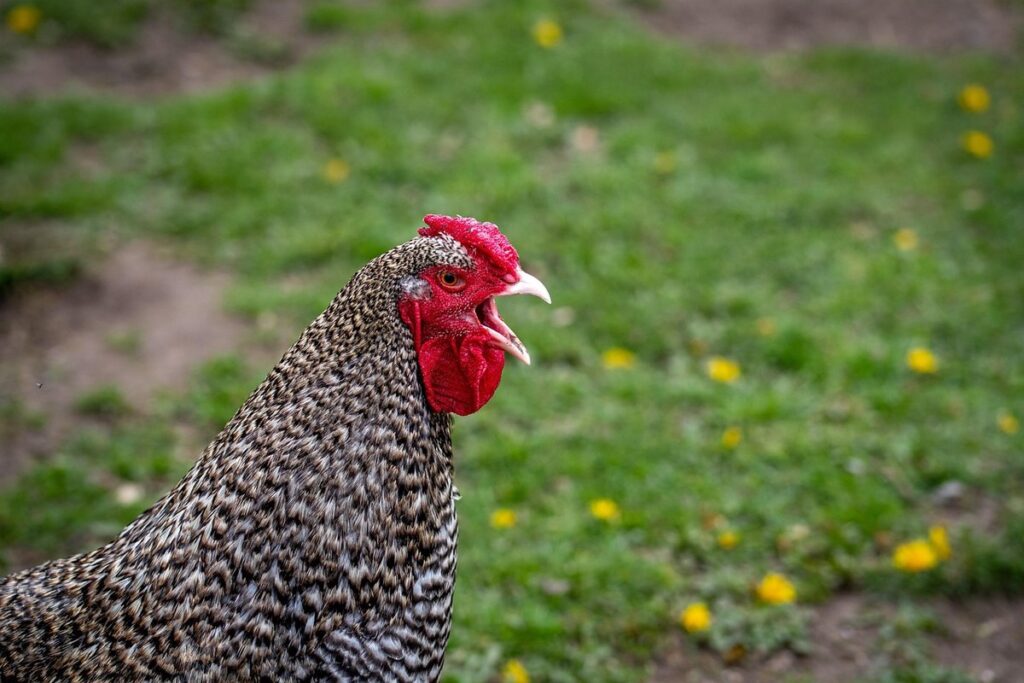
Introduction to Chicken Breeds
If you’re new to raising chickens, understanding their breeds is crucial to choosing the right ones for your flock and your lifestyle. This guide will introduce you to some of the most popular and versatile chicken breeds.
What are Chicken Breeds?
When it comes to raising chickens, understanding the various breeds is essential. But what exactly are chicken breeds? Simply put, a chicken breed is a group of chickens that have been developed over time through selective breeding to exhibit specific characteristics, such as egg-laying ability, temperament, or physical appearance.
These characteristics can include everything from feather length and color to comb type and size. For example, the Leghorn breed is known for its high egg production, while the Silkie breed is prized for its soft, fluffy feathers. With over 300 recognized breeds worldwide, there’s a chicken breed out there to suit every backyard farmer or poultry enthusiast.
Understanding the characteristics of different breeds is crucial in choosing the right chickens for your needs. If you’re looking for eggs, you’ll want a breed like Leghorn or Rhode Island Red. If you prefer a more friendly and docile temperament, consider breeds like Brahmas or Orpingtons. By knowing the basics of chicken breeds, you can make informed decisions about which birds to bring home and create a happy and healthy flock.
History of Chicken Breeding
The history of chicken breeding is a rich and fascinating one, spanning thousands of years. From humble beginnings to the incredible diversity we see today, it’s a story of human ingenuity, perseverance, and passion for these wonderful birds.
The first recorded evidence of selective breeding dates back to ancient Egypt around 1500 BCE, where monks bred chickens specifically for meat and eggs. However, it wasn’t until the Middle Ages that chicken breeding began to take off in Europe, with farmers selectively breeding birds for desirable traits like egg-laying capacity, plumage quality, and temperament.
One influential breeder was the British poultry enthusiast William Bernhardt Tegetmeier, who wrote extensively on chicken breeding and helped establish many modern breeds. He’s credited with developing the iconic Orpington breed, which remains a favorite among backyard farmers today.
Over time, advances in genetics, nutrition, and breeding techniques have enabled us to create an astonishing array of over 300 recognized chicken breeds worldwide. Whether you’re a seasoned farmer or just starting out, understanding the history behind these breeds can help you appreciate their unique qualities and make informed choices when selecting your feathered friends.
Importance of Breed Selection for Small-Scale Farmers
When starting out with small-scale chicken farming, selecting the right breed is crucial for success. A well-suited breed can provide a steady supply of fresh eggs, meat, and even help control pests on your farm. However, choosing from over 300 recognized breeds can be overwhelming.
Consider factors like egg-laying capacity, growth rate, and climate tolerance when making your decision. For example, if you’re looking for high egg production, consider breeds like Leghorns or Rhode Island Reds. These birds are known to lay around 280-300 eggs per year in optimal conditions.
On the other hand, if you’re interested in raising chickens for meat, breeds like Cornish Cross or Plymouth Rock may be a better fit. They mature quickly and produce more pounds of meat than some egg-laying breeds.
Ultimately, selecting the right breed for your small-scale farm requires careful consideration of your specific needs and resources. Research different breeds, talk to other farmers, and don’t be afraid to experiment with different options before making a final decision.
Popular Backyard Chicken Breeds
When it comes to choosing a breed for your backyard flock, there are countless options to consider. Here are some of the most popular and beginner-friendly breeds you might find yourself falling in love with.
Beginner-Friendly Breeds for Small Yards
If you’re a beginner looking to raise chickens in a small backyard, don’t worry – we’ve got you covered. There are many breeds that are perfect for small spaces and new chicken keepers. One popular choice is the Silkie, known for its fluffy feathers and gentle nature. These birds are quiet, producing around 120-130 eggs per year, making them an excellent option for small backyards.
Another great breed for beginners is the Leghorn. Although they’re not as docile as Silkies, Leghorns are relatively low-maintenance and can tolerate a range of temperatures, from -20°C to 40°C. They lay around 280-300 eggs per year, making them a great choice for families who want fresh eggs regularly.
For even more variety, consider the Polish or Brahma breeds. Polishes are known for their friendly personalities and quiet nature, while Brahmas are gentle giants that can tolerate cooler temperatures and produce around 200-220 eggs per year.
When choosing a breed for your small backyard, make sure to research their specific needs, including space requirements, noise levels, and temperature tolerance. With the right breed, you’ll be collecting fresh eggs in no time!
Heritage Breeds: A Look at Rare and Exotic Varieties
Heritage breeds offer a fascinating glimpse into the past, showcasing characteristics that have been lost in more commercial breeds. These rare and exotic varieties are often overlooked by backyard chicken enthusiasts, but they’re worth considering for those looking to add some uniqueness to their flock.
Take the Silkie, for instance – this fluffy breed boasts stunning plumage and gentle nature, making it a popular choice among chicken keepers. Then there’s the Brahma, an imposing bird with impressive size and strength. Other heritage breeds include the Cochin, Orpington, and Plymouth Rock, each with its own set of distinctive traits.
If you’re looking to bring some excitement into your backyard flock, consider introducing one or more heritage breeds. However, be aware that these birds often come with higher maintenance costs due to their unique characteristics. For example, Silkies require regular grooming to prevent matting and tangling of their feathers.
Dual-Purpose Breeds for Meat and Egg Production
If you’re looking to raise chickens for both meat and egg production, dual-purpose breeds are an excellent choice. These hardy birds excel at laying eggs while also growing quickly and efficiently into a tender and flavorful meat.
One of the most popular dual-purpose breeds is the Plymouth Rock. Known for its friendly temperament and high egg production (200-220 brown eggs per year), this breed is also prized for its fast growth rate and compact size, making it ideal for small backyard flocks. Another excellent option is the Wyandotte, which lays a respectable 200-220 brown eggs per year while growing to around 6 pounds in just under 20 weeks.
For those new to raising chickens, consider starting with around 10-15 birds of a dual-purpose breed. This will give you a steady supply of eggs and also ensure that there’s enough meat for the family table when needed. Just remember to plan ahead and factor in the space and care requirements for your flock.
Keep in mind that dual-purpose breeds may not be as prolific egg layers as specialized laying breeds, but they’ll reward you with a more versatile harvest – delicious fresh eggs and tender homegrown chicken.
Large Fowl Chicken Breeds
If you’re looking for a breed that lays large eggs, is friendly and approachable, and has a gentle temperament, then large fowl breeds are definitely worth considering. Let’s take a closer look at some popular varieties.
Brahma and Cochin: The Largest of the Large Fowl
The Brahma and Cochin are two of the largest breeds within the Large Fowl category. These gentle giants are known for their impressive size, calm temperament, and moderate egg-laying capacity.
On average, a mature Brahma hen can weigh up to 14 pounds (6.3 kg) and reach heights of over 30 inches (76 cm), while a Cochin hen typically weighs between 12-15 pounds (5.4-6.8 kg) and stands at around 28-32 inches (71-81 cm). Their massive size, however, belies their docile nature; both breeds are known for being friendly and easy-going, making them an excellent choice for families with children or for those who want a low-maintenance pet.
In terms of egg-laying capacity, neither breed is particularly prolific. Brahma hens will lay around 100-120 eggs per year, while Cochin hens produce slightly fewer, at around 80-100 eggs annually. However, their eggs are often larger and more irregular in shape than those from other breeds, making them a prized find for bakers and cooks.
If you’re considering bringing a Brahma or Cochin into your flock, be sure to provide ample space for these gentle giants to roam – they require plenty of room to stretch their impressive legs. With proper care and attention, both breeds can thrive in backyard flocks and become beloved members of the family.
Orpingtons and Plymouth Rock: Classic Large Fowl Breeds
Orpingtons and Plymouth Rock are two classic large fowl breeds that have been favored by backyard chicken keepers for their exceptional characteristics. Orpingtons, with their gentle nature and soft feathering, are a popular choice among families. They are moderate egg producers, laying around 200-220 brown eggs per year, making them suitable for households with moderate needs. Their growth rate is slow to medium, which allows for a more relaxed approach to chicken keeping.
In terms of meat quality, Orpingtons are known for their rich flavor and tender texture, making them an excellent choice for home cooks who want to raise their own chickens for dinner. They require regular grooming to prevent matting of their feathers, but this also helps to keep them healthy and happy.
On the other hand, Plymouth Rock chickens are a bit more energetic than Orpingtons and are known for their friendly disposition. They are prolific egg layers, producing around 280-300 brown eggs per year, making them an excellent choice for households with high egg demands. Their growth rate is medium to fast, which allows for quicker turnaround times if you’re looking to raise chickens for meat. With proper care, Plymouth Rock chickens can live up to 8 years or more, making them a long-term investment in your backyard flock.
Small and Bantam Chicken Breeds
If you’re looking for a smaller flock, small and bantam chicken breeds are perfect for backyards with limited space. Let’s take a closer look at these adorable birds!
Silkie and Polish: The Fluffiest of Them All
If you’re looking for chickens that embody the ultimate definition of fluff, look no further than the Silkie and Polish breeds. These adorable bantams have been a favorite among backyard chicken enthusiasts for their unique appearance, gentle nature, and impressive egg-laying abilities.
One of the most distinctive features of Silkies is their fluffy coats, which can be either white or black in color. Their feathers are so soft that they resemble silk to the touch, hence the name Silkie. Polish chickens also have a similar fluffiness, but with a more compact body and larger head.
In terms of temperament, both breeds are known for being friendly and docile. They make great pets for families with children or for anyone looking for a low-maintenance chicken companion. As for egg-laying ability, Silkies are prolific producers, laying around 100-120 eggs per year. Polish chickens, on the other hand, lay slightly fewer eggs but are still considered good layers.
If you’re thinking of adding either breed to your flock, be prepared to provide them with plenty of space and attention. They require regular grooming to prevent matting and tangling of their feathers, but this can be a fun and rewarding experience for owners. With proper care, Silkies and Polish chickens will thrive and bring endless joy to your backyard chicken-keeping adventures.
Dutch Bantams and Mille Fleur: Tiny but Mighty Breeds
When it comes to small and mighty chicken breeds, few can compare to the charm of the Dutch Bantams and Mille Fleur. These diminutive birds may be tiny, but they pack a big punch when it comes to personality and productivity.
The Dutch Bantam is one of the smallest breeds in existence, weighing in at just 1-2 pounds. Despite their small size, these birds are prolific egg layers, producing an impressive 200 eggs per year. Their eggs are small, ranging from pea-sized to golf ball-sized, but they’re perfect for cooking up a storm in the kitchen.
The Mille Fleur, on the other hand, is a bit larger than its Dutch Bantam cousin, weighing in at around 2-3 pounds. But don’t let their size fool you – these birds are just as charming and prolific. They produce around 180 eggs per year, which may not be as many as some of the larger breeds, but they’re more than enough for small-scale farmers or backyard chicken enthusiasts.
One of the things that sets these breeds apart is their stunning appearance. The Dutch Bantam has a glossy black plumage with white tips on its wings and tail, while the Mille Fleur boasts a beautiful mix of black and white feathers. Both breeds are known for their friendly and docile nature, making them perfect for families or those new to chicken keeping.
If you’re looking to add some charm to your backyard flock, consider bringing home one (or both!) of these tiny but mighty breeds. With proper care and attention, they’ll reward you with plenty of eggs and endless entertainment.
Egg-Laying Chicken Breeds
If you’re looking for prolific layers, we’ve got you covered! This section highlights some of the top egg-laying chicken breeds that’ll meet your backyard needs.
Leghorns and Golden Comets: High-Producing Layers
When it comes to high-producing egg-laying breeds, two popular choices stand out: Leghorns and Golden Comets. Both of these breeds have been bred for their exceptional laying abilities and are a favorite among backyard chicken keepers.
Leghorns, originating from Italy, are known for their impressive egg-laying capacity. On average, they can produce 280-300 eggs per year, with some individuals reaching as high as 320 eggs annually. This is due to their rapid growth rate, which allows them to mature quickly and begin laying eggs at around 18 weeks of age.
Golden Comets, developed from a cross between a Rhode Island Red and a White Leghorn, are also renowned for their egg-laying prowess. They can produce an average of 200-220 eggs per year, with some females reaching up to 240 eggs annually. One advantage of Golden Comets is their relatively lower maintenance requirements compared to Leghorns.
In terms of temperature tolerance, both breeds can adapt to various climates. However, it’s essential to note that they still require adequate ventilation and shade to prevent heat stress during hot summer months. As a general rule, provide your flock with access to fresh air and shelter from the elements to ensure their optimal health and egg-laying performance.
When introducing either of these breeds to your backyard flock, make sure to consider their unique characteristics and needs. With proper care and attention, both Leghorns and Golden Comets can become valuable additions to any chicken-keeping family.
Australorps and Barred Rocks: Solid Performers for Small-Scale Farmers
Australorps and Barred Rocks are two popular egg-laying breeds that thrive on small-scale farms. If you’re a backyard chicken keeper or small-scale farmer looking for reliable layers, these breeds are definitely worth considering.
Australorps originated from Australia and are known for their high egg production, with some hens laying up to 320 large brown eggs per year. They’re friendly, docile birds that are easy to handle and integrate well into a flock. One of the benefits of Australorps is their ability to adapt to different climates and environments.
Barred Rocks, on the other hand, are another American breed known for their hardiness and egg-laying abilities. They produce around 280 large brown eggs per year and have a reputation for being friendly and outgoing. Barred Rocks are relatively low-maintenance birds that require regular care but can thrive in smaller spaces.
When choosing between these two breeds, consider your farm’s climate, available space, and desired level of maintenance. Both Australorps and Barred Rocks make excellent additions to small-scale farms due to their reliability, friendliness, and high egg production. With proper care and attention, either breed is sure to become a valuable member of your flock.
When integrating these breeds into your existing flock, be sure to introduce them slowly to prevent stress and ensure a smooth transition. Provide adequate space, nutrition, and health checks to ensure the well-being of both new and established birds.
Considerations When Choosing a Breed
When selecting the perfect breed for your flock, there are several key factors to consider that will ensure you find a good match for your lifestyle and needs. This includes climate adaptability, egg-laying capacity, and temperament.
Climate and Temperature Requirements
When choosing a breed, it’s essential to consider the climate and temperature requirements of both your region and the bird itself. Different breeds have adapted to various conditions, making some more suitable for warmer or colder climates.
For instance, cold-hardy breeds like the Polish and Brahma can thrive in temperatures as low as -20°F (-29°C), while heat-tolerant breeds such as the Silkie and Modern Game can handle temperatures up to 100°F (38°C). Conversely, tropical breeds like the Ayam Cemani may struggle in colder climates.
To determine the right breed for your region, consider the average temperature fluctuations throughout the year. If you live in an area with mild winters and hot summers, a heat-tolerant breed might be the best fit. For those in areas with harsh winters, cold-hardy breeds are the way to go. Researching local climate data and consulting with other chicken keepers can also provide valuable insights into which breed will thrive in your specific region.
Some popular breeds for different climates include:
• For colder climates: Polish, Brahma, Cochin
• For warmer climates: Silkie, Modern Game, Australorp
• For tropical climates: Ayam Cemani, Java, Malay
Space and Housing Requirements
When choosing a breed of chicken, it’s essential to consider their space and housing requirements. Each breed has unique needs when it comes to coop size, run size, and fencing. For example, large breeds like Orpingtons and Brahmas require more space than smaller breeds like Bantams or Silkies.
A general rule of thumb is to provide at least 2-4 square feet of space per chicken inside the coop, with an additional 8-10 square feet of outdoor run space. However, some breeds may need more. For instance, chickens that free-range, such as Leghorns and Cornish, require even larger areas for exercise and foraging.
When it comes to fencing, consider a sturdy enclosure that’s at least 3 feet high to prevent escape artists from making a break for it. Fencing material can range from chicken wire to netting or hardware cloth. Remember to also factor in predator protection and ensure your coop is secure from predators like raccoons, foxes, and hawks.
Ultimately, research the specific space and housing needs of your chosen breed to ensure you’re providing the best possible environment for them to thrive.
Conclusion: Choosing the Right Breed for You
Now that you’ve learned about various breeds of chickens, it’s time to choose the right one for your needs. Consider your lifestyle and goals when making this decision. If you’re a beginner, look for breeds known for being easy-going and hardy, such as Leghorns or Rhode Island Reds. These birds are great egg-layers and can adapt well to small spaces.
Think about how much space you have available for your flock. Larger breeds like Orpingtons or Plymouth Rock require more room to roam, while smaller breeds like Bantams are perfect for urban environments. Don’t forget to research the noise level of each breed – some, like Silkies, can be quite vocal!
Ultimately, choosing a breed that suits you and your lifestyle is key to a happy and healthy flock. Take your time, do your research, and don’t hesitate to reach out to experienced chicken keepers for advice.
Frequently Asked Questions
What’s the best way to introduce new chickens to my existing flock?
Introducing new chickens requires careful planning to prevent stress and conflict. A gradual introduction process is key, starting by separating the new birds from your existing flock for a few days before allowing them to meet under close supervision. Reward calm behavior and separate them if you notice aggression or hissing.
How can I identify the best breed for my climate?
Climate plays a crucial role in selecting chicken breeds. Look for breeds that are suitable for your region’s temperature range, wind resistance, and humidity levels. Research their heat tolerance, cold hardiness, and ability to adapt to local conditions. Some breeds excel in hot climates, while others thrive in cooler temperatures.
What are the essential considerations when choosing a breed for meat production?
When selecting a dual-purpose breed for both eggs and meat, consider factors like growth rate, feed efficiency, and body size. Some popular breeds for meat production include Brahma, Cochin, and Cornish Cross. Ensure you have sufficient space and resources to meet their nutritional needs.
How can I ensure the health and well-being of my flock?
Maintaining a healthy flock requires attention to nutrition, sanitation, and disease prevention. Provide fresh water, balanced feed, and adequate shelter from predators and harsh weather conditions. Regularly monitor your birds’ behavior, droppings, and overall condition to detect any signs of illness or stress.
Can I raise heritage breeds in small backyards or do they require specialized care?
Heritage breeds can thrive in smaller spaces with proper management. They often have more robust immune systems and adapt well to varied environments. However, ensure you research specific breed requirements for housing, nutrition, and health considerations before introducing them to your backyard flock.
How long does it take for chickens to reach full maturity?
Chickens typically reach full maturity within 20-30 weeks, depending on the breed and sex. Males usually mature faster than females, while egg-laying breeds may require longer to reach their optimal production level. Monitor your birds’ growth rate and adjust feeding schedules accordingly to optimize health and productivity.
Are there any specific vaccinations or medications required for backyard chickens?
While vaccinations are generally not necessary for healthy flocks, regular deworming and parasite control measures are essential. Consult with a veterinarian to determine the best approach for your flock’s specific needs and region. Regular monitoring of droppings and overall health can help prevent the need for medication.