
If you’re thinking of adding some quacking friends to your backyard farm, congratulations on taking the first step towards exploring the wonderful world of domesticated duck breeds! With over 100 recognized varieties, there’s a perfect fit for every climate and purpose. From temperate favorites like Muscovy and Welsh Harlequin to tropical wonders like Khaki Campbell and Wood Duck, each breed has its unique characteristics that make them perfect for specific needs.
But before you bring home your feathered friends, it’s essential to understand the nuances of duck care and health considerations. In this article, we’ll delve into the world of domesticated duck breeds, covering everything from specialty breeds and their benefits to expert tips on keeping your ducks happy and healthy. Whether you’re a seasoned farmer or just starting out, this comprehensive guide will provide you with the knowledge you need to make informed decisions about adding domesticated duck breeds to your farm.
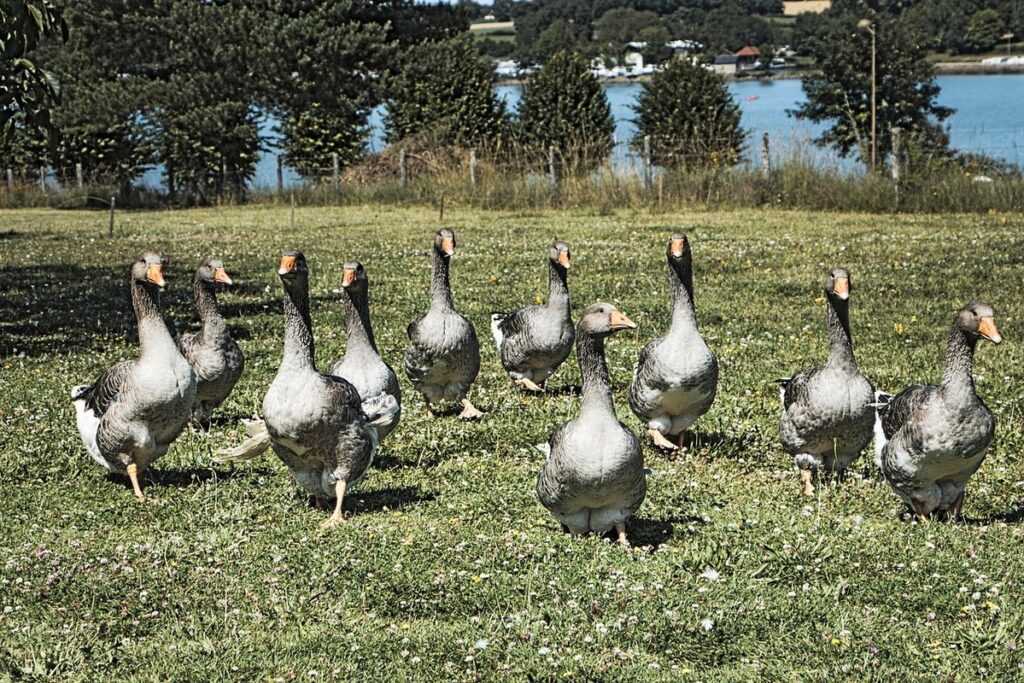
Introduction to Domesticated Ducks
Welcome to our comprehensive guide, where we’ll take you through everything you need to know about domesticated duck breeds. Let’s start by exploring their fascinating history and characteristics.
History of Duck Domestication
Ducks have been an integral part of human society for thousands of years. The domestication process is believed to have started around 10,000 years ago in Southeast Asia, where ducks were first kept as a source of food and later as companions.
Initially, ducks were domesticated from the wild Mallard duck (Anas platyrhynchos). Their ability to thrive in various environments made them an attractive choice for early farmers. As humans transitioned from nomadic hunter-gatherer societies to settled agricultural communities, ducks played a vital role in providing a reliable source of protein.
In ancient civilizations such as Egypt and China, ducks were highly valued not only for their meat but also for their eggs, down feathers, and role in water management. They were often kept in temples and palaces, where they were revered for their beauty and usefulness. Today, domesticated ducks are found on farms and in backyards around the world, with over 100 recognized breeds.
Importance of Domesticated Ducks Today
In recent years, domesticated ducks have experienced a resurgence in popularity among backyard farmers, small-scale producers, and consumers alike. One of the primary reasons for this trend is their incredible versatility. Not only do they provide an abundance of fresh eggs and meat, but they also serve as a natural pest control mechanism, helping to keep insect populations under control.
Domesticated ducks are also relatively low-maintenance compared to other livestock options. They require minimal space and can thrive in even the smallest backyard settings, making them an ideal choice for urban farmers or those with limited land. Additionally, their quiet demeanor and social nature make them a delight to raise and care for.
As consumers become increasingly interested in sourcing locally and sustainably produced foods, domesticated ducks have become an attractive option. They offer a unique opportunity for producers to generate income from their property while promoting environmental stewardship and community engagement. By raising domesticated ducks, individuals can enjoy a sustainable source of fresh eggs, meat, and entertainment for years to come.
Overview of Domesticated Duck Breeds
When it comes to domesticated ducks, one of the most exciting aspects is the incredible diversity of breeds. With over 100 recognized varieties worldwide, each with its unique characteristics and uses, it’s no wonder that duck enthusiasts are spoiled for choice.
From the majestic Muscovy duck with its striking red and black plumage to the adorable Bantam Pekin, there’s a breed to suit every taste and purpose. Some breeds are bred specifically for their meat production, such as the Rouen and Silver Appleyard, while others like the Khaki Campbell and Cayuga are prized for their exceptional egg-laying abilities.
Others still are valued for their ornamental features or distinctive quacks, making them perfect for backyard hobbyists and breeders. What’s more, many domesticated duck breeds have been developed over centuries to thrive in a range of environments, from small backyards to large farms. This diversity is a testament to the incredible versatility of domesticated ducks and the endless opportunities they offer for enthusiasts.
Temperate Climate Breeds
If you’re planning to raise ducks in a temperate climate, look no further than these fantastic breeds that thrive in cooler conditions. From Mallards to Wood Ducks, we’ll cover your best options.
Khaki Campbell: A Popular Choice for Small Farms
The Khaki Campbell is one of the most popular duck breeds for small farms and backyards alike. This temperate climate breed has gained a reputation for its impressive egg-laying capabilities, with an average production rate of 300 large brown eggs per year. Female Khakis are known to reach peak egg production at around six months old, making them a great choice for families or small-scale farmers looking to supplement their household needs.
In addition to their high egg production, Khaki Campbells are also prized for their robust health and hardiness. They are relatively low maintenance birds, requiring minimal care and attention from owners. Their friendly and docile nature makes them an excellent choice for children’s farms or teaching purposes, as they are easy to handle and interact with.
One of the key advantages of keeping Khaki Campbells is their adaptability to small spaces. They require a relatively small amount of space to roam, making them ideal for backyard farmers or those with limited land availability. With proper care and attention, a single Khaki Campbell female can provide a household with an abundance of fresh eggs throughout the year.
Indian Runner: Unique Characteristics and Uses
The Indian Runner duck is one of the most recognizable and versatile breeds within temperate climates. Its unique appearance sets it apart from other domesticated duck breeds, with its upright posture, long legs, and sleek feathers making it a standout on any farm or backyard flock.
Its distinctive characteristics make the Indian Runner an excellent choice for various farming applications. For instance, their agility and speed enable them to navigate tight spaces, making them ideal for small farms or homesteads where space is limited. Their high egg-laying capacity also makes them a popular choice among farmers who prioritize commercial egg production. According to some breeders, Indian Runners can lay up to 300 large white eggs per year.
In addition to their practical uses, the Indian Runner’s temperament and intelligence make them an excellent choice for backyard flocks and family farms. Their high energy levels require regular exercise and mental stimulation, but they are generally friendly and social birds that thrive on human interaction.
Golden 300: A Heritage Breed with Enduring Appeal
The Golden 300 breed has been a favorite among small-scale duck keepers for its unique combination of temperament and productivity. Originating from China, this heritage breed was prized for its exceptional eggs and meat production. Its rich history is a testament to the adaptability and resilience of domesticated ducks.
One of the standout characteristics of the Golden 300 is its friendly nature. These ducks are known to be social and easy-going, making them an excellent choice for families or small farms with children. They are also surprisingly low-maintenance, requiring minimal space and care compared to other breeds.
For small-scale duck keepers, the benefits of keeping Golden 300s are numerous. Not only do they provide a steady supply of eggs (around 200 per year) but also offer a sustainable source of meat for the table. With proper management, Golden 300s can thrive in temperate climates with minimal resources, making them an attractive option for backyard duck enthusiasts.
Their robust immune system and hardiness mean that Golden 300s are relatively disease-free, reducing the need for antibiotics or other medications. As a bonus, their beautiful golden feathers add a pop of color to any farm or homestead.
Tropical Climate Breeds
If you’re looking to raise ducks in a hot and humid climate, some breeds are better suited for tropical conditions than others. These hardy birds can thrive in temperatures that would be challenging for other duck varieties.
Muscovy Duck: Heat Tolerance and Disease Resistance
Muscovy ducks are native to South America and have evolved to thrive in tropical climates. Their ability to withstand heat stress is one of their most distinctive characteristics. These birds have a unique adaptation that allows them to maintain a relatively stable body temperature, even when the ambient temperature soars.
In fact, Muscovy ducks can tolerate temperatures as high as 100°F (38°C) without showing signs of distress. Their ability to regulate their body temperature is due in part to their thick layer of down feathers and specialized sweat glands that help to dissipate heat. This means they require less water to stay cool than many other duck breeds, making them an attractive option for small-scale farmers or backyard enthusiasts living in hot climates.
When it comes to disease resistance, Muscovy ducks have a strong reputation for being robust and resilient. They are generally resistant to many common duck diseases, including avian cholera and botulism. However, proper care and management practices should still be followed to ensure their overall health and well-being.
Wood Duck: A Colorful Breed for Enthusiasts
The Wood Duck is a breed that’s sure to captivate enthusiasts with its vibrant plumage and charming personality. This duck breed’s striking appearance makes it a standout among others, with males showcasing iridescent feathers in shades of green, gold, and purple, while females display a stunning combination of brown and gray hues.
When it comes to temperament, Wood Ducks are known for being friendly and social, making them an excellent choice for backyard flocks or even family pets. However, their energetic nature means they require regular exercise and mental stimulation to prevent boredom and stress.
In tropical climates, Wood Ducks can thrive with proper care. Their housing needs to provide sufficient ventilation and protection from intense sunlight. A daily diet of high-quality commercial duck feed supplemented with fruits, vegetables, and whole grains is essential for maintaining their vibrant plumage and overall health.
To keep your Wood Duck healthy in a tropical environment, ensure they have access to fresh water at all times and maintain a clean living space by regularly cleaning their enclosure and removing waste. With proper care and attention, the Wood Duck breed will reward you with its unique charm and captivating beauty.
Specialty Breeds
You’re probably curious about some of the more unusual duck breeds out there, and we’ve got you covered – let’s dive into some unique specialty ducks.
Perdiz: A Rare and Exotic Breed for Connoisseurs
The Perdiz breed is an enigmatic and captivating addition to the world of domesticated ducks. Hailing from Portugal and Spain, this rare and exotic breed has been prized by connoisseurs for centuries due to its unique characteristics and exceptional personality. For experienced duck keepers seeking a new challenge, the Perdiz offers an opportunity to showcase their skills in providing specialized care.
One of the most striking features of the Perdiz is its slender build and elongated neck, which gives it a distinctive appearance that sets it apart from other breeds. Its feathers are intricately patterned with shades of brown, gray, and white, making each bird a one-of-a-kind gem. In terms of temperament, the Perdiz is known for being calm, gentle, and surprisingly intelligent – traits that make them an absolute delight to work with.
When it comes to caring for a Perdiz, you’ll want to provide a spacious enclosure with plenty of room to roam. They thrive in cooler climates, but are adaptable to most environments as long as they receive regular exercise and mental stimulation. With proper care and attention, the Perdiz can live up to 15 years or more – an impressive lifespan for such a majestic breed.
Call Duck: A Miniature Breed for Small Spaces
The Call Duck is an excellent choice for small-space backyard duck-keeping setups. This miniature breed is not only adorable but also surprisingly robust and adaptable to various living conditions.
Reaching a height of around 16 inches, the Call Duck is one of the smallest domesticated duck breeds available. Its compact size makes it an ideal option for those with limited space or wanting to introduce ducks into their city gardens. Despite its small stature, the breed boasts a sturdy build and impressive plumage in various colors.
In terms of temperament, Call Ducks are known for being friendly, gentle, and relatively low-maintenance compared to other duck breeds. They’re easy-going, quiet birds that are often described as “lap ducks” due to their affectionate nature. When it comes to backyard keeping, the breed thrives in a variety of settings – from small enclosures to larger ponds or even container gardens.
One of the most significant advantages of owning Call Ducks is their ability to produce high-quality eggs in smaller spaces. With proper care and nutrition, they can lay up to 300 white or tinted eggs per year. Given their compact size, manageable noise level, and affectionate nature, it’s no wonder why many backyard duck enthusiasts swear by the Call Duck breed for small-space setups.
Health Considerations
When considering bringing a domesticated duck breed into your family, it’s essential to think about their health needs and any potential health concerns that come with specific breeds. Let’s explore these factors together.
Common Health Issues in Domesticated Ducks
Ducks can be prone to various health issues that require attention from duck owners. Respiratory problems are one of the most common concerns. Causes range from dust and mold exposure to bacterial infections such as Pasteurella multocida.
Signs of respiratory distress may include labored breathing, lethargy, or difficulty swallowing. Treatment usually involves antibiotics for bacterial infections. In severe cases, hospitalization with oxygen therapy might be necessary. Preventing respiratory issues can be achieved by providing a clean and dust-free environment, proper ventilation, and maintaining good hygiene practices.
Another significant health issue in domesticated ducks is obesity. Overfeeding can lead to weight gain, which may cause complications like joint problems or heart disease. To prevent this, duck owners must monitor their birds’ diet and ensure they have adequate exercise opportunities. This can be achieved by providing a spacious enclosure or regular daily walks outside.
Infectious diseases such as avian cholera and botulism are also prevalent among domesticated ducks. These conditions typically arise from contaminated food, water, or environments. Vaccination is often not available for these diseases; thus, maintaining proper hygiene practices and keeping the environment clean is crucial in preventing outbreaks.
Nutrition and Diet for Healthy Ducks
Creating a balanced diet for your domesticated ducks is crucial to their overall health and well-being. Just like humans, ducks require a mix of essential nutrients to thrive. A key component of this is access to fresh water at all times. Ensure that your duck’s water source is clean, free from contaminants, and changed frequently to prevent bacterial growth.
Protein sources are also vital for healthy ducks. You can provide them with high-quality commercial duck pellets as the main staple of their diet. Supplementing with leafy greens like kale, spinach, or collard greens will add essential vitamins and minerals. Fruits such as berries, apples, and carrots can be given in moderation.
A balanced vitamin intake is also necessary for healthy feathers, egg production (in females), and overall immune function. You can provide vitamin supplements specifically formulated for ducks under the guidance of a veterinarian. A general rule of thumb is to provide 1-2 cups of fresh vegetables per duck daily, alongside their commercial feed.
By following these guidelines, you’ll be well on your way to creating a nutritionally balanced diet that will keep your domesticated ducks happy and healthy.
Care and Management
Taking good care of your domesticated duck breed is crucial for its health, happiness, and longevity. Here, we’ll cover essential tips on housing, nutrition, and regular maintenance.
Housing Requirements for Domesticated Ducks
When it comes to keeping domesticated ducks, providing a suitable enclosure is crucial for their health and well-being. A duck’s living space should be spacious enough to accommodate their natural behavior of swimming, walking, and flying.
A good rule of thumb is to provide at least 2-4 square feet of floor space per duck inside the coop, with another 10-15 square feet of outdoor run area for exercise and movement. This will give your ducks room to stretch their wings and engage in natural behaviors like foraging and socializing.
In terms of ventilation, it’s essential to ensure proper airflow within the enclosure. A window or vents should be installed to allow fresh air to circulate and remove ammonia from their droppings. Adequate shelter from wind, rain, and sun is also crucial, so a roofed area with some shade-giving plants will keep your ducks comfortable.
To maintain cleanliness and hygiene, make sure the enclosure has easy-to-clean surfaces and access points for removing waste. It’s also vital to provide a designated swimming area, such as a pond or pool, where your ducks can cool off and exercise during hot weather.
Biosecurity Measures for Duck Keepers
As a duck keeper, implementing effective biosecurity measures is crucial to prevent disease transmission among your feathered friends. This not only ensures their health and well-being but also protects the surrounding ecosystem. Let’s dive into the essential strategies for maintaining a healthy and safe environment for your domesticated ducks.
Regular vaccination protocols are vital in preventing common diseases such as avian influenza, Marek’s disease, and duck plague. Consult with a veterinarian to determine the best vaccination schedule for your flock, taking into account factors like age, breed, and health status. Ensure that all vaccinations are administered correctly and record-keeping is maintained for future reference.
In addition to vaccination protocols, quarantine procedures should be in place when introducing new ducks or eggs to your flock. This involves isolating them from the main group for a period of 30 days to monitor their behavior, appetite, and overall health. Keep records of all quarantined animals, including their arrival date, health checks, and any treatments administered.
Furthermore, maintain a clean and hygienic environment by regularly disinfecting feeding troughs, waterers, and coop surfaces with a suitable veterinary-grade disinfectant. Dispose of waste properly and store feed in rodent-proof containers to prevent contamination.
Frequently Asked Questions
Can I keep ducks as pets if I live in a small apartment?
Ducks require space to move around and exercise, so it’s essential to consider your living situation before bringing them home. Even if you have a small yard or balcony, you can still keep ducks as pets. However, ensure that you provide enough space for them to roam and that you’re prepared for the noise level. Research local regulations regarding backyard chickens and ducks.
What are some common health issues in domesticated ducks?
Common health issues in domesticated ducks include respiratory problems, parasite infestations, and nutritional deficiencies. Regular veterinary check-ups, proper nutrition, and maintaining a clean living environment can help prevent these issues. Keep your duck’s living area free from debris and ensure they have access to fresh water and a balanced diet.
How do I choose the right breed for my climate?
When choosing a domesticated duck breed, consider the climate where you live. For example, Muscovy ducks are well-suited for hot climates due to their heat tolerance, while Khaki Campbells excel in temperate regions. Research different breeds and their characteristics to find the perfect fit for your environment.
Can I raise ducks with other birds or animals?
Ducks can be raised with other birds or animals if introduced properly. However, it’s essential to ensure that all species have separate living areas and are fed a balanced diet to prevent competition and stress. Monitor their behavior and adjust accordingly to maintain harmony among your feathered friends.
How do I integrate new ducks into my existing flock?
When introducing new ducks to an existing flock, start by keeping them separated for a few days to allow them to get used to each other’s presence and sounds. Once they seem comfortable with each other’s company, you can gradually introduce them to the same living area under close supervision. Monitor their behavior and adjust as necessary to ensure a smooth transition.