
Are you ready to crack open the world of green egg chickens? These birds are not only adorable, but they’re also known for producing the most amazing eggs in shades of blue and green. Whether you’re a seasoned chicken keeper or just starting out, learning about green egg breeds is essential if you want to add some excitement to your backyard flock.
In this article, we’ll delve into the unique characteristics and benefits of green egg chickens, focusing on popular breeds like Easter Eggers, Araucanas, and Ameraucanas. We’ll also share expert advice on raising and breeding these birds, so you can make informed decisions about adding them to your family. By the end of this post, you’ll be equipped with the knowledge you need to bring home these amazing birds and start enjoying their delicious green eggs!
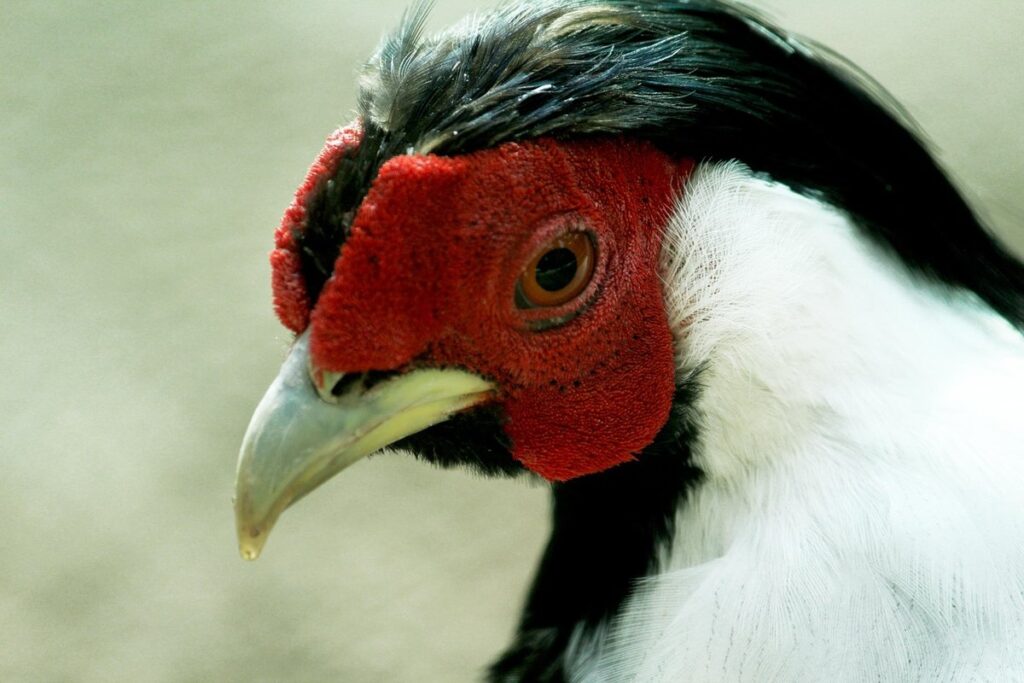
What are Green Egg Chickens?
So, you’re wondering what all the fuss is about green egg chickens? Let’s start by breaking down the basics of these unique birds and their signature egg-laying abilities.
Characteristics of Green Egg Layers
Green egg layers are known for their distinctive characteristics that set them apart from other breeds. One of the most notable features is the color of their eggs, which can range from pale green to deep olive. This unique trait is due to a combination of genetic and environmental factors.
In terms of egg size, green egg layers tend to produce medium-sized eggs, with an average weight of around 50-60 grams. While this may not be as large as some other breeds, the quality of their eggs makes up for it. The shells are typically thicker and more robust, making them less prone to cracking.
Green egg layers also possess a unique temperament that is often described as friendly and docile. They are known to be easy-going and adaptable, making them an excellent choice for backyard flocks and small farms. When choosing green egg layers, it’s essential to select breeds that are specifically bred for their egg-laying abilities, such as the Araucana or the Ameraucana. By doing so, you’ll be able to enjoy a steady supply of delicious and nutritious eggs from your own flock.
Benefits of Raising Green Eggs
Raising green egg chickens is not only an excellent choice for backyard farmers and homesteaders but also offers numerous benefits. One of the most significant advantages is their high fertility rate. Green eggs have a remarkable 80-90% hatch rate, making them ideal for small-scale breeders who want to ensure they get the best results from their investments.
Their docile nature is another significant perk of raising green egg chickens. They are known for being gentle and calm, which makes them perfect for families with children or even first-time chicken keepers. This temperament also means that green eggs tend to be less stressed, leading to healthier and more productive birds overall.
Another benefit of raising green eggs is their ability to thrive in small spaces. They don’t require a lot of room to roam and can easily adapt to backyard coops with minimal space. This makes them an excellent choice for urban homesteaders or those with limited yard space.
History and Origins of Green Egg Breeds
Let’s dive into the fascinating history behind these vibrant fowl, exploring where green egg breeds first emerged and how they’ve evolved over time. We’ll uncover their roots in various parts of the world.
Ancient Origins of Green Egg Layers
The ancient origins of green egg layers date back thousands of years to the time of the Incas and Aztecs. These civilizations prized chickens for their vibrant blue-green eggs, not only for consumption but also for their medicinal properties. The Incas, in particular, believed that the eggs possessed spiritual significance and were a symbol of fertility.
In ancient Greece and Rome, chicken breeds with greenish-blue eggs were highly valued by the aristocracy. These birds were often kept as pets and were prized for their unique egg-laying abilities. Some historians believe that these early breeders may have selectively bred from existing flocks to enhance the intensity of the blue color in the eggs.
As empires rose and fell, the knowledge and breeding techniques associated with green egg layers were passed down through generations of farmers and breeders. Today, we can still appreciate the dedication and skill of those early enthusiasts who helped create these remarkable breeds. By understanding their origins, we can better appreciate the unique characteristics that make green egg chickens so special.
Modern Developments and Breed Standardization
In recent years, there has been a significant surge in interest for green egg chicken breeds. This growing demand has led to modern developments aimed at creating standardized and consistent flocks. One of the primary drivers behind these advancements is the increasing popularity of backyard chicken keeping.
As more people take up chicken farming as a hobby or source of fresh eggs, breeders have responded by developing new bloodlines that exhibit desirable traits such as high egg production, docile temperament, and striking coloration. Breed standardization has become crucial to ensure that green egg breeds meet specific criteria, including feather pattern, eye color, and body type.
To achieve this level of consistency, many reputable breeders have implemented rigorous selection processes, involving careful breeding programs and DNA testing. This attention to detail not only benefits the animals but also provides customers with a reliable guarantee about the characteristics they can expect from their new birds. By choosing well-bred, standardized green egg chickens, hobbyists and small-scale farmers alike can enjoy healthier, more productive flocks while supporting sustainable agriculture practices.
Popular Green Egg Chicken Breeds
Let’s dive into some of the most sought-after green egg chicken breeds, perfect for small farms and backyard flocks looking to add a pop of color.
Easter Egger Chickens
Easter Egger Chickens are one of the most beloved green egg laying breeds among backyard chicken enthusiasts. They’re a cross between an Ameraucana or Araucana and another breed, which is why they can lay a variety of egg colors, including blue, green, pink, and yellow. These unique eggs are often referred to as “green” due to their bluish-green tint.
One of the main advantages of Easter Egger chickens is their exceptional egg-laying abilities. They’re known to produce an average of 200-300 large eggs per year, making them a great choice for those who want a reliable source of fresh eggs. Additionally, they’re generally friendly and docile, making them a great addition to most backyard flocks.
However, there are some disadvantages to consider when raising Easter Egger chickens. Since they’re a crossbreed, their characteristics can vary depending on the parent breed. Some may be more prone to health issues or have different temperaments than others. It’s essential to research the specific traits of your flock and be prepared for potential challenges.
When choosing an Easter Egger chicken, look for breeds that are known to produce a high volume of green eggs, such as the Easter Egger from Ameraucana parents. Be sure to provide them with a balanced diet, plenty of space to roam, and regular veterinary care to ensure their overall health and well-being.
Araucana Chickens
Araucana Chickens are another popular choice among backyard flock owners for their delightful green eggs. Originating from Chile and Argentina, these birds have been prized for their unique egg-laying abilities for centuries. One of the key characteristics of Araucanas is their ability to lay blue or green eggs due to a genetic trait that causes them to produce a different pigment in their eggs.
In addition to their striking egg color, Araucanas are also known for being friendly and docile birds. They make great additions to backyard flocks, especially for families with children, as they are easy-going and relatively low-maintenance. Their temperament is well-suited for small spaces, making them a popular choice for urban homesteaders.
When considering adding an Araucana to your flock, it’s essential to note that these birds have a slightly higher maintenance requirement than some other breeds. They need regular grooming to prevent matting and tangling of their unique ruffled feathers. With proper care and attention, however, Araucanas can thrive in even the smallest backyard flocks, providing hours of entertainment and fresh green eggs for years to come.
Ameraucana Chickens
Ameraucana Chickens are a lesser-known but highly regarded green egg breed. Hailing from North America, this breed was developed in the 1930s and is known for its unique characteristics.
One of the most notable strengths of Ameraucana chickens is their ability to lay blue or green eggs. This is due to a genetic trait that causes them to produce an egg yolk with a higher concentration of biliverdin, which gives the eggs their distinctive color. Ameraucanas are also known for being friendly and docile, making them a great choice for backyard flocks.
However, as a laying bird, Ameraucanas do have some weaknesses. They can be prone to frostbite in cold climates due to their thin feathers, and they may require extra care during the winter months. Additionally, their egg production can be variable – while some hens will lay 200 or more eggs per year, others may produce fewer.
Despite these challenges, Ameraucanas are a popular choice for many backyard chicken keepers. With proper care and attention, they can thrive in a variety of climates and provide a unique addition to any flock.
Tips for Raising Green Egg Chickens
Raising green egg chickens can be a fun and rewarding experience, but it requires some special care to keep them happy and healthy. In this next part of our guide, we’ll share some valuable tips for successful green egg chicken ownership.
Housing and Nutrition Requirements
When it comes to raising green egg layers, providing an optimal environment is crucial for their health and productivity. First and foremost, you’ll need to consider the housing requirements of these birds. Green eggs are known for being more active than other breeds, so they require plenty of space to roam and exercise. A good rule of thumb is to provide at least 3-4 square feet per bird inside the coop, with additional outdoor space for foraging.
A safe and secure coop is essential, not just for protecting your birds from predators but also for keeping them warm in cold weather. You can choose between a traditional wooden coop or a more modern option like a hoop house. If you’re short on space, consider investing in a vertical coop that makes the most of your backyard.
In terms of nutrition, green egg layers require a balanced diet rich in protein and calcium to support their egg-laying abilities. A high-quality layer feed should make up the bulk of their diet, supplemented with fresh fruits and vegetables like leafy greens and carrots. Avoid overfeeding, as this can lead to obesity and other health issues.
Health Considerations and Common Issues
When it comes to raising green egg chickens, health considerations and common issues are essential to be aware of. As with any flock, green egg hens can be prone to certain health problems that may affect their overall well-being.
One of the most common issues you may encounter is mites and lice infestations. These external parasites can cause discomfort, stress, and even disease in your birds. To prevent this, make sure to regularly inspect your flock’s feathers and skin for signs of these pests. Use a gentle dust or spray on your hens to keep them under control.
Another health concern is respiratory issues such as bronchitis and pneumonia. This can be caused by poor ventilation, wet bedding, and other environmental factors. Keep your coop well-ventilated, change bedding regularly, and ensure your birds have access to fresh air and clean water at all times.
Some green egg breeds are also prone to conditions like egg binding and reproductive problems due to their large size. Keep an eye out for signs of distress or discomfort in your hens, especially during breeding season. Regular health checks, a balanced diet, and plenty of exercise can help prevent these issues from arising.
Breeding and Hatching Green Eggs
To successfully breed green egg chickens, you’ll need to understand the unique characteristics of these birds and how to combine them for optimal results. Let’s dive into the specifics of breeding and hatching green eggs.
Selective Breeding for Desired Traits
Selective breeding is a crucial step in developing new green egg breeds with desirable characteristics. This process involves carefully selecting chickens that exhibit the traits you’re looking for and breeding them to pass those traits on to their offspring. By doing so, you can create a flock with specific attributes such as high egg production, excellent fertility rates, or disease resistance.
When selective breeding for desired traits, it’s essential to understand the genetic principles involved. For instance, if you want to breed chickens that lay large green eggs, you’ll need to identify birds that already exhibit this trait and focus on their offspring. This process can take several generations, requiring patience and dedication.
To get started with selective breeding, begin by assessing your flock’s strengths and weaknesses. Identify the traits you want to emphasize and select birds that possess those characteristics. Keep detailed records of each bird’s ancestry, including its parents, grandparents, and great-grandparents. This information will help you make informed decisions about which birds to breed together.
By carefully selecting and breeding chickens with desirable traits, you can develop a flock that meets your specific needs and preferences.
Successful Hatch Rates and Brooding Tips
Achieving a high successful hatch rate and raising healthy chicks requires careful planning, attention to detail, and proper brooding techniques. When it comes to hatching green eggs, some breeds have higher success rates than others. For example, the Easter Egger breed is known for its reliable egg-laying abilities and high fertility rates.
To increase your chances of a successful hatch, start by selecting fertile eggs from healthy birds. Store the eggs in a cool, dry place away from direct sunlight to preserve their viability. Once you’re ready to incubate, maintain a consistent temperature between 99-100°F (37-38°C) and humidity levels around 50-60%. Make sure to turn the eggs frequently, ideally every 6-8 hours.
When it comes to brooding, provide a safe and warm environment for your newly hatched chicks. Use a heat source such as a heat lamp or ceramic heat emitter to maintain temperatures around 90°F (32°C) for the first week. Keep the enclosure draft-free and ensure access to fresh water and feed at all times. By following these tips, you’ll be well on your way to raising healthy, happy chicks from your green eggs.
Conclusion: Choosing the Right Green Egg Breed for You
Now that you’ve learned about the characteristics and benefits of green egg chicken breeds, it’s time to decide which one is right for your backyard flock. This section will help you make an informed choice.
Factors to Consider When Selecting a Green Egg Breed
When selecting a green egg breed for your backyard flock, it’s essential to consider several key factors that will ensure you choose a breed that meets your needs and goals. Let’s start with the most obvious consideration: the climate and region where you live.
If you live in an area with extreme temperatures or weather conditions, you’ll want to select a green egg breed that’s known for its hardiness and ability to adapt to those conditions. For example, breeds like the Easter Egger and the Olive Egger are well-suited for hot climates due to their heat tolerance and ability to thrive in warmer temperatures.
Another crucial consideration is the amount of space you have available for your flock. If you’re a backyard chicken keeper with limited space, you’ll want to choose a green egg breed that’s compact or dwarf in size, such as the Ameraucana or the Araucana. These breeds require less space and are perfect for small backyards.
In addition to climate and space considerations, it’s also essential to think about your personal preferences and goals. Do you want eggs with a specific color or quality? Are you looking for a breed that’s known for its friendly temperament or high egg production? Be sure to research breeds that meet these criteria and provide the characteristics you’re looking for.
Finally, consider your resources and budget when selecting a green egg breed. Some breeds require more maintenance or specialized care, which can increase costs over time. Make sure you have the necessary resources and financial means to provide the best possible care for your chosen breed.
Frequently Asked Questions
Can I keep green egg chickens with other breeds, or should they be kept separate?
Yes, green egg chickens can be kept with other breeds, but it’s essential to introduce them slowly and under close supervision. Easter Eggers, Araucanas, and Ameraucanas are known for their friendly nature, but as with any bird, proper socialization is crucial.
How long does it take for green egg chickens to start laying eggs?
Green egg layers typically start laying eggs within 18-24 weeks of age, although some breeds may begin earlier. Keep in mind that factors like nutrition, health, and genetics can influence the age at which they reach their full egg-laying potential.
Are there any specific health considerations I should be aware of when raising green egg chickens?
Yes, as with all chicken breeds, it’s essential to monitor for common issues like mites, lice, and respiratory problems. Regular cleaning, proper ventilation, and a balanced diet can help prevent these issues. Also, keep an eye out for genetic conditions that may affect specific breeds.
Can I breed green egg chickens myself, or is this best left to experienced breeders?
With proper knowledge and expertise, you can breed green egg chickens yourself. However, it’s crucial to understand the genetics behind these birds and select breeding pairs carefully to ensure desirable traits are passed down. Consult with experienced breeders or take a course on poultry breeding to learn more.
How do I know which green egg chicken breed is best for my backyard flock?
When selecting a green egg breed, consider factors like climate, space, and desired egg color. Easter Eggers are great for beginners due to their hardiness, while Araucanas and Ameraucanas offer unique characteristics and cold hardiness. Research each breed’s specific needs and characteristics to find the best fit for your flock.