
If you’re considering adding some unique charm to your backyard flock, look no further than the naked neck chicken. These birds are known for their striking appearance, with feathers missing from around their necks, giving them a somewhat ‘naked’ appearance. But don’t let their unusual looks fool you – naked neck chickens are hardy, friendly birds that thrive in various climates and environments. In this article, we’ll delve into the origins of these fascinating fowl, exploring what makes them such great additions to small farms or backyard coops. We’ll also cover their care requirements, temperament, and some key characteristics that set them apart from other breeds. Whether you’re a seasoned chicken keeper or just starting out, read on to learn more about whether naked neck chickens are the right fit for your flock.
History and Origins
Let’s take a step back in time and explore how these fascinating birds came to be, tracing their origins to the early 20th century.
Early Beginnings: Where Did Naked Neck Chickens Originate?
Naked neck chickens have a rich and fascinating history that dates back to the early 20th century. The breed originated in Eastern Europe, specifically in Romania, where they were first bred as work animals on farms. At that time, farmers needed chickens with unique characteristics – namely, their ability to withstand harsh weather conditions and extreme temperatures.
The original intention behind breeding these birds was not for show or egg-laying purposes, but rather to create a hardy, adaptable chicken that could survive in challenging environments. Breeders achieved this by crossing breeds such as the Turkish and Brahma to produce chickens with extraordinary neck skin, which allowed them to regulate their body temperature more efficiently.
The result of this selective breeding was the Naked Neck chicken breed we know today. With their distinctive appearance and robust constitution, they quickly gained popularity among farmers for their ability to thrive in harsh conditions. Despite their rough exterior, these birds have a friendly disposition and are prized by many backyard flock owners for their unique characteristics and hardiness.
Breed Development: From Ancient Fowl to Modern-Day Varieties
Naked neck chickens have an intriguing history that spans thousands of years. The breed’s unique characteristic – its bare neck plumage – is a result of centuries-long selective breeding by farmers and enthusiasts.
The earliest recorded evidence of naked neck fowl dates back to the time of ancient Egypt, where they were prized for their unique appearance and exceptional egg-laying abilities. As civilizations evolved, so did the breed’s characteristics. By the 19th century, French farmers began developing the breed further, selecting for birds with even more pronounced neck feathers.
The first standard-bred naked neck chicken was created in Poland in the early 20th century, marking a significant milestone in the breed’s development. The Polish Bantam Naked Neck was developed from the Egyptian Fayoumi and other local breeds, resulting in a small but robust bird perfect for backyard flocks.
Today, you can find numerous varieties of naked neck chickens worldwide, each with its unique characteristics and traits. Whether you’re looking to add a hardy, low-maintenance bird to your flock or seeking a stunning show chicken, there’s sure to be a naked neck variety that suits your needs.
Characteristics and Traits
Naked Neck Chickens are known for their unique characteristics, which set them apart from other breeds. Let’s dive into what makes these birds so special, characteristic by characteristic.
Physical Appearance: The Naked Neck Phenomenon
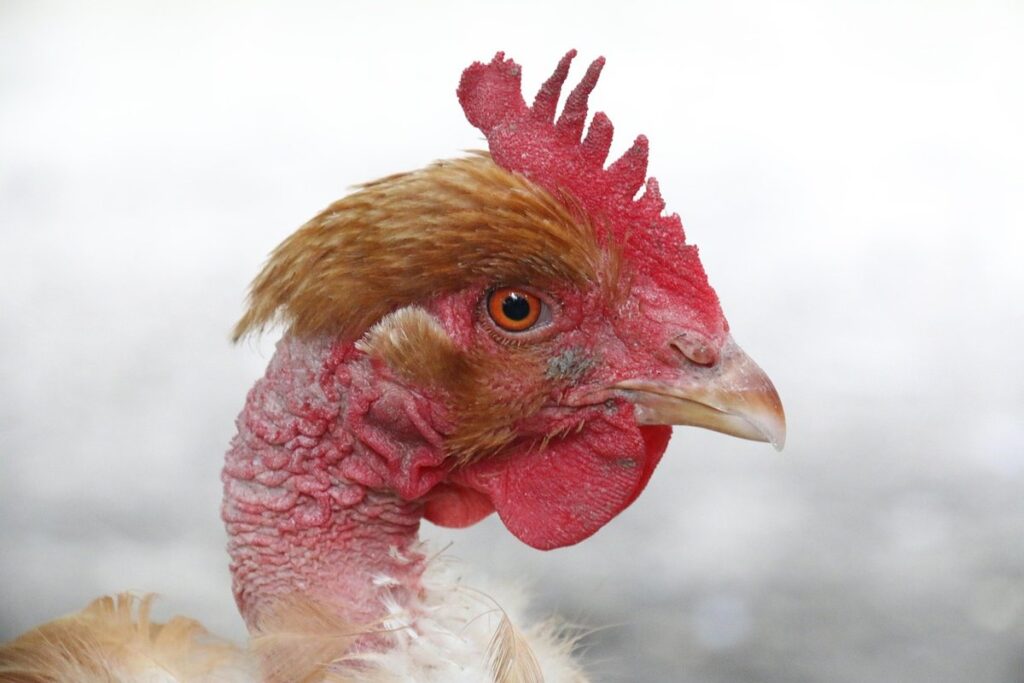
One of the most striking features of naked neck chickens is their unique physical appearance. These birds are characterized by their distinctive featherless skin on their neck and part of their body. The lack of feathers on this area gives them a bare or “naked” look, hence the name “Naked Neck.” But that’s not all – they also have a sparse covering of soft, fluffy feathers elsewhere on their bodies.
The exposed skin on naked neck chickens’ necks can be quite striking, and it’s not just for show. This unique feature serves several purposes. For one, it allows them to regulate their body temperature more efficiently in hot climates, as the bare skin helps to cool them down. Additionally, the featherless area makes it easier for them to move around and exercise, which is essential for maintaining good health.
When choosing a naked neck chicken breed, pay attention to the quality of the feathers elsewhere on their bodies. A well-feathered plumage will help protect your bird from cold temperatures and provide insulation in colder climates. With proper care and management, these birds can thrive in a variety of environments, making them an excellent choice for backyard chicken keepers.
Temperament and Personality: What Makes Them So Special?
Naked neck chickens are known for their unique and charming personalities. One of the most distinctive characteristics of this breed is their friendly and docile nature, making them an excellent choice for backyard chicken keepers with families or small children. They are social birds that thrive on interaction and attention, often seeking out human contact and affection.
In terms of temperament, naked neck chickens are relatively low-maintenance compared to other breeds. They are quiet, easy-going, and adapt quickly to new environments. However, this doesn’t mean they don’t have their own quirks – many owners report that naked necks can be a bit mischievous, often getting into trouble by scratching up garden beds or exploring the surrounding area.
To make the most of your naked neck chicken’s unique personality, it’s essential to provide them with plenty of attention and stimulation. This includes providing regular social interaction, exercise, and mental stimulation through activities like foraging or problem-solving games. With proper care and attention, these lovable birds will reward you with their affectionate nature and entertaining antics.
Benefits and Drawbacks
Now that you’ve got a better understanding of these fascinating birds, let’s weigh the pros and cons of bringing naked neck chickens into your backyard flock.
Advantages: Why You’ll Love Raising Naked Neck Chickens
Raising naked neck chickens can be an incredibly rewarding experience, and for good reason. One of the most significant advantages of these birds is their exceptional egg-laying abilities. On average, a naked neck hen will produce around 200-220 brown eggs per year, making them a great choice for small-scale farmers or backyard chicken keepers looking to supplement their family’s egg supply.
Another benefit of raising naked neck chickens is their impressive feed efficiency. These birds are capable of converting even the most modest amounts of food into high-quality protein, making them an attractive option for those on a tight budget or with limited resources. To put this into perspective, a study conducted by the University of Wisconsin found that naked neck hens required up to 20% less feed than their feathered counterparts to produce the same number of eggs.
Low-maintenance care is another significant advantage of raising naked neck chickens. These birds are hardy and easy-going, requiring minimal attention and upkeep compared to other breeds. With proper care and management, a naked neck flock can thrive in even the most basic conditions, making them an ideal choice for beginners or those with limited experience caring for poultry.
Disadvantages: Challenges to Consider Before Bringing Them Home
Raising naked neck chickens can be a delightful experience, but it’s essential to consider some potential drawbacks before bringing them home. One of the significant challenges is their vulnerability to predators. With their unique appearance and lack of feathers on their neck, they are more susceptible to predation by foxes, coyotes, and other wild animals. To minimize this risk, it’s crucial to provide a secure coop with sturdy walls and a strong roof.
Additionally, naked neck chickens are not well-suited for harsh weather conditions. Their exposed skin can be sensitive to extreme temperatures, sunburn, and wind chill. They require extra care during hot summer months when they need shade and misting to prevent heat stress. In cold winter months, they may need additional protection from the elements, such as a windbreak or a heated coop.
To mitigate these challenges, it’s essential to research and understand the specific needs of naked neck chickens in your climate and environment.
Health and Welfare
When it comes to keeping naked neck chickens, their unique characteristics can sometimes raise concerns about their health. We’ll address some of these worries and provide tips for maintaining their well-being.
Cold Hardiness: Can They Handle the Elements?
One of the most significant advantages of naked neck chickens is their impressive cold hardiness. These birds are well-suited to thrive in various climates and temperatures, making them an excellent choice for many backyard chicken keepers. Born and raised in a region with extreme winters, I can attest that our flock has adapted remarkably well to the harsh Canadian climate.
Naked neck chickens have a unique genetic trait that allows their feathers to grow around their heads instead of under it. This peculiar characteristic not only makes them visually stunning but also provides exceptional cold protection. As they move around, their exposed necks help to dissipate heat more efficiently than if they had conventional feathers covering their entire body.
To keep your naked neck chickens healthy and happy in colder climates, ensure they have access to plenty of fresh water and dry shelter. Consider adding windbreaks or other protective features to your coop to shield them from harsh winds and extreme temperatures. By providing proper care and attention, you can enjoy the delightful benefits of these hardy birds all year round.
Vulnerabilities: Common Health Issues and How to Prevent Them
Naked neck chickens are known for their unique appearance, but like all breeds, they can be prone to certain health issues. One of the most common problems affecting naked necks is respiratory distress. Their exposed neck skin makes them more susceptible to cold stress and air sac mosaicism, a genetic condition that affects the lungs.
Another issue faced by naked neck chickens is parasite infestations. Their loose feathers make it easier for external parasites like mites and lice to take hold, causing discomfort and illness. Regular cleaning of their coop, dust baths, and preventative treatments can help keep these issues at bay.
To prevent respiratory problems, provide your naked necks with adequate ventilation in their coop and ensure they have access to warm shelter during cold weather. Keeping them healthy also involves maintaining a balanced diet, ensuring fresh water availability, and regularly monitoring for signs of illness or distress.
Care and Management
If you’re thinking of bringing home a Naked Neck chicken, it’s essential to understand their unique needs and requirements for a happy and healthy flock. Proper care and management will ensure your feathered friends thrive in their new environment.
Nutrition and Diet: What Do They Need to Thrive?
Naked neck chickens have unique nutritional requirements due to their breed characteristics. Unlike other chicken breeds, they are prone to heat stress, which necessitates a balanced diet that caters to their specific needs.
A well-balanced feed for naked neck chickens should contain around 16-18% protein and 4-5% calcium. However, a simple mix of commercial layer or starter feed might not suffice, as these chickens tend to be more energetic than other breeds. To ensure they receive the necessary nutrients, it’s recommended to supplement their diet with fruits, vegetables, and grains.
Leafy greens like kale and spinach are excellent additions to their meal plan. Fresh fruits like berries and citrus can provide essential vitamins and minerals. Whole grains such as oats and barley are also beneficial for digestive health.
In addition to these dietary requirements, providing access to clean water is crucial. Naked neck chickens can be prone to dehydration due to excessive panting, especially in hot climates. Always check their water supply regularly to ensure it’s fresh and readily available.
Housing and Environment: Tips for Creating a Happy Home
When it comes to creating a happy home for your naked neck chickens, providing an optimal environment is crucial. This means designing their coop and run with their unique needs in mind. One of the key considerations is space allocation: naked necks need at least 3-4 square feet per bird inside the coop and 8-10 square feet outside in the run.
A well-designed coop should also include features like ventilation, insulation, and easy cleaning access. This will help maintain a healthy and comfortable temperature range for your birds, which is especially important given their naked necks can be prone to cold stress. Consider adding windows or skylights for natural light and using materials like recycled plastic or metal for durability.
To keep your naked neck chickens stimulated and engaged, incorporate enrichment activities into their daily routine. This could include hiding treats around the run, providing toys and perches, or even creating a designated “chicken agility course.” By following these tips, you can create a happy and thriving environment that meets the unique needs of your feathered friends.
Frequently Asked Questions
Can I raise naked neck chickens with other breeds, or do they need to be kept separate?
Naked neck chickens can get along with other breeds, but it’s essential to introduce them slowly and under close supervision. This will help prevent any potential conflicts and ensure a harmonious flock dynamic. With proper introduction and management, you can successfully raise naked neck chickens alongside other breeds.
How do I protect my naked neck chickens from extreme temperatures, given their reputation for cold hardiness?
While naked neck chickens are indeed more resilient to cold weather, it’s still crucial to provide them with adequate shelter and protection during harsh winter conditions. Ensure your coop is well-insulated, draft-free, and equipped with a reliable heat source or bedding material to keep them warm.
Can I use traditional laying feed for my naked neck chickens, or do they require specialized nutrition?
Naked neck chickens have specific dietary needs due to their unique characteristics. While you can supplement their diet with traditional laying feed, it’s recommended to provide a balanced and nutrient-rich chicken feed that caters specifically to their requirements.
How often should I collect eggs from my naked neck hens, considering their moderate egg-laying abilities?
Naked neck chickens are known for their moderate egg production, typically laying around 200-220 large brown eggs per year. Collecting eggs regularly will not only help maintain a clean and organized coop but also encourage your hens to continue producing eggs at an optimal rate.
What are some potential signs of heat stress in naked neck chickens, and how can I prevent it?
Heat stress is a common issue for chickens, especially during hot summer months. Look out for signs such as panting, lethargy, or excessive water consumption. To prevent heat stress, ensure your coop is well-ventilated, provide plenty of shade and fresh water, and consider using cooling systems like misters or fans to regulate the temperature.