
Are you looking for a hardy and versatile bird that excels as both an egg producer and a meat source? Look no further than the runner duck breed. Hailing from England, these ducks have been prized by farmers and backyard enthusiasts alike for their exceptional characteristics.
If you’re considering adding a new member to your flock or are simply interested in learning more about this unique breed, you’ve come to the right place. In this article, we’ll delve into the origins, benefits, and specific needs of runner ducks as both egg producers and pets. You can expect expert advice on topics such as care, breeding, and health considerations, as well as practical tips for integrating these birds into your existing flock or home. Whether you’re a seasoned farmer or just starting out with backyard poultry, this article is designed to provide you with the knowledge you need to make informed decisions about the runner duck breed.
History and Origins of the Runner Duck
The runner duck breed has its roots in Europe, specifically in the 19th century, where it was bred for its impressive speed and agility. Let’s take a closer look at how this unique bird came to be.
Ancient Roots of the Runner Duck
The runner duck breed has its roots in ancient civilizations, with evidence of duck-keeping dating back to around 2500 BC in China. Similarly, in Europe, ancient Greeks and Romans kept ducks for both meat and egg production. The Egyptians also kept domesticated ducks, often depicted in artwork and mentioned in hieroglyphics.
As trade routes expanded between Asia and Europe, ducks were introduced to new regions, including the Mediterranean coast. The Romans played a significant role in spreading duck-keeping practices throughout their vast empire. They established large-scale duck farms and traded them with other civilizations.
In time, different breeds emerged through selective breeding for desirable traits such as size, egg-laying capacity, and temperament. The modern runner duck breed is believed to have originated from these early stock brought back by European traders from Asia in the 18th century.
Development as a Farming Breed
The runner duck breed has its roots in agriculture, specifically in its development as a farming breed. Its primary purpose was to provide a reliable source of eggs and meat for families and farms during the 16th century. Runners are highly skilled at foraging, which made them ideal for scavenging for food on farmland.
To capitalize on this ability, farmers bred runner ducks that could efficiently find food in various environments, including fields, forests, and even kitchen scraps. This selective breeding led to the development of a robust bird capable of producing an impressive number of eggs – typically between 150-200 per year. Farmers valued runners for their high egg-laying capacity, which made them a staple on many farms.
Runners’ adaptability extended beyond their ability to find food. They are also relatively low-maintenance pets and can thrive in small spaces with proper care. If you’re considering raising runner ducks, keep in mind that they require regular exercise and a balanced diet rich in protein and calcium to maintain optimal health. This will help ensure your runners live long and productive lives as egg-laying machines.
Characteristics and Appearance
One of the most distinctive features of the Runner duck breed is its unique appearance, which sets it apart from other waterfowl. Let’s take a closer look at what makes this breed so visually striking.
Physical Description
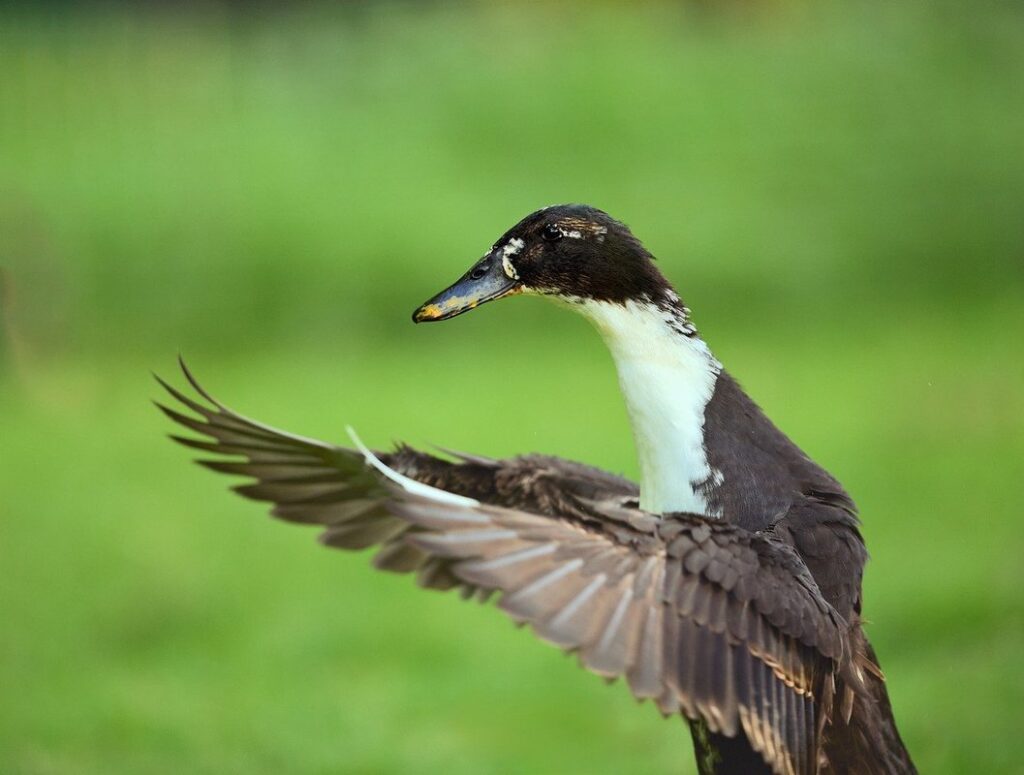
The runner duck is instantly recognizable due to its unique physical characteristics. One of the most distinctive features of this breed is its size. Runner ducks are considered a medium-sized breed, with drakes typically weighing between 4 and 6 pounds (1.8-2.7 kg) and hens around 3.5 and 5 pounds (1.6-2.3 kg). Their compact build and sturdy legs make them well-suited for active waterfowl.
Their plumage is another notable feature of the runner duck. They have a soft, smooth coat that can come in a variety of colors including white, brown, black, blue, and gray. The feathers are typically short and tight to the body, giving the bird a streamlined appearance.
The beak shape of the runner duck is also worth mentioning. It’s broad and flat, perfectly suited for foraging through vegetation and grain. This unique feature allows them to easily scavenge for food in their natural habitat.
Overall, the physical characteristics of the runner duck make it an attractive addition to any backyard flock or waterfowl collection.
Temperament and Personality
Runner ducks are known for their friendly and outgoing personalities. They thrive on social interaction and can become quite affectionate with their owners. In fact, runner ducks are often described as “dog-like” in their behavior, following their owners around the yard or garden and even enjoying a good game of fetch.
When it comes to adaptability, runner ducks are surprisingly flexible. They can tolerate a range of temperatures, from cold climates to warmer ones, making them suitable for breeders living in different parts of the world. However, they do require regular exercise and stimulation to prevent boredom and stress.
In terms of social behavior, runner ducks are generally easy-going and get along well with other waterfowl. They can be kept in pairs or small groups, but it’s essential to introduce them slowly and under close supervision to ensure a harmonious flock. With proper care and attention, runner ducks make wonderful pets for families or individuals who appreciate their unique personalities.
Origins and Types of Runner Ducks
Let’s take a closer look at where runner ducks originated and explore the different types that exist, from temperaments to feather patterns. This diverse breed has been around for centuries!
European Runner Duck
The European runner duck is one of the most ancient and widespread breeds of runner ducks. Originating from Europe, this breed has been prized for its speed and agility since the 16th century. With a rich history dating back to medieval times, the European runner was highly valued by nobility and farmers alike for its ability to forage for food and clear wetlands.
Characterized by their muscular build, long legs, and broad wings, European runners are well-suited for both running and swimming. Their feathers are a striking mix of brown, white, and gray, with males sporting a vibrant green head. Notably, this breed is known for its high-pitched quacking call, which can be quite loud and attention-grabbing.
If you’re considering bringing an European runner into your flock, keep in mind that they require plenty of space to roam and exercise. With proper care and housing, these energetic ducks will thrive on a diet rich in aquatic plants, insects, and grains.
Asian Runner Duck
The Asian Runner duck is one of the most popular and sought-after breeds among waterfowl enthusiasts. Originating from East Asia, specifically China and Japan, this breed has a rich history dating back to ancient times. Its ancestors were used for both meat and egg production, as well as for their vibrant plumage.
One of the key characteristics that distinguish the Asian Runner duck from other types is its unique appearance. They have a distinctive yellow or orange bill, white or cream-colored face, and a sleek black coat with white markings on the head and neck. Their feathers are also known to be less oily than those of other breeds, making them easier to clean.
In terms of temperament, Asian Runner ducks are friendly, social birds that thrive in flocks. They are relatively quiet compared to other breeds and make excellent pets for experienced duck keepers. If you’re considering bringing an Asian Runner duck into your flock, be prepared to provide a suitable environment with plenty of space to roam and exercise.
In terms of egg production, Asian Runner ducks are known to lay around 100-120 eggs per year, making them a popular choice among backyard chicken keepers who want to supplement their existing flock. With proper care and attention, an Asian Runner duck can live up to 10 years or more in captivity.
Health Considerations and Care
When it comes to caring for your runner duck, there are several health considerations to be aware of and steps you can take to ensure they stay happy and healthy. Proper care is essential to their well-being.
Nutrition and Diet
When it comes to providing optimal care for your runner ducks, their nutrition and diet play a crucial role in maintaining their overall health and well-being. Runner ducks are omnivores, which means they require a balanced diet that includes both plant-based foods and protein sources.
A good starting point is to offer a high-quality commercial duck feed as the main staple of their diet. This should be supplemented with fresh fruits and vegetables daily, such as leafy greens, carrots, and apples. You can also provide them with mealworms or crickets as a source of protein. It’s essential to ensure they always have access to clean water.
Poor nutrition can lead to health issues in runner ducks, including metabolic bone disease and kidney damage. Avoid feeding them table scraps, especially foods high in salt and sugar, which can be detrimental to their health. A balanced diet will also help maintain their vibrant feathers and energy levels, making them active and engaging companions. Be sure to vary their menu regularly to keep things interesting and prevent boredom.
Common Health Issues
Runner ducks are generally hardy birds, but like all breeds, they can be prone to certain health issues. Respiratory problems are a common concern for many waterfowl owners, and runner ducks are no exception. These birds are native to the wetlands of Europe and Asia, where they were bred for their ability to thrive in damp environments. However, this adaptation also makes them more susceptible to respiratory infections.
Regular cleaning and disinfecting of their living area is essential to prevent the buildup of bacteria and fungi that can cause these issues. You should also ensure that your runner ducks have access to fresh water at all times and maintain a balanced diet that includes vitamins and minerals essential for maintaining a healthy immune system. Regular check-ups with a veterinarian who specializes in poultry will help identify any potential health problems early on, allowing you to take preventative measures.
Parasites such as lice, mites, and fleas can also be a problem for runner ducks, so regular checks for these pests are necessary.
Breeding and Raising Runner Ducks
When it comes to bringing up a new generation of runner ducks, you’ll want to learn how to breed them successfully. We’ll guide you through the process in this next section.
Choosing a Breeder or Hatchery
When it comes to choosing a breeder or hatchery for your Runner Duck starter kit or individual birds, it’s crucial to prioritize supporting responsible breeding practices. Not only does this ensure the health and well-being of your new feathered friends, but it also contributes to the preservation of this unique breed.
To find a reputable breeder or hatchery, start by researching local and national associations that specialize in waterfowl breeding. Look for those that adhere to strict standards for animal welfare, health, and genetic diversity. Check online reviews, ask for referrals from fellow duck enthusiasts, and inspect facilities in person if possible.
When selecting a breeder or hatchery, consider the following:
* Ask about the origin of their birds – are they bred specifically for temperament, egg-laying ability, or physical characteristics?
* Inquire about health guarantees and vaccination protocols
* Look for transparent documentation on breeding programs and genetic testing
* Ensure that the seller is willing to provide ongoing support and guidance as you introduce your new ducks to their new environment
By supporting responsible breeders and hatcheries, you’ll be contributing to the long-term success of the Runner Duck breed.
Raising Ducklings
Raising ducklings can be a thrilling experience for runner duck breed enthusiasts. However, it’s essential to acknowledge that caring for young ducks comes with unique challenges. One of the primary concerns is providing a safe and healthy environment for them to grow. A brooder or a secure enclosure is crucial in protecting your ducklings from predators and ensuring their well-being.
When setting up a brooder, ensure it has adequate ventilation, a heat source, and easy access for feeding and cleaning. A temperature range of 90-100°F (32-38°C) is ideal for the first few weeks. As they grow, you can gradually decrease the temperature to around 70-80°F (21-27°C). Provide a shallow dish of water and a starter feed specifically formulated for ducklings.
It’s also crucial to handle your ducklings gently and regularly to help them become tame. This process is called imprinting, and it will make their lives easier when they grow into adult ducks. Regularly inspect your ducklings’ overall health, looking out for signs of illness or stress, such as labored breathing, lethargy, or loss of appetite.
Make sure you’re prepared to deal with the potential of cannibalism among your brood. This usually occurs when ducklings are too cold, hungry, or stressed. Ensure that all ducklings have access to food and maintain a consistent feeding schedule. Keep an eye out for signs of stress, such as feather pecking, and take corrective action promptly.
Keep in mind that raising ducklings requires dedication, patience, and attention to detail. If you’re new to breeding runner ducks, it’s essential to research thoroughly and seek guidance from experienced breeders if needed. With the right care and conditions, your ducklings will grow into healthy adult runners.
Uses and Benefits of Runner Ducks
Whether you’re a seasoned duck enthusiast or just starting out, runner ducks offer numerous practical uses and benefits for backyard farms and small-scale poultry keepers alike.
Egg Production
Runner ducks are renowned for their remarkable egg-laying abilities, making them an excellent choice for backyard farmers and small-scale poultry enthusiasts. On average, a healthy runner duck can produce around 200-250 eggs per year, with some individuals laying as many as 300 eggs in optimal conditions.
One of the key factors contributing to runner ducks’ impressive productivity is their unique genetic makeup. They have been selectively bred over centuries for their ability to thrive in harsh environments and adapt quickly to changing conditions. This hardiness allows them to maintain a high level of egg production even under less-than-ideal circumstances.
To optimize egg laying, it’s essential to provide your runner ducks with a nutrient-rich diet and access to clean water at all times. A balanced mix of grains, fruits, and vegetables will help keep your flock healthy and productive. Additionally, ensure they have enough space to roam and exercise, as this will not only improve their overall well-being but also boost egg production.
Runner ducks are often described as “setters,” meaning they tend to lay eggs in the same location each time. This can make it easier for you to locate fresh eggs in your coop or run. By following these simple guidelines and providing a suitable environment, you can reap the rewards of runner duck’s impressive egg-laying abilities.
Meat Production
Runner ducks are highly valued for their meat production due to their efficient growth rate and high-quality protein. On average, a runner duck can grow from 1 to 3 pounds of meat in just six weeks, making them an excellent choice for small-scale farmers or backyard enthusiasts. In terms of nutritional profile, runner duck meat is rich in lean protein, low in saturated fats, and higher in omega-3 fatty acids compared to other poultry breeds.
Runner ducks are also well-suited for sustainable farming practices due to their adaptability to free-range environments and ability to forage for food. This reduces the need for expensive feed supplements and promotes a more natural and holistic approach to animal husbandry. For instance, a study found that runner ducks raised on pasture had significantly lower levels of pathogenic bacteria in their meat compared to conventionally raised birds.
When raising runner ducks for meat, it’s essential to provide them with access to fresh water, adequate shelter, and a balanced diet that includes a mix of grains and vegetables. This will not only enhance their growth rate but also result in a more flavorful and nutritious final product.
Conclusion
In conclusion, learning about the Runner duck breed has been an exciting journey. You now know that this unique bird is known for its energetic and playful nature, as well as its striking appearance. With their exceptional foraging skills, you can be confident that your Runner ducks will thrive on a balanced diet of grains, vegetables, and insects.
To ensure their overall health and happiness, make sure to provide them with plenty of space to exercise and explore. Consider building a secure enclosure or coop to protect them from predators and harsh weather conditions. With proper care and attention, your Runner ducks can become beloved pets and provide hours of entertainment for you and your family. By following these simple guidelines, you’ll be well on your way to enjoying the joys of owning these wonderful birds.
Frequently Asked Questions
Can I keep runner ducks as pets if I live in a small space or apartment?
Runner ducks can thrive in smaller spaces, but it’s essential to provide them with adequate room for exercise and movement. A minimum of 2-3 square feet per bird is recommended, along with regular opportunities for outdoor exploration.
How do I integrate runner ducks into my existing flock without causing stress or conflict?
Introducing new birds to your flock requires patience and careful planning. Gradually introduce the runner ducks over a few days, ensuring they have access to food, water, and shelter before letting them interact with the rest of the flock.
What are some common health issues I should be aware of in runner ducks, and how can I prevent them?
Runner ducks are generally hardy birds, but they can be prone to respiratory issues, especially if exposed to extreme weather conditions. Providing a balanced diet, ensuring adequate ventilation, and maintaining good hygiene practices can help prevent these problems.
Can I breed my own runner ducks, or should I purchase from a reputable breeder?
Breeding your own runner ducks requires significant expertise and resources. If you’re new to duck-keeping, it’s recommended to start by purchasing from a reputable breeder who can provide high-quality birds and guidance on care and management.
How do I determine if my runner ducks are healthy and laying eggs regularly?
Regular monitoring of egg production, combined with regular health checks for signs of illness or stress, will help you identify any potential issues early. Ensure your ducks have access to a balanced diet and clean living conditions to promote overall health and well-being.