
Are you looking to add some charm to your backyard with a flock of adorable chickens? Small chicken breeds are perfect for tiny farms, homesteads, or even just a small patch of land. Not only do they provide a steady supply of fresh eggs, but their compact size and gentle nature make them an ideal choice for beginners. However, before bringing home these tiny birds, it’s essential to understand their unique characteristics, needs, and requirements.
In this article, we’ll delve into the world of small chicken breeds, exploring their distinct personalities, feeding habits, and habitat needs. We’ll also cover tips on how to raise and care for them successfully, ensuring you can enjoy a thriving and happy flock in your own backyard. Whether you’re a seasoned farmer or just starting out, this guide will provide everything you need to know about small chicken breeds and how to bring joy and eggs into your life!
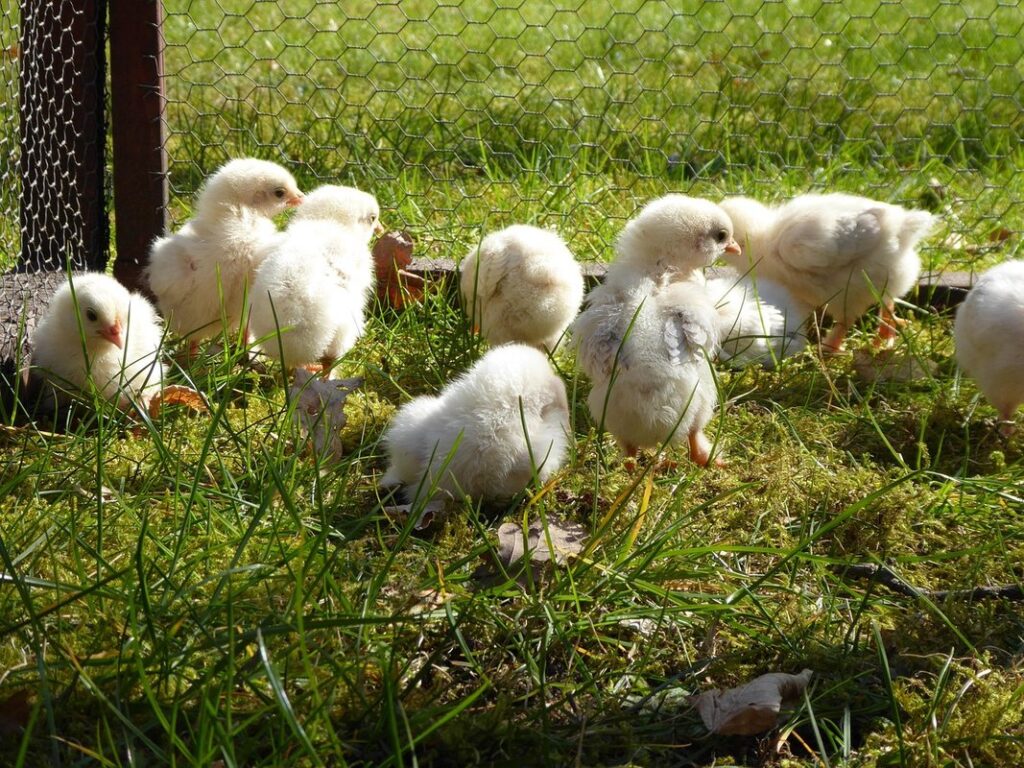
Characteristics and Types of Small Chicken Breeds
When it comes to small chicken breeds, understanding their unique characteristics is key to choosing the right fit for your backyard flock. Let’s dive into the fascinating world of small chicken types!
Physical Characteristics of Small Chicken Breeds
When it comes to small chicken breeds, their physical characteristics are just as unique and fascinating as their personalities. One of the most noticeable features of small chicken breeds is their compact size. Most small breeds weigh between 2-4 pounds (1-2 kg), making them perfect for backyard flocks or urban gardens.
In terms of height, small chicken breeds typically range from 6-12 inches (15-30 cm) tall. Some popular small breeds, like the Bantam Silkies and Polish, are even smaller, standing at around 8-10 inches (20-25 cm) tall. Their small stature is not only adorable but also requires less space, making them ideal for small farms or backyards.
Another distinctive feature of small chicken breeds is their plumage. Some breeds have fluffy feathers that resemble a ball of cotton, while others have sleek and shiny coats. For example, the Serama breed has vibrant red feathers with black tips, adding to its striking appearance. Regardless of their coat type, all small chicken breeds require regular grooming to prevent matting and tangling.
When choosing a small chicken breed, it’s essential to consider their physical needs and ensure you can provide them with adequate space and care. This includes providing a comfortable coop, adequate ventilation, and a balanced diet. By understanding the physical characteristics of small chicken breeds, you’ll be better equipped to give your feathered friends the best possible life.
Temperament and Behavior of Small Chicken Breeds
When it comes to temperament and behavior, small chicken breeds can be quite diverse. Some are known for their gentle and docile nature, while others are more assertive and dominant.
For example, the Silkie is a popular breed among backyard chicken keepers due to its calm demeanor. They’re generally quiet, laid-back birds that get along well with children and other pets. On the other hand, the Leghorn is a high-energy breed that’s known for its loud clucking and crowing. If you live in a residential area or have noise restrictions, this breed might not be the best fit.
Social behavior also varies among small chicken breeds. Some, like the Polish and Campine, are naturally more social and thrive on interaction with humans. Others, such as the Houdan and Sultan, can be more aloof and may require time to warm up to new people and environments.
When choosing a small chicken breed, consider your lifestyle and living situation. If you live in an apartment or have limited space, look for breeds that are quiet and don’t require a lot of exercise.
History and Origins of Small Chicken Breeds
The history of small chicken breeds dates back to ancient civilizations where these diminutive birds were prized for their unique characteristics. The Silkies, for instance, originated in China over 2,000 years ago and were highly valued by royalty for their soft, fluffy feathers and compact size. In contrast, the Japanese Bantams were bred specifically for fighting and were known for their feisty personalities.
In Europe, small chicken breeds like the Dutch Bantam and the Belgian Bearded d’Anvers were developed during the 17th and 18th centuries for egg-laying and meat production. The British, in particular, were instrumental in creating many of these small breeds by crossing larger birds with smaller ones to create a more manageable size.
Some notable examples of small chicken breeds that have been around for centuries include the Polish, which dates back to the 16th century, and the Houdan, which was developed in France during the 18th century. These breeds were often created for specific purposes such as egg-laying or meat production, but they also possess distinct personalities and characteristics that make them popular among backyard chicken keepers today.
When it comes to selecting a small chicken breed, consider what you want to achieve with your flock. If you’re looking for prolific layers, the Dutch Bantam may be the perfect choice. However, if you’re interested in a breed known for its friendly nature and low maintenance requirements, the Silkies might be the way to go.
It’s essential to note that many small chicken breeds have been developed through selective breeding, which has resulted in unique characteristics such as crested heads, frizzled feathers, or even feathered legs.
Popular Small Chicken Breeds for Backyard Flocks
If you’re looking to add some new feathered friends to your backyard flock, let’s explore some popular small chicken breeds that are perfect for small spaces.
1. Leghorn
The Leghorn is one of the most popular and widely recognized chicken breeds, known for its high egg production and striking appearance. Originating from Italy, this breed was first introduced to the United States in the late 19th century and has since become a favorite among backyard flock enthusiasts.
One of the primary advantages of keeping Leghorns is their exceptional egg-laying abilities. They are capable of producing an average of 280-300 eggs per year, making them an excellent choice for those who rely on their chickens for fresh eggs. However, it’s essential to note that their high energy levels also require a well-balanced diet and regular exercise.
Another consideration when keeping Leghorns is their potential noise level. They are known to be loud birds, especially during the morning hours, so if you live in close proximity to neighbors or have noise restrictions, this might not be the best breed for you.
Despite these potential drawbacks, many backyard flock owners swear by the charm and uniqueness of the Leghorn. With proper care and management, they can thrive in small spaces and provide a bountiful supply of fresh eggs.
2. Polish
When it comes to adding some flair to your backyard flock, few breeds can compete with the unique charm of Polish chickens. One of the standout characteristics of this breed is their gentle nature – they’re known for being friendly and docile, making them an excellent choice for families with children or for those who want a low-stress chicken-keeping experience.
Their vibrant plumage is another major draw: Polish chickens come in a stunning array of colors and patterns, from the striking black-laced red to the soft blue mottled. But their looks aren’t just about aesthetics – their feathering also plays a key role in keeping them cool in warm weather. In fact, some owners swear by the breed’s ability to thrive in hot climates due to its unique plumage.
As an added bonus, Polish chickens are relatively small in size, with hens reaching around 4-5 pounds at maturity. This makes them ideal for smaller backyard spaces or for those who want a compact flock that won’t dominate their property. With proper care and attention, these lovable birds can provide endless entertainment and enjoyment – so if you’re looking to add some personality to your flock, Polish chickens are certainly worth considering!
3. Silkie
The Silkie is one of the most recognizable and beloved small chicken breeds, known for its fluffy, soft feathers and gentle nature. But beyond their charming appearance, Silkies require special care to thrive. One of their most distinctive features is their hypoallergenic feathers, which are said to be beneficial for those with allergies or sensitive skin.
However, this sensitivity also means that Silkies have specific health needs. They are prone to conditions such as gigantism, which can cause vision and hearing problems if left untreated. Regular veterinary check-ups and a balanced diet rich in nutrients will help prevent these issues.
If you’re considering adding Silkies to your backyard flock, it’s essential to provide them with a warm and draft-free environment, as they are sensitive to cold temperatures. With proper care and attention, Silkies can make wonderful pets, but their unique needs must be taken into account when deciding whether to bring one home.
Some owners also report that Silkies require regular grooming to prevent matting of their feathers, so be prepared to commit time to maintaining your Silkie’s beautiful plumage.
Health Considerations for Small Chicken Breeds
When it comes to small chicken breeds, health considerations are crucial due to their delicate nature and potential breed-specific health issues. Let’s dive into these important factors together.
Common Health Issues in Small Chicken Breeds
As you delve into the world of small chicken breeds, it’s essential to be aware of the potential health issues they may face. Small breeds, such as Silkies and Polish, are prone to respiratory problems due to their compact chests and narrow airways. This can lead to symptoms like wheezing, coughing, and labored breathing.
Parasites are another common issue in small chicken breeds. Mites, lice, and fleas can infest their feathers, causing discomfort and stress. Regular cleaning of coops and runs, as well as providing a balanced diet, can help prevent these issues. However, if you do notice any signs of parasite infestation, treat your flock promptly with medicated powders or sprays.
Vitamin deficiencies are also prevalent in small chicken breeds. A lack of essential nutrients like vitamin D3 can lead to weakened bones and reduced egg production. Ensure you’re providing a well-rounded diet that includes oyster shells for calcium supplementation and dark leafy greens for iron.
Regular check-ups with a veterinarian will help identify any potential health issues early on, allowing you to take corrective action before the problem becomes severe.
Nutrition and Dietary Needs of Small Chicken Breeds
When it comes to nutrition and dietary needs of small chicken breeds, there are some essential considerations to keep in mind. Small breeds like the Polish, Silkie, and Bantam have distinct requirements that differ from larger chickens.
Protein is a crucial component of a small chicken’s diet, providing energy for growth and maintenance. Aim to provide a balanced layer feed with a protein content of around 16-18% during the laying phase, or a grower feed with 20-22% protein during the growth stage. Include high-protein foods like mealworms, crickets, or hard-boiled eggs as treats in moderation.
Calcium is also vital for small chickens, particularly for their developing skeletons and eggshell production. Increase calcium-rich foods such as crushed oyster shells or dark leafy greens like kale and spinach to 5-10% of their diet. A general rule of thumb is to provide 2-3 times more calcium than protein in the diet.
When feeding small chickens, remember that overfeeding can be just as detrimental as underfeeding. Monitor their weight closely and adjust feed amounts accordingly to avoid obesity.
Prevention and Treatment of Common Health Issues
Preventing common health issues in small chicken breeds requires attention to their unique needs. One major concern is Marek’s disease, a viral illness that affects many small breeds. To prevent it, keep your flock isolated from other birds and ensure they have adequate ventilation and lighting.
Regular cleaning and disinfection of coops can also help reduce the risk of diseases like coccidiosis, which often affects young chickens. A balanced diet rich in nutrients is essential for overall health; consider supplementing with probiotics or electrolytes during hot weather.
Treatment options vary depending on the specific issue. For example, antibiotics may be prescribed to treat respiratory infections, but overuse can lead to antibiotic resistance. In some cases, supportive care like providing extra fluids and rest may be sufficient.
Monitor your flock regularly for signs of illness, such as changes in appetite or droppings. Early detection is key to effective treatment. Keep a record of vaccination schedules and health checks to ensure your birds receive the best possible care. With proper prevention and attention to potential issues, you can help keep your small chicken breeds healthy and thriving.
Housing and Care Requirements for Small Chicken Breeds
When it comes to small chicken breeds, providing a suitable home is crucial. This section will cover the essential housing and care requirements your feathered friends need to thrive.
Coop Size and Design for Small Chickens
When it comes to housing small chicken breeds, providing adequate space and ventilation is crucial for their health and well-being. These tiny birds need room to move around, stretch their wings, and engage in natural behaviors like dust bathing and perching.
A good rule of thumb for coop size is to provide at least 2-3 square feet of floor space per chicken inside the coop, with an additional 1-2 square feet of outdoor run or enclosed area. This will give your small flock enough room to exercise, forage, and rest without feeling crowded or stressed.
In terms of design, consider a horizontal layout with plenty of windows for natural light and ventilation. Avoid vertical spaces that can trap heat and moisture, which can lead to respiratory problems in small chickens. Also, ensure good airflow by installing windows or vents that allow fresh air to circulate inside the coop.
When building or setting up your coop, keep the walls at least 3 feet off the ground to prevent predators from easily accessing your birds. Finally, don’t forget to provide a roosting bar for your chickens to perch on and take dust baths in their favorite spots. By following these guidelines, you’ll be able to create a safe and happy home for your small chicken flock.
Predator Protection and Fencing Requirements
When it comes to housing small chicken breeds in your backyard, one of the most crucial aspects is predator protection. Predators like coyotes, foxes, raccoons, and hawks can easily breach a poorly secured coop, leaving your feathered friends vulnerable.
To secure your coop from predators, consider investing in sturdy fencing materials such as hardware cloth or chicken wire with openings no larger than 1 inch. Bury the fencing material at least 12 inches underground to prevent digging predators like raccoons and opossums from accessing the coop. Ensure that any gaps between the fence posts are sealed to prevent predator entry.
It’s also essential to add a roof overhang or extension to your coop to prevent aerial attacks by hawks and other birds of prey. Consider installing chicken wire with openings no larger than 1 inch around the entire perimeter of the coop, including the run. This will help protect your flock from predators while allowing for airflow and sunlight.
Remember, prevention is key when it comes to predator protection. Regularly inspect your coop and fencing for any signs of damage or weaknesses, and make repairs promptly.
Permits and Regulations for Keeping Small Chicken Breeds
Before bringing home your small chicken breed, it’s essential to understand the local regulations and permitting requirements. Laws regarding backyard chickens vary by state, city, and even neighborhood, so you must research what’s allowed in your area.
In many places, homeowners with small lots or in densely populated areas may face restrictions on keeping chickens due to concerns about noise, odor, or property values. For example, some cities have ordinances that limit the number of chickens per household or require a minimum lot size for backyard chicken-keeping.
Before acquiring your small flock, check with local authorities to determine if permits are required. Some towns and cities issue special permits for keeping backyard chickens, while others may exempt small breeds from regulations. Knowing what’s allowed will help you choose a breed that fits within local zoning laws and ensure you can provide the best possible care for your new feathered friends.
Always keep in mind that regulations can change, so it’s crucial to stay informed about any updates or amendments to local ordinances.
Raising and Managing a Backyard Flock of Small Chicken Breeds
If you’re considering bringing home a few small chicken breeds, learning how to raise and manage them is crucial for their health and your own enjoyment. This section will cover the essentials of backyard flock care.
Tips for Introducing New Chickens to the Flock
Introducing new chickens to an existing flock can be a daunting task, but with the right strategies, you can minimize stress and establish social hierarchies. Before bringing home a new bird, it’s essential to prepare your existing flock for the newcomer.
When introducing a new chicken, start by keeping them separate from the main flock in a secure enclosure or a separate coop. This allows them to become familiar with each other’s sounds, sights, and smells without the risk of an immediate face-to-face encounter. Swap bedding, feed, and water containers between the two groups to transfer scents and establish a connection.
Gradually introduce the new chicken to the main flock by starting with visual introductions through a fence or mesh divider. Once they seem comfortable with each other’s presence, allow supervised interactions under close observation. Monitor your birds’ behavior and body language for signs of stress or aggression.
Remember, patience is key when introducing new chickens to an existing flock. With careful planning and gradual integration, you can create a harmonious and thriving community among your small chicken breeds.
Monitoring and Maintaining the Health of Small Chickens
As you care for your small chicken flock, monitoring and maintaining their health is crucial to prevent illnesses and ensure they live a long, happy life. Regular health checks are essential to detect any potential issues early on, allowing you to take corrective action before problems escalate.
Begin by inspecting your chickens daily for signs of illness or injury, such as unusual droppings, lethargy, or labored breathing. Keep an eye out for mites, lice, and other external parasites that can cause discomfort and stress. For parasite control, dust your coop with diatomaceous earth regularly to keep these pests at bay.
In addition to visual checks, schedule annual vaccinations against diseases common in your area. Consult with a local veterinarian or poultry expert to determine the best vaccination program for your flock.
By prioritizing regular health checks and preventative measures, you can help safeguard the well-being of your small chicken breeds and reduce the risk of costly veterinary visits down the line. Remember, proactive care is key to raising a happy, healthy flock.
Long-Term Management and Sustainability
Raising a backyard flock of small chicken breeds requires careful consideration for long-term management and sustainability. As you plan for the future, keep in mind that these birds can live up to 5-7 years with proper care.
To maintain sustainability, focus on creating a self-sufficient system where your flock’s waste is repurposed as fertilizer for your garden. This closed-loop approach reduces waste disposal costs and minimizes environmental impact. Consider setting up a composting area near the coop or integrating a worm farm to break down manure efficiently.
Regular health checks are crucial to prevent disease outbreaks, which can decimate small flocks quickly. Invest in high-quality feed that meets your birds’ nutritional needs, and maintain a clean living environment by regularly cleaning coops and runs.
Additionally, plan for succession and consider introducing new breeds or cross-breeding existing ones to maintain genetic diversity. This will help ensure the long-term health of your flock and reduce reliance on external supplies. By prioritizing sustainability, you’ll create a thriving ecosystem that benefits both your chickens and the environment.
Frequently Asked Questions
Can I keep small chicken breeds in a city with limited space?
Yes, many cities have ordinances allowing backyard chickens, even in small spaces. Research your local regulations before bringing home your new flock.
How often should I collect eggs from my small chicken breed hens?
Collect eggs daily to encourage regular laying and prevent breakage. It’s also essential for monitoring the health and productivity of your hens.
What are some common health issues specific to small chicken breeds, and how can I prevent them?
Small breeds are prone to respiratory problems due to their compact size. Provide adequate ventilation in coops, ensure proper hygiene, and offer a balanced diet rich in nutrients to keep your flock healthy.
How do I introduce new chickens to my existing flock without causing stress or fighting?
Introduce new birds gradually, starting with visual introductions through fencing or mesh walls. Supervise interactions closely and provide separate feeding areas to minimize competition.
Can small chicken breeds be kept as pets, or are they primarily for egg production?
Both! Small breeds can thrive as pets due to their gentle nature and affectionate personalities. However, prioritize their primary purpose as egg-laying birds by providing suitable habitat and nutrition.