
Ducks are one of the most recognizable and beloved waterfowl species, with over 120 different kinds found around the world. But have you ever stopped to think about the amazing diversity within this group? From the majestic mergansers that dive in search of fish to the humble dabbling ducks that wade through shallow waters, each kind has its own unique characteristics and adaptations.
In this article, we’ll take a closer look at the fascinating world of duck kinds, exploring their habitats, behaviors, and conservation efforts. Whether you’re an avid birdwatcher or just learning about these amazing creatures, you’ll discover why it’s so important to protect and preserve the incredible diversity of ducks that inhabit our planet. Get ready to learn about some of the most interesting and lesser-known duck species, from the harlequin duck to the wood duck!
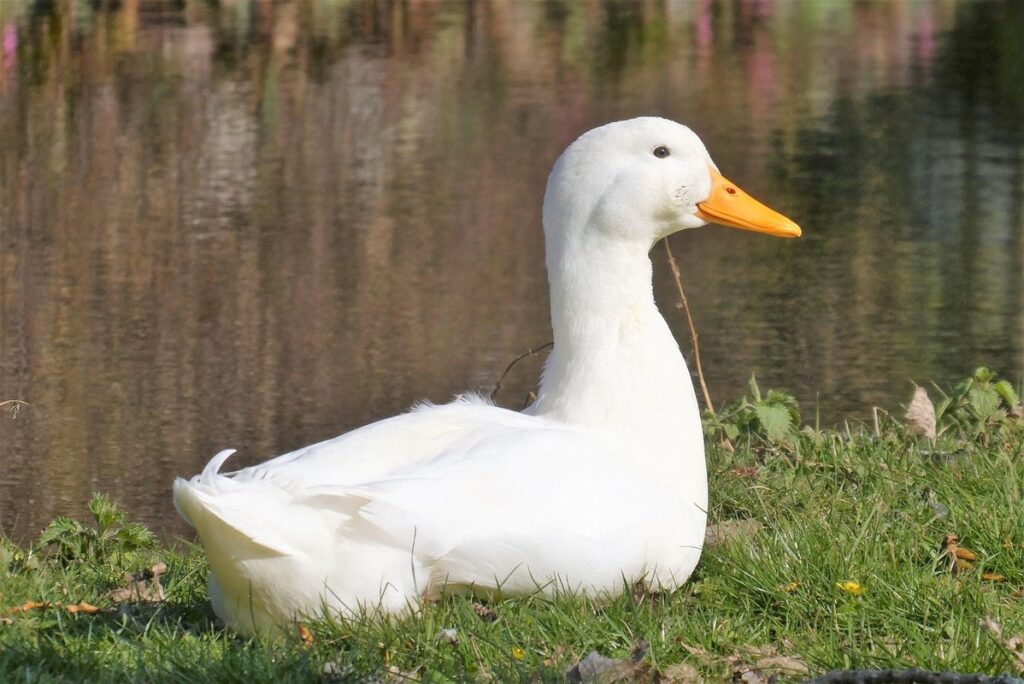
Introduction to Duck Species
Let’s start by exploring the fascinating world of duck species, which includes over 120 different types found worldwide, each unique and interesting. We’ll begin with a comprehensive overview of these incredible birds.
What are the Main Categories of Ducks?
Ducks are incredibly diverse, with over 120 different species spread across six continents. When it comes to understanding these birds, knowing their main categories can be a huge help. There are five primary types of ducks: dabbling ducks, diving ducks, mergansers, harlequin ducks, and whistling ducks.
Dabbling ducks, such as the Mallard, typically feed on the surface of water bodies like ponds and lakes. They use their distinctive webbed feet to search for plants, insects, and small invertebrates. Diving ducks, including species like the Redhead and Blue-winged Teal, on the other hand, dive underwater to find food.
Mergansers are a unique group, with three distinct species: the Common Merganser, the Red-breasted Merganser, and the Smew. These birds are primarily fish-eaters, using their long bills to spear prey in shallow water.
Harlequin ducks and whistling ducks round out our main categories. Harlequin ducks are found in North America and Asia, where they inhabit fast-moving streams and rivers. Whistling ducks, such as the Fulvous Whistling Duck, live in wetlands across Africa, Asia, and the Americas.
Understanding these basic classifications is essential for identifying different duck species. By recognizing the characteristics of each group, you’ll be well on your way to becoming a skilled duck enthusiast!
Evolutionary History of Ducks
Ducks have been around for millions of years, with their evolutionary history spanning across various continents and ecosystems. The earliest known ancestors of modern ducks date back to the Paleocene epoch, around 60 million years ago. During this time, these early waterfowl were characterized by their webbed feet and broad beaks, which were perfect adaptations for a life in and around water.
As we fast-forward through the ages, we see significant milestones in duck evolution. The emergence of ducks as distinct from other waterbirds is often attributed to the development of unique physical characteristics such as the wing-to-body-mass ratio, specialized feathers, and enhanced swimming capabilities. By around 30 million years ago, ducks had begun to radiate into various lineages that would eventually give rise to the diverse array of species we see today.
Understanding the evolutionary history of ducks is crucial for appreciating their diversity and adaptability. By tracing the development of these remarkable birds, we can gain valuable insights into their ecological roles and how they’ve adapted to different environments over time.
Waterfowl Families: A Closer Look
Let’s dive into the fascinating world of waterfowl families and explore the unique characteristics that set them apart from one another. We’ll examine each family type closely, highlighting their distinct features.
Anas Family (Dabbling Ducks)
The Anas family, commonly known as dabbling ducks, is one of the most recognizable and widespread groups within the duck world. This family comprises over 30 species, with some of the most popular ones being the Mallard (Anas platyrhynchos) and the Pintail (Anas acuta). These birds are easily identifiable due to their distinctive physical characteristics and behaviors.
One of the key features of dabbling ducks is their feeding habits. Unlike diving ducks that forage underwater, anas family members feed on plants and insects in shallow water. This unique behavior has allowed them to thrive in a variety of aquatic habitats, from ponds and lakes to wetlands and agricultural fields. For example, Mallards are often found in urban parks and backyards, where they can be seen feeding on grasses and grains.
When it comes to recognizing anas family members, look for their striking plumage patterns, long necks, and broad bills. These characteristics make them stand out from other duck species. If you’re interested in attracting these birds to your yard, consider creating a shallow water feature with plants that provide food and shelter. By doing so, you’ll be well on your way to welcoming anas family members into your backyard!
Aythya Family (Diving Ducks)
The Aythya family is one of the smaller groups within the waterfowl family tree, consisting of 11 different species of diving ducks. You might be familiar with a few members of this family, such as the Redhead and Ring-necked Duck. These birds are easily recognizable by their distinctive red heads or neck rings.
One key characteristic that sets Aythya ducks apart is their preference for aquatic environments, including marshes, ponds, and lakes. They spend most of their time on or near water, using their powerful legs to dive in search of food such as aquatic plants, crustaceans, and small fish. In fact, they’re one of the few duck families that regularly feed underwater.
When it comes to identification, Aythya ducks are often easy to spot due to their bright plumage and unique markings. However, some species can be quite similar in appearance, so it’s essential to take note of specific characteristics such as bill shape and size, or the extent of red on their heads. By paying attention to these details, you’ll be able to accurately identify Aythya ducks and tell them apart from other diving duck species.
Specialized Duck Species
You’re curious about ducks that thrive in unique environments? This section takes a closer look at specialized duck species, from mergansers to harlequin ducks.
Mergansers: Fish-eating Experts
Mergansers are one of the most fascinating duck species out there, and for good reason. These birds have evolved to become expert fish-eaters, with a few unique characteristics that set them apart from other ducks.
One key characteristic of mergansers is their beak shape and size. Their beaks are long and slender, perfectly suited for scooping up fish from the water’s surface. In fact, mergansers can dive down to depths of over 20 feet in search of food, making them some of the most skilled underwater hunters among duck species.
Their diet consists mainly of fish, but they also eat aquatic insects, crustaceans, and even small frogs on occasion. Mergansers are known to congregate around areas with high fish populations, such as lakes, rivers, and coastal waters. If you’re interested in attracting mergansers to your yard, consider installing a bird-friendly pond or lake with a diverse range of aquatic life.
In the wild, mergansers play an essential role in maintaining the ecosystem balance by controlling fish populations. By learning more about these remarkable birds, we can appreciate their importance and work towards preserving their habitats for future generations.
Harlequin Ducks: Mountain Inhabitants
The Harlequin Duck is one of the most fascinating species among specialized duck populations. These remarkable birds have adapted to thrive in mountainous regions, where harsh weather conditions and rugged terrain would be challenging for many other duck species. To survive in such environments, Harlequin Ducks have evolved unique physical characteristics.
One notable feature is their webbed feet, which are perfectly suited for navigating fast-moving mountain streams and rivers. Their broad, flat tails act as stabilizers, allowing them to maintain balance on slippery rocks and uneven surfaces. Furthermore, Harlequin Ducks’ dense feathers provide exceptional insulation against cold temperatures, helping them conserve energy in environments where food may be scarce.
When encountering Harlequin Ducks in the wild, observe how they expertly exploit mountain resources for sustenance. They feed on aquatic insects, crustaceans, and small fish, often diving from rocks into icy waters to catch prey. By studying these specialized ducks, we can appreciate their remarkable resilience and adaptability in response to extreme environmental pressures.
Migratory Patterns and Duck Behavior
Let’s dive into the fascinating world of migratory patterns, where some ducks fly thousands of miles each year to escape harsh weather conditions and find food. You’ll learn about their remarkable journeys in this next section.
Migration Routes and Timing
When it comes to understanding migratory patterns and duck behavior, one of the most fascinating aspects is migration routes and timing. Different duck species have distinct pathways they follow each year, often influenced by factors such as food availability, climate, and geographical barriers.
Some common migration routes include the Eastern Flyway, which spans from Canada to Florida in the United States, where waterfowl like wood ducks and mergansers congregate during their wintering months. The Central Flyway, stretching from the Great Plains to the Gulf of Mexico, is a critical route for species such as pintails and shovelers.
Timing is also crucial in understanding migration patterns. For instance, some duck species begin their journeys as early as July, while others migrate later in September or October. It’s essential for birdwatchers and hunters to be aware of these schedules to maximize their chances of spotting specific species during peak migration periods.
Knowing the general migration routes and timing can help enthusiasts plan their outdoor activities accordingly, increasing their opportunities to observe these remarkable creatures.
Social Structure and Communication
Ducks are highly social creatures that thrive in groups, known as paddocks. These communities often consist of ducks from the same species, but you’ll also find mixed-species paddocks where different types of ducks come together. In their natural habitats, ducks establish a complex social hierarchy with dominant and submissive individuals.
One essential aspect of duck communication is vocalization. They use a wide range of sounds to convey emotions, warnings, and even specific messages. For example, female wood ducks will produce a distinctive quack to alert others of potential predators or threats. In contrast, male wood ducks will make a softer, whistling sound when interacting with each other.
Understanding these communication methods can be useful for duck keepers and enthusiasts. By recognizing the different sounds and behaviors exhibited by specific breeds, you’ll be better equipped to provide care and attention tailored to their unique needs. For instance, if you notice your ducks are producing a high-pitched alarm call, it may indicate the presence of predators or an impending storm.
Domestication and Pet Ducks
If you’re thinking of bringing a duck into your family, it’s essential to learn about domesticating these birds as pets. We’ll cover everything from basic care to handling common issues.
Keeping Ducks as Pets
Keeping ducks as pets can be a wonderful experience, but it’s essential to understand their specific needs and requirements. When deciding to bring ducks into your home, you’ll need to consider the space and resources available for their care.
Firstly, housing is crucial for keeping your feathered friends happy and healthy. A safe enclosure should provide protection from predators and harsh weather conditions. You can set up a backyard coop or a designated duck area in your yard, ensuring it’s secure and well-ventilated. Aim for about 2-3 square feet of space per duck inside the coop.
Nutrition is another vital aspect to consider. Ducks require a balanced diet that includes high-quality commercial pellets as their main staple, supplemented with fruits, vegetables, and grains. A water source should always be available, and it’s recommended to provide a shallow pool for swimming and exercise. Fresh water changes daily will also help maintain good health.
With proper care and attention, keeping ducks as pets can bring immense joy and companionship into your life.
Breeding and Rearing Ducks
Breeding and rearing ducks requires careful consideration to ensure healthy growth and development. When selecting birds for breeding, it’s essential to choose individuals with desirable traits such as temperament, egg-laying capacity, and feather quality. Look for birds that appear robust, have clean and well-kept feathers, and show no signs of stress or illness.
Create a suitable environment by providing adequate space, shelter, and nutrition. A safe and secure enclosure is crucial to prevent escape and predation risks. Ensure access to fresh water, a balanced diet, and adequate shelter from extreme weather conditions.
When rearing ducklings, it’s essential to keep them warm, clean, and well-fed. Provide a temperature-controlled brooder with adequate ventilation to ensure the health and safety of the young birds. Feed a starter feed specifically formulated for ducklings, and ensure access to fresh water at all times. By following these guidelines, you can set your ducks up for success and enjoy a healthy and thriving flock.
Regular monitoring of bird health, vaccination, and parasite control is also crucial in maintaining a healthy flock.
Conservation Efforts for Duck Populations
Let’s dive into some of the amazing conservation efforts being made to protect and preserve duck populations around the world, from habitat restoration to species-specific initiatives. These projects are crucial for maintaining a healthy balance in our ecosystems.
Threats to Duck Populations
Duck populations are facing numerous threats, primarily due to human activities and environmental changes. Habitat destruction and fragmentation, mainly caused by agriculture, urbanization, and infrastructure development, have led to the loss of natural habitats and reduced foraging grounds for ducks.
Climate change also plays a significant role in impacting duck populations. Rising temperatures alter breeding patterns, migration routes, and feeding behaviors. For instance, warmer winters may cause early breeding, making it challenging for some duck species to adapt.
Hunting regulations are another concern; although many countries have implemented laws protecting waterfowl, overhunting remains an issue. Some ducks, like the Wood Duck and Merganser, are often hunted for their feathers or meat, contributing to declining populations.
Lastly, disease outbreaks have been reported in duck populations worldwide. The West Nile virus, avian cholera, and other diseases can have devastating effects on local duck populations. It’s essential to understand these threats and work towards implementing conservation measures to protect these amazing birds.
Global Initiatives for Duck Conservation
Global initiatives for duck conservation are underway to protect and conserve these magnificent creatures. One such initiative is the Convention on International Trade in Endangered Species of Wild Fauna and Flora (CITES), which regulates the trade of ducks and other endangered species.
The International Union for Conservation of Nature (IUCN) also plays a crucial role in duck conservation, monitoring and assessing the global status of duck populations. Additionally, organizations such as the World Wildlife Fund (WWF) and Ducks Unlimited work tirelessly to protect habitats, prevent hunting, and promote sustainable living practices that benefit duck populations.
Citizens can contribute to these efforts by adopting responsible pet ownership, supporting eco-friendly farms, and reducing plastic waste in waterways where ducks live. For instance, the ‘Ducks for a Day’ initiative allows schools and communities to participate in hands-on conservation activities.
Moreover, governments worldwide have implemented regulations to safeguard duck populations, such as banning hunting during breeding seasons or establishing protected areas. By supporting these initiatives, we can ensure the long-term survival of these incredible waterfowl.
Frequently Asked Questions
How do I identify different types of ducks in the wild?
To accurately identify duck species, observe their body size, plumage patterns, beak shape, and leg length. Note also their habitat preferences and behaviors, such as diving or dabbling. Consult field guides or online resources for specific characteristics unique to each type.
Can I keep multiple duck breeds together in a single enclosure?
While some ducks are compatible with others, introducing different breeds can lead to conflicts over food, space, or dominance. Research the specific breed needs and temperaments before housing multiple species together. Consider factors like size, noise levels, and feeding habits when making this decision.
What conservation efforts can individuals contribute to help protect duck populations?
Support local organizations focused on waterfowl conservation by donating time, resources, or money. Spread awareness about the importance of preserving biodiversity and habitat protection through social media or community outreach programs. Additionally, participate in citizen science initiatives that monitor water quality and bird populations.
How can I attract ducks to my backyard for birdwatching or feeding?
Create a welcoming environment by installing a pond or shallow pool with fresh water and aquatic plants. Provide an adequate food source, such as duck pellets or whole grains, at least 12 inches from the water’s edge. Avoid overfeeding and ensure a safe escape route from predators.
What are some signs of stress or illness in ducks that I should look out for?
Monitor their behavior, appetite, and droppings. Look for changes like lethargy, feather loss, labored breathing, or unusual vocalizations. Check for visible injuries or parasites like mites or lice. If you suspect a duck is stressed or ill, consult with a veterinarian experienced in caring for waterfowl to ensure proper diagnosis and treatment.