
If you’re considering bringing home some feathered friends or already have them in your backyard, chances are you’ve heard of bantams. These tiny but mighty chickens come in all sorts of colors and varieties, making them a popular choice for both seasoned farmers and new pet owners alike. But what exactly is a bantam chicken, and how do you care for one? From their unique characteristics to the different types that exist, we’ll dive into everything you need to know about raising happy and healthy bantams as pets or show birds. In this comprehensive guide, we’ll cover topics such as bantam chicken breed selection, housing, feeding, and management, so you can enjoy the joys of bantam ownership without any hassle or heartache.
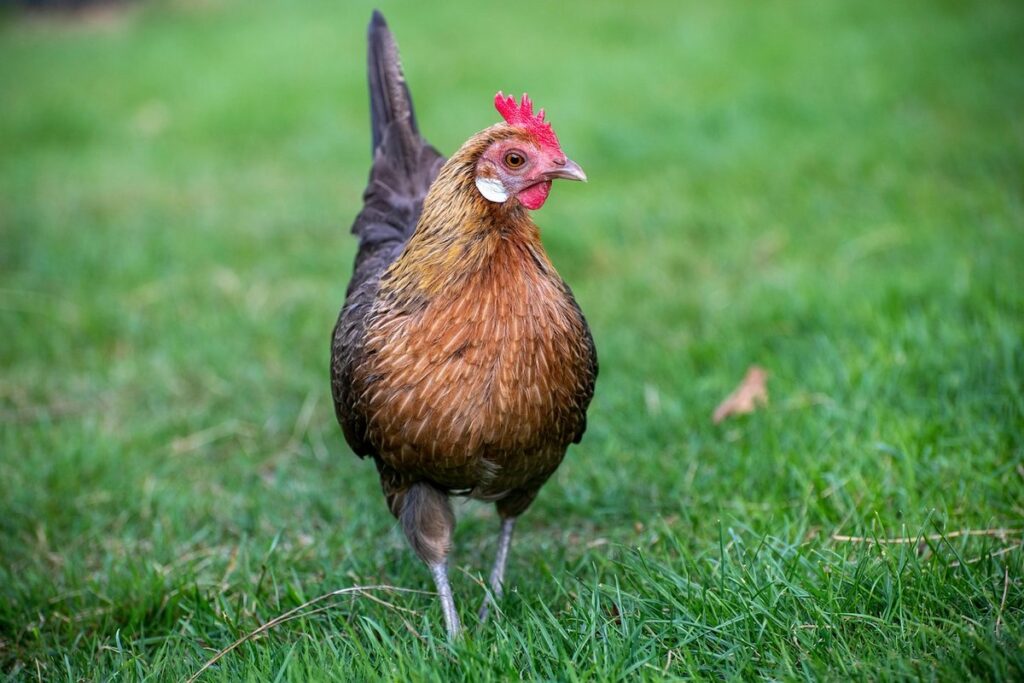
What are Bantam Chickens?
So, you’re wondering what exactly makes a bantam chicken different from its larger counterparts? Let’s dive into the characteristics that define these tiny but mighty birds.
Characteristics of Bantam Chickens
Bantam chickens are known for their unique physical characteristics that set them apart from larger breeds. One of the most notable features is their small size, with adults typically weighing between 1-3 pounds and standing about 6-10 inches tall. This compact stature makes bantams a popular choice for backyard flocks where space is limited.
In addition to their physical appearance, bantam chickens are also distinguished by their temperament. They are known for being friendly, docile, and energetic, making them an excellent choice for families with children or those who want low-maintenance pets. Some breeds, such as the Silkie and Polish, are particularly affectionate and enjoy human interaction.
When it comes to egg-laying abilities, bantams are surprisingly productive, considering their small size. Many bantam breeds will lay around 100-200 eggs per year, with some varieties producing more than others. For example, the Dutch Bantam is known for its high egg production, while the Japanese Bantam lays fewer but larger eggs.
Overall, bantams offer a unique combination of charm, personality, and productivity that makes them an attractive addition to any backyard flock.
Types of Bantam Chickens
There are over 60 recognized bantam chicken breeds worldwide, each with its unique characteristics and purposes. The Silkie Bantam, for example, is one of the most popular varieties, known for its fluffy plumage and gentle nature. These small chickens make excellent pets due to their friendly demeanor and require minimal space.
The Polish Bantam, on the other hand, boasts vibrant feathers and a compact build, making them ideal for backyard flocks or exhibition purposes. Their intelligence and trainability also make them suitable for showing and competitions. Other popular breeds include the Japanese Bantam, recognized by its intricate plumage patterns and slender legs, and the Dutch Bantam, known for its bold appearance and egg-laying abilities.
Some bantams are specifically bred for their eggs, such as the Belgian Bearded d’Anvers, which lays about 200 large white eggs per year. In contrast, others like the Japanese Trillium Bantam focus on ornamental value due to their striking coloration and unique comb types.
History and Origins of Bantams
Bantam chickens have a rich history that dates back thousands of years, originating from Southeast Asia where they were prized for their small size and exotic plumage. Let’s explore how these tiny birds evolved over time.
Ancient Origins of Bantam Chickens
The earliest recorded history of bantam chickens dates back to Southeast Asia, where these small but mighty birds were highly valued for their eggs and meat. The region’s fertile soil, warm climate, and abundant food sources made it an ideal place for the development of various chicken breeds, including the bantam.
Archaeological evidence suggests that bantams were first domesticated in present-day Indonesia and Malaysia around 2000 BCE. These early birds were likely descended from wild jungle fowl, which were native to the region. Over time, local farmers selectively bred them for desirable traits such as smaller size, hardiness, and prolific egg-laying.
As trade routes expanded between Southeast Asia and Europe, bantams were introduced to the continent in the 17th century. They quickly gained popularity among breeders and households due to their compact size, friendly nature, and impressive laying abilities. Today, bantam chickens are enjoyed by backyard chicken enthusiasts around the world for their charming personalities and versatility.
Breed Development and Standardization
As we explore the history and origins of bantams, it’s fascinating to delve into the process of breed development and standardization. Over time, selective breeding and genetic variation have led to the creation of distinct breeds within the bantam category.
Selective breeding has played a significant role in shaping the characteristics of various bantam breeds. Breeders aimed to emphasize desirable traits such as miniature size, egg-laying capacity, and feather pattern. For instance, the Polish Silkied Bantam was developed by cross-breeding Silkies with other bantams to create a bird with striking plumage.
Genetic variation has also contributed to the development of unique breeds. Breeders introduced new bloodlines from around the world, introducing traits like different beak shapes and feather colors. This selective breeding process resulted in over 30 distinct bantam breeds, each with its own set of characteristics.
It’s worth noting that breed standardization is a continuous process. As breeders continue to refine their flocks, new standards emerge, and existing ones are refined. For backyard chicken keepers looking to raise bantams, understanding the development and standardization process can help them make informed decisions about which breeds to choose and how to care for them effectively.
Bantam Chicken Care and Management
To keep your bantams happy and healthy, it’s essential to understand their unique care and management needs, including feeding, housing, and health considerations. We’ll walk you through these key areas next.
Housing and Environment for Bantams
When it comes to housing and environment for bantams, it’s essential to provide them with a space that meets their unique needs. Bantams require more space per bird than larger breeds due to their energetic nature. A good rule of thumb is to allocate at least 2-3 square feet of space inside the coop and 5-7 square feet in the run for each bantam.
Proper ventilation is also crucial for maintaining a healthy environment. Bantams are prone to respiratory issues, so make sure your coop has adequate airflow. You can achieve this by installing windows, vents, or even a small fan. Aim for at least 1-2 square feet of ventilation per bird.
Temperature control is another vital aspect to consider. Bantams are sensitive to extreme temperatures, so ensure their coop stays between 40°F and 80°F (4°C and 27°C). Keep your coop away from direct sunlight during hot summer months and use bedding materials like straw or wood shavings to regulate the temperature.
A well-maintained environment will keep your bantams happy and healthy. Regular cleaning, dusting, and disinfecting are essential tasks to prevent disease outbreaks.
Feeding and Nutrition for Bantams
Bantams are small, but they still require a well-balanced diet to stay healthy and happy. When it comes to feeding your bantam chicken, the key is to provide a mix of high-quality protein sources, complex carbohydrates, and essential vitamins and minerals.
For the main staple of their diet, consider offering a starter or grower feed specifically formulated for small birds like bantams. These feeds are usually available in crumb form and contain all the necessary nutrients for optimal growth and health. Supplement with calcium-rich foods like crushed oyster shells to support strong eggshell production (if your bantam lays eggs) and maintain overall bone health.
As treats, offer a variety of fresh fruits and vegetables daily, such as leafy greens, carrots, and berries. Avoid giving them high-sodium or high-fat foods, which can lead to digestive issues. You can also mix in some mealworms or sunflower seeds for added protein and nutrition.
Health Considerations for Bantam Chickens
When raising bantams, it’s essential to consider their specific health needs due to their small size and potential health vulnerabilities. Let’s explore some key considerations to keep your bantams happy and healthy.
Common Health Issues in Bantams
Bantam chickens are prone to several common health issues that can affect their overall well-being and productivity. Respiratory problems, for instance, can be a significant concern due to the breed’s compact size. Bantams have shorter airways, making it more difficult for them to breathe and expel mucus, which can lead to conditions such as bronchitis and pneumonia. Regular cleaning of coops and runs, providing adequate ventilation, and maintaining a dry environment can help mitigate these issues.
Another health concern is parasites, including internal parasites like worms and external parasites like lice, mites, and fleas. These pests can be introduced through contaminated feed, water, or by other birds in the flock. Monitoring your bantam’s droppings for signs of infestation, such as blood or eggshell fragments, and using preventative measures like dusting powders or natural parasite control methods can help keep these issues under control.
Reproductive issues are also common in bantams, particularly in males. These can include conditions like male infertility, which can be caused by genetics, age, or environmental factors. Providing a balanced diet, maintaining a clean and stress-free environment, and ensuring proper health checks can all contribute to the overall reproductive health of your flock.
It’s essential to monitor your bantam’s behavior, droppings, and general health closely to catch any potential issues early on. Regular veterinary check-ups and following recommended vaccinations and parasite control programs can also help prevent common health problems in bantams.
Preventative Measures and Healthcare Options
When it comes to keeping your bantam chickens healthy and thriving, preventative measures are key. Regular vaccinations and parasite control can go a long way in preventing diseases that can spread quickly among flock members.
One of the most common health issues affecting bantams is mites and lice infestations. To prevent this, make sure to clean their living space regularly and check for signs of these parasites on a weekly basis. You can also use a combination of diatomaceous earth and dusts specifically designed for poultry to keep them under control.
In addition to preventative measures, it’s essential to have a plan in place for emergency veterinary care. Research local veterinarians who specialize in caring for small flocks or bantam chickens specifically. Keep their contact information handy and make sure you’re aware of the nearest 24-hour animal hospital in case of an emergency.
By taking these steps, you’ll be well-prepared to handle any health issues that may arise with your flock.
Bantam Chicken Breeding and Showing
If you’re interested in raising show-quality bantams, or simply want to learn more about their breeding potential, this is where you’ll find the expert advice you need.
Selecting Breeder Stock and Mating
When it comes to breeding bantams for showing and sale, selecting high-quality breeder stock is crucial. You want to choose birds that exhibit excellent genetics, temperament, and conformation. Start by evaluating the overall health and appearance of the birds. Look for well-proportioned bodies, strong legs, and good feathering.
Considerations for genetics include inherited traits such as egg-laying capacity, fertility, and disease resistance. Research the breed standards for your desired bantam variety to ensure you’re selecting birds that conform to these standards. You should also evaluate temperament by observing how birds interact with each other and their keepers.
When mating your breeder stock, aim for a balance of desirable traits from both parents. This is where genetics come into play. For example, if you want to breed bantams that are known for laying eggs, pair a high-producing hen with a rooster that has a proven track record of fertility. Be sure to maintain detailed records of your birds’ performances and breeding history to help guide future selections.
Showing Bantams: Tips and Best Practices
Preparing your bantams for show is an exciting but sometimes daunting task. It’s essential to understand the basics of showing before entering a competition with your birds. First and foremost, familiarize yourself with the breed standard for the specific breed you’re showing. This will give you a clear idea of what judges are looking for in terms of size, shape, feather quality, and color.
Make sure your bantams meet these standards by regularly grooming them to ensure their feathers are clean and well-maintained. Practice handling your birds regularly to make them comfortable with being held and examined. This will also help you become more confident when presenting your birds in front of judges.
Understand the show rules and regulations, including entry fees, class divisions, and specific breed requirements. Some shows may have restrictions on age, sex, or bloodlines, so it’s crucial to double-check these details before entering. Additionally, be prepared for a rigorous judging process where your bird will be evaluated based on its overall appearance, movement, and temperament.
When presenting your birds, make sure they are clean, well-fed, and hydrated. Use high-quality equipment and presentation materials to showcase their best features. Be prepared to provide detailed information about the breed’s history, characteristics, and unique traits.
Keeping Bantam Chickens as Pets
If you’re thinking of bringing a bantam chicken into your home, it’s essential to consider their unique needs and requirements for a happy and healthy pet. Here, we’ll cover the basics of keeping bantams as pets.
Benefits and Challenges of Keeping Bantams as Pets
Keeping bantams as pets can be an incredibly rewarding experience for those who are willing to provide the necessary care and attention. One of the main benefits is their ability to thrive in small spaces, making them perfect for backyard flocks or even apartment dwellers with a balcony or yard.
Not only do bantams require less space, but they also produce fewer eggs than standard-sized chickens, which can be beneficial for those who don’t want a constant supply of eggs. Additionally, their smaller size means they are generally quieter than larger breeds and won’t disturb neighbors. However, socialization is crucial for bantams as they can become aggressive if not handled regularly from an early age.
To get the most out of keeping bantams as pets, consider starting with a few friendly breeds such as Silkies or Polish to help with socialization. Provide plenty of enrichment activities like scratching posts and hiding places to keep them entertained. With proper care and attention, your bantam flock can bring joy and companionship into your life.
Creating a Happy and Healthy Environment for Your Bantams
Creating a happy and healthy environment for your bantams is crucial to their well-being. A bored bantam can become stressed and unhealthy, leading to behavioral problems such as feather pecking and egg eating disorders. To prevent this, provide enrichment activities that stimulate their natural behaviors like foraging, scratching, and dust bathing.
Some ideas include:
* Creating a foraging area with hidden food and treats
* Providing a dust bath or shallow dish filled with sand or calcium powder
* Offering puzzle toys filled with feed or treats to challenge them mentally
Social interaction is also vital for bantams. Since they are social birds, they need regular contact with their owners and other chickens. You can achieve this by:
* Spending time with your bantams daily, letting them perch on your arm or hand
* Introducing a new bantam to your flock gradually, allowing them to get used to each other’s presence
Regular veterinary care is also essential for maintaining your bantams’ health. Schedule annual check-ups with a poultry-savvy veterinarian and monitor their behavior, appetite, and egg production closely.
By following these tips, you can create a happy and healthy environment that meets your bantams’ physical and emotional needs.
Frequently Asked Questions
Can I keep bantam chickens with larger breeds?
Yes, it’s possible to mix bantams with larger breeds, but you’ll want to introduce them slowly and under close supervision to ensure a smooth transition. Keep in mind that some larger breeds may see the bantams as competition for food or resources, so be prepared to provide separate feeding stations and shelter.
How often should I clean my bantam’s coop?
Bantams are notorious for their messy habits, so you’ll want to clean their coop regularly to prevent health issues. Aim to clean out droppings daily, disinfect surfaces weekly, and give the entire coop a deep clean every 2-3 months.
Can bantam chickens be trained for egg-laying?
Yes, many bantam breeds are prolific layers, producing eggs that are just as delicious as those from larger hens. However, keep in mind that some bantams may have varying levels of egg production depending on their breed and individual characteristics.
How do I prevent my bantams from escaping?
To prevent escape artists, make sure to secure the coop with sturdy fencing and covers, ensuring there are no gaps or weaknesses. You can also use baffles or visual barriers to deter birds from flying over the top of the enclosure.
Can I keep bantam chickens indoors during extreme weather conditions?
While it’s tempting to bring your bantams inside for protection during harsh weather, this isn’t always a good idea. Many breeds are adapted to withstand outdoor temperatures and may become stressed or inactive when confined indoors. Instead, provide sheltered areas outdoors with adequate ventilation to keep them safe and comfortable.