
Are you looking for a low-maintenance pet that’s perfect for families with children or backyard enthusiasts? Look no further than the pea comb chicken! This delightful breed has been around for centuries, and its unique characteristics make it an ideal choice for those new to poultry-keeping. With their friendly, docile nature, pea comb chickens are easy to care for and can thrive in small spaces, making them a great option for urban or suburban dwellers.
In this article, we’ll delve into the history of pea comb chickens, exploring what makes them so special and why they’re perfect for families with kids. We’ll also cover the benefits of keeping these lovely birds as pets, including their friendly personalities and low-maintenance needs. Whether you’re a seasoned poultry expert or just starting out, this article will give you all the information you need to decide if pea comb chickens are right for you.
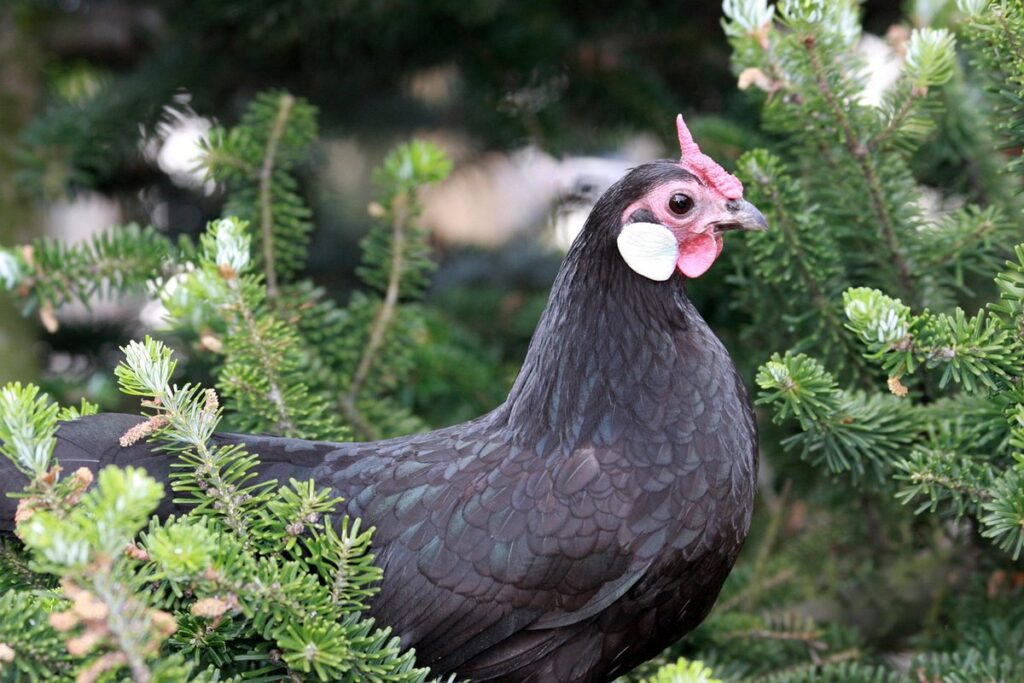
History and Origin of Pea Comb Chickens
Pea comb chickens have been a fascinating breed for centuries, originating from the rugged lands of Scotland and Ireland where they were valued for their hardiness. Let’s explore how this remarkable breed came to be.
Early Development and Breeding
Pea comb chickens have a rich history that dates back to ancient times. The exact origin of this breed is unclear, but it’s believed to have originated in the Middle East or Southeast Asia, where peasants and farmers kept them for their unique characteristics and hardiness. In the early days, pea comb chickens were bred specifically for their ability to thrive in hot climates, which made them an ideal choice for farmers who lived in areas with scorching temperatures.
One of the earliest recorded mentions of pea comb chickens is from ancient India, where they were used as a source of meat and eggs. The breed was also highly prized for its strong legs and feet, which made it well-suited to scratching and pecking at grain. Early breeding practices involved selecting birds with desirable traits such as compact bodies, small combs, and gentle temperaments. By carefully selecting these characteristics over generations, farmers were able to create a distinct breed that was uniquely adapted to their local environment.
Interestingly, pea comb chickens have been influenced by other breeds throughout history, including the Brahma and Cochin. However, they retain many of their original characteristics, making them an attractive choice for backyard chicken keepers today.
Key Breeders and Their Contributions
One of the most significant factors contributing to the pea comb chicken’s popularity and unique characteristics is the work of dedicated breeders. Among these notable breeders is Robert Rose, who played a pivotal role in developing the breed’s distinctive features. Rose’s commitment to breeding chickens with high-quality eggs and robust health helped establish the pea comb chicken as a desirable choice for backyard flocks.
Another influential breeder was Dr. Henry M. Dunlop, who further refined the breed through selective breeding. His efforts led to the development of various pea comb chicken strains, each with its own set of characteristics. These breeders not only helped shape the pea comb chicken’s physical attributes but also contributed to its reputation as a hardy and productive bird.
Their work has had a lasting impact on the world of backyard poultry keeping. By choosing breeds like the pea comb chicken, hobbyists can enjoy high-quality eggs while minimizing their environmental footprint. When selecting a breed, consider factors such as egg-laying capacity, temperament, and adaptability to local climate conditions.
Physical Characteristics of Pea Comb Chickens
One of the most distinctive features of pea comb chickens is their unique physical characteristics, which set them apart from other breeds. Let’s take a closer look at what makes them so special in terms of size and build.
Unique Combs and Waddles
One of the most distinctive physical characteristics of pea comb chickens is their unique comb, which sets them apart from other breeds. Unlike rose combs, which are large and prominent, pea combs are smaller and softer to the touch. This subtle difference may not seem significant at first glance, but it has a profound impact on how these birds regulate their body temperature.
In hot weather, pea comb chickens have an advantage when it comes to cooling down. Their smaller comb reduces heat loss through the comb area, which can be a major issue for rose comb birds in extreme temperatures. Conversely, during cold weather, the softer texture of the pea comb allows for better circulation and insulation, keeping the bird’s head and neck warm.
As a result, pea comb chickens are often more resilient to temperature fluctuations than other breeds. This adaptability makes them an excellent choice for backyard flock owners who want to minimize the need for expensive heating or cooling systems. By incorporating pea comb chickens into your flock, you can enjoy reduced stress on both your birds and your wallet.
Feather Type and Plumage
Pea comb chickens are renowned for their stunning feathering, which is one of the breed’s most distinctive characteristics. When it comes to feathers, there are several types found in pea combs, each contributing uniquely to their overall appearance.
You can expect to find a range of feather colors and patterns on a Pea Comb chicken, including white, black, brown, and various shades in between. Some have solid-colored plumage, while others boast intricate patterns such as mottling or ticking. The most striking aspect is the breed’s ability to display both single and double-laced feathers. Single-laced birds showcase one color on the base with a second color covering the tips of their feathers, resulting in an eye-catching striped effect.
Their feathering can also be described as fluffy or silky depending on individual characteristics. For those interested in showcasing this unique feature, keep in mind that proper care and maintenance are essential for maintaining healthy plumage. This includes regular grooming to prevent matting or tangling and ensuring access to a well-balanced diet rich in nutrients.
By understanding the feathering types and patterns present in Pea Comb chickens, you’ll appreciate their beauty even more, adding another layer of appreciation to these birds’ undeniable charm.
Temperament and Personality Traits
When it comes to their temperament, pea comb chickens are known for being friendly, outgoing birds that make great additions to backyard flocks. They’re relatively calm and laid back.
Friendly and Docile Nature
Pea comb chickens are renowned for their exceptional temperament and docile nature. When considering adding these lovable birds to your backyard flock, you’ll be pleased to know that they make an excellent choice for families with children or beginners in the poultry-keeping world.
Their calm demeanor makes them a joy to be around, allowing children to safely interact with them without any risk of aggressive behavior. In fact, pea comb chickens are often described as “lap chickens” due to their fondness for being held and cuddled. Their friendly nature is infectious, making them an excellent addition to any family’s flock.
One of the key benefits of having pea comb chickens in your backyard is that they’re incredibly easy-going. They’re not prone to stress or anxiety, which means they’ll thrive in a variety of living situations, from small backyards to larger farms. Their docile nature also makes them an excellent choice for those who want to integrate multiple breeds into their flock.
By incorporating pea comb chickens into your flock, you can enjoy the benefits of having friendly and affectionate birds that are perfect for family members of all ages.
Energy Levels and Exercise Needs
Pea comb chickens are known for their moderate energy levels, making them an excellent choice for backyard flocks. They require regular exercise to stay happy and healthy, but they don’t need as much physical activity as some other breeds.
When it comes to exercise needs, pea combs are relatively easy-going. A daily walk around the coop or a short playtime in a secure area is sufficient to keep them entertained and engaged. You can also try incorporating activities that stimulate their minds, such as foraging games or puzzle feeders, which will challenge their problem-solving skills and provide mental stimulation.
On average, pea combs need about 1-2 hours of exercise per day, depending on their age and individual energy levels. It’s essential to remember that every chicken is different, so observe your pea comb’s behavior and adjust their exercise routine accordingly. For example, younger chickens may require more frequent and intense playtime, while older birds might prefer shorter, gentler sessions.
By providing regular exercise and mental stimulation, you can help keep your pea combs happy, healthy, and thriving in their environment.
Health Considerations
When it comes to owning pea comb chickens, there are several health considerations you should be aware of to ensure the well-being of your flock. Let’s take a closer look at these important factors.
Susceptibility to Certain Diseases
As you consider keeping pea comb chickens as pets or raising them for egg production, it’s essential to understand their unique characteristics and potential health vulnerabilities. One of the most significant concerns is their susceptibility to certain diseases due to their physical traits.
Pea combs are less resilient to extreme temperatures than single-comb breeds. In cold climates, they’re more prone to frostbite, especially on the comb itself. This can be severe if not promptly treated, leading to discomfort and even permanent damage. To mitigate this risk, provide adequate shelter with ventilation and ensure your birds have access to a dry, draft-free area.
Heatstroke is another potential issue in warmer climates. Pea combs are more susceptible to heat stress due to their unique physiology. To prevent heat-related illnesses, make sure your chickens have access to plenty of fresh water and shade, especially during peak summer months. Monitor the temperature and adjust their living conditions accordingly to keep them safe and healthy.
Tips for Maintaining Good Health
When it comes to maintaining good health, pea comb chickens are no exception. As unique birds with distinct characteristics, they require special attention to ensure their well-being. Proper nutrition is crucial for keeping your pea combs healthy and thriving. Ensure you provide a balanced diet that includes high-quality protein sources, such as crickets or mealworms, in addition to their regular layer feed.
Regular veterinary check-ups are also vital to monitor their health and detect any potential issues early on. Schedule annual check-ups with an avian-savvy vet who can assess your birds’ overall health and provide guidance on vaccination schedules and parasite control.
Protecting your pea combs from extreme temperatures is also essential. Provide shade for them during the hottest part of the day, and ensure they have access to a clean and dry roost where they can escape the cold. A well-ventilated coop with adequate insulation will help regulate their environment and prevent heat stress or hypothermia.
By following these simple tips, you’ll be well on your way to keeping your pea combs happy, healthy, and thriving for years to come.
Breeding and Raising Pea Comb Chickens
If you’re planning to raise pea comb chickens, understanding their breeding and raising requirements is crucial for their health and well-being. This process involves selecting suitable parents and providing a nurturing environment.
Breed Selection and Pairing
When it comes to breeding pea comb chickens, selecting the right pair is crucial for ensuring the health and success of your flock. The first step in this process is to choose birds with a proven bloodline that showcases excellent traits such as fertility, temperament, and conformation.
It’s essential to consider the fertility of your birds, as this will directly impact their ability to produce healthy offspring. A good rule of thumb is to look for birds from reputable breeders who have demonstrated high fertility rates in their breeding programs. You can also evaluate a bird’s fertility by assessing its plumage condition, overall health, and body weight.
In addition to fertility, temperament plays a vital role in the success of your flock. Pea comb chickens are known for their friendly and docile nature, but some lines may be more aggressive or high-strung than others. Look for birds that exhibit calm behavior, are easy to handle, and interact well with other members of the flock.
When selecting a breeding pair, it’s also important to consider the genetic diversity of your flock. Avoid inbreeding by choosing birds from different bloodlines or geographic locations. This will help ensure that your offspring have a broad range of traits and are less susceptible to genetic disorders.
Care and Management of Young Chicks
Caring for young pea comb chicks requires attention to their unique nutritional, housing, and socialization needs. From day one, provide a starter feed specifically formulated for young chickens, as this will help support their rapid growth rate. Ensure access to fresh water at all times and maintain a clean feeding area.
Housing is also crucial for the well-being of your chicks. Keep them in a warm, draft-free enclosure with adequate ventilation. A temperature range of 90-100°F (32-38°C) during the first week is ideal. Gradually decrease the temperature by 5°F (3°C) each week until they’re around 6 weeks old.
Socialization is also vital for developing confident and friendly pea comb chickens. Handle your chicks gently from an early age to help them become tame and accustomed to human interaction. Provide a safe, escape-proof enclosure where they can move freely and engage with their surroundings. By following these guidelines, you’ll set your young pea comb chicks up for optimal growth and development.
Conclusion: Why Pea Comb Chickens Make Great Pets
So, now that you’ve learned all about the unique characteristics and benefits of pea comb chickens, let’s summarize why they make great pets for your family. They’re perfect companions!
Recap of Key Characteristics and Benefits
In conclusion to our exploration of the wonderful world of pea comb chickens, let’s recap their key characteristics and benefits that make them an ideal pet for many backyard chicken enthusiasts. These charming birds are known for their friendly nature, making them a delight to have around the farm or homestead. Their calm demeanor allows children to interact with them safely, and adults will appreciate their gentle personalities as well.
In terms of energy levels, pea comb chickens fall somewhere in between the laid-back silkies and the high-strung Leghorns. They require moderate exercise to stay happy and healthy, but they’re not high-maintenance birds that demand constant attention or endless space to roam. This makes them a great choice for small-scale chicken keepers who want to provide their feathered friends with a decent lifestyle without breaking the bank.
Overall, pea comb chickens are a low-maintenance, friendly, and all-around wonderful addition to any backyard flock. By understanding their unique characteristics and benefits, you can make an informed decision about whether they’re right for your family’s needs and lifestyle.
Final Thoughts on Raising Pea Comb Chickens
As you’ve learned about the unique characteristics and benefits of pea comb chickens, we hope that you’re considering bringing one of these special birds into your family. Raising a pea comb chicken can be an incredibly rewarding experience, offering a chance to connect with nature and enjoy the simple joys of backyard poultry keeping.
If you do decide to raise a pea comb chicken, remember to expect plenty of personality from your feathered friend. These birds are known for their friendly, docile nature, making them perfect pets for families or individuals who want to interact with their animals on a daily basis. With proper care and attention, your pea comb chicken will thrive, providing endless entertainment and companionship.
Don’t be discouraged if you’re new to backyard poultry keeping – raising a pea comb chicken is easier than you might think. Start by doing plenty of research, choosing a reputable breeder or supplier, and preparing a safe and welcoming environment for your bird. With patience, love, and proper care, you’ll be enjoying the many rewards of owning a pea comb chicken in no time.
Frequently Asked Questions
How do I ensure my pea comb chickens receive the right amount of exercise?
Pea comb chickens are relatively low-maintenance when it comes to exercise needs. A daily walk around the yard or a short playtime session should suffice. However, make sure they have access to a secure and fenced area where they can roam freely and engage in natural behaviors.
Can pea comb chickens thrive in cold climates?
Yes, pea comb chickens are surprisingly hardy and can tolerate temperatures as low as -20°C (-4°F). However, it’s essential to provide adequate shelter and insulation to protect them from harsh weather conditions. In extreme cases, you may need to take extra precautions, such as providing a heated coop or ensuring they have access to a warm shelter.
How do I introduce new pea comb chickens to my existing flock?
Introducing new birds requires patience and careful planning. Start by separating the new birds from your existing flock for a few days to allow them to adjust to their new environment. Then, under close supervision, allow them to meet in a neutral area, such as a fenced yard or pen.
Are pea comb chickens susceptible to specific diseases?
While pea comb chickens are generally hardy, they can be prone to certain health issues, including respiratory problems and parasites. Regular check-ups with a veterinarian, proper nutrition, and clean living conditions can help mitigate these risks.
Can I breed my own pea comb chickens, or should I purchase from a reputable breeder?
Breeding your own pea comb chickens requires careful consideration and planning. It’s essential to research and understand the genetics involved, as well as local regulations regarding poultry breeding. If you’re new to breeding, it may be more practical to start by purchasing from an experienced breeder who can provide healthy, genetically sound stock.