
Are you ready to meet the stars of your backyard flock? With so many amazing breeds of hens out there, choosing the perfect one can be a daunting task. Not only do different breeds have unique characteristics and temperaments, but they also vary greatly in egg-laying capacity – from prolific layers to occasional producers. That’s why we’re excited to share our comprehensive guide on the best breeds of hens, complete with high-quality pictures to help you visualize each breed. In this article, we’ll delve into the top breeds for beginners, the most productive layers, and even some show-stopping varieties that will add a touch of elegance to your backyard flock. Whether you’re a seasoned chicken keeper or just starting out, our expert guide has got you covered!
Introduction to Backyard Chickens
Welcome to our guide on raising backyard chickens, where we’ll cover the basics of getting started with these fascinating feathered friends. First up, let’s talk about the different breeds you can choose from.
Benefits of Keeping Hens in Your Backyard
Raising chickens in your backyard can be an incredibly rewarding experience, offering numerous benefits that extend far beyond the fresh eggs they provide. Not only do hens make wonderful companions, but they also serve as a valuable asset for pest control and can even enhance your garden’s fertility. For those who are new to backyard chicken-keeping, it’s essential to consider these advantages when deciding whether or not to bring home a flock.
Hens can be quite the personalities, with each breed boasting its unique characteristics. Some breeds, like the friendly Silkie, make great pets due to their gentle nature and affectionate personalities. On the other hand, more energetic breeds such as Leghorns are better suited for those who want a low-maintenance pet that still provides plenty of entertainment.
When choosing the right breed for your backyard flock, consider what you hope to achieve with your chickens. Are you looking for a steady supply of fresh eggs? Do you want a pet that will provide companionship and interaction? Or perhaps you’re interested in using your hens for pest control or fertilizing your garden? Knowing your needs will help you select the perfect breed for your backyard chicken-keeping experience.
Tips for Choosing the Right Breed
When choosing the right breed for your backyard flock, it’s essential to consider several factors beyond their egg-laying abilities. If you live in a small space, for instance, you’ll want hens that are compact and don’t require a lot of room to roam. Some excellent choices include the Bantam or Silkie breeds, which are happy in tiny gardens and won’t break the bank when it comes to feed.
For those living in cold climates, look for breeds with thick, fluffy plumage like the Polish or Brahma, who can handle frosty temperatures with ease. On the other hand, if you’re looking for hens that will provide a steady supply of eggs, consider the Leghorn or Rhode Island Red breeds – both are prolific layers and relatively low-maintenance.
When selecting your flock, also think about noise level: if you live in a residential area, it’s best to choose breeds like the Cochin or Orpington, which are known for being quiet. Feed requirements are another consideration: some breeds, such as the Marans, have unique dietary needs due to their dark, rich egg yolks.
Ultimately, choosing the right breed will come down to understanding your specific needs and priorities. Research different breeds thoroughly, talk to other backyard chicken keepers, and don’t be afraid to ask for advice – with a little patience and planning, you’ll find the perfect fit for your flock.
Popular Egg-Laying Breeds with Pictures
If you’re looking for hens that will give you a bounty of eggs, these popular breeds are sure to impress! From Leghorns to Orpingtons, let’s take a look at some of our favorites.
1. Leghorn Hens: High-Egg Production
Leghorn hens are one of the most popular breeds for backyard chicken keepers due to their exceptional egg-laying capacity. On average, a Leghorn hen will lay around 280-300 eggs per year, making them an ideal choice for those who want a steady supply of fresh eggs.
These Italian-native birds are relatively small in size, with adults reaching about 5 pounds and standing about 24 inches tall. Their sleek, muscular bodies make them a pleasure to watch as they strut around the yard. One of their most distinctive features is their crest – a crown-like tuft of feathers on top of their heads.
Leghorns are known for being friendly and social birds, but they can be a bit skittish around strangers. They’re also highly active, requiring plenty of space to roam and exercise. If you’re planning to keep Leghorns in your backyard flock, make sure to provide them with plenty of perches, scratching posts, and dust baths.
In terms of temperament, Leghorns are often described as “feisty” but affectionate. They love human interaction and will often come running when they hear the sound of the coop door opening. With proper care and attention, your Leghorn hens will reward you with a bounty of delicious eggs and plenty of entertainment.
When choosing Leghorn chicks or pullets, look for those with a vibrant crest and bright, inquisitive eyes. They’ll grow into robust and reliable egg-layers that will be the envy of your neighborhood!
2. Rhode Island Red Hens: Gentle Giants
When it comes to egg-laying breeds, few hens can rival the popularity of the Rhode Island Red. With their gentle nature and rich brown eggs, it’s no wonder why many backyard chicken keepers swear by these “gentle giants.” One glance at their distinctive plumage patterns is enough to convince you that they’re a valuable addition to any flock.
Their feathers display an attractive mix of gold, black, and reddish-brown hues, with subtle striping along the neck. In terms of egg production, Rhode Island Reds are reliable layers, producing large brown eggs that range from 190-200 grams each. They’re also known for their friendly nature, making them an ideal choice for families or those new to raising backyard chickens.
These birds can thrive in a variety of settings and require only moderate care. If you’re considering adding a few Rhode Island Reds to your flock, be sure to provide enough space for exercise and offer a balanced diet that includes fresh fruits and vegetables. With proper care, these stunning hens will reward you with plenty of delicious eggs and entertaining personalities.
3. Plymouth Rock Hens: Hardy and Loyal
The Plymouth Rock hen is an excellent choice for beginners due to its hardiness and loyalty. These birds are known for their robust build, with a sturdy body and strong legs that can withstand harsh weather conditions.
One of the most notable features of Plymouth Rocks is their egg-laying ability. They produce large brown eggs with regularity, making them a reliable source of fresh eggs for your family. In fact, according to the American Poultry Association, Plymouth Rock hens are capable of laying around 200-220 brown eggs per year.
Their hardiness also makes them well-suited for small farms or homesteads where they can be exposed to varying weather conditions. With proper care and attention, Plymouth Rocks can thrive in a backyard flock, providing fresh eggs and entertainment for years to come. If you’re new to raising chickens, consider starting with a few friendly Plymouth Rock hens – they’ll quickly become a beloved part of your family.
Ornemental Breeds with Unique Characteristics
Let’s take a look at some ornamental breeds that stand out for their unique characteristics, such as unusual plumage patterns and eggshell colors. These hens are sure to delight any backyard flock owner.
1. Silkie Hens: Fluffy Companions
Silkies are one of the most recognizable breeds due to their unique appearance. These hens boast fluffy feathers that cover their bodies, giving them a soft and cuddly look. Their gentle nature makes them an excellent choice for backyard chicken keepers who want friendly companions. Imagine having a pet-like hen that loves human interaction and will follow you around the yard.
Their distinctive looks are characterized by their small size, with most Silkies weighing between 2-4 pounds. Their feathers come in a variety of colors, including white, black, buff, and partridge. One notable feature is their crest, which can be quite long in some individuals. This breed’s softness comes at a price: they require regular grooming to prevent matting.
If you’re considering getting Silkies as additions to your flock, keep in mind that they are social birds and thrive on interaction. Make sure to provide them with enough space and attention to keep them happy and healthy. With proper care, Silkies can live up to 8-12 years, making them a long-term companion for many chicken enthusiasts.
2. Polish Hens: Crested Charms
Polish hens are a delight to behold with their striking appearance and charming personality. One of the most distinctive features of Polish hens is their crested heads, which can come in a variety of colors including white, black, blue, and gold. The crest on top of their head is made up of feathers that stand upright, giving them a unique and endearing look.
When it comes to temperament, Polish hens are known for being friendly and docile. They make great pets for families with children or for backyard chicken enthusiasts who want a low-maintenance companion. Their gentle nature makes them an excellent choice for those new to raising chickens.
In terms of egg-laying ability, Polish hens are moderate producers, laying around 200 eggs per year. While they may not be the most prolific layers, their friendly demeanor and unique appearance make them a popular choice among chicken enthusiasts. If you’re looking to add some charm to your backyard flock, consider introducing a few Polish hens into the mix – we promise you won’t be disappointed!
Heritage Breeds with a Rich History
Some breeds of hens are steeped in history and tradition, their unique characteristics developed over centuries to suit specific climates and farming practices. Let’s explore some of these heritage breeds up close.
1. Ayam Cemani Hens: Rare and Mysterious
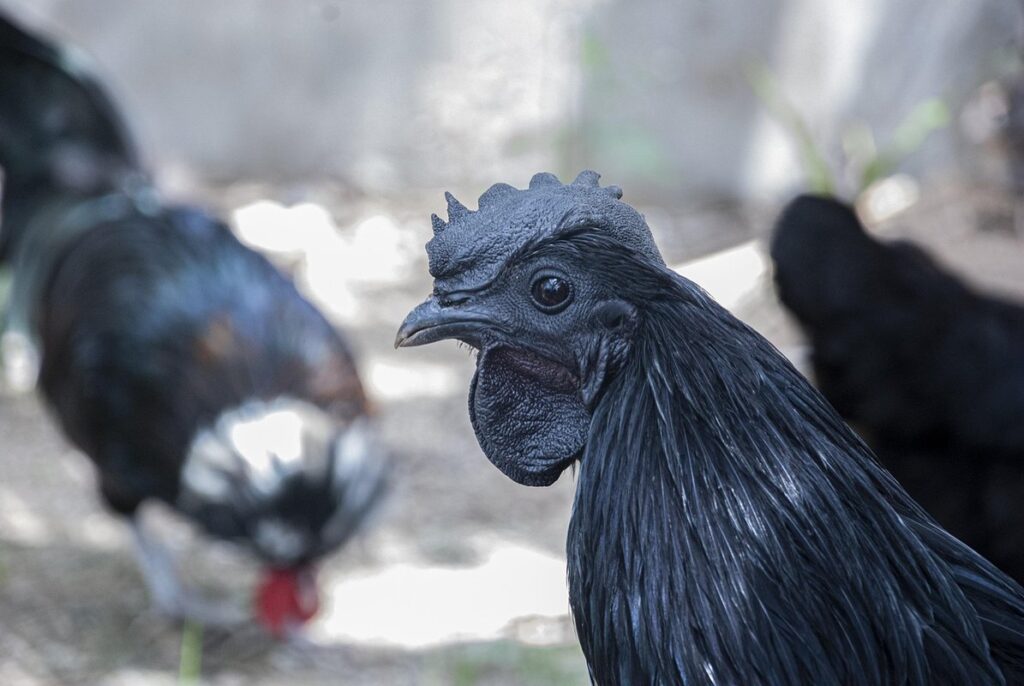
The Ayam Cemani is one of the rarest and most mysterious chicken breeds around. Originating from Indonesia, this breed has been prized for its unique appearance and impressive egg-laying capacity. One of the most striking features of the Ayam Cemani is its solid black plumage – not just on its feathers, but also on its skin, bones, and internal organs. This distinctive trait makes it stand out among other chicken breeds.
In fact, the Ayam Cemani’s unique characteristic is so rare that it has been observed in only a few breeds worldwide. Its egg-laying capacity is another notable feature – Ayam Cemani hens are known to lay an average of 150-200 large brown eggs per year. To give you a better idea of what these birds look like, imagine a sleek black hen with a shiny coat and piercing red eyes.
If you’re considering adding this breed to your flock, be prepared for some challenges. Due to its rarity, finding Ayam Cemani hens can be difficult, and they require specific care and living conditions to thrive. However, for those willing to put in the effort, the rewards are well worth it – including an impressive egg harvest and a truly unique addition to your backyard flock.
When choosing an Ayam Cemani hen, look for birds with good bone structure, shiny feathers, and bright red eyes. Also, be sure to research reputable breeders who specialize in this rare breed. With proper care and attention, these birds will not only provide you with an abundance of fresh eggs but also become a cherished member of your flock.
The Ayam Cemani’s unique characteristics make it an ideal choice for backyard chicken keepers looking to add some excitement and diversity to their flock. If you’re new to chicken keeping, it may be worth starting with more common breeds before moving on to the Ayam Cemani.
2. Brahma Hens: Gentle Giants from Asia
Brahma hens are one of the most recognizable breeds due to their impressive size and gentle nature. Originating from Asia, this breed has been around for centuries and is often referred to as “gentle giants.” One of the defining features of Brahmas is their massive build, with some birds reaching weights of up to 14 pounds. Their feathers are also quite distinctive, with a soft, fluffy texture that adds to their gentle appearance.
When it comes to choosing Brahmas, be prepared for their large appetite – these girls can eat a lot! But don’t worry, they’re worth it. With proper care and attention, Brahmas make excellent additions to any backyard flock. They’re known for being docile and friendly, making them a great choice for families with children or for those who want a low-maintenance bird.
In terms of egg production, Brahmas are average layers, producing around 200 large brown eggs per year. However, their impressive size and gentle nature make them a popular choice among backyard chicken keepers. With their striking appearance and friendly demeanor, it’s no wonder why Brahmas have become a favorite among many chicken enthusiasts.
If you’re considering adding Brahmas to your flock, be sure to provide plenty of space for them to roam and exercise. A large coop with plenty of ventilation is essential, as these birds can get quite hot in the summer months. With proper care and attention, Brahmas will reward you with years of companionship and delicious fresh eggs.
Breeds for Small Spaces or Beginners
If you’re new to raising chickens or have limited space, don’t worry – we’ve got some fantastic breeds that are perfect for small gardens and easy to care for. Let’s take a look at these wonderful hens!
1. Bantam Hens: Tiny but Mighty
Bantam hens are a delight for small-space farmers and backyard enthusiasts. These tiny birds pack a punch when it comes to egg-laying capacity and friendly disposition. Reaching heights of around 10-12 inches, bantams are the perfect choice for those with limited space or who want a low-maintenance flock.
One of the standout features of bantam hens is their compact build. Their small size means they require less feed and produce fewer droppings, making them an ideal choice for urban farmers. With over 30 recognized breeds, there’s a bantam to suit every taste and style. Some popular varieties include the Silkie Bantam, known for its fluffy feathers and gentle nature, and the Japanese Bantam, prized for its bold egg-laying abilities.
When it comes to caring for bantams, their low-maintenance requirements are a bonus. They’re easy-going and don’t require extensive space or specialized equipment. With proper care and attention, these tiny hens can thrive in small backyards or even indoor coops. Whether you’re a seasoned farmer or a beginner looking to start small, bantam hens are an excellent choice for anyone looking for a hassle-free flock experience.
2. Silkie Bantam Hens: Miniature Fluffballs
Silkie Bantam hens are a delightful breed perfect for small spaces or beginners. Their miniature size, gentle demeanor, and fluffy feathers make them an instant favorite among backyard chicken enthusiasts.
One of the most distinctive features of Silkie Bantams is their soft, fluffy plumage. Unlike other breeds that have smooth feathers, Silkies have a unique, puffed-out appearance due to their loose, curved feathers. This feature not only makes them adorable but also helps regulate their body temperature in cold weather.
Their gentle nature makes them an ideal choice for families with children or for those who want a low-maintenance pet. Silkie Bantams are generally friendly and docile, although some may be more timid than others. With proper socialization, they can adapt well to small spaces and become loving companions.
[Insert picture of Silkie Bantam hen]
If you’re looking for a breed that’s both cute and low-maintenance, the Silkie Bantam is an excellent choice. Just remember to provide them with adequate space to move around and enough care to maintain their beautiful plumage.
Conclusion
Now that you’ve explored the wonderful world of hens, it’s time to wrap up your journey and summarize what we’ve learned together so far.
Recap of Different Breeds
In our journey through the diverse world of hen breeds, we’ve explored over 15 unique characteristics and traits that set each breed apart. From the laid-back Orpingtons to the high-strung Leghorns, it’s clear that no two breeds are alike.
We learned about the gentle giants like Brahma hens, who lay large eggs but require plenty of space to roam. On the other hand, we discovered breeds like the tiny but mighty Polish hen, which thrive in smaller spaces but may not be as prolific egg layers. The Buff Orpingtons won our hearts with their friendly and docile nature, while the Rhode Island Reds impressed us with their high egg production.
When choosing a breed for your backyard flock, remember that each one has its strengths and weaknesses. Consider factors like egg-laying capacity, temperament, and space requirements to ensure you select a breed that fits your needs and lifestyle. By doing so, you’ll be well on your way to creating a harmonious and thriving flock.
Final Tips for Raising Healthy Hens
As you’ve learned about various breeds of hens through pictures and characteristics, it’s essential to remember that their unique traits are only a part of the equation when it comes to raising healthy hens. Proper care is crucial for their overall well-being and your enjoyment of keeping them.
Proper nutrition is vital; ensure they have access to fresh water and high-quality feed tailored to their specific needs, as different breeds require varying levels of nutrients. Regular health checks are also necessary to monitor for signs of illness or stress. Consult with a veterinarian if you notice any unusual behaviors or symptoms.
Maintaining a clean coop is another critical aspect of hens’ health. Remove soiled bedding regularly and ensure good airflow to prevent ammonia buildup, which can cause respiratory issues. Research specific breed requirements and consult with experienced keepers for personalized guidance on creating an optimal environment for your birds.
By providing the best possible care, you’ll not only promote their health but also foster a strong bond between you and your feathered friends. Happy keeping!
Frequently Asked Questions
What are the essential factors to consider when selecting a breed for my small backyard flock?
When choosing a breed, consider factors like egg-laying capacity, noise level, climate adaptability, and space requirements. For example, if you have limited space, breeds like Bantams or Silkie Bantam Hens might be suitable due to their compact size.
Can I mix different breeds in my backyard flock for better productivity?
Yes, mixing breeds can lead to a more robust and resilient flock. However, it’s essential to introduce new birds gradually to prevent stress on the existing flock. Ensure that you provide enough space, food, and resources to accommodate all birds.
How do I determine if a breed is suitable for my local climate and environment?
Research each breed’s specific requirements and adaptability to your region’s temperature, humidity, and weather patterns. Some breeds, like Leghorns or Brahma Hens, are more tolerant of heat or cold than others.
Can heritage breeds be just as productive as modern commercial varieties?
Yes, many heritage breeds are still capable of producing a significant number of eggs per year. While they may not reach the same levels as some commercial breeds, their unique characteristics and personalities make them valuable additions to your flock.
How often should I rotate my hens’ food and supplement their diet with fresh fruits and vegetables?
It’s recommended to provide a balanced layer feed as the main staple of your hens’ diet. However, offering occasional treats like fresh fruits and veggies can be beneficial for their health and well-being. Just ensure that any new foods are introduced gradually to prevent digestive upset.