
If you’re new to backyard chicken keeping or looking for a fresh addition to your flock, you may have come across the term “bantam” but not quite know what it means. Bantam chickens are some of the world’s smallest breeds, boasting compact sizes and playful personalities. As a beginner or experienced poultry enthusiast, understanding the unique characteristics, needs, and care requirements of bantam breeds is essential for creating a harmonious and thriving flock.
In this ultimate guide to bantam chickens, we’ll delve into the fascinating world of these pint-sized birds, covering everything from their origins and temperaments to tips on caring for them. Whether you’re looking to start small or add some excitement to your existing chicken family, our comprehensive resource will equip you with the knowledge necessary to successfully keep and enjoy these charming birds.
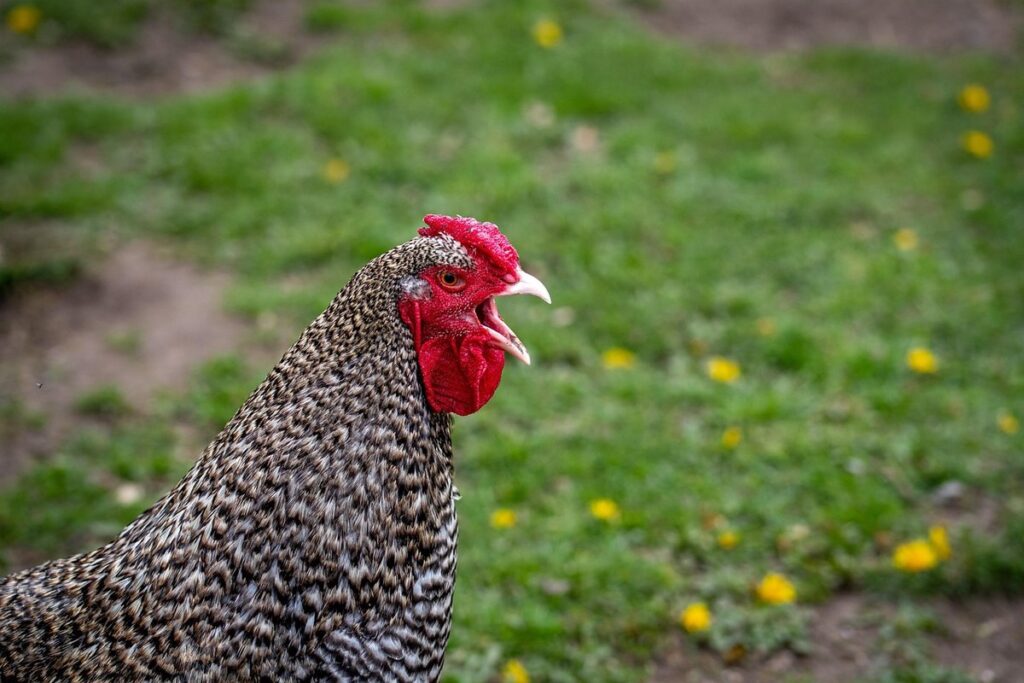
Understanding Bantam Chickens
When it comes to understanding bantam chickens, you need to know their unique characteristics and traits that set them apart from larger breeds, such as their egg-laying abilities.
What Are Bantam Chickens?
Bantam chickens have been around for centuries, with their origins dating back to Asia and Europe. These tiny birds are believed to have descended from smaller versions of larger chicken breeds, bred down in size over time through selective breeding. The term “bantam” itself refers to the Indonesian port city of Banten, where these small chickens were first exported to other parts of the world.
One of the most distinctive characteristics of bantams is their diminutive size. While regular chicken breeds can weigh up to 10 pounds or more, bantams typically top out at around 2-3 pounds. Despite their small stature, however, bantam chickens are known for their bold and feisty personalities, making them a delight to have in the backyard. Bantams also tend to be more friendly and social than larger breeds, often forming close bonds with their human caregivers.
In terms of purpose, bantams can serve several roles on a small farm or homestead. They’re well-suited for providing eggs, as they’re prolific layers despite their size. Some bantam breeds are also used for meat production, while others are prized for their stunning plumage and ornamental value.
Size Variations Among Bantams
Bantams come in a variety of sizes, which can be categorized into three main weight ranges: light, medium, and heavy. Light bantams typically weigh between 16-24 ounces (0.5-1 kg), while medium bantams weigh between 1-2 pounds (0.5-1 kg). Heavy bantams, on the other hand, can reach up to 3 pounds (1.4 kg) or more.
Some popular light bantam breeds include the Silkie Bantam and the Polish Bantam, which typically weigh around 16-20 ounces (0.5-0.6 kg). Medium-sized bantams like the Belgian Bearded d’Anvers and the Japanese Bantam usually weigh between 1-2 pounds (0.5-1 kg).
It’s worth noting that growth rates can vary significantly among breeds, with some growing faster than others. For example, the Silkie Bantam takes around 18 weeks to reach maturity, while the Belgian Bearded d’Anvers reaches full size in about 20 weeks.
In terms of feather type, bantams come in a range of plumage styles, including clean-legs, clean-pheasants, and frizzles. The Silkie Bantam, for instance, has soft, fluffy feathers that require regular grooming to prevent matting.
Popular Bantam Chicken Breeds
Let’s explore some of the most beloved and sought-after bantam chicken breeds, each with its unique charm and characteristics to captivate backyard keepers. From Legbars to Campines, we’re diving into the most popular varieties.
1. Silkie Bantams
Silkie Bantams are a beloved breed among chicken enthusiasts due to their unique characteristics and gentle nature. One of the most distinctive features of Silkie Bantams is their soft, fluffy feathers that resemble those of a lamb. These birds have a low-maintenance care requirement, making them an excellent choice for backyard farmers or those new to raising chickens.
In terms of egg-laying capacity, Silkie Bantams are surprisingly prolific, producing around 100-120 eggs per year. Their high fertility rate is another advantage, with most breeders reporting successful hatch rates when breeding Silkies. This makes them a popular choice among chicken enthusiasts looking to start or expand their flock.
When it comes to caring for your Silkie Bantams, be sure to provide a warm and comfortable environment, as they prefer temperatures between 65-75°F (18-24°C). With proper care and attention, Silkie Bantams can thrive in small spaces, making them an ideal choice for urban or suburban backyard farms.
2. Polish Bantams
Polish bantams are one of the most recognizable and charming breeds among enthusiasts. Their striking appearance is undeniable – these miniature birds boast a compact, rounded body, weighing between 1 to 2 pounds. Their plumage is a sight to behold, with intricate patterns and colors that add to their allure. You can expect to see variations such as white, black, buff, and blue in different combinations.
But what really sets polish bantams apart is their friendly demeanor. They are known for being approachable, curious, and social birds, making them a great addition to any backyard flock. Be prepared for their playful antics and affectionate nature – they’ll happily follow you around the yard or even snuggle up next to you on a sunny afternoon.
As for noise levels, polish bantams are relatively quiet compared to other breeds. You can expect occasional clucks and chirps but nothing too loud or disturbing. In terms of energy, polish bantams have moderate needs – they require regular exercise but won’t exhaust themselves quickly. And when it comes to egg production, you can expect an average yield of about 180 eggs per year, making them a great choice for small-scale backyard chicken keepers.
3. Campine Bantams
When it comes to popular Bantam chicken breeds, one standout variety is the Campine Bantam. One of their most distinctive features is their plumage, which boasts a striking mix of white and black feathers. This unique coloration not only makes them visually appealing but also helps them blend in with their surroundings.
Campine Bantams are renowned for their impressive foraging skills. They have an innate ability to sniff out insects, seeds, and other treats, making them a joy to raise and manage. With their keen sense of smell and agility, they can efficiently scour even the most challenging terrain, providing hours of entertainment for backyard chicken enthusiasts.
In terms of fertility, Campine Bantams boast an exceptionally high rate, making them an ideal choice for breeders. Additionally, their robust build grants them good disease resistance, allowing them to thrive in a variety of environments.
Caring for Your Bantam Chickens
Now that you’ve chosen your perfect bantam breed, it’s time to learn how to give them the care and attention they need to thrive. This section covers essential tips for keeping your miniature chickens happy and healthy.
Housing Requirements
When it comes to housing your bantam chickens, it’s essential to provide them with a safe and comfortable environment that meets their unique needs. Bantams are smaller than standard chickens, but they require more space per bird due to their high metabolism and energetic nature.
A good rule of thumb is to allocate at least 2-3 square feet of space inside the coop for each bantam chicken, taking into account the size of the birds and the amount of room needed for them to move around comfortably. This can be achieved by building a larger coop or by using vertical space wisely with tiered perches and nesting boxes.
Proper ventilation is also crucial in preventing respiratory issues and heat stress. Ensure that your coop has adequate airflow, either through windows, vents, or automatic ventilation systems. Predator protection is another vital consideration – bantams are natural targets for predators due to their small size, so use hardware cloth or chicken wire with openings of no more than 1 inch to prevent escape attempts.
Regularly inspect the coop and run to ensure that they remain secure and free from damage. Keep in mind that bantam chickens are intelligent and curious creatures, so make sure to provide them with toys and scratching posts to keep them entertained and stimulated.
Nutrition and Health Considerations
When it comes to caring for your bantam chickens, nutrition plays a crucial role in their overall health and well-being. These tiny birds have specific dietary requirements that need to be met to prevent common health issues.
A balanced diet for bantams should consist of high-quality layer feed or a mix of grains, proteins, and vegetables. Ensure the feed is formulated specifically for small breeds, as it will contain the necessary micronutrients and vitamins. You can also supplement with calcium and oyster shells to support strong eggshell production.
Common health issues in bantams include respiratory problems, parasites, and feather pecking. To prevent these issues, maintain a clean coop, ensure good ventilation, and provide a balanced diet. Regular check-ups with a veterinarian will help identify any potential health problems early on. Treatments for common diseases like coccidiosis can be easily administered, but prevention is always the best course of action.
By prioritizing proper nutrition and regular veterinary care, you can keep your bantam flock happy and healthy.
Advantages of Keeping Bantam Chickens
Bantam chickens bring numerous benefits to backyard flocks, including entertainment, egg production, and pest control, making them a popular choice for many chicken keepers. Let’s explore these advantages in more detail.
Space-Saving Benefits
If you’re looking to keep chickens in small backyards or urban areas, bantam breeds are an ideal choice. These miniature birds require minimal space, making them perfect for tiny plots of land or even rooftop gardens.
One of the primary benefits of keeping bantams is their compact size. On average, these small birds reach a height of about 10-12 inches and weigh between 1-3 pounds. This means they can thrive in spaces as small as 2×4 feet, ideal for city dwellers or those with limited backyard space.
Consider the following examples: A bantam Silkie can be kept on a balcony or patio, while a Bantam Brahma requires only a small section of your garden. To maximize their space efficiency, ensure you provide adequate shelter, food, and water sources within close proximity to their coop. This will allow them to easily access resources without wasting time commuting.
In addition to requiring less room, bantams are also relatively low-maintenance pets that can be easily integrated into small-scale chicken-keeping operations. They lay smaller eggs but make up for it with their robust personalities and entertaining antics.
Low Maintenance and Noise Levels
One of the most appealing aspects of keeping bantam chickens is their relatively low maintenance and noise levels. This makes them an excellent choice for beginners who want to dip their toes into chicken-keeping without being overwhelmed by complex care requirements or excessive noise.
In terms of maintenance, bantams are incredibly self-sufficient. They are easy to feed, requiring only a small amount of food per day, and they are also relatively low on water consumption. This is especially beneficial for those living in areas with water restrictions or who want to minimize their environmental impact. Additionally, bantams are clean birds that don’t create much mess, making them perfect for urban settings.
When it comes to noise levels, bantams are surprisingly quiet compared to larger chicken breeds. They will still make some chirping and clucking sounds, but these are typically soft and not disturbing to neighbors or family members. This is a significant advantage for those living in residential areas with noise restrictions or who prefer a peaceful home environment.
Overall, the low maintenance and noise levels of bantam chickens make them an ideal choice for anyone looking to keep chickens without the hassle and disturbance associated with larger breeds.
Conclusion and Next Steps
In conclusion, our journey through the world of bantam chicken breeds has come to an end. We’ve explored the fascinating characteristics, temperaments, and uses of these miniature marvels. Whether you’re a seasoned poultry enthusiast or just starting out, we hope this guide has provided valuable insights and inspiration for your backyard flock. As you consider adding one (or more) bantam breeds to your collection, remember to research their specific needs, including space, diet, and social requirements.
Now that you’ve learned about the incredible diversity of bantams, it’s time to take action! Start by assessing your living situation, climate, and available resources. Determine which breeds are best suited for your lifestyle and goals. With careful planning and preparation, you’ll be well on your way to enjoying the unique charm and companionship that bantam chickens have to offer.
Frequently Asked Questions
Can I keep bantam chickens with larger breeds, or do they require separate housing?
Bantam chickens can be kept with larger breeds, but it’s essential to consider their unique needs and personalities when integrating them into your flock. Make sure to provide a safe and peaceful environment for all birds by separating them if necessary and ensuring each breed has its own designated space.
How often do bantam chickens need social interaction?
Bantam chickens require regular social interaction, just like larger breeds, but in smaller doses due to their compact size. Spend at least 30 minutes daily with your bantams, engaging them with toys, treats, and playtime outside of their coop or enclosure.
Can I show my bantam chickens if they’re not purebred?
While many bantam breeds have impressive characteristics that make them show-stoppers, registration requirements for shows typically demand strict adherence to breed standards. However, you can still participate in local poultry exhibitions or join a club where your birds can compete against others of similar heritage.
What are some common health issues affecting bantams?
As with any chicken breed, bantam chickens may be prone to certain health issues, such as respiratory problems, mites, and lice. Regularly check their living environment, keep them clean, provide nutritious food, and ensure proper ventilation in your coop or enclosure to minimize these risks.
How long do bantams typically live compared to larger breeds?
Bantam chickens generally have a slightly shorter lifespan than their full-sized counterparts due to selective breeding for compact size. However, with proper care and nutrition, many bantam breeds can still live up to 8-10 years or more in optimal conditions, making them wonderful long-term companions for poultry enthusiasts.