
If you’re thinking of adding some feathered friends to your backyard, choosing the right breed of duckling can be an overwhelming task. With so many types of ducklings available, each with its unique characteristics and needs, it’s essential to do your research before making a decision. Whether you’re looking for a friendly companion or a high-protein egg producer, understanding the temperament, behavior, physical characteristics, and health considerations of different duckling breeds is crucial. In this article, we’ll delve into various duckling types, exploring their specific needs and traits. We’ll also provide expert advice on how to choose the right breed for your lifestyle, helping you make an informed decision that meets your needs and ensures a happy, healthy flock.
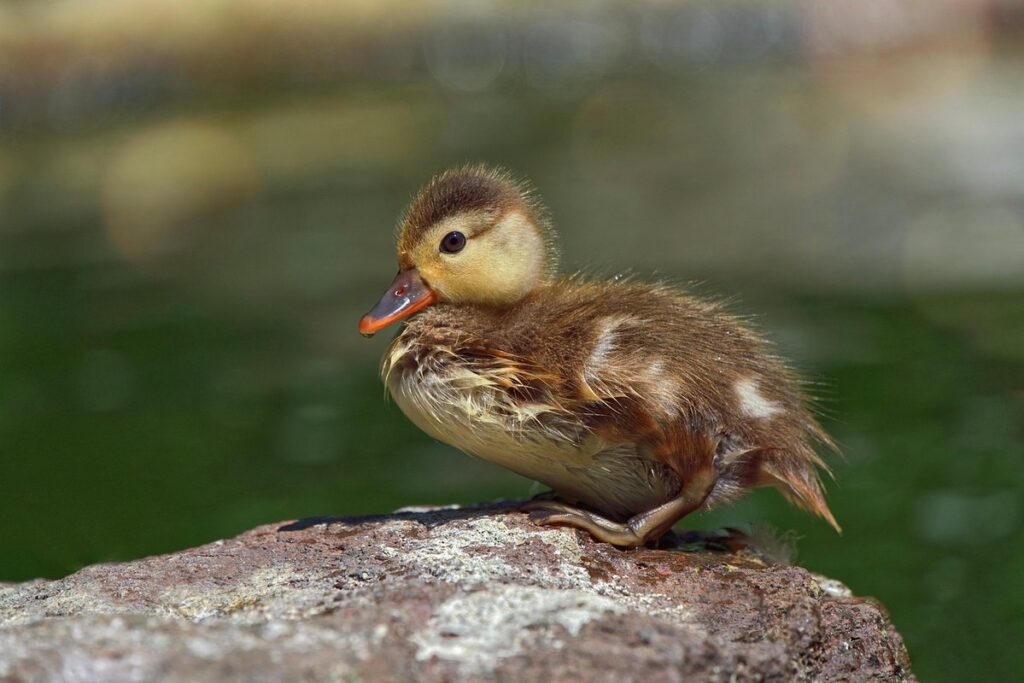
Introduction to Duckling Types
Let’s start by exploring the fascinating world of duckling types, where you’ll discover the unique characteristics and breeds that make each one special.
Overview of Domestic and Wild Ducks
Domestic ducks have become increasingly popular as pets due to their gentle nature and low-maintenance care. With over 100 recognized breeds worldwide, there’s a wide variety of domestic duck types to choose from. Some popular breeds include the Pekin, Khaki Campbell, and Muscovy, each with its unique characteristics and egg-laying abilities.
In contrast, wild ducks are found in various parts of the world and are known for their remarkable adaptability and resilience. However, they make poor pets due to their unpredictable behavior and specialized care requirements. Wild ducks are often protected by laws and regulations, and removing them from their natural habitats can be detrimental to both the birds and the ecosystem.
It’s essential to research and understand the specific needs of domestic or wild ducks before deciding on a pet. Domestic ducks require regular feeding, exercise, and social interaction, while wild ducks need a vast amount of space and a diet rich in aquatic plants. By understanding these differences, you can make an informed decision when choosing the right duckling type for your family.
Classification of Ducklings by Breed Group
When it comes to duckling types, understanding their breed group classification is essential for breeders and enthusiasts alike. There are several main breed groups, each with its unique characteristics and features.
The Khaki Campbell breed group is one of the most popular among duck farmers due to their high egg production and friendly temperament. These ducks are known for their brown feathers and green or yellow beak, making them easily recognizable. Their distinctive feature is their ability to lay eggs consistently throughout the year, making them a favorite among backyard farmers.
The Muscovy breed group, on the other hand, is native to South America and is recognized by its red or black plumage. They have a distinctive red or yellow beak and are known for being quiet and less aggressive compared to other breeds. Their unique feature is their ability to thrive in warmer climates with minimal care.
The Pekin breed group is another popular choice among duck farmers, known for their white feathers and high egg production. They are easy to care for and can adapt well to different living conditions. However, they do require regular grooming to prevent feather molting.
Understanding the distinct features of each breed group will help you make informed decisions when choosing the right ducklings for your needs.
Temperament and Behavior of Different Types of Ducklings
When it comes to raising ducklings, understanding their unique temperaments is key. Let’s dive into the distinct personalities and behaviors of various breeds.
Friendly and Docile Breeds
If you’re new to duck keeping, it’s essential to choose breeds that fit your lifestyle and experience level. Within the realm of friendly and docile breeds, two popular options stand out: the Welsh Harlequin and Silver Appleyard.
These breeds are renowned for their affectionate nature, making them perfect for families with children or first-time duck keepers. They thrive on human interaction and will often follow you around the yard in search of attention. The Welsh Harlequin, in particular, is known to be quite playful and enjoys a good game of fetch.
In terms of adaptability, these breeds are relatively easy-going. They tolerate handling well and can even become quite demanding if they don’t receive regular interaction. To encourage this friendly behavior, make sure to spend quality time with your ducklings from an early age, getting them accustomed to being handled and socialized. This will not only strengthen the bond between you and your feathered friends but also ensure they remain calm and docile as they grow.
When introducing these breeds to your flock, consider starting with a single pair or individual bird to prevent any potential conflicts. With proper care and attention, these gentle ducks will bring immense joy to your life.
Active and Noisy Breeds
Ducklings known as Active and Noisy Breeds are a delight to have around, but they can also be quite challenging. Take the Rouen duckling for instance, with its striking grey and white feathers, this breed is renowned for its boisterous quacking that’s sure to grab your attention. Similarly, the Golden 300 has earned itself a spot as one of the loudest breeds out there, and if you’re not prepared for their high energy levels, it can be overwhelming.
To manage these characteristics effectively, it’s essential to understand that Active and Noisy Breeds require plenty of exercise and mental stimulation. A daily routine that includes plenty of space for running around, swimming, and playtime will help burn off some of this excess energy. You’ll also need to engage your duckling in activities that challenge its mind such as problem-solving toys or even just hiding treats around the enclosure.
By investing time and effort into creating a suitable environment and engaging with your Active and Noisy Breed duckling regularly, you can minimize the noise level while still enjoying their lively company.
Physical Characteristics of Various Duckling Types
Ducklings come in a wide range of shapes and sizes, each with unique physical characteristics that set them apart from one another. Let’s explore some of these distinctive features together!
Size and Weight Variations
When it comes to size and weight variations among duckling breeds, it’s essential to understand that not all ducks are created equal. Some breeds, like the Call Duck, are tiny, weighing around 1-2 pounds at maturity, while others, such as the Toulouse, can grow quite large, reaching weights of up to 10 pounds or more.
To give you a better idea, here’s a rough breakdown of size and weight variations among popular duckling breeds:
* Small breeds: Call Duck (1-2 lbs), Silver Appleyard (4-5 lbs)
* Medium breeds: Khaki Campbell (6-8 lbs), Indian Runner (7-9 lbs)
* Large breeds: Toulouse (10-12 lbs), Muscovy (15-18 lbs)
When choosing a duckling breed, consider your available space and resources. If you have limited room for raising ducks or are new to duck keeping, a smaller breed might be more suitable. Conversely, if you have plenty of land and resources, larger breeds can thrive.
Keep in mind that growth rates also vary between breeds. Research the specific breed you’re interested in to understand its expected size and weight range at maturity.
Color Morphs and Markings
When it comes to duckling diversity, color morphs and markings play a significant role in distinguishing between various breeds. One of the most striking aspects is the variety of feather patterns found across different ducklings. For instance, some breeds showcase iridescent sheens on their feathers, which can appear as shimmering blues or greens under certain lighting conditions.
Another fascinating aspect is eye color, which can range from bright, inquisitive eyes to a deeper, more muted hue. Some breeds, such as the Khaki Campbell, are known for their large, expressive brown eyes, while others may have a piercing yellow or orange gaze.
In terms of practical application, recognizing and understanding these markings can be crucial when selecting ducklings for your flock. For example, if you’re interested in breeding specific colors or patterns, it’s essential to understand the genetics behind these traits. By paying close attention to feather patterns and eye color, you’ll have a better chance of achieving the desired results.
When choosing ducklings, also note that some breeds are more prone to certain color morphs than others. Researching your chosen breed beforehand can help ensure you’re aware of what to expect when it comes to their physical characteristics.
Health Considerations for Different Duckling Types
As you consider bringing home a new duckling, it’s essential to understand the unique health needs of different breeds and varieties. Some ducklings require more attention than others due to specific genetic traits.
Genetic Predispositions to Certain Health Issues
When it comes to choosing the right duckling breed for your backyard flock, understanding their genetic predispositions to certain health issues is crucial. Each breed has its unique characteristics and strengths, but some are more prone to specific health problems due to their genetics.
For instance, Khaki Campbells are one of the most popular dual-purpose breeds, known for their high egg production. However, they’re also susceptible to bumblefoot, a painful foot condition caused by bacteria entering through small cuts or scratches on the feet. This is largely due to their compact, heavy body and dense feathers, which can trap moisture and create an ideal environment for bacterial growth.
Other breeds, such as Muscovy ducks, are naturally more resistant to certain diseases like avian cholera due to their unique genetic makeup. Conversely, some breeds may be prone to respiratory issues or heart problems if not properly cared for.
To mitigate these risks, it’s essential to research the specific health needs of your chosen breed and take proactive steps to prevent common issues. This includes providing a balanced diet, ensuring proper ventilation, and maintaining clean living conditions. By being aware of potential health concerns and taking preventative measures, you can help ensure a happy and healthy flock for years to come.
Nutritional Needs and Dietary Requirements
Duckling nutritional needs can vary greatly depending on their breed and age. For instance, Muscovy ducklings require a diet rich in protein and fat to support their rapid growth rate. In contrast, Khaki Campbell ducklings are more tolerant of minor feed deficiencies due to their slower growth rate.
Some duckling types also have specific dietary requirements. Chinese Pekin ducklings, for example, require an extra source of calcium to prevent leg deformities. To ensure your ducklings receive the necessary nutrients, consider a starter feed formulated specifically for young waterfowl. This type of feed will provide a balanced mix of proteins, vitamins, and minerals.
When choosing a duckling breed, it’s essential to research their specific nutritional needs to avoid common health issues like stunted growth or weakened immune systems. For example, some breeds are prone to obesity if overfed, while others may require more frequent feeding due to their high metabolism rates. By understanding your ducklings’ unique requirements, you can provide them with the best possible start in life and set them up for a healthy, happy future.
Environmental and Housing Considerations for Ducklings
When it comes to raising ducklings, providing a suitable environment is just as crucial as choosing the right breed. We’ll explore how to create the perfect habitat for your feathered friends.
Space and Exercise Requirements
When it comes to raising ducklings, providing sufficient space and exercise is crucial for their overall health and well-being. A well-designed enclosure can make a huge difference in keeping your feathered friends happy and healthy.
To give your ducklings the freedom to roam and exercise, consider setting up a secure outdoor area with adequate fencing. The recommended size of the enclosure varies depending on the breed and number of ducklings you have, but as a general rule of thumb, aim for at least 2-4 square feet per bird indoors or outdoors.
A good way to design your enclosure is to include a mix of open spaces and covered areas to protect them from harsh weather conditions. You can also add some toys and enrichment items like logs, rocks, and plants to keep the ducklings stimulated and engaged. For example, you can place a shallow pool in one corner for them to swim in, or create a “climbing wall” using branches and ropes.
By following these guidelines and providing regular access to outdoor space, your ducklings will be able to exercise freely and live their best lives.
Climate and Temperature Tolerance
When choosing a duckling breed, it’s essential to consider their climate and temperature tolerance. This is crucial for ensuring their health and well-being, especially if you live in an area with extreme weather conditions.
Some breeds, like the Muscovy duck, are native to tropical regions and thrive in warm temperatures between 70°F to 90°F (21°C to 32°C). They can tolerate high humidity levels but may struggle in freezing temperatures. In contrast, breeds like the Call Duck, originated from Europe, prefer cooler climates with moderate temperatures ranging from 40°F to 60°F (4°C to 15°C).
When housing your ducklings, it’s crucial to provide a suitable environment that simulates their natural habitat. If you live in an area with extreme temperatures, consider providing a climate-controlled shelter or using insulation to regulate the temperature inside the coop.
For example, if you live in a hot climate, ensure your duckling’s water source is always available and accessible, as they may be more prone to dehydration in high temperatures. Conversely, if you live in an area with freezing winters, provide adequate bedding material like straw or hay to keep them warm and dry.
Conclusion and Next Steps for Choosing the Right Duckling Breed
Now that you’ve learned about the various duckling breeds, it’s time to summarize your findings and consider next steps in choosing the perfect breed for you.
Recap of Key Points
When selecting the perfect duckling breed for your backyard flock, it’s essential to consider several key factors. We’ve highlighted these crucial points throughout this comprehensive guide.
To recap, you should think about the climate and region you live in, as some breeds thrive better in warmer or cooler temperatures. Temperamental considerations are also important, ensuring that the breed you choose is a good fit for your family’s lifestyle. Space and housing requirements must be taken into account, particularly if you have limited space.
Some breeds excel at egg production, while others are bred specifically for meat or companionship. You should also research any necessary permits or regulations in your area before bringing home new feathered friends. Lastly, remember to consider the initial investment, ongoing costs, and potential health issues associated with each breed.
Ultimately, choosing the right duckling breed requires a thoughtful approach that balances your needs with their unique characteristics. By considering these key factors, you’ll be well on your way to creating a harmonious and thriving flock.
Recommendations for Further Research and Consultation with Experts
If you’re considering bringing home a new duckling, it’s essential to do further research and consult with experts before making a decision. Each breed has its unique characteristics, needs, and temperaments, so it’s crucial to choose the right one for your lifestyle.
When selecting a duckling breed, consider factors such as climate, space, and noise level. For example, if you live in an urban area or have limited space, a quiet and compact breed like the Wood Duck may be more suitable. On the other hand, if you have a large farm or rural property, a more energetic and loud breed like the Muscovy might thrive.
Consulting with experienced duck breeders, veterinarians, or local farming experts can provide valuable insights into specific breeds’ needs and requirements. They can offer advice on everything from nutrition and health to behavior and management.
Additionally, join online forums or social media groups dedicated to duck keeping for real-life experiences and recommendations from other enthusiasts. This way, you’ll be well-equipped to make an informed decision and create a happy home for your new feathered friend.
Frequently Asked Questions
Can I keep ducklings indoors or do they require outdoor space?
Yes, ducklings can thrive in both indoor and outdoor settings, depending on your lifestyle and the breed you choose. For young ducklings, it’s best to provide a safe, enclosed area with adequate ventilation and temperature control. As they grow, you’ll need to transition them to an outdoor enclosure that provides sufficient space for exercise and foraging.
How do I determine the ideal climate for my backyard duckling flock?
Consider your local climate and temperature tolerance when choosing a duck breed. Some breeds are more suitable for hot or cold climates, while others prefer milder temperatures. Research the specific needs of your chosen breed to ensure you can provide an optimal environment for their health and well-being.
Can I raise multiple duck breeds together in the same flock?
While it’s possible to mix different breeds, introducing new birds can be challenging, especially if they’re not familiar with each other. Ensure compatibility by researching the temperament and social needs of your chosen breeds before integrating them into a single flock. Monitor their behavior closely to prevent conflicts.
How often should I collect eggs from my duckling flock?
Collecting eggs regularly will encourage your ducks to continue laying. For most breeds, it’s recommended to collect eggs every 1-2 days to maintain production and prevent over-accumulation in the nesting box. Cleanliness is also essential; wash the coop and nest boxes frequently to keep your flock healthy.
What are some common health issues to watch out for in ducklings?
Be on the lookout for signs of respiratory problems, such as wheezing or coughing, which can be caused by poor ventilation or bacterial infections. Keep an eye out for visible injuries, parasites, or unusual behavior, and consult a veterinarian experienced in poultry care if you suspect any health issues.