
Are you familiar with Korean dogwood fruit? Also known as Cornus kousa, this lesser-known fruit has been a staple in traditional Korean cuisine for centuries. Not only is it rich in antioxidants and nutrients, but it also boasts a unique combination of culinary and cultural significance. In this article, we’ll delve into the world of Korean dogwood fruit, exploring its impressive nutritional profile, time-honored uses in traditional medicine and cooking, and even its symbolic meaning within Korean culture. We’ll also touch on its environmental impact and potential applications for modern health enthusiasts. Whether you’re a foodie interested in trying new flavors or simply looking to learn more about this intriguing fruit, this comprehensive guide will walk you through the fascinating world of Korean dogwood fruit.
What is Korean Dogwood Fruit?
You might be wondering what exactly Korean dogwood fruit looks and tastes like, so let’s dive into its unique characteristics. We’ll explore its appearance, flavor profile, and more in this section.
Brief Introduction to Korean Dogwood
Korean dogwood is a fascinating plant species native to Korea, and its fruit has been a staple in Korean cuisine for centuries. As an essential part of the country’s culinary heritage, it’s worth getting to know this remarkable plant.
The botanical name for Korean dogwood is Cornus kousa, which belongs to the Cornaceae family. Native to Korea, this deciduous shrub or small tree has adapted perfectly to the country’s temperate climate. It thrives in the mountainous regions of Korea, where it grows wild and has been cultivated for its edible fruit.
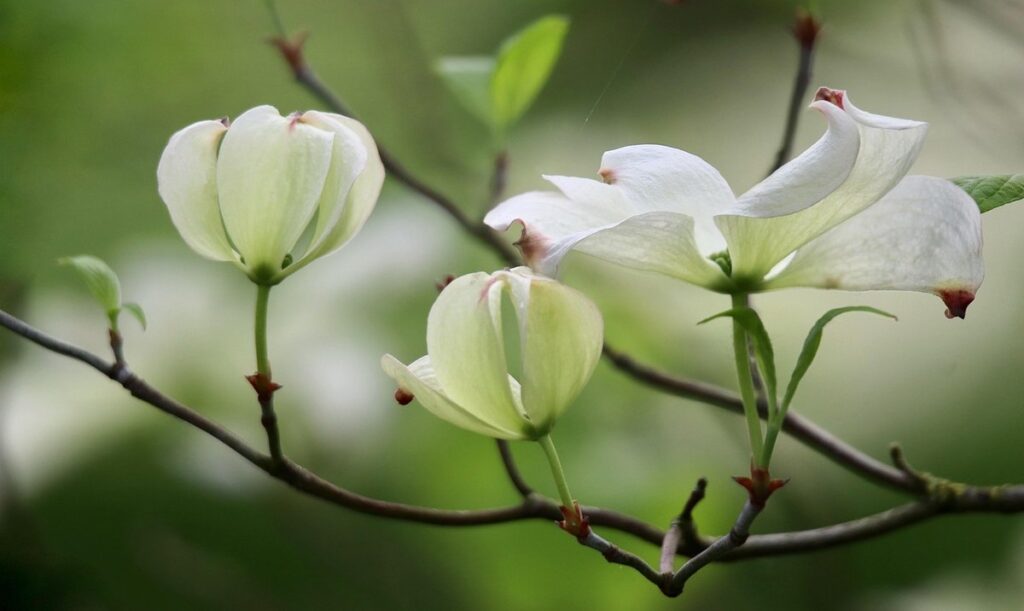
Korean dogwood is an integral part of Korean culture, particularly in the southern provinces where it grows abundantly. The plant’s stunning white flowers bloom in early summer, and later give way to juicy red berries that ripen in autumn. These fruits are rich in antioxidants and have numerous health benefits when consumed fresh or used in traditional remedies.
To try Korean dogwood fruit, look for local markets or specialty stores that sell it during the harvesting season (usually from September to November). When selecting the fruit, choose those with a deep red color and firm texture – they’re ripe and ready to eat.
Types of Korean Dogwood Fruits
Korean dogwood is a versatile tree that produces multiple types of fruits, each with its unique characteristics and uses. One of the most common types of Korean dogwood fruit is the Cornus kousa fruit, also known as the Chinese dogwood or Asian dogwood. This fruit has a sweet taste and can be eaten raw or cooked into jams and preserves.
Another type of fruit produced by the Korean dogwood tree is the Cornelian cherry, which has a sweeter and more delicate flavor than the Cornus kousa fruit. The Cornelian cherry fruit is often used in traditional medicine due to its high concentration of antioxidants and vitamins.
In addition to these two types, Korean dogwood also produces small blue or purple berries that are rich in anthocyanins, which have been shown to have anti-inflammatory properties. These berries can be used as a natural food coloring and are also edible when ripe. To identify the different types of Korean dogwood fruit, look for the size, color, and shape of the fruit, as well as the time of year it is harvested.
When consuming any type of Korean dogwood fruit, make sure to only eat fruits that are fully ripe and have been properly identified. This will help ensure your safety while also allowing you to enjoy the unique flavors and benefits of this fascinating fruit.
Nutritional Value and Health Benefits
Rich in vitamins, minerals, and antioxidants, Korean dogwood fruit is not only a delicious addition to your diet but also offers numerous health benefits when consumed properly. Let’s dive into its nutritional value!
Antioxidant Properties and Anti-Inflammatory Effects
Korean dogwood fruit has been found to possess significant antioxidant properties and anti-inflammatory effects, making it an excellent addition to a healthy diet. Research suggests that the fruit’s high content of flavonoids and phenolic acids contributes to its antioxidant activity (1). In fact, a study published in the Journal of Agricultural and Food Chemistry found that Korean dogwood fruit extracts exhibited potent antioxidant capacity, comparable to that of green tea extract (2).
The anti-inflammatory effects of Korean dogwood fruit have also been well-documented. The fruit contains compounds such as quercetin and kaempferol, which have been shown to inhibit the production of pro-inflammatory enzymes and cytokines (3). This may contribute to the fruit’s potential health benefits for conditions such as arthritis and other inflammatory diseases.
To incorporate Korean dogwood fruit into your diet and reap its antioxidant and anti-inflammatory rewards, try making a tea by steeping dried fruit slices in hot water. You can also add the fruit to salads or smoothies for an extra boost of nutrients. Remember to consume the fruit in moderation due to its high sugar content.
Rich in Vitamins, Minerals, and Fiber
Korean dogwood fruit is a nutritional powerhouse that deserves attention for its rich content of vitamins, minerals, and dietary fiber. One of the most significant advantages of incorporating Korean dogwood into your diet is its high vitamin C content. A single serving can provide up to 100% of the recommended daily intake, making it an excellent immune-boosting agent. Moreover, the fruit is also a good source of potassium, vitamin K, and folate, essential for heart health and red blood cell production.
In terms of minerals, Korean dogwood fruit is an excellent source of manganese and copper, both of which play critical roles in maintaining bone health and connective tissue. The high fiber content in Korean dogwood can help regulate bowel movements, prevent constipation, and even support healthy blood sugar levels. When choosing Korean dogwood, look for fruit that’s firm but yields to pressure; avoid overripe or soft ones as they may be less nutritious.
To reap the nutritional benefits of Korean dogwood, consider eating it fresh or using it in smoothies and salads. You can also dry the fruit to make a flavorful tea or powder rich in vitamins and minerals. With its impressive nutrient profile, incorporating Korean dogwood into your diet is an easy way to boost your overall health and well-being.
Traditional Medicine and Cultural Significance
In Korean culture, the fruit of dogwood has long been prized for its medicinal properties and deep symbolic meaning, influencing traditional practices and customs. We’ll explore these rich cultural connections further below.
Historical Use in Traditional Korean Medicine
In traditional Korean medicine, the fruit of the Korean dogwood has been revered for centuries for its incredible healing properties. Known as “Manggo” in Korean, it’s a staple ingredient in many ancient remedies aimed at treating various health conditions.
One of the primary uses of the Korean dogwood fruit was to treat respiratory issues such as bronchitis and coughs. The fruit’s high content of vitamin C, flavonoids, and terpenes made it an effective expectorant, helping to loosen mucus and reduce inflammation in the lungs. In traditional Korean medicine, a decoction of the fruit was often administered to patients suffering from asthma and other breathing disorders.
Korean dogwood fruit was also used to treat digestive issues such as constipation, diarrhea, and stomach ulcers. Its high fiber content helped regulate bowel movements, while its antibacterial properties protected against infections. In addition, the fruit’s astringent properties made it an effective treatment for skin conditions like eczema and acne.
To incorporate Korean dogwood fruit into your own traditional remedies, you can try making a tea by steeping the dried fruit in hot water. You can also add the fresh or dried fruit to soups, stews, or salads for added nutritional benefits.
Symbolism and Cultural Importance
In Korea, the Korean dogwood fruit is steeped in cultural significance and symbolism. During the traditional Jeongwol Daeboreum festival, which marks the beginning of spring, the fruit is often used as a symbol of good luck and prosperity. In fact, many Koreans believe that eating the fruit during this time will bring them an abundance of blessings for the coming year.
In addition to its symbolic meaning, Korean dogwood fruit also plays a significant role in traditional Korean medicine. The fruit’s antiseptic properties are said to aid in digestion and relieve stomach pains, making it a popular remedy among Koreans. In fact, many households in Korea have been using the fruit as a natural cure for various ailments for generations.
To incorporate the cultural significance of Korean dogwood fruit into your own life, try attending a traditional Jeongwol Daeboreum festival or cooking with the fruit at home. You can use it to make a delicious jam or preserve, which can be enjoyed throughout the year. By embracing this fascinating fruit’s cultural importance, you’ll not only experience its unique taste and medicinal properties but also connect with Korea’s rich heritage and traditions.
Culinary Uses and Recipes
Get creative in the kitchen with Korean dogwood fruit! We’ll explore its uses and share some delicious recipe ideas to make the most of this versatile ingredient.
Preparing Korean Dogwood Fruit as a Dessert or Juice
Preparing Korean dogwood fruit as a dessert or juice is a delightful experience that showcases its natural sweetness and versatility. The fruit’s pulp can be used to create various desserts such as jams, preserves, and even ice cream. For instance, mix the pureed fruit with sugar, lemon juice, and pectin to make a homemade jam that’s perfect for topping toast or using as a filling for cakes.
To extract the juice from Korean dogwood fruit, blend the pulp in a juicer or blender with water, then strain it through a cheesecloth or fine-mesh sieve. You can also add honey or sugar to taste and enjoy the refreshing drink on its own or paired with other juices. Another option is to freeze the pureed fruit in ice cube trays and use them as a topping for yogurt or oatmeal.
When preparing Korean dogwood fruit, be sure to wear gloves when handling the fruit, as the sap can cause skin irritation in some individuals. Also, note that the fruit’s flavor profile changes over time, with it being sweeter when ripe and slightly tart when unripe.
Pairing with Other Ingredients for Unique Flavors
When it comes to incorporating Korean dogwood fruit into your culinary creations, one of the most exciting aspects is pairing it with other ingredients to create unique flavors and textures. This versatile fruit can be used in a variety of ways, from sweet treats to savory dishes.
One way to enhance the flavor of Korean dogwood fruit is to pair it with complementary ingredients that balance its sweetness. For example, try combining it with citrus fruits like oranges or lemons for a refreshing twist. You could also pair it with spices like cinnamon or nutmeg to add warmth and depth to your dishes.
Another approach is to use Korean dogwood fruit as a base and then build around it with other flavors. Consider pairing it with nuts like almonds or walnuts for added crunch, or try combining it with herbs like mint or basil for a refreshing contrast. Some popular pairings include:
• Grilled pork or chicken with caramelized Korean dogwood fruit
• Salads featuring roasted beets and pickled Korean dogwood fruit
• Smoothies blending frozen Korean dogwood fruit with coconut milk and spinach
Remember, the key to successful pairing is to experiment and find what works best for your taste buds. Don’t be afraid to try new combinations and adjust seasoning as needed to create a truly unique flavor experience.
Environmental and Sustainable Considerations
As we explore the Korean dogwood, let’s also consider its environmental impact: how to cultivate it sustainably and minimize waste.
Impact of Over-Harvesting on Wild Populations
Korean dogwood is an important part of the ecosystem, and its fruit plays a vital role in supporting wildlife. However, over-harvesting can have severe consequences for wild populations. When it comes to Korean dogwood, sustainable harvesting practices are crucial to ensure the long-term health of these trees.
Over-harvesting can lead to a decline in the overall population size, making the species more vulnerable to disease and pests. This can also disrupt the delicate balance of the ecosystem, affecting not just the dogwood tree but other plants and animals that depend on it. In fact, studies have shown that over-harvesting can result in population declines of up to 50% or more.
To avoid this fate, it’s essential to adopt sustainable harvesting practices. This means only picking what you need, leaving some fruit behind to allow the trees to replenish their stores. It also involves avoiding areas where the dogwood is already scarce or under stress. By being mindful of our impact and taking steps to minimize harm, we can ensure that these incredible trees continue to thrive for generations to come.
Planting and Caring for Korean Dogwood Trees
When planting a Korean dogwood tree, it’s essential to choose a location that receives partial shade to full sun and has well-draining soil. This deciduous tree prefers a slightly acidic pH between 5.5 and 6.5. Dig a hole twice as wide and just as deep as the root ball of your tree, adding organic matter like compost or manure to improve soil fertility.
Water your Korean dogwood tree regularly during its first year after planting, especially if it’s experiencing drought conditions. Mulch around the base of the tree to retain moisture and suppress weeds. Prune your tree annually in late winter or early spring to maintain a balanced shape and encourage fruiting branches.
For optimal fruit production, ensure that your Korean dogwood tree receives adequate nutrients through regular fertilization. You can apply a balanced fertilizer in early spring, following the manufacturer’s instructions. Avoid over-fertilizing, as this can lead to excessive vegetative growth at the expense of fruiting.
Keep an eye out for pests like aphids and spider mites, which can infest your Korean dogwood tree. Regularly inspect your tree during the growing season, using neem oil or insecticidal soap to control any infestations you detect.
Frequently Asked Questions
Can I grow Korean dogwood trees in my backyard, or is it a delicate species?
Korean dogwood trees (Cornus kousa) are relatively easy to care for and can thrive in temperate climates with proper planting and maintenance. They prefer well-draining soil and full sun to partial shade. With the right conditions, you can successfully grow Korean dogwood trees in your backyard.
How do I know if the Korean dogwood fruit is ripe and ready to eat?
The ripe Korean dogwood fruit has a deep red or purple color, depending on the variety, and yields slightly to pressure. When selecting fruits from a market or store, look for those with an even skin tone and slight softening around the stem.
Can I use Korean dogwood fruit in any type of recipe, or are there specific pairing recommendations?
Korean dogwood fruit pairs well with sweet ingredients like honey, sugar, and fruit juices. It’s also commonly paired with savory elements such as soy sauce, ginger, and garlic. Experimenting with different combinations will help you find the perfect balance for your taste preferences.
What should I be aware of when preparing Korean dogwood fruit for consumption?
When using Korean dogwood fruit in cooking or baking, be sure to wash it thoroughly before preparation to remove any potential impurities. The seeds and pulp can be discarded or used separately; consume only the edible parts. Follow proper food safety guidelines when handling and storing the fruit.
Can I cultivate Korean dogwood trees on a large scale for commercial purposes?
While Korean dogwood trees can be cultivated on a larger scale, consider the environmental impact of over-harvesting wild populations. Instead, explore sustainable methods like organic farming or permaculture to ensure the long-term viability of your crop and minimize ecological harm.