
Are you thinking of adding some unique flair to your backyard flock? Look no further than the Marans chicken breed! With their striking dark brown eggs and attractive plumage, it’s no wonder these birds have gained a loyal following among backyard chicken enthusiasts. But what makes them so special, exactly?
In this article, we’ll delve into the history of the Marans breed, exploring its origins and how it has evolved over time. We’ll also cover the key characteristics that make Marans chickens stand out, including their temperament, breeding requirements, and health considerations. Whether you’re a seasoned farmer or just starting out, learning how to raise and care for your Marans birds is crucial for optimal productivity and well-being. By the end of this article, you’ll be equipped with the knowledge to successfully integrate these amazing birds into your flock.
History and Origin
The Marans chicken breed has a rich history that spans centuries, originating from France where they were highly prized for their unique egg-laying abilities. Let’s delve into their fascinating past.
The Origins of Marans Chickens
The Marans chicken breed has its roots in 15th-century France, where they were highly valued for their dark, chocolate-brown eggs and rich, gamey flavor. The exact origin of the breed is unclear, but it’s believed to have descended from Asian birds introduced by French colonizers in Southeast Asia.
Initially, the breed was known as “Poule de Marans,” named after the port city of Marans on the west coast of France. These early birds were prized for their egg-laying abilities and were often crossed with other breeds to improve their productivity. Over time, the Poule de Marans became a distinct breed in its own right.
The breed’s popularity grew steadily throughout the 17th and 18th centuries, particularly among French aristocrats who prized them for their unique characteristics and hunting prowess. The Marans chicken was also used as a dual-purpose bird, providing both eggs and meat for families and estates.
By the late 19th century, the breed had spread to other parts of Europe, where it continued to gain popularity among poultry enthusiasts. Today, the Marans is a beloved breed around the world, cherished for its rich history and distinctive characteristics.
Early Development and Recognition
The Marans breed has an intriguing history that dates back to 17th century France. Early development and recognition of this breed by various poultry associations is a fascinating aspect of its history. In the early days, the breed was valued for its rich, dark eggs and was often used as a means of egg production. However, it wasn’t until the late 19th century that the Marans breed started to gain popularity among European poultry enthusiasts.
The first official recognition of the Marans breed came from the French Poultry Club in 1929. The club established strict breeding standards for the breed, focusing on its distinctive dark plumage and egg-laying abilities. Following this, other poultry associations began to take notice of the breed, with the British Poultry Standards recognizing it in 1931.
It’s interesting to note that the Marans breed was originally developed as a dual-purpose bird, intended for both egg production and meat. However, its rich dark eggs became its most distinguishing feature, making it a sought-after breed among chicken enthusiasts worldwide. If you’re considering bringing a Marans into your flock, look for birds that meet these standards: a slate-black plumage with red sheen, dark eyes, and ears that are black or red-brown in color.
Characteristics and Appearance
One of the most distinctive aspects of Marans chickens is their striking appearance, which sets them apart from other breeds. Let’s take a closer look at their unique characteristics.
Size, Weight, and Plumage
When it comes to Marans chickens, their physical characteristics are quite distinct and easy to recognize. In terms of size, Marans hens typically weigh between 5-7 pounds (2.3-3.2 kg), while roosters can reach up to 8-10 pounds (3.6-4.5 kg). These birds are not the largest breed out there, but their compact size makes them perfect for backyard flocks and small farms.
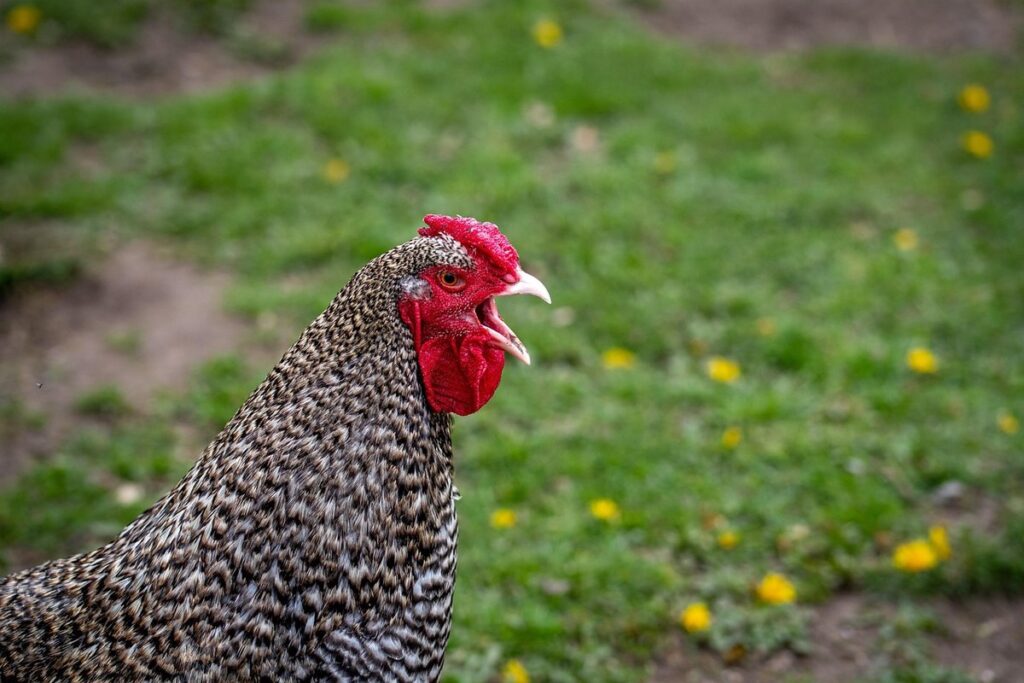
One of the most recognizable features of Marans chickens is their plumage patterns. They have a beautiful, glossy sheen to their feathers, with a range of colors including chocolate, blue, black, and splash. The feathers on their backs are typically darker than those on their bellies, creating a striking contrast that’s sure to turn heads. Some breeders even cultivate different varieties with unique color patterns, making each bird truly one-of-a-kind.
In addition to their size and plumage, Marans chickens also have distinctive earlobes – they’re relatively long and pointed compared to other breeds. This can be a useful identifier for enthusiasts who want to verify the authenticity of their birds.
Eye Color and Comb Type
The Marans chicken breed is known for its striking appearance, and one of its distinctive features is its eye color. Marans chickens have a dark, almost black beady eye that can range from a deep brown to a rich gold, depending on the specific variety within the breed. The unique characteristic of their eyes is often described as being “bead-like” due to their small size and rounded shape.
When it comes to comb type, Marans chickens are known for having a type 5 or “rose” comb, which means that it’s medium-sized with a flat top and rounded edges. This comb type is relatively rare among chicken breeds, making the Marans stand out even more in terms of appearance.
It’s worth noting that while eye color and comb type can be a good indicator of a Marans chicken’s heritage, they’re not always reliable markers. In some cases, chickens may have characteristics that don’t conform to breed standard due to genetic variation or cross-breeding. To ensure the authenticity of your Marans flock, it’s essential to work with reputable breeders and keep detailed records of your birds’ lineage.
In practical terms, the eye color and comb type can help you identify potential breeding stock for your Marans flock. If you’re new to raising Marans chickens, it may take some practice to become familiar with their unique characteristics, but over time, you’ll develop a keen eye for spotting these distinctive features in your birds.
Egg-Laying Habits and Productivity
Marans chickens are known for their impressive egg-laying habits, making them a popular choice among backyard chicken keepers. On average, a healthy Marans hen will produce around 150-200 large to extra-large brown eggs per year. The color of the eggs is one of the most distinctive features of Marans chickens – they have a deep dark chocolate-brown shell with subtle speckles or wisps of golden brown.
If you’re interested in maximizing your Marans’ egg production, there are several factors to consider. First and foremost, ensure that your flock has access to a balanced diet rich in calcium and protein. Provide plenty of fresh water and a dust bath area for them to maintain their plumage and overall health. Additionally, make sure to give them enough space to roam and exercise – around 3-4 square feet per bird is ideal.
By following these simple tips and providing the right environment, you can expect your Marans hens to thrive and produce plenty of delicious eggs all year round.
Temperament and Personality
When it comes to Marans temperament, these birds are known for being friendly and docile, making them a great choice for families and backyard flocks. They’re also relatively quiet and laid-back.
Friendly Nature and Socialization
When it comes to socializing Marans chickens for a friendly nature, early interaction is key. Start by handling them gently and regularly from an early age to help them become confident around humans. This will also enable them to develop good temperaments and reduce the likelihood of aggression later on.
Marans chickens are known to be quiet and docile birds, but they can become wary if not socialized properly. One way to achieve this is by introducing them to other breeds or even pets like dogs and cats. Gradually increasing exposure to various environments and situations will help your Marans chickens become more adaptable and friendly.
To take it a step further, you can try the following:
* Provide multiple roosts for your birds to perch on, promoting social interaction
* Place nesting boxes in quiet areas of the coop to encourage calm behavior
* Consider introducing one or two marans chicks to an existing flock to facilitate integration
By implementing these strategies, you’ll be well on your way to raising friendly Marans chickens that enjoy human interaction and thrive in a variety of environments.
Feeding and Handling Requirements
When it comes to feeding and handling Marans chickens, there are some special considerations to keep in mind. These birds have a unique temperament and personality that requires attention to their dietary needs as well as gentle and patient care.
In terms of feeding, Marans chickens have a high energy level and require a balanced diet rich in protein and calcium to maintain strong bones and feathers. A good quality layer feed or pellets should be supplemented with fresh fruits and vegetables daily, such as leafy greens, carrots, and sweet potatoes. It’s also essential to provide them with access to grit and oyster shells to support their digestive health.
Handling Marans chickens requires patience and gentle hands, as they can be skittish and wary of new people or situations. When collecting eggs from the coop, it’s best to approach quietly and avoid sudden movements that may startle them. With consistent care and attention, Marans chickens can become tame and friendly, making them a joy to have in your backyard flock.
Health Considerations
When it comes to the health of Marans chickens, there are several common issues that breeders and owners should be aware of. One of the most prevalent problems is a condition known as Porphyria, which affects the feathers and skin of affected birds. This condition causes the feathers to turn a pinkish or reddish color, and can also lead to skin lesions.
To prevent or mitigate this issue, it’s essential to maintain a balanced diet rich in nutrients. Feeding a high-quality commercial feed supplemented with fresh fruits and vegetables can help keep your Marans healthy. Additionally, regular exercise and adequate shelter will also contribute to their overall well-being.
Another consideration for Marans breeders is the risk of Marek’s disease, a viral condition that affects the nervous system. To minimize this risk, ensure your flock receives timely vaccinations and maintain strict biosecurity measures in your coop.
It’s also crucial to monitor your birds regularly for any signs of respiratory issues, which can be caused by factors such as drafty coops or overcrowding. Keep an eye out for labored breathing, wheezing, or coughing, and take prompt action if you notice any of these symptoms.
Breeding and Raising Marans Chickens
If you’re planning to bring these gorgeous birds into your backyard, learning how to breed and raise Marans chickens is essential for their health and well-being. Here’s a step-by-step guide to get you started.
Selecting the Right Stock
When selecting breeding stock for your Marans flock, it’s essential to prioritize health and genetic diversity. Start by researching reputable breeders who specialize in Marans chickens. Look for certifications from organizations like the American Poultry Association (APA) or the Marans Club of America, which ensure the birds meet specific standards for quality and genetics.
When evaluating potential breeding stock, inspect their physical condition, including plumage, beak, and legs. Check for signs of disease, such as labored breathing, discharge, or scaly legs. Also, consider the bird’s temperament – a calm and friendly demeanor is desirable in a breeding stock.
It’s also crucial to research the genetic makeup of your potential birds. Look into their ancestry, including parents’ lineage and any notable achievements. This will help you avoid inbreeding and ensure a healthier flock. Consider purchasing from breeders who have tested their flocks for inherited diseases like Marek’s disease or avian influenza.
When selecting breeding stock, consider buying from reputable breeders who prioritize health and genetic diversity.
Raising Chicks and Young Pullets
Raising Marans chicks and young pullets requires attention to their specific needs for optimal growth. As a breeder, it’s essential to understand the unique requirements of these birds from an early age. Start by providing a warm, draft-free environment with adequate ventilation. A heat source is necessary for the first few weeks, but be cautious not to overheat them.
Feed Marans chicks a starter feed specifically formulated for young poultry, and ensure they have access to fresh water at all times. It’s also crucial to provide a balanced diet rich in protein during this critical growth phase. You can add calcium supplements to their feed to support strong bone development.
As the chicks grow into pullets, transition them to a layer feed around 16-18 weeks of age. Continue to monitor their health and adjust their environment accordingly. Marans chickens are prone to feather pecking, so provide adequate space and enrichment activities to prevent stress-related behaviors. With proper care and attention, your Marans chicks will thrive into healthy, productive adults.
Integrating into Existing Flocks
Introducing new Marans chickens to an existing flock can be a challenging process, but with careful planning and execution, it can also be a great opportunity for growth and diversity within your poultry community. Before bringing the new birds home, make sure you have enough space and resources to accommodate their needs.
When integrating new birds, start by keeping them in a separate enclosure or coop until they are familiar with each other’s presence, but not necessarily interacting. Observe the behavior of both groups and watch for signs of stress or aggression. Begin by introducing them under close supervision, allowing them to become accustomed to each other’s sounds, smells, and visual cues.
A common practice is to start by introducing a single new bird into the existing flock, rather than multiple birds at once. This allows you to monitor the dynamics between individuals and adjust your strategy as needed. Be patient and flexible, and remember that every flock is unique – it may take time for the new Marans chickens to feel at home with their new flock-mates.
Health, Nutrition, and Management
To keep your Marans healthy and thriving, it’s essential to understand their specific needs for nutrition, health concerns, and effective management practices. Let’s dive into these crucial aspects of caring for your Marans flock.
Nutritional Requirements
When it comes to providing optimal care for your Marans chicken breed, understanding their specific nutritional needs is crucial. This breed requires a balanced diet that meets its unique requirements.
As layer chickens, Marans breeds need a high-quality feed that includes essential nutrients like protein, calcium, and phosphorus. A minimum of 16% protein content in the feed is recommended to support muscle growth and egg production. Additionally, calcium is vital for strong bone development and eggshell formation, with a requirement of around 1.5-2% calcium content in the feed.
A layer-specific feed or a mix of grains like oats, barley, and wheat can be used as a base diet. You can also supplement their feed with vegetables, fruits, and grains to provide variety and essential nutrients. For example, adding leafy greens like kale or spinach will increase iron intake, while crushed oyster shells provide extra calcium.
Feed your Marans breed at least 1/4 cup of food per pound of body weight daily, divided into two meals. Also, ensure access to fresh water at all times to prevent dehydration and maintain egg production.
Common Health Issues and Treatments
As you raise Marans chickens, it’s essential to be aware of common health issues that may affect them. One of the most prevalent health concerns among Marans is frostbite, which can occur due to their dark plumage and high egg production during cold months. To prevent this, provide extra insulation for your flock, such as providing dry bedding and shelter from wind.
Another issue affecting Marans is Marek’s disease, a viral infection that causes tumors in the immune system. Implementing good biosecurity practices, like disinfecting equipment regularly and isolating new birds, can help minimize the risk of contraction. Regular vaccinations may also be necessary to protect your flock.
Additionally, Marans are prone to internal parasites, such as worms and mites. Monitor your birds’ droppings and behavior closely for signs of infestation, and treat promptly with deworming medication if needed. Regular health checks by a veterinarian can help identify potential issues early on, ensuring the well-being of your flock.
By understanding these common health concerns and taking proactive steps to prevent them, you can ensure the longevity and happiness of your Marans chickens.
Biosecurity Measures and Disease Prevention
Maintaining biosecurity is crucial when it comes to keeping Marans chickens healthy and thriving. This includes implementing measures that prevent disease from entering the flock through external sources. To do this, consider the following practical advice:
Firstly, ensure that all visitors to the coop wear protective gear such as gloves and closed-toe shoes. This simple step can significantly reduce the risk of disease transmission. You should also keep a strict record of anyone who enters the coop, noting down their name, contact information, and reason for entry.
Another crucial aspect is controlling external influences on the flock’s health. This includes ensuring that your chickens have access to clean water at all times and maintaining excellent ventilation in the coop. A well-maintained coop with adequate space per bird will also help prevent disease by reducing stress levels.
Finally, educate yourself on common diseases affecting Marans chicken breeds, such as Marek’s disease and avian influenza, and know how to identify the signs of these diseases. This knowledge will enable you to respond promptly in case of an outbreak, taking swift action to protect your flock.
Frequently Asked Questions
How do I care for a Marans chicken’s unique health requirements?
Marans chickens are prone to certain health issues, such as frostbite and feather pecking. To mitigate these risks, it’s essential to provide adequate shelter, nutrition, and socialization. Ensure your coop has good ventilation, dry bedding, and enough space for your birds to move around comfortably. Also, consider supplementing their diet with calcium and other nutrients to promote strong bones and eggshell production.
Can I integrate Marans chickens into an existing flock of different breeds?
Yes, Marans chickens can be integrated into a mixed flock, but it’s crucial to introduce them gradually and under close supervision. Start by separating the birds at night and allowing them to mingle during the day. Monitor their behavior and adjust your introduction strategy as needed. With patience and careful planning, you can successfully merge different breeds.
How do I ensure my Marans chickens receive adequate nutrition for optimal egg production?
Marans chickens require a balanced diet rich in protein, calcium, and other essential nutrients. A good layer feed should be supplemented with fresh fruits, vegetables, and grains to promote overall health and productivity. Consider consulting with a poultry expert or veterinarian to determine the best feeding strategy for your flock.
Are Marans chickens more susceptible to certain diseases due to their genetic background?
Marans chickens are generally hardy birds but can be prone to certain health issues, such as Marek’s disease and blackhead. To minimize the risk of disease, maintain strict biosecurity measures, including regular vaccinations, sanitation protocols, and monitoring for early signs of illness.
Can I breed Marans chickens if I’m a beginner?
Breeding Marans chickens requires experience, knowledge, and specific equipment. If you’re new to chicken breeding, it’s recommended that you start by learning the basics of poultry management, including nutrition, health, and genetics. Consider seeking guidance from an experienced breeder or taking online courses to develop your skills before attempting to breed Marans chickens.