
Bobwhite quail are among the most iconic birds in North America, prized for their distinctive call and elusive nature. But have you ever stopped to think about these remarkable birds? With populations facing serious conservation challenges, it’s time to delve into the fascinating world of bobwhite quail. In this comprehensive guide, we’ll explore the habits and habitats of these incredible birds, examining what makes them tick and why they’re so important in our ecosystem. We’ll also examine the pressing issues affecting bobwhite quail populations, from habitat loss to climate change, and discuss the efforts underway to protect these remarkable creatures. Whether you’re a seasoned birdwatcher or simply interested in learning more about the natural world, this article aims to provide a comprehensive understanding of the bobwhite quail’s complex story.
Habitat and Distribution
The bobwhite quail can be found in a variety of habitats, from open fields and farmland to dense woodlands and scrubby wetlands. Let’s take a closer look at where they live and thrive.
Native Range and Migration Patterns
The native range of bobwhite quail spans across eastern and central North America, from Canada to Mexico. Historically, their habitat included a mix of open fields, woodlands, and agricultural areas. However, due to human activities such as deforestation and urbanization, their natural habitats have been significantly altered over time.
In the United States, for example, it’s estimated that bobwhite populations declined by 80% between 1966 and 2015, primarily due to habitat loss and fragmentation. Climate change has also played a role in altering their migratory patterns. As temperatures rise, quail may shift their ranges northward or to higher elevations in search of more favorable conditions.
To support bobwhite populations, it’s essential for landowners and conservationists to restore and maintain native habitats. This can be achieved by implementing sustainable agricultural practices, planting native vegetation, and creating corridors for wildlife movement. By doing so, we can help quail populations adapt to changing environmental conditions and maintain their ecological balance within the ecosystem.
Human-Modified Landscapes and Bobwhite Quail Adaptation
Bobwhite quail have long been adapted to sharing their habitats with humans. As agricultural fields, urban areas, and fragmented habitats become more prevalent, these birds are learning to thrive in human-modified landscapes.
In fact, studies have shown that bobwhites can be found in a wide range of human-dominated environments, from cornfields and soybean fields to golf courses and even cemeteries. This adaptability is crucial for the species’ survival, as their traditional habitats continue to shrink due to urbanization and development.
So, how do bobwhites adapt to these changing landscapes? For one, they’ve learned to exploit food sources that humans provide, such as spilled grain and insects attracted to human structures. They’ve also developed complex communication systems to navigate the fragmented habitats, often using visual cues like roads and buildings to help them move through their territory.
If you’re a landowner looking to support bobwhites on your property, consider incorporating native plants and reducing herbicide use in your fields. This can provide vital food and shelter for these birds, helping them thrive in human-modified landscapes.
Physical Characteristics and Behavior
The bobwhite quail is a relatively small game bird, reaching lengths of about 10 inches and weighing between 6-8 ounces on average. Let’s take a closer look at its distinctive physical traits and behaviors.
Plumage and Coloration
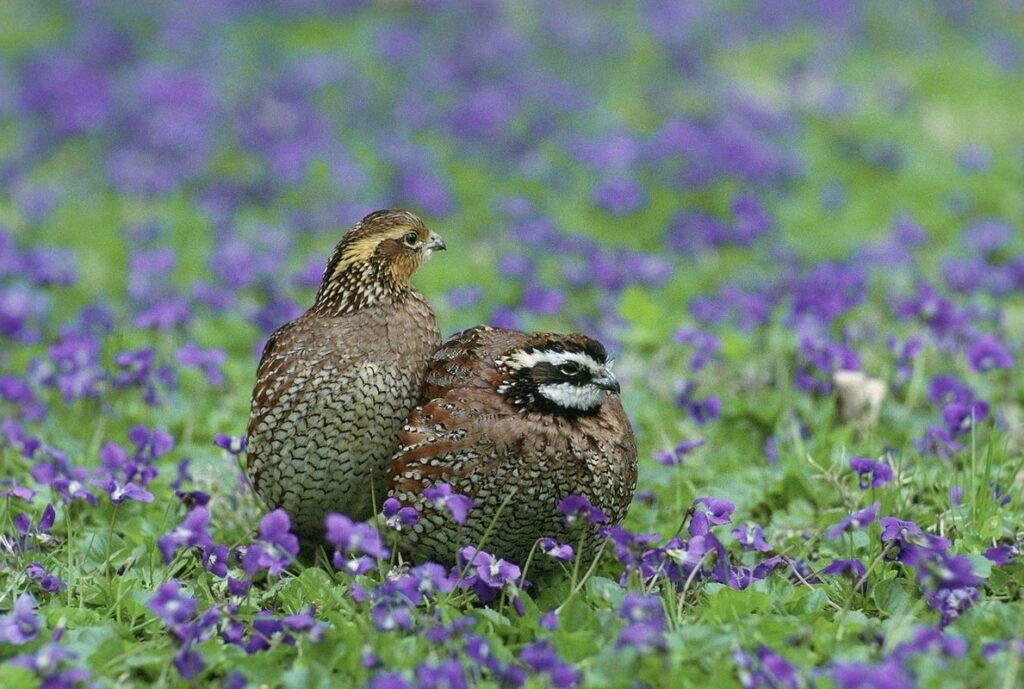
The bobwhite quail’s plumage is one of its most striking features. Males and females have distinct coloration patterns that help with identification. The male’s breast is a rich reddish-brown, while the female’s breast is more subdued with a buffy wash.
One of the most notable characteristics of the bobwhite quail is its striped pattern on the throat, neck, and breast area. This distinctive marking helps to identify males from females. Males also have a black stripe that runs along their upper breast, which is often referred to as a “bib.” Females lack this distinctive marking.
In terms of overall coloration, both male and female bobwhite quails have a mix of brown and gray feathers on their back and wings. However, the males tend to be slightly more vibrant in their plumage, particularly during breeding season when they develop their full courtship colors.
If you’re interested in distinguishing between male and female bobwhite quail, take note of these key differences: males have a reddish-brown breast, a black stripe on the upper breast (or “bib”), and are generally more vibrant in color. Females, on the other hand, have a buffy wash on their breast and lack the distinctive black stripe.
Social Structure and Communication Methods
Bobwhite quail flocks are social creatures that thrive on interaction and communication. They live in small groups, typically consisting of 2-20 individuals, with a dominant male leading the flock. Within these groups, a strict hierarchy is established, with subordinate males vying for dominance and females playing a crucial role in maintaining family bonds.
Communication among bobwhite quail is primarily achieved through vocalizations and body language. They use a variety of calls to convey information about food sources, predators, and potential threats. For example, the distinctive “bob-white” call is used by males to establish territory and attract females. Females, on the other hand, make softer, more high-pitched sounds when interacting with their young or warning others of potential dangers.
When it comes to mating habits, bobwhite quail are polygynous, with dominant males courting multiple females during breeding season. If you’re interested in attracting bobwhite quail to your backyard, focus on providing a safe and welcoming environment by creating a mix of open spaces and dense vegetation. Offer food sources like seeds, fruits, and insects, and consider installing a birdbath or shallow dish for water. By understanding the social structure and communication methods of bobwhite quail, you’ll be better equipped to create a supportive ecosystem for these fascinating birds.
Diet and Foraging Habits
When it comes to finding food, bobwhite quail are incredibly resourceful birds, and their diet consists mainly of seeds, grains, and insects that they scavenge from various sources. Let’s take a closer look at what these birds eat.
Plant-Based Diets and Browse Selection
When it comes to their diet, bobwhite quail are primarily herbivores and seed-eaters. They have a varied appetite that includes seeds from various plants such as grasses, wildflowers, and weeds. Sunflower seeds, for example, are one of their favorite snacks. Bobwhites also enjoy grains like oats, wheat, and rye, which they often find in fields and meadows.
In addition to seeds and grains, bobwhite quail eat a variety of fruits, including berries, cherries, and grapes. They particularly love the tender shoots and leaves of plants like clover, alfalfa, and dandelion. Quails have also been known to visit gardens where they’ll feed on vegetables like tomatoes, peppers, and squash.
When it comes to browse selection patterns, bobwhite quail tend to favor areas with a mix of open spaces and dense vegetation. They often forage in fields, meadows, and woodland edges where there’s an abundance of food. If you’re trying to attract bobwhites to your yard, consider planting a variety of native plants that produce seeds, fruits, or leaves they enjoy eating.
Insectivorous and Small Animal Consumption
In addition to seeds and grains, bobwhite quail also play an essential role in controlling insect populations by feeding on a wide variety of insects. Beetles, such as June beetles and ground beetles, are a staple in their diet. Grasshoppers are another common food source for bobwhites, particularly during the summer months when they’re most active.
These protein-rich foods make up a significant portion of their diet during breeding season. In fact, studies have shown that bobwhite quail will eat over 50 different species of insects, including ants, crickets, and mealworms. But what’s fascinating is that they also supplement their insect-based diet with small animals like mice and voles.
If you’re managing a habitat for bobwhites, providing a diverse range of food sources is crucial. Consider planting native grasses and wildflowers that attract these insects, as well as creating brush piles to encourage small animal activity. By doing so, you’ll not only be supporting the quail’s diet but also maintaining a balanced ecosystem.
Threats to Bobwhite Quail Populations
Bobwhite quail populations face numerous threats, including habitat loss and fragmentation, which can isolate birds from each other and reduce their chances of survival. We’ll explore these dangers in more detail below.
Habitat Loss and Fragmentation
Habitat loss and fragmentation are two of the most significant threats to bobwhite quail populations. As forests, grasslands, and wetlands continue to disappear at an alarming rate, bobwhites are left without the food, shelter, and breeding grounds they need to survive.
Deforestation is a major culprit behind habitat loss. When trees are cut down or cleared for agriculture, urban development, or other human activities, the native vegetation that supports bobwhite quail populations is destroyed. For example, in the southeastern United States, widespread deforestation has led to a significant decline in bobwhite populations over the past few decades.
Urbanization and agricultural expansion also contribute to habitat fragmentation. As cities and towns sprawl outward, they fragment the remaining habitats, making it difficult for bobwhites to move through the landscape in search of food or mates. In areas where agriculture is intensive, herbicides and pesticides can further reduce habitat quality and make it harder for quail to survive.
To mitigate these effects, landowners and conservationists are working together to restore and reconnect fragmented habitats. This can involve planting native vegetation, creating corridors for wildlife movement, and reducing the use of invasive species that compete with bobwhites for resources. By taking action to preserve and restore habitats, we can help ensure the long-term survival of this iconic bird species.
Climate Change and Disease
Climate change is having a profound impact on bobwhite quail populations, and one of the most pressing threats they face is the spread of diseases. As temperatures rise and precipitation patterns shift, habitats that were once suitable for bobwhites are becoming increasingly fragmented and isolated. This fragmentation can make it difficult for birds to disperse and find food, increasing their susceptibility to disease.
Diseases such as avian cholera, Newcastle disease, and West Nile virus are all on the rise in areas where climate change is most pronounced. These diseases can decimate local populations, making conservation efforts even more challenging. For example, a study in the southeastern United States found that bobwhite quail populations were significantly impacted by an outbreak of avian cholera, with mortality rates reaching as high as 90% in some areas.
To mitigate these effects, land managers and conservationists can take steps to reduce the spread of disease by creating healthy habitats. This includes providing adequate food and water sources, maintaining vegetation structure, and minimizing human disturbance. By taking a proactive approach to disease management, we can help protect bobwhite quail populations from the devastating impacts of climate change.
Conservation Efforts and Management Practices
To successfully conserve bobwhite quail populations, it’s essential to understand effective conservation efforts and management practices that support their well-being. We’ll explore these crucial strategies in more detail below.
Habitat Restoration and Enhancement
Restoring and enhancing habitats is crucial for bobwhite quail populations to thrive. One effective strategy is revegetation efforts, where native vegetation is planted on agricultural lands or degraded areas. This not only provides food and shelter for the quail but also improves soil health and reduces erosion.
Wildlife-friendly agricultural practices are another vital component of habitat restoration. Farmers can implement conservation tillage, reduce herbicide use, and create wildlife corridors by leaving some areas of land uncultivated. For instance, a study in Texas found that bobwhite populations increased significantly on farms adopting these conservation practices.
When planning revegetation efforts, it’s essential to choose native vegetation that provides the necessary food sources for bobwhite quail, such as grasses and wildflowers. Planting at the right time is also crucial; typically, spring or fall are ideal times for planting in most regions. Additionally, maintaining a mix of mature and immature vegetation allows for year-round habitat availability.
When adopting wildlife-friendly agricultural practices, it’s crucial to monitor the effects on quail populations over time. This might involve conducting bird counts or monitoring nest success rates. By doing so, farmers can refine their strategies and create truly effective quail habitats.
Hunting Regulations and Best Practices
When hunting bobwhite quail, it’s essential to be aware of and follow local regulations. These rules are put in place to ensure the long-term sustainability of healthy populations. For example, many states have bag limits, which dictate how many birds a hunter can harvest per day or season. Similarly, some areas may require permits or licenses specifically for bobwhite quail hunting.
Responsible hunting practices also play a crucial role in maintaining healthy bobwhite quail populations. One key practice is to hunt with dogs, as they help locate birds without causing unnecessary disturbance or damage to habitats. Additionally, hunters should always scout ahead of time to determine the best hunting spots and avoid over-hunting in areas where birds are abundant.
When handling birds, it’s essential to minimize handling and keep birds cool by providing adequate ventilation. Hunters can also contribute to conservation efforts by participating in quail surveys and reporting their findings to local wildlife agencies. By following these regulations and practicing responsible hunting methods, hunters can help maintain healthy bobwhite quail populations for future generations to enjoy.
Frequently Asked Questions
What are some effective ways to contribute to bobwhite quail conservation efforts locally?
Contribute by participating in citizen science projects, joining local birdwatching groups or conservation organizations, and volunteering for habitat restoration activities. You can also spread awareness about the importance of preserving natural habitats and supporting sustainable land-use practices.
Can I still attract bobwhite quails to my backyard if I live in a heavily urbanized area?
Yes, it’s possible to create a welcoming environment for bobwhites in urban settings by incorporating native plant species, providing food sources like sunflower seeds or suet, and maintaining a water source. Consider consulting with local wildlife experts to tailor your garden design.
What are some signs that bobwhite quail populations are declining in my area?
Declining populations may manifest as reduced calls or sightings, decreased nesting activity, and less frequent foraging. Keep an eye out for changes in the vegetation structure, such as a reduction in native plant species and an increase in invasive ones.
How can I help mitigate climate change’s impact on bobwhite quail habitats?
Support policies promoting sustainable agriculture, reforestation efforts, and renewable energy initiatives. You can also participate in community clean-up events to reduce pollution and create more wildlife-friendly corridors.
What are some alternatives to traditional hunting practices that still allow me to engage with bobwhite quail populations sustainably?
Consider hunting methods like archery or muzzleloader hunting, which require more skill and effort than modern firearms. Alternatively, join a guided birdwatching tour to observe these magnificent birds without impacting their populations.