
If you’re considering raising ducklings for their unique charm or to add some white fluff to your backyard flock, you might be wondering about the specifics of raising white ducklings. White ducklings are a rare and special addition to any farm or homestead, but they also come with their own set of needs and challenges. Did you know that white ducks owe their color to a genetic trait that’s linked to several other desirable characteristics? In this article, we’ll delve into the world of white duckling care, exploring their nutritional requirements, cultural significance, and the benefits of raising these beautiful birds. We’ll also cover some of the common challenges you might face when raising white ducklings, so you can be prepared for a smooth and successful experience with your new feathered friends.
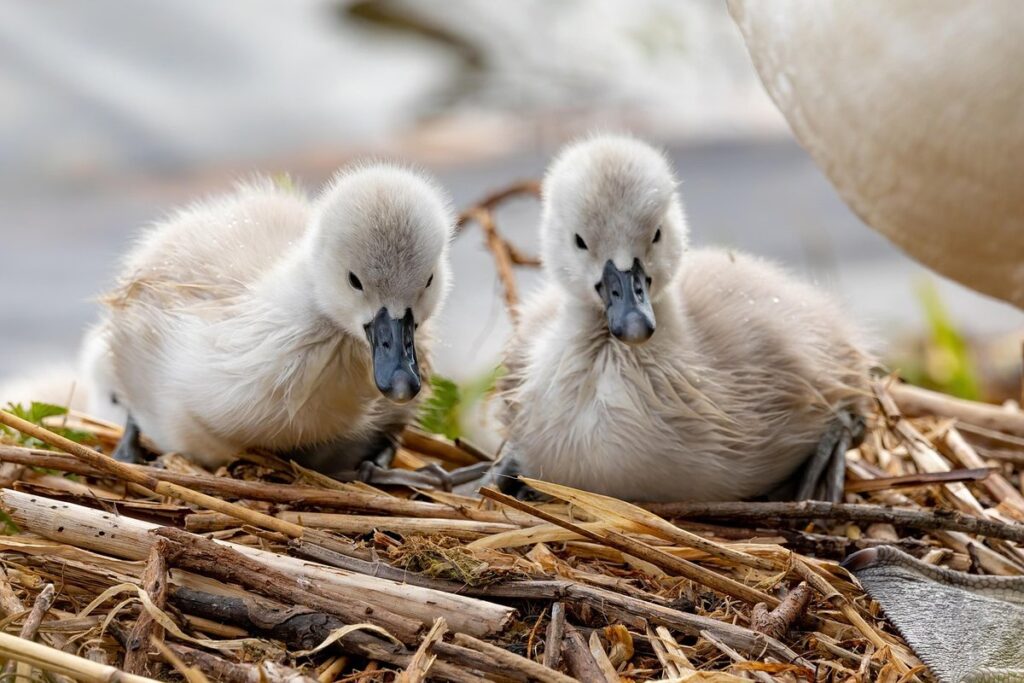
What is a White Duckling?
So, you’re curious about what makes a white duckling different from its peers. In this section, we’ll explore the characteristics and traits that define these unique birds.
Definition of White Ducklings
A white duckling is not just a rare occurrence, but a fascinating phenomenon that has captured the hearts of many waterfowl enthusiasts. So, what exactly are white ducklings? In simple terms, they are ducklings that display a genetic trait that causes them to be completely or partially white in color. This unique characteristic can manifest in various ways, from a subtle sprinkling of white feathers on their body to an entire coat of pure white plumage.
White ducklings occur when a combination of genetic factors come together, often as a result of breeding programs aimed at selecting for desirable traits. For instance, some breeders intentionally breed ducks with the gene that causes white coloration to produce offspring with this trait. However, in natural settings, such as in wild flocks or backyard ponds, white ducklings can also emerge due to genetic variation.
Understanding what makes a white duckling is crucial for anyone interested in waterfowl breeding or just fascinated by these adorable creatures. Recognizing the genetic factors that contribute to their coloration can help enthusiasts make informed decisions about their own breeding programs or even appreciate the unique characteristics of individual birds.
Rarity and Genetics Behind White Ducklings
The rarity of white ducklings can be attributed to the complex interplay of genetic factors that contribute to feather coloration. In most bird species, including ducks, the production of melanin is responsible for pigment deposition in feathers. However, the genetics behind white feathers are quite different.
To develop white feathers, a duckling needs to inherit two copies of the recessive gene “W” from its parents, one from each parent. This genotype allows the duckling to produce little to no melanin, resulting in white feathers. The rarity of this trait is due to the fact that most ducks have the dominant gene “I,” which codes for the production of melanin and leads to pigmented feathers.
The genetics behind white ducklings make this trait particularly rare. It’s estimated that only about 1-2% of duck breeds can produce true white offspring. This rarity makes the appearance of a white duckling all the more striking, highlighting the unique genetic makeup of these birds.
Benefits and Drawbacks of Raising White Ducklings
If you’re considering raising white ducklings, it’s essential to weigh the advantages against the potential downsides. This section will delve into both the benefits and drawbacks of having these unique feathered friends.
Advantages of Keeping White Ducklings
Raising white ducklings can be a rewarding experience for backyard farmers and enthusiasts alike. One of the most notable advantages of keeping these birds is their unique appearance. White ducklings are often sought after by breeders due to their striking feathers, which make them a standout in any flock.
Beyond their aesthetic appeal, white ducklings have the potential to become prolific egg producers. Many breeds of white ducks are known for laying an impressive number of eggs per year, making them a valuable addition to any backyard farm or small-scale poultry operation. For example, the Khaki Campbell duck is a popular breed that lays up to 300 large white eggs annually.
In addition to their egg-laying abilities and attractive appearance, white ducklings are also highly sought after by breeders due to their potential for show-quality birds. With proper care and management, white ducklings can grow into stunning adult ducks that are sure to turn heads at any poultry show.
Challenges and Limitations of Raising White Ducklings
Caring for white ducklings can be a bit more challenging than their counterparts with darker feathers. One of the main concerns is their increased susceptibility to disease. Since they lack melanin, their skin and eyes are extremely sensitive to sunlight, making them prone to eye problems and sunburn. You’ll need to provide extra shade and protection from direct sunlight for your white ducklings.
Another significant challenge is meeting their nutritional requirements. White ducklings have a different nutrient profile than other ducklings. They require more vitamin D3 in their diet due to the lack of melanin, which helps protect against skin damage. This means you’ll need to supplement their feed with this essential vitamin or provide them with UV-emitting light therapy.
To mitigate these risks, it’s crucial to do plenty of research and be prepared to invest time and effort into providing specialized care for your white ducklings. With the right attention and nutrition, they can thrive just as well as any other duckling.
History and Cultural Significance of White Ducklings
Let’s dive into the rich history behind white ducklings, a fascinating topic that spans centuries and continents. From ancient mythology to modern-day symbolism, their significance is far more than just a unique coloration.
Historical Records of White Duck Breeds
The earliest recorded history of white duck breeds dates back to ancient civilizations in Egypt and China. In these cultures, white ducks were highly prized for their unique appearance and were often associated with wealth and status. The Egyptians, in particular, worshipped the goddess Isis, who was often depicted with a white duck by her side. This revered bird was not only admired for its beauty but also valued for its eggs, which were considered sacred.
As civilizations evolved, so did the breeding of white ducks. In medieval Europe, these birds became popular among royalty and nobility, who used them as status symbols on their estates. The most famous breed of this time was the Silver Appleyard duck, which still exists today in various forms.
Interestingly, the genetic trait that produces white feathers has been found to be relatively rare, occurring in only a few breeds worldwide. This scarcity contributes to the uniqueness and allure of these birds.
Cultural Associations and Symbolism of White Ducklings
In various cultures around the world, white ducklings have been imbued with significant symbolic meanings and associations. For instance, in many Asian cultures, white ducklings are considered auspicious symbols of good fortune, prosperity, and happiness. In traditional Chinese culture, white ducks are often depicted in paintings and artwork as harbingers of peace and serenity.
In some Western cultures, however, white ducklings have been associated with death or mourning. This might seem counterintuitive, but it’s worth noting that the color white is sometimes linked to funerals and bereavement in European folklore. For example, the 17th-century Dutch still life paintings often featured dead ducks as a symbol of mortality.
Despite these varying cultural associations, many people around the world have come to appreciate the gentle charm and beauty of white ducklings. If you’re considering raising or caring for white ducklings, it’s essential to understand the cultural significance they hold in your community. By doing so, you can create a nurturing environment that respects and celebrates their unique traits.
Health Considerations for White Ducklings
When raising ducklings with white feathers, it’s essential to consider their specific health needs and be aware of potential issues that may arise. This includes monitoring for skin problems and maintaining proper nutrition.
Nutritional Needs of White Ducklings
As you care for your white ducklings, it’s essential to provide them with a balanced diet tailored to their specific nutritional needs. White ducklings require more protein and energy than their brown counterparts due to the pigmentation of their feathers. A diet rich in nutrients such as lysine, methionine, and vitamin E is crucial for optimal growth and health.
A study published by the Poultry Science Journal found that white ducklings have a higher requirement for protein (22-24%) compared to brown ducklings (20-22%). To meet this demand, you can supplement their diet with high-protein feed or offer live insects such as mealworms. Additionally, provide fresh vegetables and fruits rich in vitamins and minerals like kale, spinach, and sweet potatoes.
It’s also crucial to ensure access to clean water at all times to prevent dehydration and maintain optimal nutrient absorption. A well-balanced diet will not only support the growth of your white ducklings but also help them develop their unique coloration.
Disease Prevention and Management
As you care for your white ducklings, it’s essential to be aware of common health issues that can affect this unique trait. White ducklings are more susceptible to certain diseases due to their genetic makeup and environmental factors. One notable issue is a condition called albinism, which affects the production of melanin, leading to a complete or partial loss of pigmentation.
Another health concern for white ducklings is increased sensitivity to sunlight, making them prone to sunburn and potentially even skin cancer. This highlights the importance of providing adequate shelter and shade for your feathered friends. Regular monitoring and preventative measures can help mitigate these risks.
To ensure your white duckling’s optimal health, maintain a clean and safe environment, ensuring proper ventilation and hygiene practices are in place. Provide a balanced diet rich in essential nutrients to support their overall well-being. Consult with an experienced breeder or veterinarian for guidance on disease prevention and management strategies specific to white ducklings.
Breeding and Raising White Ducklings as Pets
If you’re interested in raising white ducklings, learning how to breed them successfully is a crucial step in the process. We’ll walk you through the essential steps of breeding and raising these adorable feathered friends.
Choosing a Healthy Hatchling
When selecting healthy white ducklings from reputable breeders, it’s essential to look beyond their striking appearance. While a pure-white coat may be visually appealing, it’s crucial to prioritize health and genetic diversity.
Begin by researching the breeder’s reputation and asking about their breeding practices. Reputable breeders will be transparent about the lineage of their ducklings, including any genetic testing they’ve had done to ensure purity of the white trait. Be wary of breeders who claim their ducklings are 100% white without providing documentation or evidence.
When meeting the ducklings in person, inspect them for signs of health and vigor. Look for bright, alert eyes and sturdy legs. Check the skin for any discoloration or lesions, as these can indicate underlying health issues. Ensure the duckling is active and curious, with a strong pecking reflex – all essential qualities for future growth and development.
Some reputable breeders offer genetic testing to identify potential health risks associated with certain breeds. While not all breeders may have access to this technology, it’s worth asking about their approach to ensuring healthy stock.
Environmental and Social Needs of White Ducklings
When it comes to raising white ducklings as pets, providing them with a suitable environment and social interaction is crucial for their well-being. A proper housing setup should include adequate space for the ducks to move around comfortably, which is at least 2-3 square feet per bird inside the coop and 10-15 square feet in the outdoor run. Make sure the enclosure is escape-proof and predator-resistant.
For exercise, white ducklings require regular access to a safe outdoor area where they can swim, forage, and engage in natural behaviors. A small pond or pool with shallow areas and adequate water depth will keep them entertained and active. It’s essential to provide toys and enrichment items inside the coop to stimulate their minds during inclement weather.
In terms of social interaction, white ducklings are highly social birds that thrive on human interaction and require regular handling and attention from their owners. Spend at least 30 minutes a day interacting with your ducklings, feeding them by hand, and engaging in playtime activities to strengthen the bond between you and your feathered friends.
Conclusion: Embracing the Beauty and Complexity of White Ducklings
As we conclude our journey into the world of white ducklings, let’s reflect on what makes them truly unique and why their special trait is something to be cherished.
Recap of Key Points
As we conclude our exploration of duckling white, let’s take a moment to recap the key points that will help you better understand and appreciate this unique trait.
We discussed how duckling white is not a birth defect but rather a natural variation in feather coloration, with the genetics being passed down from parents to offspring. You learned that it’s essential to be aware of your duck breed’s specific characteristics and breeding history to understand the likelihood of duckling white occurrence.
Moreover, we covered various reasons why duckling white might develop, including environmental factors like temperature fluctuations and nutritional deficiencies. We also touched on how this condition can be a sign of underlying health issues in some cases, making it crucial for responsible breeders to monitor their ducks’ health closely.
By being aware of these points, you’ll be better equipped to recognize the signs of duckling white and take proactive steps to ensure the well-being of your feathered friends. This knowledge will also help you appreciate the beauty and diversity that comes with this unique trait, allowing you to make informed decisions as a responsible duck owner or breeder.
Final Thoughts on Appreciating White Ducklings
As we conclude our exploration of duckling white, it’s essential to emphasize the significance of appreciating these unique birds. We’ve delved into the intricacies of their development and characteristics, highlighting what makes them so fascinating. However, beyond mere understanding, it’s crucial to acknowledge the value of embracing and valuing this trait.
By doing so, we not only enhance our appreciation for nature’s diversity but also foster a deeper connection with these incredible creatures. To put this into practice, consider the following: next time you encounter ducklings, take a moment to observe their distinctive markings. Notice how their plumage differs from their brown-feathered counterparts. Appreciate the unique characteristics that set them apart and celebrate the beauty of individuality.
In doing so, we can cultivate a greater sense of respect and admiration for these remarkable birds, recognizing the inherent value in their differences. As you reflect on your own encounters with ducklings, consider how embracing this trait has broadened your perspective and enriched your experience. By valuing the uniqueness of duckling white, we contribute to a culture that celebrates diversity and promotes a deeper appreciation for the natural world.
Frequently Asked Questions
What are the essential nutritional requirements for white ducklings, especially during their first few weeks of growth?
White ducklings require a balanced diet rich in protein and calcium to support their rapid growth and development. In the first few weeks, they need starter feed formulated specifically for waterfowl, which should contain around 20% protein. Supplementing with fresh vegetables and fruits can also provide essential nutrients. However, be cautious not to overfeed, as this can lead to health issues.
Can I raise white ducklings alongside other breeds of ducks, or do they require a separate enclosure?
White ducklings can coexist with other duck breeds, but it’s crucial to ensure compatibility and consider their individual needs. Mixing different ages, sizes, and temperaments can be challenging, so start by introducing them gradually and under close supervision. A minimum space of 2-3 square feet per bird is recommended, with adequate shelter and protection from predators.
How do I handle the increased risk of disease when raising white ducklings?
White ducklings are more susceptible to certain diseases due to their genetic makeup. Implementing robust health management practices is essential. Regularly clean and disinfect their enclosure, provide a balanced diet, and ensure access to fresh water. Consult with a veterinarian experienced in poultry care for guidance on vaccination schedules and disease prevention strategies.
What’s the optimal age for introducing white ducklings to the outdoors, considering their sensitivity to temperature fluctuations?
Introduce white ducklings to outdoor enclosures when they’re around 6-8 weeks old. Monitor weather conditions closely, as young ducks are sensitive to extreme temperatures. Provide a protected area with shade and windbreaks to shield them from harsh sunlight and cold winds.
Can I breed white ducklings for resale or hobby purposes without extensive experience in waterfowl breeding?
Breeding white ducklings requires expertise and specialized knowledge. Without sufficient experience, you may face challenges in selecting suitable breeding stock, managing genetic diversity, and preventing health issues. If you’re new to waterfowl breeding, consider starting with a smaller flock and seeking guidance from experienced breeders or poultry experts.