
Have you ever stopped to think about the life cycle of those adorable wild ducklings waddling around in ponds near your home or local park? It’s a remarkable journey, full of challenges and adaptations that allow them to thrive despite human impacts on their habitat. As we navigate the complexities of climate change, it’s essential to understand how these tiny creatures are faring. In this article, we’ll delve into the fascinating world of wild ducklings, exploring their development from vulnerable eggs to feathered flyers, their behavior and social interactions, and the habitats they call home. We’ll also examine the conservation status of wild ducklings and what humans can do to make a positive difference in preserving these precious creatures for future generations amidst growing environmental concerns.
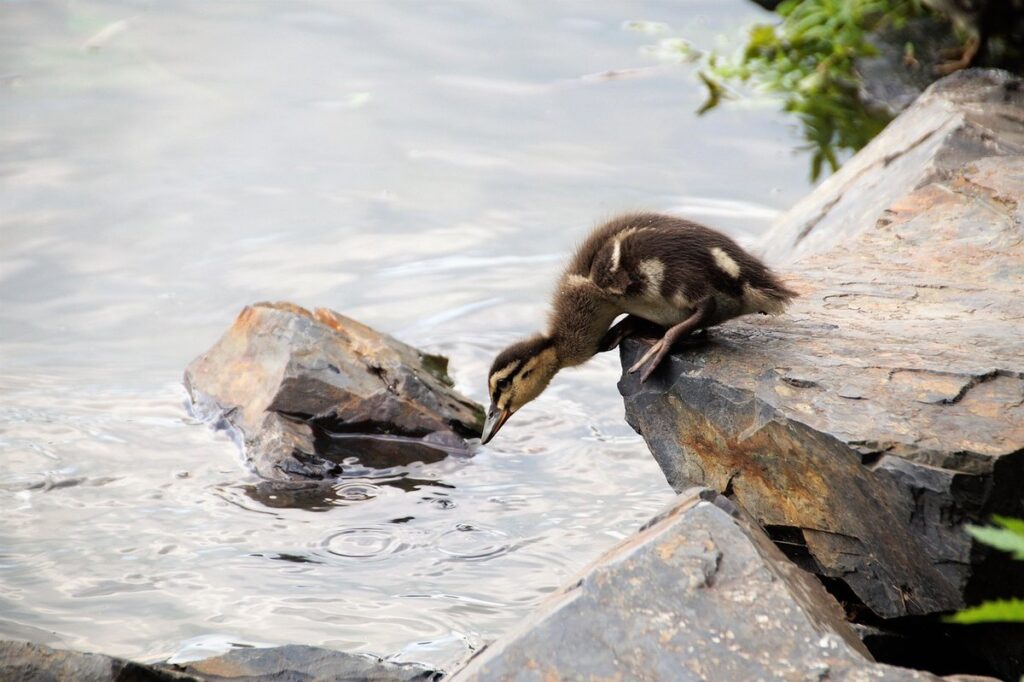
Understanding Wild Duckling Development
Let’s take a closer look at how wild ducklings grow and develop outside of their nest, from their first wobbly steps to fledging independence. We’ll explore the fascinating process of duckling development in this wild habitat.
Embryonic Stage: From Egg to Hatch
Wild duckling development begins with the intricate process of egg incubation. After laying eggs, female ducks carefully select a safe location to nest, often hidden from predators and harsh weather conditions. The temperature inside the nest is crucial for successful incubation; most waterfowl species require an optimal range between 98°F and 100°F (36°C to 38°C). Female ducks will often balance their body weight on top of the eggs to maintain a consistent temperature.
Incubation typically lasts around 28 days, but some species may take up to 30 days. During this period, the developing embryo undergoes rapid growth and development. The first sign of hatching is when the duckling starts pecking at the eggshell from inside. This process can be intense, with the duckling using its strong beak to crack open the shell. Once hatched, the young duckling will struggle out of the egg, usually covered in a thin layer of down feathers. This critical stage is crucial for the duckling’s survival, and it requires careful care and attention from its mother and surrounding environment.
Nesting Habitats: Where Wild Ducklings Grow Up
Wild ducklings grow up in various habitats, each providing unique conditions that shape their development. Wetlands, such as marshes and swamps, are ideal for young ducks to learn essential survival skills like swimming and foraging. These areas offer a mix of open water and dense vegetation, allowing ducklings to practice hunting and escaping predators.
Forests, particularly those with shallow ponds or lakes, also serve as suitable nesting habitats. The woodland environment provides shelter from harsh weather conditions and protection from human disturbance. Trees surrounding these aquatic areas help maintain water quality by filtering out excess nutrients and sediments.
Grasslands, although not as common for ducklings to grow up in, can be an option when wetlands or forests are scarce. Areas with dense grasses and scattered shrubs create hiding spots for young ducks, making it easier for them to evade predators. However, these habitats often lack the water sources essential for ducks’ survival.
When considering conservation efforts, understanding the habitat needs of wild ducklings is crucial. By preserving or restoring natural habitats, we can ensure that future generations of ducklings have access to suitable environments to grow and thrive.
Parental Care and Socialization
As ducklings grow, they rely on their parents for essential care and socialization that shapes their behavior and survival skills in the wild. In this crucial phase, both parents play a vital role.
Mother’s Role in Raising Wild Ducklings
When it comes to raising wild ducklings, the mother’s role is crucial for their survival. A mother duckling takes on the responsibility of feeding her young a diet rich in aquatic plants, insects, and small crustaceans. She teaches them which plants are safe to eat and how to dig for food in shallow water. This vital lesson ensures they develop essential foraging skills necessary for life outside the nest.
As she broods her ducklings, a mother duckling will often balance on one foot while tucking the rest under her body to shield them from harm. She also uses this opportunity to preen and clean their feathers, passing on vital knowledge about personal hygiene. To protect her young from predators like foxes, coyotes, and hawks, she remains vigilant, always on alert for potential threats.
One of the most impressive displays of a mother duckling’s protective instincts is her willingness to sacrifice herself if necessary. If threatened, she will often shield her ducklings with her own body, putting their safety above her own. This heroic behavior showcases the deep bond between a mother duckling and her brood, highlighting just how critical her role is in ensuring their survival and growth.
The Importance of Sibling Bonds in Duckling Development
In the world of wild ducklings, sibling bonds play a crucial role in their development and socialization. As ducklings grow up together, they form strong relationships that influence their behavior, learning, and adaptability. This is particularly evident when you consider how siblings learn important survival skills from each other.
For instance, if one duckling discovers a reliable food source, it will often share this information with its siblings through vocalizations and body language. This process of social learning not only helps the entire brood but also fosters a sense of cooperation and trust among them. In fact, studies have shown that sibling ducklings are more likely to work together to evade predators than those raised alone.
As a result, if you’re observing wild ducklings in their natural habitat, pay attention to how they interact with each other. You might notice that certain siblings seem to be taking on leadership roles or demonstrating unique problem-solving skills. By recognizing these dynamics, you can gain valuable insights into the complex social structures of wild duckling communities and appreciate the importance of sibling bonds in their development.
Hunting, Predation, and Mortality Rates
As ducklings grow and mature, they face numerous threats from predators and harsh environments, significantly impacting their mortality rates. Let’s explore these dangers up close.
Main Causes of Mortality: Habitat Loss, Predation, and Disease
Wild ducklings face numerous threats to their survival, with habitat loss and degradation being one of the most significant factors. Human activities such as deforestation, urbanization, and agricultural expansion have led to the destruction of natural habitats, leaving wild ducklings without a safe place to live, feed, and breed. As a result, many species are forced to adapt to fragmented and degraded habitats, making them more vulnerable to predation and disease.
Pollution is another major threat to wild duckling populations. Water pollution from agricultural runoff, industrial waste, and sewage can lead to the decline of water quality, making it difficult for ducklings to find food and survive. For example, a study found that even small amounts of certain pollutants can cause reproductive problems in ducks, leading to lower breeding success.
In addition to habitat loss and pollution, predation also plays a significant role in mortality rates among wild ducklings. Many species of birds, including domestic cats and foxes, prey on ducklings, particularly during their vulnerable early stages of life. By understanding these threats, we can take steps to mitigate them and protect these remarkable creatures.
Survival Strategies Employed by Wild Ducklings
Wild ducklings have evolved remarkable survival strategies to evade predators and increase their chances of reaching adulthood. One of the most effective adaptations is camouflage. As soon as they hatch, wild ducklings are covered in a soft, downy feathers that blend seamlessly with their surroundings, making it difficult for predators like hawks and owls to spot them.
Another crucial strategy employed by wild ducklings is flight patterns. They learn to fly at an astonishing rate, often within the first few weeks of life, allowing them to quickly escape danger. In fact, research has shown that wild ducklings can reach speeds of up to 50 km/h (31 mph) during takeoff and landing.
When threatened, wild ducklings also rely on warning calls to alert their siblings and parents to potential predators. These high-pitched calls serve as an early warning system, allowing the family group to respond quickly and effectively.
By observing these survival strategies in action, we can gain a deeper appreciation for the remarkable resilience of wild ducklings. By incorporating these tactics into our conservation efforts, we may be able to better protect these vulnerable creatures and their habitats.
Conservation Efforts for Wild Duckling Populations
As we delve into the conservation efforts underway, you’ll learn about initiatives protecting wild ducklings from habitat loss, hunting regulations, and community-led projects supporting their survival.
Habitat Preservation and Restoration Initiatives
Effective habitat preservation and restoration are crucial for sustaining healthy wild duckling populations. One notable example is the Wetlands Reserve Program in the United States, which has restored over 2 million acres of wetlands since its inception in 1985. This initiative not only provides crucial breeding grounds for wild ducklings but also supports a diverse array of wildlife.
Local communities are playing an increasingly important role in habitat preservation efforts. The creation of community-managed protected areas (CMPAs) is gaining traction, allowing local residents to take ownership of conservation initiatives. For instance, the success of CMPAs has been seen in Kenya’s Lake Victoria region, where local farmers and fishermen work together with NGOs to protect habitats.
In addition to restoration projects, efforts to maintain existing habitats are equally vital. This includes protecting against invasive species, mitigating pollution, and ensuring sustainable land use practices. Governments, NGOs, and private sector entities can collaborate on initiatives like the “Living Shorelines” project in North Carolina, which uses natural materials to restore coastal ecosystems.
For individuals interested in supporting habitat preservation efforts, consider supporting organizations working to protect wetlands or participate in local conservation initiatives. Every action counts, from volunteering for a clean-up event to spreading awareness about the importance of protecting natural habitats. By prioritizing habitat preservation and restoration, we can create a more resilient environment for wild ducklings and other wildlife to thrive.
Research-Based Strategies for Mitigating Threats to Wild Ducklings
When it comes to safeguarding the future of wild duckling populations, research-based strategies are crucial. Studies have shown that effective management plans can significantly reduce threats to these young birds. For instance, a study published in the Journal of Wildlife Management found that habitat fragmentation can lead to increased predation rates on wild ducklings. Therefore, conservation efforts should focus on creating connected habitats that provide adequate shelter and foraging opportunities.
Disease monitoring is another critical aspect of mitigating threats to wild duckling populations. Research has identified avian cholera as a significant threat to these birds, particularly in areas with high population densities. Educational programs can also play a vital role in raising awareness about the importance of disease prevention and management among both wildlife enthusiasts and landowners.
To implement effective disease monitoring and control measures, we recommend collaborating with local wildlife experts and veterinarians to establish early warning systems for detecting diseases. Additionally, promoting responsible pet ownership and reducing human-wildlife conflict can also contribute to a healthier environment for wild ducklings to thrive.
Impact of Climate Change on Wild Duckling Populations
Climate change is having a profound impact on wild duckling populations, threatening their very survival through altering habitats and disrupting delicate ecosystems. Let’s take a closer look at this pressing issue.
Projected Effects of Rising Temperatures on Habitat Availability
As we explore the impact of climate change on wild duckling populations, it’s essential to consider the effects of rising temperatures on habitat availability. One of the primary concerns is how changing seasonal patterns will influence the survival prospects of these young birds.
Climate change is altering the timing of seasonal events, such as spring migration and breeding seasons. This can lead to mismatches between wild ducklings’ needs and the availability of food resources. For example, if plants are blooming too early or too late, ducklings may struggle to find sufficient nutrition. Weather extremes like droughts, heatwaves, and heavy rainfall events also pose significant threats. These conditions can reduce the quality and quantity of wetlands and grasslands, making it challenging for wild ducklings to thrive.
Rising temperatures are also affecting food scarcity, as plants and insects that serve as primary food sources for wild ducklings are shifting their ranges or undergoing changes in abundance. This shift not only affects individual ducklings but also has a ripple effect throughout ecosystems, impacting entire populations of wild ducklings.
Human Actions Necessary to Counterbalance Climate-Driven Changes
As we explore the impact of climate change on wild duckling populations, it’s essential to acknowledge that individual actions can collectively make a significant difference. By incorporating simple yet effective changes into our daily lives, we can help counterbalance the effects of climate-driven changes.
One crucial step is to reduce our carbon footprint by adopting eco-friendly transportation methods. Consider biking or walking instead of driving for short distances, or opt for electric vehicles when possible. This reduction in greenhouse gas emissions will not only benefit wild ducklings but also contribute to a healthier environment for all wildlife. For example, a study found that cycling instead of driving can reduce carbon emissions by up to 50%.
In addition to reducing our environmental impact, we can also support conservation efforts by making conscious food choices. By choosing organic and locally sourced produce, we’re promoting sustainable agriculture practices that prioritize biodiversity. This decision may seem minor, but collective actions like these can help protect habitats and ensure the long-term survival of wild duckling populations.
Furthermore, supporting organizations dedicated to wildlife conservation is crucial. These groups work tirelessly to restore habitats, monitor populations, and implement climate-resilient strategies. By donating or volunteering with such organizations, you’re directly contributing to efforts that safeguard wild ducklings’ futures.
When shopping for household items, opt for products made from sustainable materials, such as recycled paper and bamboo. This conscious consumerism promotes environmentally responsible practices across industries, creating a ripple effect that benefits the environment and wildlife alike. Every small action counts, and collectively, we can make a substantial difference in protecting wild duckling populations from climate-driven changes.
By making these simple yet deliberate choices, you’re becoming an active participant in preserving wild ducklings’ habitats and behavior, setting them on a path towards thriving despite the challenges posed by climate change.
Conclusion: Preserving Wild Duckling Populations for Future Generations
In conclusion, preserving wild duckling populations requires a multifaceted approach that combines habitat conservation, reduced hunting pressure, and education. To ensure their survival, it’s essential to protect their natural habitats by restoring wetlands and preventing pollution. You can make a difference by supporting organizations that work towards wildlife conservation or participating in citizen science projects to monitor water quality.
When interacting with wild ducklings, remember to keep a safe distance and avoid disturbing them, as this can cause stress and disrupt their social behavior. By being mindful of our actions, we can minimize the impact on these incredible creatures. By working together, we can safeguard the future of wild duckling populations for generations to come, allowing us to continue marveling at their fascinating habits and beauty.
Frequently Asked Questions
Can I observe wild ducklings without disrupting their habitat or causing stress to the mother?
Yes, observing wild ducklings can be a wonderful experience, but it’s essential to maintain a safe distance and not disturb the mother’s nesting site. Keep in mind that wild ducklings are vulnerable to human impact during this critical developmental stage. If you must observe, use binoculars or a spotting scope to minimize your presence.
How do I contribute to conservation efforts for wild duckling populations?
Supporting local habitat preservation initiatives and organizations focused on waterfowl conservation can make a significant difference. You can also participate in citizen science projects, such as monitoring nesting sites or reporting sightings of wild ducklings. These contributions help researchers and policymakers better understand the needs of these species.
What are some common mistakes people make when trying to help wild ducklings that have fallen from their nest?
When finding injured or orphaned wild ducklings, it’s crucial not to touch them unless absolutely necessary. Human scent can cause stress to the ducklings, increasing mortality rates. Instead, contact a local wildlife rehabilitation center for guidance and assistance in caring for these vulnerable creatures.
Can I keep a wild duckling as a pet?
No, keeping wild ducklings as pets is not recommended. Wild animals have complex social and spatial needs that cannot be met in captivity. Moreover, taking them from their natural habitat can disrupt the ecosystem and cause harm to both the animal and its family group. It’s essential to appreciate these creatures in their natural environment.
How do I learn more about wild duckling development and behavior beyond what’s covered in this article?
For further reading and research on wild ducklings, explore reputable sources such as the Cornell Lab of Ornithology, National Wildlife Federation, or local wildlife conservation organizations. You can also consult with experts, attend workshops, or participate in online forums to stay updated on the latest discoveries and findings about these fascinating creatures.