
Are you a backyard farmer or a passionate duck owner looking to create a safe and healthy environment for your feathered friends? If so, choosing the right waterer is crucial. Unfortunately, store-bought duck waterers often fall short in terms of sanitation, ease of maintenance, and cost-effectiveness. That’s why we’re excited to share our comprehensive guide on DIY duck waterer ideas.
In this article, we’ll walk you through the essential steps of creating your own customized duck waterer, from selecting the perfect location to resolving common issues that may arise. You’ll learn how to choose the right materials, design a functional and easy-to-clean system, and maintain its effectiveness over time. By following our DIY tips and tricks, you’ll be able to provide your ducks with clean drinking water while saving money in the process. Whether you’re a seasoned farmer or a beginner, this guide is perfect for anyone looking to improve their duck-keeping experience.
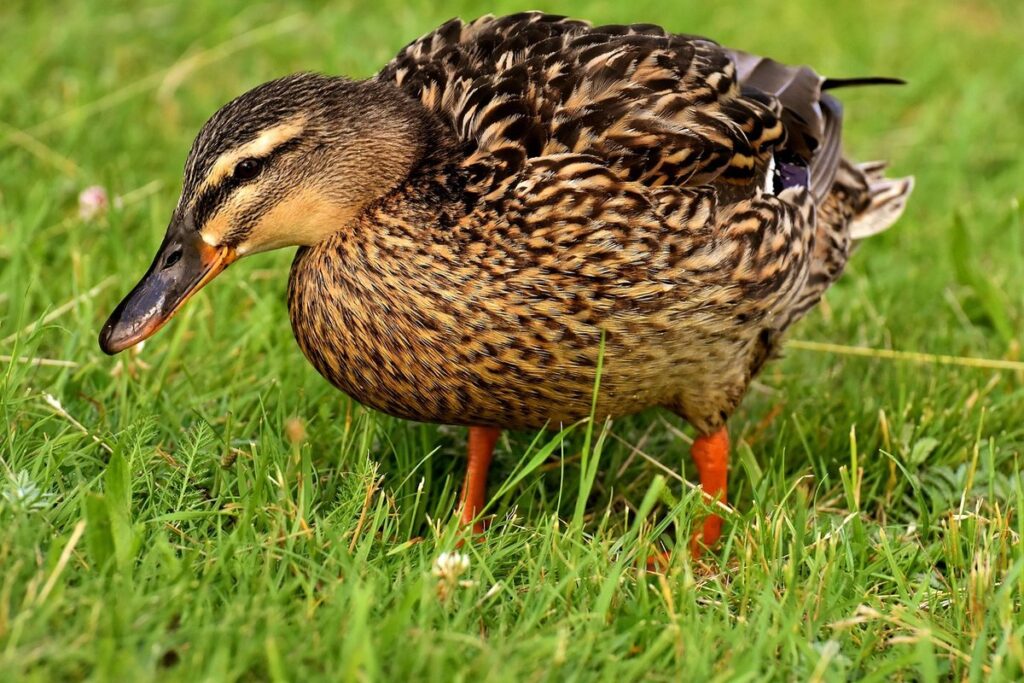
Choosing the Right Location for Your Duck Waterer
When placing a duck waterer, it’s essential to consider factors that ensure your feathered friends stay safe and healthy, such as accessibility and protection from predators.
Factors to Consider When Selecting a Site
When selecting a site for your DIY duck waterer, it’s crucial to consider several factors that will ensure the well-being and safety of your feathered friends. Accessibility is key; choose a location that’s easily reachable by both you and your ducks. This way, you can quickly refill or clean the waterer as needed.
Also, keep in mind the protection from extreme weather conditions such as direct sunlight, heavy rainfall, and strong winds. A covered area or a spot with some shade would be ideal to prevent the water from becoming contaminated or scalding hot.
Another essential factor is proximity to your duck’s nesting area. Ducks need access to clean water at all times, especially when they’re tending to their young. By placing the waterer near the nest, you’ll ensure that your ducks don’t have far to go for a drink, reducing stress and energy expenditure. Consider the natural habitat of your property; if there’s an existing pond or water source nearby, use it as a reference point when determining the ideal location for your DIY duck waterer.
Avoiding Contamination and Safety Precautions
When it comes to setting up a DIY duck waterer, ensuring the health and safety of your feathered friends should be your top priority. This includes taking measures to prevent water contamination, which can lead to the spread of diseases among ducks.
To start with, keep the waterer away from areas where animal feeders are located. Ducks love to splash around in their water, but this can also lead to cross-contamination between their food and drinking water. By separating the two, you’ll reduce the risk of bacterial growth and ensure your ducks stay healthy. Also, avoid placing the waterer near areas with standing water, such as low-lying spots or areas where rainwater tends to collect.
Regular cleaning and maintenance are also crucial in preventing contamination. Make it a habit to change the water frequently, ideally every 2-3 days, depending on the number of ducks using it.
Types of DIY Duck Waterer Projects
When it comes to creating a DIY duck waterer, you have several options to consider, from easy-to-make floating feeders to more complex automatic watering systems.
Hanging Duck Waterer Ideas
Hanging waterers are an excellent option for backyard duck keepers who have limited space or want to create a more visually appealing setup. Not only do they conserve space, but they also reduce waste and make cleaning easier.
You can repurpose plastic bottles by cutting the bottom off and attaching them to a wooden board or a metal rod using wire or screws. This creates a simple, yet effective waterer that’s easy to clean and maintain. For example, you can use an old 2-liter bottle and attach it to a fence post using some rope and a few nails.
Another option is to upcycle a wooden board by attaching multiple metal buckets or troughs to create a tiered system. This not only saves space but also makes it easier for the ducks to access water without having to stretch or jump. By choosing materials like wood, metal, or plastic, you can create a functional and eco-friendly hanging waterer that meets your backyard duck’s needs.
Consider adding a float valve or an automatic waterer system to make refilling and maintenance even simpler.
Floating Duck Waterer Designs
Floating duck waterers are a fantastic way to provide your feathered friends with a clean and accessible source of drinking water. These designs use items like old containers, rocks, or logs to create a floating platform that allows the ducks to easily access the water without having to get their heads wet.
To make a floating duck waterer using an old container, simply place it in a large tub or bin filled with water and add some rocks or marbles to weigh it down. You can also use a log or a piece of driftwood as the base, making sure to secure it in place with some rope or twine.
The key to keeping your floating duck waterer clean is to make sure the water surface remains free of debris. This can be achieved by adding a small lip around the edge of the container or using a mesh screen to keep leaves and other contaminants out. Regularly cleaning the waterer and changing the water will also help prevent bacterial growth and keep the water fresh.
A floating duck waterer design is especially useful in shallow ponds or areas with heavy water flow, as it allows the ducks to drink safely without being swept away by strong currents.
Materials Needed for DIY Duck Waterer Construction
Before you start building your DIY duck waterer, make sure you have all the necessary materials on hand to ensure a smooth and successful project. Gather these essentials from the list below.
Essential Components and Tools
When it comes to building a DIY duck waterer, having the right materials on hand is crucial. The essential components and tools you’ll need may vary depending on the design of your waterer, but here are some must-haves to get started.
First and foremost, you’ll need PVC pipes and fittings in various sizes to create the structure of your waterer. These can be purchased at most hardware stores or online. It’s essential to choose a suitable grade of PVC for outdoor use, as it will be exposed to the elements.
In addition to PVC pipes, you’ll also need some basic drill bits and a measuring tape to ensure accurate measurements and assembly. A wrench or adjustable wrench will come in handy when connecting the PVC fittings. Consider investing in a pipe cutter or saw if you plan on making any custom adjustments to your design.
When selecting materials, keep your duck’s needs in mind. For example, if you have a large flock, you’ll want to opt for larger pipes and fittings to accommodate their water requirements. Be sure to choose materials that are durable enough to withstand the elements and frequent use.
Optional Features and Additions
If you want to take your DIY duck waterer project to the next level, consider adding some optional features that can enhance its functionality and efficiency. For instance, an automatic water dispenser is a game-changer for busy farmers or backyard duck keepers. These dispensers can be programmed to dispense water at set times of the day, ensuring that your ducks always have access to fresh water.
Another feature you might want to consider is a thermostat. This will help maintain a consistent water temperature, which is essential for your ducks’ health and well-being. A water filter is also a great addition, as it can remove impurities and contaminants from the water, giving your ducks the cleanest possible drinking experience.
Some other add-ons you might want to explore include timers, sensors, or even solar-powered pumps. The key is to choose features that meet your specific needs and preferences, while also being mindful of your budget and DIY capabilities. Remember to research and select components that are compatible with your waterer design and easy to install.
Building Your Own Duck Waterer: Step-by-Step Instructions
Now that you’ve got a solid understanding of duck waterer ideas, it’s time to get hands-on and build your own! Follow these step-by-step instructions to create a safe and functional waterer for your feathered friends.
Planning and Designing the Project
Before you start building your duck waterer, it’s essential to have a clear plan in place. Take some time to think about what you need and want from your waterer. Consider the size of your ducks, the space available for the waterer, and how often you’ll be able to clean and maintain it.
Start by sketching out a rough design and making a list of the materials you’ll need. Think about using durable materials like plastic or metal that can withstand the elements and frequent cleaning. Make sure the waterer is large enough to provide each duck with at least 1 quart of space per bird, as specified by the USDA.
Also, consider easy-access features such as sloping ramps or wide entrances for your ducks to comfortably enter and exit the waterer. Don’t forget to include a drain system to prevent water from stagnating and becoming a breeding ground for bacteria and mosquitoes. By taking these factors into account, you’ll be able to create a functional and safe waterer that meets your ducks’ needs.
Assembling and Installing the Waterer
As you’re building your duck waterer, it’s time to assemble and install it. Start by carefully reading through your design plans to ensure you have all the necessary components and tools. Begin with assembling the base of the waterer, followed by adding the sides, back, and any other structural elements.
For a floating waterer, attach the float valve and connect it to a suitable water supply line. Make sure to secure the valve in place using clips or screws to prevent accidental detachment. If your design requires electricity (for example, a solar-powered pump), carefully follow the manufacturer’s instructions for installation.
To ensure stability and prevent tipping over, anchor the waterer securely to the ground or surrounding fence. This can be achieved by using heavy-duty anchors, weights, or even a small concrete pad. Be sure to position the waterer in an area that provides easy access for cleaning and maintenance.
Maintaining Your DIY Duck Waterer: Tips and Best Practices
Now that you’ve built your duck waterer, let’s talk about how to keep it clean, safe, and functional for your feathered friends over time. Proper maintenance is key!
Cleaning and Disinfecting Procedures
Regular cleaning is essential to maintaining a healthy environment for your ducks. Daily tasks should include scooping out debris and soiled bedding from the waterer. Check the water level frequently and refill as necessary to prevent stagnation.
For larger maintenance sessions, plan to thoroughly disinfect the duck waterer every 1-2 weeks. Start by rinsing all components with warm water to remove any loose debris. Next, mix a solution of 1 part white vinegar to 9 parts water in a spray bottle and spray all surfaces, including the bowl, float valve, and surrounding area.
Allow the solution to sit for 10-15 minutes before scrubbing away any stubborn stains or mineral deposits with a soft-bristled brush. Rinse everything thoroughly with clean water and allow it to air dry. Regular cleaning and disinfecting will help prevent bacterial growth and keep your duck waterer in top condition, ensuring the health and well-being of your feathered friends.
Troubleshooting Common Issues
When it comes to maintaining your DIY duck waterer, there are a few potential issues that can arise. One common problem is frozen water, which can occur when the temperatures drop below freezing. To prevent this, consider using a heated waterer or adding insulation to the existing one. This will help keep the water from freezing and ensure your ducks have access to clean drinking water.
Another issue you may encounter is equipment failure. For example, if you’re using a float valve to regulate the water level, it can become clogged or stuck. To resolve this issue, try cleaning the valve with warm soapy water and replacing it if necessary. It’s also essential to regularly inspect your DIY duck waterer for signs of wear and tear, such as cracks or leaks.
By being proactive and addressing these issues promptly, you’ll be able to keep your ducks healthy and happy. Remember to check your waterer daily for any signs of trouble and make adjustments accordingly. With a little maintenance, you can enjoy the benefits of a DIY duck waterer while ensuring the well-being of your feathered friends.
Conclusion: Benefits of a DIY Duck Waterer and Future Improvements
Now that you’ve completed your DIY duck waterer, let’s wrap up by exploring the benefits it brings to your feathered friends and what improvements can be made for even better results.
Recap of Key Takeaways
When choosing to install a DIY duck waterer, it’s essential to keep in mind several key considerations. A location that is easily accessible for you and safe from potential predators should be your top priority. This might mean placing the waterer near your back door or along a fence line.
Considerations when designing the waterer itself include ensuring it can hold enough water for your ducks, typically around 1-2 gallons per duck. The depth of the waterer will also play a significant role in maintaining cleanliness and preventing ducks from playing in the water. A minimum depth of 12 inches is recommended.
Proper maintenance of the DIY duck waterer is crucial to prevent bacterial growth and keep your flock healthy. Regular cleaning, changing out old water, and inspecting for damage are all essential tasks. By keeping these key considerations in mind, you’ll be well on your way to successfully integrating a DIY duck waterer into your backyard duck-keeping setup.
Encouraging Continued Innovation and Improvement
As you’ve successfully built and implemented your own DIY duck waterer, we want to hear from you! We’re eager to learn about your experiences, the challenges you faced, and the creative solutions you came up with. By sharing your stories and ideas, you’ll not only be contributing to the community of fellow backyard duck enthusiasts but also helping us refine and improve our guide for future readers.
If you’ve encountered any issues or had unique features in your design that worked particularly well, we’d love to hear about them! Have you experimented with different materials or shapes? Did you encounter any unexpected challenges or solutions? Share your insights so we can all benefit from your expertise. You can even share photos of your finished waterer and tell us what inspired its design.
In return, we’ll be sharing some new ideas for future projects based on the feedback we receive. Your input will help shape the next iteration of this guide, ensuring it remains relevant and informative for our readers. Let’s keep the momentum going and inspire each other to continue innovating in the world of DIY duck waterers!
Frequently Asked Questions
What are some common materials I can use to build a DIY duck waterer that is resistant to freezing temperatures?
You can use durable plastics like PVC or ABS, or even concrete and metal for building a winter-proof DIY duck waterer. Make sure to choose materials that are easy to clean and disinfect to prevent contamination.
How often should I change the water in my DIY duck waterer to keep it fresh and clean?
Change the water daily, or at least every other day, depending on the number of ducks using the waterer and the local climate. Regularly cleaning and disinfecting your DIY waterer is also crucial for maintaining its effectiveness.
Can I use a self-filling waterer system with my DIY duck waterer design?
Yes, incorporating a self-filling system can make maintenance easier and reduce the risk of water contamination. You can use a float valve or an automatic pump to refill the waterer when needed.
What are some potential issues I should watch out for when building a floating duck waterer, and how do I prevent them?
Be cautious of clogging and overflow problems, which can occur if the water level is not properly controlled. Use a float valve to regulate the water flow and ensure that the waterer doesn’t overfill.
How can I make my DIY duck waterer more accessible for older or disabled ducks?
Consider adding ramps or steps to your DIY waterer design to improve accessibility. You can also use a floating waterer with a platform or a raised area to provide easier access for your feathered friends.