
When you think about your backyard flock, chances are you’ve wondered if they can actually smell all those delicious bugs and tasty treats. It turns out that chickens have a surprisingly keen sense of smell, one that plays a crucial role in their behavior from foraging to predator detection.
In fact, research suggests that olfaction – the ability to detect odors – is just as important to chickens as vision or hearing. But how exactly do they use this skill? And what does it mean for you and your flock’s management?
This article takes a closer look at the science behind chickens’ sense of smell and explores its practical applications in chicken management. We’ll delve into the surprising ways that olfaction affects their daily lives, from sniffing out food to recognizing predators, and provide you with expert tips on how to use this knowledge to improve your flock’s health and well-being.
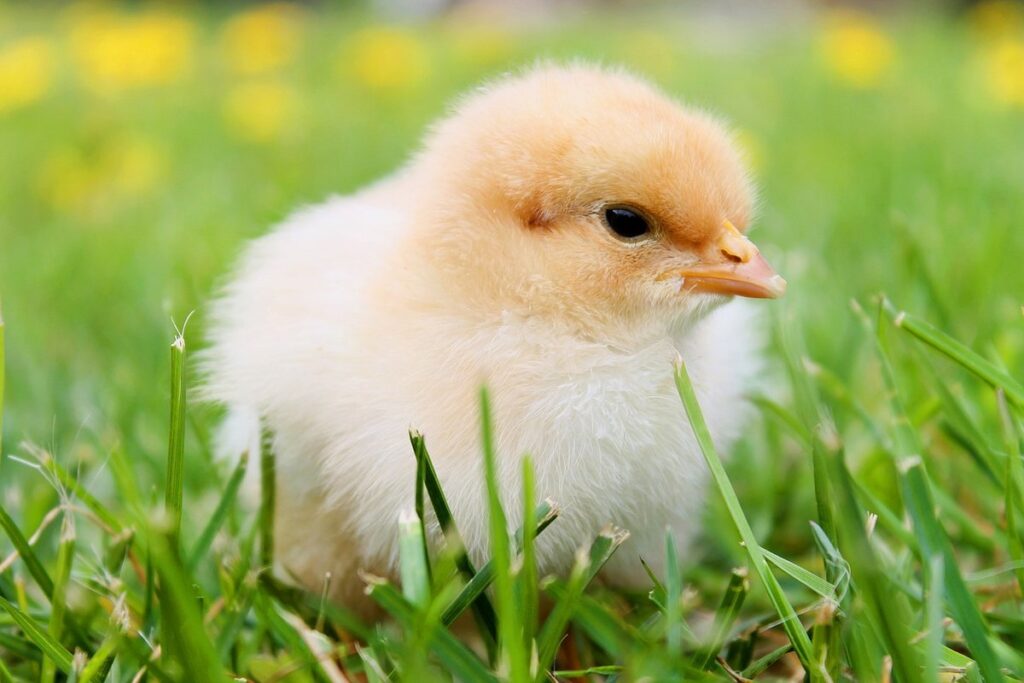
The Basics of Chicken Senses
To truly understand how chickens perceive their surroundings, it’s essential to grasp the basics of their senses and how they work together. Let’s take a closer look at what we know about chicken vision.
How Chickens Perceive Their Environment
Chickens use multiple senses to navigate their surroundings, and understanding how they perceive their environment is essential to appreciating their sense of smell. When it comes to sight, chickens have a wide field of vision, but their depth perception can be a bit limited. However, they make up for this with their keen hearing abilities, which allow them to detect even the faintest sounds.
Balance also plays a crucial role in how chickens perceive their environment. They use their vestibular system to maintain equilibrium and stay upright, even when moving quickly or navigating uneven terrain. But what about smell? Chickens have a highly developed olfactory system, complete with a large olfactory bulb and over 300 million olfactory receptors – far fewer than humans but still impressive.
To understand how chickens’ sense of smell fits into their broader sensory picture, imagine yourself in their coop. You’d be surrounded by the sounds of clucking hens, the rustling of feathers, and the scent of feed and droppings. As you move around the coop, your balance would help you stay upright, while your vision and hearing guide you through the space. Your sense of smell would pick up on the aromas and flavors emanating from the food and surroundings – essential information for a chicken trying to find its next meal or avoid potential threats.
Understanding the Anatomy of a Chicken’s Nose
When it comes to understanding how chickens perceive their environment, it’s essential to start with the basics of their anatomy. The chicken’s nose is responsible for collecting and processing scent information, which plays a crucial role in their sense of smell. Located on either side of the beak, the nostrils are connected to two small openings that lead to the nasal cavity.
Inside this cavity lies the olfactory epithelium, a sensitive membrane where odor molecules bind to specific receptors. This complex system allows chickens to detect and differentiate between various scents. The size and shape of these receptors determine what type of odor molecules can be detected, influencing a chicken’s sense of smell. Interestingly, research suggests that chickens have over 300 million olfactory receptors in their nasal cavity – significantly fewer than humans but still impressive for an avian species.
The unique structure of the chicken’s nose is also designed to protect its sensitive membranes from dust and debris. The nostrils are lined with tiny hairs called vibrissae, which help filter out unwanted particles before they reach the nasal cavity. By understanding this intricate anatomy, we can better comprehend how chickens process scent information and respond accordingly.
The Importance of Smell in Chicken Behavior
Smell plays a crucial role in chickens’ daily lives, influencing their foraging habits and social interactions. Let’s explore how their sense of smell affects their behavior.
Foraging and Food Recognition
Chickens rely heavily on their sense of smell to forage for food and detect potential threats. In fact, studies have shown that chickens can detect the scent of certain plants from over 10 feet away. This incredible ability allows them to sniff out tasty treats like bugs, seeds, and fruits.
When it comes to identifying edible plants, chickens use a combination of their sense of smell and visual cues. For example, they may be drawn to the sweet aroma of ripe fruit or the pungent scent of certain herbs like mint or oregano. However, not all plants are safe for chickens to eat, and some can even be toxic.
To ensure your flock stays safe, it’s essential to teach them which plants are okay to munch on. Start by introducing small amounts of fresh vegetables and fruits in their coop, allowing them to explore and learn through experience. You can also try adding herbs like basil or rosemary to their feed for a flavorful twist. By encouraging your chickens’ natural foraging behavior, you’ll be providing them with essential nutrients and mental stimulation.
Predator Detection and Avoidance
Chickens have an incredible ability to detect potential predators through their sense of smell. This is crucial for their survival and well-being, as it allows them to respond quickly and protect themselves from harm. When a chicken catches a whiff of a predator’s scent, such as a fox or coyote, its nostrils flare and it becomes immediately alert.
In the wild, chickens have developed a keen sense of smell to detect predators at a distance. They can pick up on subtle scents that we might miss, which helps them stay one step ahead of potential threats. Domesticated chickens may not be exposed to as many predators, but they still retain this instinctual ability to detect danger through their sense of smell.
To encourage your flock’s natural predator detection abilities, provide a varied and interesting environment with plenty of hiding spots and visual obstructions. This will help stimulate their senses and keep them on high alert for potential threats.
Do Chickens Have a Developed Sense of Smell?
Chickens have long been observed pecking at and responding to various scents, but do they truly possess a developed sense of smell? We’ll delve into the fascinating world of poultry olfaction.
Comparing Chicken Olfaction to Other Animals
When it comes to olfaction, chickens have some unique characteristics compared to other animals. For instance, their sense of smell is not as developed as that of dogs, which are renowned for their exceptional tracking abilities. Dogs have up to 300 million olfactory receptors, whereas chickens have only around 200-400. This difference in receptor count explains why chickens aren’t nearly as adept at sniffing out food or detecting scents.
However, chickens’ sense of smell is more attuned to certain frequencies than others. Research suggests that they’re particularly sensitive to the low-frequency end of the olfactory spectrum, which includes smells like those found in rotting fruit and vegetables. This unique sensitivity may have evolved as an adaptation for finding food sources that are often hidden beneath vegetation or buried underground.
Interestingly, chickens also exhibit a different pattern of sniffing behavior compared to dogs. Rather than using their nostrils to gather scent particles, chickens tend to use their beaks to take in smells more efficiently.
The Role of Experimentation in Understanding Chicken Olfaction
To truly understand the intricacies of chicken olfaction, researchers employ a variety of methods that delve into both behavioral and anatomical aspects. Behavioral experiments involve observing chickens’ reactions to different scents, such as their ability to locate food sources or detect predators. These studies often utilize controlled environments where variables can be carefully manipulated and measured.
For instance, one study found that chickens were able to distinguish between different types of food based on smell alone, even when the food was obscured from view. Another experiment demonstrated that chickens could detect the presence of a predator through scent, allowing them to take evasive action.
Anatomical studies, on the other hand, focus on the physical structures within the chicken’s nasal cavity and brain. Researchers have identified specific areas responsible for processing olfactory information, including the olfactory bulb and the primary olfactory cortex. By examining these anatomical features, scientists can gain a deeper understanding of how chickens perceive and interpret smells.
These dual approaches provide a comprehensive understanding of chicken olfaction, allowing researchers to identify key differences between chickens’ sense of smell and that of humans or other animals.
The Science Behind Chicken Smell Perception
Let’s dive into the fascinating world of poultry olfaction, where we’ll explore the complex mechanisms behind how chickens perceive and process different smells. We’ll examine the anatomy of a chicken’s nose and its role in detecting odor molecules.
The Biochemistry of Olfaction
When it comes to understanding how chickens perceive their surroundings, especially when it comes to detecting food and predators, the biochemistry of olfaction plays a crucial role. The process begins with odor molecules binding to specialized receptors in the chicken’s nasal cavity. These receptors are embedded in the cilia of olfactory sensory neurons, which are responsible for transmitting scent information to the brain.
The key players in this process are odorant-binding proteins (OBPs) and olfactory receptors (ORs). OBPs help capture volatile organic compounds (VOCs), such as those found in food or scented plants, while ORs recognize specific patterns of VOCs and transmit signals to the brain. For example, chickens have been shown to preferentially respond to certain types of amino acids and fatty acids, which are common components of insects and grains.
The combination of OBPs and ORs enables chickens to detect a wide range of scents, from the sweetness of ripe fruits to the pungency of decaying flesh. This complex biochemical process allows chickens to gather crucial information about their environment, which in turn influences their behavior and foraging decisions.
The Role of the Brain in Processing Scent Information
When we think about chickens and their sense of smell, it’s essential to understand the neural pathways involved in processing scent information. The chicken brain has a unique structure that allows it to interpret and process olfactory data. The main components responsible for this process are the olfactory bulb, the olfactory cortex, and the amygdala.
The olfactory bulb acts as a receiver, detecting chemical particles in the air and transmitting signals to the brain. These signals are then processed by the olfactory cortex, which is responsible for identifying specific scents. The amygdala plays a crucial role in emotional responses associated with certain smells.
In chickens, these neural pathways work together to create a complex system that allows them to detect and respond to various odors. For instance, a chicken’s brain can distinguish between the scent of food, predators, or other birds. This ability is vital for their survival and well-being, allowing them to navigate their environment effectively.
Interestingly, research has shown that chickens’ brains have a larger olfactory bulb than mammals’, indicating their keen sense of smell. Understanding how the chicken brain processes scent information can provide valuable insights into their behavior and help us better appreciate their unique abilities.
The Practical Applications of Understanding Chicken Smell
So you’ve learned that chickens do have a sense of smell, but what does that really mean for your backyard flock? Let’s explore how understanding chicken scent can help you better care for them.
Breed-Specific Traits and Their Impact on Olfaction
When it comes to olfaction, not all chickens are created equal. Different breeds have varying levels of sensitivity and ability when it comes to detecting smells. For instance, some breeds like the Silkies and Polish have a higher concentration of olfactory receptors, which allows them to detect even faint scents.
On the other hand, breeds like the Orpingtons and Plymouth Rock have lower olfactory receptor counts, making them less sensitive to smells. This has significant implications for breed selection and management. For example, if you’re looking to raise chickens for egg production or meat, a breed with a stronger sense of smell may be more effective at detecting pests or disease.
In terms of practical applications, understanding the varying levels of olfaction in different breeds can help you optimize your flock’s performance. For example, you could place Silkies near the coop entrance to detect potential threats before they reach the rest of the flock. By recognizing and leveraging these breed-specific traits, you can create a more efficient and effective chicken management system.
When choosing a breed for your backyard flock, consider their olfactory abilities and how they might impact your specific needs and goals.
Managing Environments to Optimize Chicken Welfare
Creating environments that cater to chickens’ sensory needs is crucial for their overall welfare. Chickens have a highly developed sense of smell, which plays a significant role in their behavior and well-being. To optimize chicken welfare, it’s essential to manage the environment in ways that minimize stress and discomfort caused by odors.
One key consideration is ventilation. Adequate airflow helps reduce ammonia levels, a common cause of respiratory issues in chickens. Installing vents or fans can significantly improve air quality, reducing the risk of health problems. For example, a study on free-range systems found that improved ventilation resulted in a 30% reduction in respiratory disease among hens.
Another critical aspect is scent masking. This involves using natural fragrances to neutralize unpleasant odors. Essential oils like lavender and tea tree oil have been shown to have a calming effect on chickens. However, it’s essential to use these oils judiciously, as excessive concentrations can be overwhelming for the birds.
When designing or modifying an environment, consider the chicken’s sensory needs by providing visual stimulation through perches, plants, and structures that promote exploration. By prioritizing ventilation, scent masking, and enriching environments, you can create a more comfortable space for your chickens to thrive.
Debunking Common Myths About Chicken Smell
When it comes to chicken smell, there are a few misconceptions floating around. Let’s take a closer look at some of these myths and separate fact from fiction.
Separating Fact from Fiction
One common myth surrounding chicken sense of smell is that they are completely anosmic, meaning they have no ability to detect odors. However, this claim has been widely disputed by scientific studies. Research conducted at the University of California, Davis, discovered that chickens possess a highly developed olfactory system, capable of detecting various scents.
Another misconception is that chickens rely solely on their beaks and vision for navigating their environment, dismissing any role for smell in their daily lives. However, this ignores the fact that many species of birds use their sense of smell to locate food sources, potential mates, and predators.
In reality, chickens use a combination of visual, auditory, and olfactory cues to navigate their surroundings. Studies have shown that they can detect specific odors associated with food, such as those produced by fungi or insects. Understanding the role of smell in a chicken’s daily life highlights the importance of providing adequate ventilation and minimizing strong-smelling substances within their enclosure.
Incorporating diverse scents into your flock’s environment can actually promote overall health and well-being.
The Impact of Human Perception on Our Understanding of Chicken Smell
When it comes to understanding chicken smell, our own human biases and perceptions play a significant role. We often rely on anecdotal evidence and personal experiences to inform our assumptions about the world around us, including the sensory abilities of animals like chickens. However, this can lead to skewed perceptions that may not accurately reflect reality.
For instance, if we’ve had negative encounters with strong-smelling chicken farms or have associated certain smells with poor health or unsanitary conditions, we may unconsciously project these biases onto our understanding of chickens’ sense of smell in general. This subjective perspective can hinder our ability to objectively assess the science behind chickens’ olfactory capabilities.
To truly comprehend the nuances of chicken smell, it’s essential to rely on objective research methods and scientific evidence. By separating fact from personal opinion and anecdotal experience, we can gain a more accurate understanding of how chickens perceive their environment through their sense of smell.
Frequently Asked Questions
How can I apply the knowledge of chicken olfaction to improve my flock’s foraging skills?
By understanding how chickens use their sense of smell to locate food, you can create a more effective foraging system for your flock. This might involve adding more plants with strong scents or providing more space for them to search and dig.
Can I train my chickens to rely on visual cues instead of relying on their sense of smell?
While chickens do use vision to navigate their environment, training them to rely solely on visual cues can be challenging. Their natural instinct is to use a combination of senses, including smell, to gather information about their surroundings.
How often should I clean and maintain my flock’s living area to optimize their olfactory health?
Regular cleaning and maintenance are essential for keeping your flock healthy and happy. Aim to clean the coop at least once a week, removing any debris or droppings that can affect air quality and potentially harm your chickens’ sense of smell.
Can breed-specific traits impact a chicken’s sense of smell, and if so, how?
Yes, certain breeds are known to have stronger or weaker olfactory abilities. Research the specific needs and characteristics of your breed to determine whether you need to adjust your management strategies accordingly.
How can I use my knowledge of chicken olfaction to identify potential health issues in my flock?
By paying attention to changes in your chickens’ behavior, such as reduced foraging activity or increased stress levels, you may be able to detect underlying health issues related to their sense of smell. Consult with a veterinarian if you suspect any problems.