
When we think about animal sex and mating behaviors, most people assume that only mammals engage in such intimate acts. However, birds like chickens also have complex courtship rituals and mating habits. As it turns out, chickens do indeed have intercourse, but their reproductive process is quite different from what we’re familiar with in humans or other animals.
In this article, we’ll delve into the fascinating world of chicken sex and explore how they mate. From same-sex behavior to the welfare implications of sexed breeding programs, we’ll examine all aspects of chicken reproduction. We’ll also discuss why understanding these behaviors is crucial for improving chicken welfare and promoting sustainable egg production.
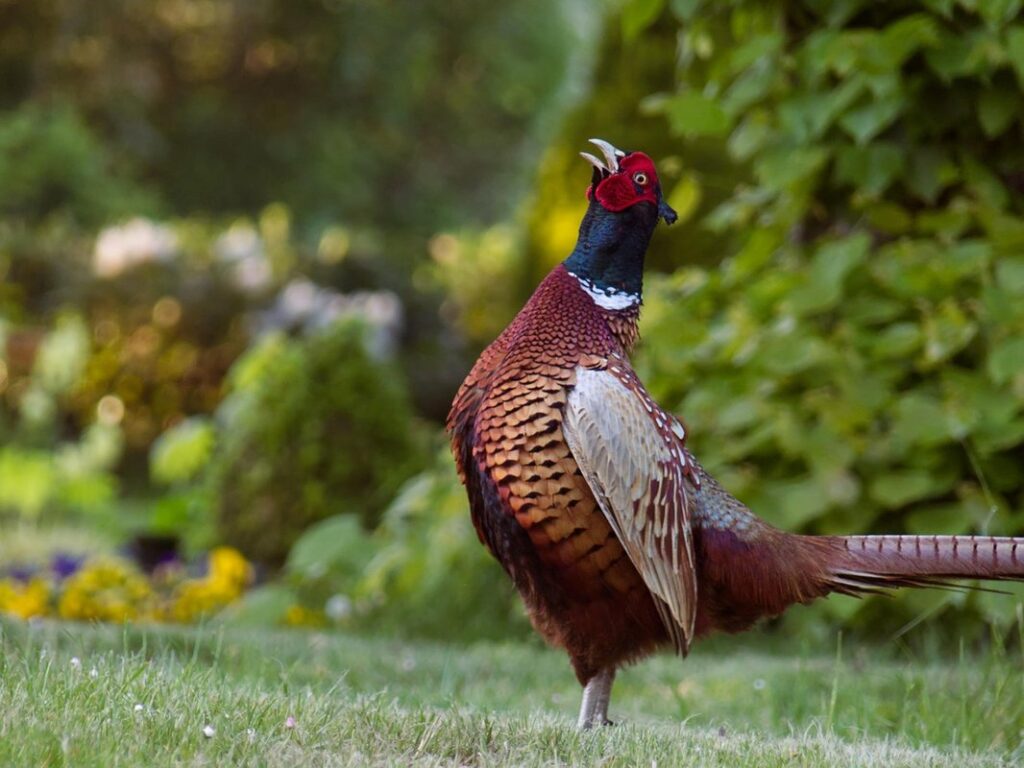
The Biology of Chicken Sex and Mating
To truly understand whether chickens engage in intercourse, we need to delve into the fascinating biology behind chicken sex and mating behaviors. Let’s explore how roosters determine egg-laying hens’ receptiveness.
What Determines a Chicken’s Sex?
So you’re wondering what determines a chicken’s sex? While it may seem like a straightforward question, the answer is actually quite complex. Genetics play a huge role in determining a chicken’s sex, with some breeds being naturally more inclined to produce males or females.
To understand this better, let’s dive into reproductive anatomy. Chickens have a cloaca, which is a multi-purpose opening used for reproduction, digestion, and excretion. Inside the cloaca lies the oviduct (in females) or testes (in males), where eggs are produced or sperm is stored. The sex of a chicken is determined by the presence or absence of this reproductive organ.
Interestingly, a chicken’s sex is also influenced during embryonic development. At around 20 days of incubation, the embryo begins to produce hormones that trigger the formation of either male or female reproductive organs. This process can be affected by factors such as temperature and nutrition, which can influence egg hatchability and chick viability.
This means that breeders and farmers can use these factors to influence sex ratios in their flocks, if needed. For example, incubators are often set at specific temperatures to promote either male or female development.
How Do Chickens Mate?
When it comes to mating behavior in chickens, things can get quite interesting. Chickens are polygynous birds, meaning they have multiple mates throughout their lives. The process of mating involves a complex series of courtship rituals and physical interactions.
During courtship, roosters will typically display their feathers, puff out their chests, and perform strutting behaviors to attract hens. They may also engage in preening, where they clean and groom each other’s feathers. Once a hen is interested, the rooster will mount her from behind, with his cloaca (the external opening of the reproductive system) aligning with hers. This is called cloacal contact, and it’s essential for egg fertilization.
It’s worth noting that chickens don’t have a penis or vaginal canal like mammals do. Instead, they have an oviduct that connects directly to the cloaca, where sperm can fertilize eggs. Roosters will often mate with multiple hens in a single day, while hens typically only mate once or twice per week.
By understanding these behaviors, you can create a suitable environment for your chickens to breed successfully and even intervene if necessary to ensure healthy mating practices.
Can Chickens Engage in Intercourse Outside of Mating Season?
While chickens do have a natural mating season, it’s not impossible for them to engage in intercourse outside of this time. However, their fertility and egg production levels may be affected by the timing.
During peak breeding seasons, hens are more likely to be fertile due to hormonal changes that signal their reproductive readiness. When mating occurs during this time, the fertilization rate is generally higher, resulting in successful incubation of eggs.
However, chickens can still mate outside of their natural breeding season. In fact, many farmers and breeders intentionally introduce roosters to their flocks year-round to stimulate egg production and maintain genetic diversity. This process can be beneficial for commercial operations where consistent egg supply is crucial.
When introducing a rooster to an existing flock, it’s essential to monitor the birds’ stress levels. High stress can negatively impact fertility, so ensure the introduction is done gradually to minimize disruption. Keep in mind that outside of peak breeding seasons, mating may not always result in successful fertilization, which could affect egg production and hatch rates.
The Reality of Chicken Sex and Reproduction
As we explore how chickens reproduce, it’s essential to understand the role of chicken sex, also known as sexing, in determining a chick’s reproductive capabilities. In this next section, we’ll dive into the specifics of chicken reproduction.
How Do Veterinarians Diagnose Sex in Chickens?
When it comes to determining the sex of chickens, veterinarians rely on a combination of physical examination, laparoscopy, and genetic testing. Through these methods, they can accurately identify whether a chicken is male or female.
Physical examination is often the first step in determining a chicken’s sex. Veterinarians look for visual cues such as comb size and shape, wattles, and spur presence. For example, males typically have larger combs and longer wattles than females, while spurs are usually present on roosters but absent in hens.
Laparoscopy is another method used to determine a chicken’s sex. This minimally invasive procedure involves inserting a small camera into the vent of the bird to visualize the reproductive organs. By doing so, veterinarians can directly observe the presence or absence of testes or ovaries.
Genetic testing is also becoming increasingly popular as a means of determining a chicken’s sex. Blood samples are collected and sent to laboratories for analysis, where they’re tested for specific genes that determine sex-linked traits. While genetic testing isn’t foolproof, it can be an effective method when used in combination with other techniques.
What Are the Consequences of Raising Sexed Chicks Together?
Raising sexed chicks together can have several negative consequences for both the birds and their human caregivers. When male and female chicks are housed together, they often engage in stress-inducing behaviors such as pecking, fighting, and chasing. This aggression can be particularly pronounced during courtship displays or when one bird becomes dominant over the other.
For example, research has shown that hens kept with roosters exhibit increased levels of stress hormones, such as cortisol, which can lead to a range of health issues including feather pecking, cannibalism, and egg-laying problems. In addition to behavioral problems, housing males and females together can also lead to reproductive health issues.
For instance, if the sex ratio is not properly balanced or if one bird becomes too dominant, it may force mating on another bird, causing physical trauma and potentially leading to long-term reproductive complications. To avoid these issues, poultry keepers should separate male and female chicks as soon as possible after they hatch, ideally within a few days.
Can Chickens Engage in Same-Sex Behavior?
While chickens are often associated with traditional breeding practices, they can indeed exhibit same-sex behavior. This phenomenon is more common than you might think and involves various forms of affection and interaction between hens.
Mounting, for instance, is a behavior where one hen will climb onto another’s back or rear end. While it may seem like an odd sight at first, mounting among hens is often a sign of dominance or courtship rather than aggression. In some cases, this behavior can be accompanied by cloacal contact – when the birds touch their cloaca, which is the multi-purpose opening used for reproduction, digestion, and excretion.
Researchers have observed that these behaviors are not limited to specific breeds or ages, but rather seem to occur naturally among hens in general. So, what does this mean for chicken owners? Well, if you’re observing mounting behavior between your hens, it’s essential to ensure they’re receiving adequate space, social interaction, and stimulation. Providing a safe and nurturing environment can help reduce stress and promote healthy behavior among your flock.
It’s worth noting that some farmers are now capitalizing on this natural tendency by breeding groups of hens specifically for their affectionate nature. By doing so, they create ideal environments where birds can interact freely, leading to healthier and happier flocks overall.
The Ethics of Chicken Sexing and Breeding
When it comes to chicken sexing and breeding, we need to consider the ethics behind these practices that prioritize efficiency over animal welfare. Let’s dive into the moral implications of modern poultry farming.
Why Is Sexing Chickens a Common Practice?
Sexing chickens is a common practice because it allows farmers to determine the reproductive sex of their birds, which is crucial for meeting consumer demands. For example, hens are required to produce 280-300 eggs per year, and roosters are needed to breed new generations. However, not all farms have the space or resources to raise both sexes, so sexing chickens helps farmers optimize their operations.
In addition to egg production, chicken sexing also impacts meat quality. Roosters are typically slaughtered at a younger age than hens, which can affect the tenderness and flavor of the meat. Farmers may choose to cull roosters if they don’t have space for them in their breeding program or if they’re not interested in raising males.
Space efficiency is another significant factor in chicken sexing. Roosters require more space per bird than hens, as they need room to establish dominance and engage in aggressive behavior. By sexing chickens early on, farmers can allocate resources more effectively and reduce the risk of cannibalism or other social problems that can arise when males are housed together.
What Are the Welfare Implications of Sexed Breeding Programs?
Sexed breeding programs have raised concerns about their impact on chicken welfare. One of the primary issues is stress caused by selection pressure and genetic manipulation. Chickens are subjected to intense scrutiny during sexing, which can lead to anxiety and stress levels increasing.
Confinement is another significant concern in sexed breeding programs. Hens, for example, are often isolated from roosters due to genetic testing. This confinement can cause boredom, reduced egg-laying productivity, and a higher risk of disease transmission. In contrast, free-range hens are able to roam freely and engage in natural behaviors like pecking and scratching.
The selection pressure exerted by sexed breeding programs also raises questions about animal welfare. Breeders often prioritize traits such as egg production over others like temperament or health, leading to unintended consequences on chicken behavior. For instance, some breeds may exhibit aggressive behavior towards humans due to selective breeding for egg-laying capacity.
Can Sustainable and Humane Chicken Farming Practices Be Implemented?
While it’s clear that chickens do not engage in intercourse as humans understand it, many of us still want to know if there’s a way to raise them more humanely. The good news is that sustainable and humane chicken farming practices can be implemented, prioritizing animal welfare above all else.
Take free-range systems, for instance. These allow hens to roam freely outdoors, engaging in natural behaviors like scratching, pecking, and dust bathing. By giving them access to fresh air, sunlight, and space to exercise, you’re promoting their physical and mental well-being. Organic feed is another key aspect – choosing non-GMO grains and avoiding antibiotics ensures the chickens aren’t subjected to unnecessary chemicals.
Reduced slaughter rates are also crucial in humane farming practices. Consider adopting a “no-kill” policy or implementing more efficient breeding programs that minimize waste. Case in point: some farms are opting for “layer hens,” which live up to 5 years longer than conventionally raised birds, producing eggs at the same rate.
To implement these changes, start by researching local regulations and laws regarding animal welfare. Collaborate with like-minded farmers or join a sustainable farming community to share knowledge and best practices. By making a few simple adjustments, you can significantly improve the lives of your chickens – and the quality of their eggs!
The Science Behind Chicken Sex Determination
So, you’re curious how chicken sex is determined – it’s actually a fascinating process that has to do with something called embryonic development and specific physical characteristics. Let’s dive into the details.
How Do Genetic Factors Influence Sex in Chickens?
Genetic factors play a crucial role in determining the sex of chickens. Sex chromosomes, specifically the Z and W chromosomes, are responsible for determining an individual’s sex. In chickens, females have two Z chromosomes (ZZ), while males have one Z and one W chromosome (ZW). This fundamental difference influences various aspects of their biology and behavior.
Hormones, particularly testosterone and estrogen, also play a vital role in sex determination. Testosterone promotes male characteristics, such as comb growth and aggression, whereas estrogen fosters female traits like egg-laying ability and broodiness. Gene expression, the process by which genes are turned on or off, is another critical factor that influences an individual’s sex.
For instance, some breeds exhibit a phenomenon called “sex-linked inheritance,” where specific traits are linked to particular sex chromosomes. This means that breeders can predict an individual’s sex based on its genetic makeup. Understanding these genetic factors not only helps breeders select desirable traits but also contributes to the understanding of chicken biology and behavior.
What Is Known About the Neurobiology of Mating in Chickens?
When it comes to mating behavior in chickens, researchers have made some fascinating discoveries about the neurobiology involved. One key factor is testosterone, a hormone that plays a crucial role in sexual development and behavior in both males and females. Studies have shown that testosterone levels surge in male chickens during courtship, influencing their aggression and dominance displays.
But what’s equally interesting is the involvement of vasotocin, a neuropeptide that helps regulate social bonding and attachment behaviors in birds. Research suggests that vasotocin levels increase in both males and females when they form pair bonds with each other. This highlights the importance of social learning in mating behavior – chickens learn to recognize and interact with potential mates through visual and auditory cues.
For example, a study found that male chickens exposed to a receptive female’s vocalizations showed increased vasotocin levels and displayed more courtship behaviors. This suggests that social learning plays a significant role in determining the neurobiology of mating in chickens. Understanding these mechanisms can provide valuable insights for breeders looking to optimize breeding programs or improve animal welfare.
Chicken Sexing Methods: A Critical Review
We’re going to dive into the complex world of chicken sexing methods, a crucial aspect of understanding chicken reproduction and behavior. Let’s examine these techniques up close.
How Accurate Are Visual Sex Determination Techniques?
Visual sex determination techniques have long been used by chicken breeders and farmers to identify the sex of chicks at a young age. While these methods can be effective, their accuracy is not without question. For instance, feather pattern and comb size are often used as indicators of sex, but they can be misleading. Male chickens typically exhibit a longer comb and more pointed feathers on their tail, while females tend to have shorter combs and rounder tails. However, there’s considerable overlap between the sexes, making it difficult to rely solely on these characteristics.
Moreover, cloacal characteristics are also used to sex chicks. The male’s cloaca is usually larger and more prominent than the female’s, but this too can be variable. Some studies have shown that visual sexing techniques are accurate in around 90% of cases, but this leaves a significant margin for error. To improve accuracy, breeders often use a combination of these methods or supplement them with other techniques, such as vent sexing. By understanding the limitations of visual sex determination techniques, farmers and breeders can make more informed decisions when it comes to managing their flocks.
What Are the Limitations of Hormone-Based Sexing Methods?
Hormone-based sexing methods have been widely used to determine the sex of chickens. However, these methods come with their own set of limitations. One significant limitation is that hormone levels can fluctuate due to stress, making it challenging to accurately determine the sex of a chicken.
For instance, when a chicken experiences stress, its hormone levels can drop or rise unpredictably. This means that even if a chicken appears to be estrogen-positive, its hormone levels may change once it’s removed from the stressful environment. Additionally, suppressing certain hormones in chickens can also lead to inaccurate results.
Moreover, relying on hormone-based sexing methods can pose health risks for the chickens themselves. Hormone suppression or overstimulation can cause a range of issues, including reproductive problems and impaired growth rates. This is why many experts advocate for more reliable and humane sexing methods that don’t rely solely on hormonal indicators.
It’s essential to note that these limitations apply not just to commercial chicken farming but also to backyard chicken keepers who want to accurately determine the sex of their birds.
Conclusion: Separating Fact from Fiction
Now that we’ve explored the complexities of chicken mating habits, let’s get to the heart of what really matters: separating fact from fiction and what it all means for you.
Recap of Key Findings on Chicken Sex and Mating
As we conclude our exploration into the fascinating world of chicken mating behaviors, let’s revisit the key takeaways. Chicken sex determination is far from a simple matter of male-female classification. In fact, most commercial breeds exhibit genetic sexing, where only males develop testes and possess an XY chromosome pair.
Mating behavior in chickens also defies simplistic assumptions about intercourse. Hens may engage in pseudo-copulation, a complex courtship ritual involving neck-twisting, cloacal contact, and strutting displays. Breeders must recognize these behaviors to facilitate successful mating and breeding programs.
Interestingly, some chicken breeds exhibit sex-reversed traits, where females can possess male plumage characteristics or vice versa. This has significant implications for breed selection and development. By understanding the intricacies of chicken sex determination and mating behavior, poultry enthusiasts can improve their chances of producing healthy, viable offspring.
Final Thoughts on Promoting Humane and Sustainable Chicken Farming Practices
As we conclude our exploration of whether chickens engage in intercourse, it’s essential to take a step back and consider the broader implications of chicken farming practices. The way we raise and treat chickens has far-reaching consequences that extend beyond their reproductive behaviors.
Animal welfare is a critical concern in the poultry industry. Chickens are intelligent, social creatures that deserve our compassion and respect. By prioritizing animal welfare, farmers can create more humane living conditions for their flocks, reducing stress and promoting better health outcomes. This not only improves the quality of life for chickens but also benefits human consumers through improved food safety and nutritional quality.
To promote more sustainable chicken farming practices, consider supporting local farms that prioritize regenerative agriculture methods, such as rotational grazing and permaculture. These approaches foster biodiversity, soil health, and efficient water use – all while reducing greenhouse gas emissions and creating healthier ecosystems.
Frequently Asked Questions
Can I raise chickens without knowing their sex?
Yes, it’s possible to keep a mixed flock with roosters and hens together, but it requires careful management. Ensure you have enough space for all birds, provide adequate shelter and protection from predators, and be aware of potential conflicts between individuals.
How can I determine the sex of my existing chickens without taking them to a veterinarian?
Visual inspection is not always accurate, especially in young chickens. However, experienced breeders use a combination of physical characteristics and behavior to estimate sex. For example, males tend to be larger and develop combs earlier than females.
What are some common mistakes people make when introducing new birds to an existing flock?
When integrating new birds into your flock, it’s essential to do so gradually and under close supervision. Avoid sudden changes or forcing birds together too quickly, as this can lead to stress and aggression.
How can I promote humane and sustainable chicken farming practices on my own farm?
Implementing humane and sustainable practices requires a commitment to continuous improvement. Start by researching local regulations, consulting with experts, and exploring innovative methods for improving welfare and reducing environmental impact.
What role do genetics play in determining sex in chickens?
Genetics play a significant role in determining the sex of chickens, particularly during embryonic development. Some breeds are naturally more inclined to produce males or females due to genetic predispositions, making sex determination an essential consideration for breeders.