
If you’re thinking of adding some feathered friends to your backyard, one question is likely on your mind: do chickens need a cockerel to lay eggs? While it’s true that many chicken keepers assume roosters are essential for egg production, the reality is a bit more complicated. Not only can hens produce eggs without a male companion, but the presence of a cockerel can also have both positive and negative effects on your flock’s dynamics and overall health.
In this article, we’ll explore the impact of cockerels on egg production, stress levels, and social behavior in backyard chickens. We’ll delve into the benefits and drawbacks of having a rooster in your flock and provide you with a clear understanding of whether or not hens truly need a male companion to lay eggs effectively. Whether you’re an experienced chicken keeper or just starting out, this information is essential for creating a harmonious and productive backyard flock.
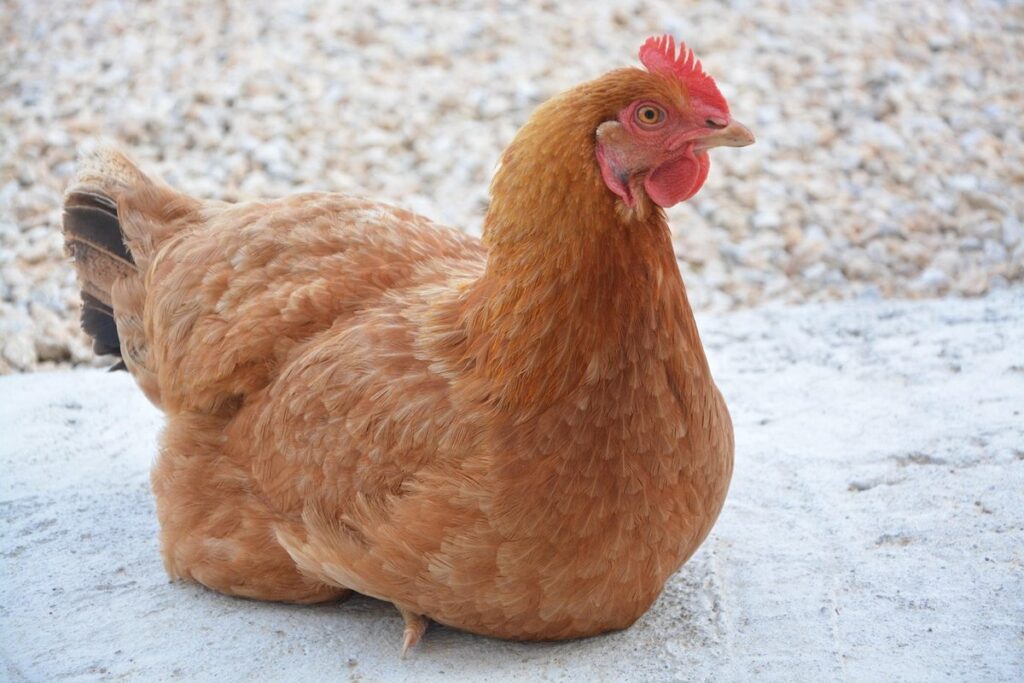
The Importance of Cockerels in Chicken Flocks
Many backyard chicken keepers have questions about whether a cockerel is necessary to encourage egg-laying, so let’s explore the importance of these birds in chicken flocks.
Role of Cockerels in Roosters and Pullet Interaction
When it comes to integrating a cockerel into your flock, one of the most important considerations is its interaction with pullets (young hens) and the overall social dynamics of the group. A well-behaved and properly introduced cockerel can be beneficial for young hens as they mature.
In terms of aggression, it’s true that some cockerels may display aggressive behavior towards pullets, especially if not raised together or if there is a size difference between them. However, this doesn’t necessarily mean you need to keep the two apart entirely. A well-socialized and experienced rooster can actually help protect younger hens from predators.
To minimize aggression and ensure a harmonious flock, it’s essential to introduce the cockerel gradually and under close supervision. This may involve keeping them separated for some time before allowing them to mingle freely. By doing so, you can prevent any potential conflicts from escalating into more serious issues. With proper introduction and management, a cockerel can be an excellent addition to your flock, offering protection and companionship for your pullets as they mature.
Benefits of Keeping a Cockerel for Egg Laying Hens
Keeping a cockerel can have several benefits for your egg-laying hens. One of the most significant advantages is improved egg production. With a rooster present, hens tend to lay more eggs and do so consistently. This is because the presence of a male helps to regulate the hen’s reproductive cycle, stimulating her to produce eggs regularly.
In addition to increased egg production, keeping a cockerel can also reduce stress on your hens. A single rooster can help to defend against predators and other threats, allowing your hens to focus on laying eggs rather than constantly looking over their shoulders. This reduced stress can lead to a healthier flock overall, with birds that are more energetic and productive.
In fact, research has shown that flocks with a cockerel present tend to have higher egg production rates and better overall health compared to those without. For example, one study found that hens in a flock with a rooster produced an average of 10-15% more eggs per year than those in a flock without a male.
By keeping a cockerel as part of your flock, you can reap these benefits and enjoy a more productive and stress-free flock. When selecting a rooster, choose one that is friendly, energetic, and has good breeding instincts to ensure the best results for your hens.
The Effects of a Cockerel’s Presence on Egg Production
The presence of a cockerel can have both positive and negative effects on egg production, depending on several key factors. Let’s explore how your flock is likely to be affected.
Impact on Egg Laying Frequency and Quality
The presence of a cockerel can indeed impact the egg-laying frequency and quality of hens. In fact, research suggests that the introduction of a rooster can stimulate hens to lay eggs more frequently. This is often due to the instinctual drive for hens to breed, which triggers an increase in reproductive hormones, ultimately leading to more frequent egg laying.
One key observation is that the presence of a cockerel tends to promote healthier and stronger egg-laying habits in hens. Studies have shown that eggs laid by hens in the presence of a rooster exhibit better quality and characteristics, including larger size and thicker shells. This improvement can be attributed to the rooster’s role in stimulating the hens’ reproductive cycle.
However, it is essential to note that individual hen personalities and breed-specific traits may influence this dynamic. In some cases, a single cockerel can be sufficient to stimulate egg laying in multiple hens. Conversely, too many roosters can lead to stress among hens, potentially reducing egg production overall. A general rule of thumb is to maintain a ratio of one cockerel for every 10-15 hens to maximize the benefits while minimizing potential drawbacks.
Stress Reduction and Improved Flock Dynamics
When you introduce a cockerel into your flock, one of the most noticeable benefits is the reduction in stress among your hens. Without the presence of a dominant male, hens can become anxious and competitive, leading to tension within the group. A cockerel helps to establish a more peaceful hierarchy, allowing each hen to feel secure and relaxed.
This reduced stress translates into improved flock dynamics. Hens are free to forage and engage in natural behaviors without being constantly on guard or competing for dominance. As a result, you may notice increased egg production, as hens are better able to focus on laying eggs rather than vying for status within the group.
To maximize these benefits, it’s essential to choose a calm and gentle cockerel that will complement your flock’s personality. With proper introduction and management, you can create a harmonious and thriving environment where all members of your flock feel happy and relaxed.
Can Hens Lay Eggs Without a Cockerel?
One of the most common questions new chicken keepers ask is whether hens can lay eggs without a male, and we’ll explore this myth-busting topic in more detail below. Let’s take a closer look at what science has to say about it.
Factors Affecting Egg Production in Hen-only Flocks
When it comes to egg production in hen-only flocks, several factors come into play. One of the most significant influences is age. Hens typically begin laying eggs at around 18-24 weeks of age, and their production will gradually decline as they mature. On average, a healthy hen can lay around 280-300 eggs per year.
Nutrition also plays a critical role in egg production. A balanced diet that includes essential nutrients like protein, calcium, and vitamins is crucial for maintaining optimal egg-laying performance. Laying hens require around 16-18% protein and 3.5-4% calcium in their feed to produce healthy eggs. Providing supplements or adjusting the feed can make a significant difference.
Environmental factors also impact egg production. Hens need adequate space, ventilation, and lighting to thrive. Overcrowding can lead to stress, which negatively affects egg-laying performance. A well-designed coop with proper perches, nesting boxes, and feeding areas is essential for maintaining healthy hens.
Comparison of Egg Production Between Hen-Only and Flock-with-Cockerel Systems
In reality, many backyard chicken keepers have observed that hen-only flocks can be just as productive as those with a cockerel present. However, there are some differences worth noting when it comes to egg production.
Studies have shown that hens laid an average of 280-300 eggs per year in commercial flocks without the presence of a rooster. In contrast, flocks with a small number of cockerels averaged around 250-260 eggs per year. While these numbers might not seem like a significant difference, they can add up over time.
One key factor to consider is the age and health of your flock. A well-balanced hen-only flock with older hens (around 2 years or more) may be more productive than one with younger hens and a rooster. This is because older hens tend to have better egg-laying performance and are less likely to develop reproductive issues.
In practice, what this means for backyard chicken keepers is that they can either choose to keep their flock without a cockerel or introduce one later in life (around 1-2 years) when the existing hens are established.
Do Hens Need a Cockerel for Reproduction?
When it comes to getting your hens to lay eggs, you might be wondering if they need a cockerel present in the flock. Let’s explore this crucial aspect of chicken reproduction.
The Role of Cockerels in Breeding Programs
In breeding programs, cockerels play a vital role in maintaining genetic diversity and promoting healthy reproduction within a flock. By introducing new bloodlines, breeders can reduce the risk of inherited diseases and improve overall fertility rates. Cockerels are used to mate with select hens, creating offspring that combine desirable traits from both parents.
This practice is particularly important for small-scale backyard flocks or heritage breed enthusiasts who want to preserve genetic integrity. For example, a breeder might introduce a new cockerel from a distant lineage to infuse fresh genetics into their flock. This helps to mitigate the effects of inbreeding and maintain a healthy gene pool.
To incorporate this strategy into your own breeding program, consider selecting a mix of purebred and hybrid lines to ensure genetic diversity. Introduce new bloodlines gradually, allowing the flock to adapt and minimizing the risk of disease transmission. Regular health checks and monitoring can help identify potential issues early on. By incorporating cockerels into your breeding program, you’ll be better equipped to maintain a thriving, healthy flock for generations to come.
Alternatives to Using Cockerels in Breeding Programs
If you’re considering alternative methods for breeding chickens without using a cockerel, there are several options available. One such method is artificial insemination (AI), which involves collecting semen from a male chicken and then injecting it into the reproductive tract of a hen. This process can be performed by experienced breeders or veterinarians with specialized training.
Another alternative to traditional breeding with a cockerel is embryo transfer, where an embryo is transferred from one chicken’s reproductive system to another. This method requires advanced technology and expertise but has been successfully used in commercial poultry production.
For small-scale backyard breeders, hand-mating may be a feasible option, although it requires careful consideration of the risks involved. Regardless of the chosen method, thorough research and planning are essential to ensure successful reproduction without compromising the health or well-being of your chickens.
Proper handling and care of both male and female chickens during breeding is crucial. This includes providing suitable living conditions, nutrition, and health checks to minimize stress and prevent potential complications.
Health Considerations for Hens with a Cockerel
When keeping hens with a cockerel, it’s essential to consider the health implications on your flock. This includes potential stressors and breeding-related complications that may arise.
Disease Transmission and Prevention
When it comes to raising chickens, one crucial aspect of their health is often overlooked: disease transmission. The presence of a cockerel can inadvertently increase the risk of disease among hens, particularly respiratory infections and parasitic infestations.
Respiratory infections are a common issue in backyard flocks, and having multiple males can exacerbate the problem. When several cockerels interact with each other and the hens, they spread bacteria and viruses through their droppings, beaks, and feathers. This can lead to outbreaks of diseases like bronchitis, pneumonia, and tracheitis. For example, a study by the University of California found that flocks with multiple males were more likely to develop respiratory problems than those with only hens.
Parasitic infestations are another concern when cockerels are present. Mites, lice, and fleas can thrive in environments where there’s an abundance of dust, debris, and feathers – all of which can be exacerbated by the presence of multiple males. These external parasites can cause discomfort, stress, and even lead to secondary infections.
To mitigate this risk, it’s essential to maintain good flock hygiene, provide a clean living environment, and monitor your birds’ health regularly. If you do decide to keep a cockerel, ensure he’s kept separate from the hens during times of peak disease prevalence (usually winter) and implement preventative measures such as dust baths and regular parasite control.
Importance of Vaccination and Biosecurity Measures
When it comes to raising backyard chickens, one of the most crucial aspects is maintaining their health and well-being. If you’re planning to introduce a cockerel to your flock, it’s essential to understand that they can transmit diseases to hens through contact or airborne pathogens. This is where vaccination and biosecurity measures come into play.
Vaccination is a proactive approach to protecting your hens from common poultry diseases such as Newcastle disease, Infectious Bronchitis, and Avian Influenza. However, vaccines are not 100% effective and may have side effects. Therefore, it’s equally important to implement robust biosecurity measures to prevent the spread of diseases.
Some practical steps you can take include:
* Keeping your flock isolated from other birds, especially those that may be infected
* Implementing regular cleaning and disinfection protocols for coops and equipment
* Ensuring proper ventilation in your coop to reduce the concentration of airborne pathogens
* Monitoring your hens’ behavior and health closely, and seeking veterinary advice promptly if you notice any signs of illness.
Conclusion: Do Chickens Need a Cockerel to Lay Eggs?
Now that we’ve weighed the pros and cons of keeping a cockerel, let’s summarize what it all means for your egg-laying flock.
Recap of Key Findings and Recommendations
In recap, our exploration of whether chickens need a cockerel to lay eggs has led us to some fascinating conclusions. Let’s review the key findings and recommendations for backyard chicken keepers and farmers.
Our analysis reveals that the presence of a cockerel does not directly impact egg production in hens. In fact, studies have shown that egg-laying rates remain relatively consistent regardless of whether a rooster is present or not. This challenges the common myth that hens will only lay eggs if they’re kept with a cockerel.
However, there are some nuances to consider. For instance, research suggests that hens may be more stressed in the absence of a rooster, which can potentially lead to reduced egg production and overall flock health. On the other hand, having multiple roosters in a flock can lead to increased aggression and fighting among the males, ultimately decreasing egg production.
In practical terms, this means that chicken keepers can choose to raise hens without cockerels if they so desire. However, it’s essential to provide a suitable environment for your flock, including adequate space, social interaction, and stress management strategies. This might involve introducing alternative flock members or incorporating enrichment activities to minimize stress levels.
In terms of recommendations, backyard chicken keepers can consider the following:
* Provide at least 10 square feet per hen in a coop or enclosure.
* Ensure access to fresh air, sunlight, and exercise opportunities daily.
* Consider introducing companion animals like ducks or geese to help alleviate stress among hens.
* Regularly monitor flock dynamics and adjust management strategies as needed.
By implementing these measures, chicken keepers can create a harmonious and healthy environment for their laying hens – with or without the presence of a cockerel.
Frequently Asked Questions
What are the best ways to introduce a cockerel to an existing flock of hens?
Introducing a new cockerel can be challenging, especially if your current flock is established. To minimize stress and ensure a smooth transition, consider introducing the cockerel at night when it’s quieter in the coop, and start with visual introductions through a fence or divider before letting them interact freely.
Can I use a cockerel for breeding purposes without having to keep it in the same flock as my egg-laying hens?
Yes. In fact, separating your rooster from your laying hens can be beneficial if you’re planning to breed chickens. This setup allows you to manage your breeding program more efficiently and prevents potential conflicts within the flock.
How do I determine whether a cockerel is causing more stress than benefits in my backyard flock?
Monitor your flock’s behavior, egg production, and overall health. If introducing a cockerel leads to reduced egg laying, increased aggression, or signs of stress among hens, it might be worth considering separating the rooster from the rest of the flock.
Are there any specific breeds that are more suitable for small backyard flocks with limited space?
Yes. Some chicken breeds, such as Leghorns and Polish, are generally quieter and less aggressive than others. When choosing a breed for your small backyard flock, consider selecting birds known for their calm temperament to ensure a peaceful environment.
How often should I inspect my flock’s health and overall well-being when keeping roosters and hens together?
Regular inspections are crucial in any backyard chicken-keeping setup. Check your flock at least once a week for signs of illness, injury, or stress. Ensure they have access to clean water, balanced feed, and adequate space within the coop and run.