
When it comes to chicken mating habits, many of us assume that they mate for life like some other birds. But do chickens really take monogamy seriously? The answer is more complex than you might think. While some breeds of roosters are known to form long-term pair bonds with their hens, others are not so loyal. In fact, polygyny – where one male mates with multiple females – is a common mating strategy in many chicken species. So, what drives this behavior? And can chickens truly be considered monogamous? As we delve into the world of chicken courtship and pair bonding, you’ll learn the fascinating truth about how roosters choose their mates and whether or not they stick by them for life.
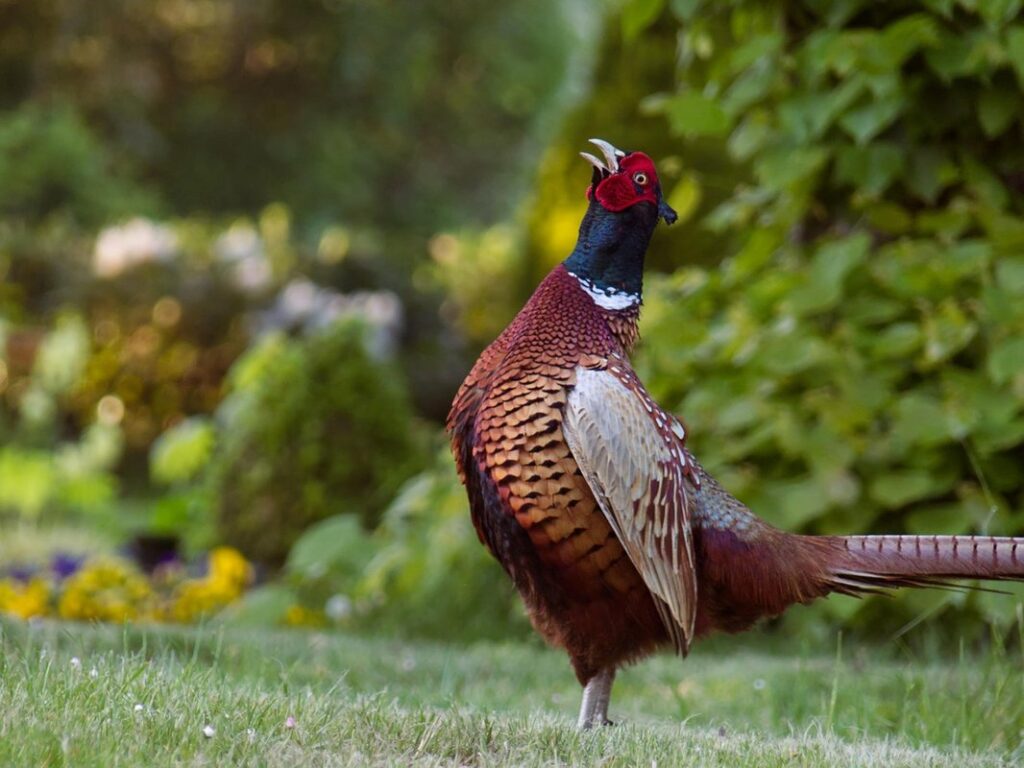
Understanding Chicken Mating Habits
When it comes to chicken mating habits, you might wonder if they’re as romantic as their human counterparts, so let’s dive into the details of how chickens pair up. We’ll explore what factors influence these pairings and what happens over time.
Monogamous vs. Polygynous Birds
Chickens are often perceived as monogamous birds that mate with their partners for life, but this is not entirely accurate. In reality, chickens exhibit polygynous mating habits during breeding season. This means that males will mate with multiple females, increasing the chances of successful fertilization and population growth.
In nature, a dominant rooster may mate with up to 10 or more hens in a single day, depending on his age and fertility level. He will typically choose hens that are most fertile and in prime breeding condition, often selecting those that have already laid eggs. This behavior is crucial for the survival of the flock, as it allows the dominant rooster to spread his genetic material and ensure the continuation of the flock.
It’s essential to remember that chickens’ mating habits can vary depending on factors like breed, age, and living conditions. If you’re a backyard chicken keeper, you may notice your rooster’s polygynous behavior firsthand. By understanding these natural mating habits, you can better manage your flock and create a healthy environment for your birds to thrive in.
Factors Influencing Mating Behavior
When it comes to a rooster’s ability to mate, several factors come into play. Age is one of the most significant influencers, as a young rooster may not have fully developed its mating skills until around six months old. On the other hand, older roosters tend to lose their vigor and may struggle to mate effectively.
The health of the rooster also plays a crucial role in its ability to mate. A sick or injured rooster will often be unable to perform its natural behaviors, including mating. In fact, research has shown that even mild stressors can impact a rooster’s fertility.
Social hierarchy within the flock is another key factor influencing mating behavior. Dominant roosters tend to get priority access to hens, leaving subordinate birds waiting for their turn. This pecking order can also lead to aggressive behavior from dominant birds towards those lower down in the social ladder.
In a backyard setting, understanding these factors can help you manage your flock and ensure that every bird gets the opportunity to mate successfully. By introducing new roosters at an optimal age and ensuring they are healthy, you can create a balanced flock where mating is encouraged rather than restricted.
Can Chickens Form Long-Term Pair Bonds?
While many people assume chickens mate for life, some interesting research suggests that they may not always be as loyal as we think. In this next section, let’s take a closer look at whether chickens can form long-term pair bonds.
Observations of Roosters and Hens
Many backyard chicken keepers have observed that roosters can form strong bonds with specific hens, often choosing to mate with and guard only one or a few females throughout their lives. These pairings are not just limited to the breeding season; some roosters have been known to remain loyal to their chosen hen for multiple seasons.
In one notable example, a breeder reported that her dominant rooster, Max, had formed a close bond with a specific hen named Luna. For several years, Max would aggressively defend Luna from other hens and even from predators, demonstrating a level of attachment that went beyond mere mating instinct.
When it comes to forming these long-term pair bonds, breeders can take steps to encourage them. This includes introducing young roosters to specific hens at an early age, allowing them to develop familiarity and trust. Additionally, providing a safe and stress-free environment can help promote bonding between individual birds. By fostering these relationships, chicken keepers may be able to observe long-term pair bonds that are both heartwarming and beneficial for the overall health of their flock.
Brain Structure and Mate Choice
Research suggests that brain structure plays a significant role in a rooster’s mate choice. Studies have found that certain regions of the brain, such as the telencephalon and cerebellum, are responsible for processing visual and social information. These areas are particularly developed in roosters, which could indicate an innate tendency to prioritize visual cues when selecting mates.
In chickens, the size and complexity of the hypothalamus also appears to influence mating behavior. The hypothalamus is involved in regulating hormone production, including testosterone, which drives male courtship behaviors. Roosters with larger or more developed hypothalami tend to exhibit more intense mating behaviors, such as crowing and strutting.
Interestingly, some research suggests that genetic factors may also play a role in shaping a rooster’s mate choice. A study on red junglefowl found that individual birds tended to prefer mates with specific feather coloration patterns. This could imply an innate recognition of certain visual cues or preferences, which are then reinforced through experience and learning.
While we can’t directly ask a rooster about its mating preferences, understanding the underlying neurobiology provides valuable insights into their behavior. By recognizing these factors, breeders may be able to select for desirable traits in breeding programs, potentially leading to more successful pair bonds.
What Does “Mate for Life” Mean in Chickens?
So, what exactly does it mean when we say that chickens are monogamous and mate for life? In this context, it’s not just a romantic notion, but rather a complex behavior shaped by their natural instincts.
Misconceptions and Expectations
When it comes to chicken mating habits, many people assume that chickens are faithful partners for life, just like humans. However, this notion is not entirely accurate. While some breeds of chickens do form long-term pair bonds, others may change mates frequently.
One common misconception is that a single rooster can mate with multiple hens without any issues. In reality, introducing new roosters to an existing flock can lead to stress and aggression among the birds. This can also disrupt the social hierarchy within the group, causing problems for both the chickens and their owners.
Another myth is that chickens will always choose a mate based on compatibility or affection. While some breeds may form strong bonds with their partners, others may prioritize convenience, availability, or even food sources when selecting a mate. It’s essential to understand these complex dynamics to provide the best care for your flock and ensure a harmonious coop environment.
In practical terms, if you’re considering introducing new chickens to an existing flock, it’s crucial to monitor their behavior and adjust accordingly. By recognizing and addressing these common misconceptions, you can create a more balanced and stress-free living situation for all your feathered friends.
The Role of Social Learning in Mate Choice
When it comes to selecting a mate, social learning plays a significant role in shaping a rooster’s preferences. This means that a rooster’s choice of partner is influenced by the interactions and experiences he has with other birds throughout his life. For example, if a young rooster grows up watching an older, more dominant rooster pair with a particular hen, he may learn to associate that hen as a desirable mate.
In fact, studies have shown that roosters who are raised in groups tend to be more choosy and demanding when it comes to selecting a partner, whereas those raised alone or with limited social interaction may not exhibit the same level of preference. This suggests that social learning is an essential factor in shaping a rooster’s mate choice.
If you’re raising chickens for breeding purposes, understanding this aspect of their behavior can help you make informed decisions about introducing new birds to your flock. For instance, if you notice that one rooster consistently seems attracted to a particular hen, it may be worth considering separating them to give the relationship a chance to develop naturally.
Chicken Mating Behavior vs. Human Marriage
When it comes to romance and commitment, we often look to our own relationships for comparison – but can human marriage really teach us anything about chicken mating behavior? Let’s explore some interesting parallels.
Comparing the Two
When comparing chicken mating habits to human marriage, it’s fascinating to note the significant differences that exist between these two seemingly disparate concepts. While humans often enter into lifelong commitments with their partner, chickens take a more straightforward approach to reproduction.
One key difference is that chicken mating is largely driven by instinct and survival instincts, whereas human relationships are heavily influenced by emotions, social norms, and personal values. Chickens will mate with multiple partners throughout their breeding season, without the need for emotional attachment or long-term commitment. In contrast, humans often form deep emotional bonds with their partner, which can be a significant factor in their decision to marry.
By studying chicken mating habits, we can learn valuable lessons about the importance of flexibility and adaptability in relationships. Chickens are not bound by societal expectations or traditional norms; they simply respond to their natural instincts and environmental cues. This approach can teach us to be more open-minded and accepting of changing circumstances in our own relationships.
In fact, observing chickens in their natural habitat has even inspired some humans to adopt a more practical and pragmatic approach to romance. For instance, some couples are now opting for “open” or non-monogamous relationships, which allow for greater freedom and flexibility in their partnership. While this may not be the right choice for everyone, it’s certainly an interesting example of how chicken mating habits can inspire new ideas about human relationships.
Lessons from Nature: Polygyny in Humans?
While chickens are not always faithful to their mates, let’s explore some interesting parallels with polygynous bird species and human societies where multiple partners are accepted. In the animal kingdom, birds like peacocks, ostriches, and some species of ducks exhibit polygyny – males mating with multiple females during a breeding season.
Interestingly, some human cultures have also adopted forms of polygyny. For instance, in some African countries, polygynous marriages are common, where one man has multiple wives. Similarly, in ancient Rome and Greece, wealthy men often had multiple partners. While these societies may not directly relate to chicken mating behavior, they do raise questions about the concept of monogamy versus polygyny.
In fact, research suggests that humans have a natural inclination towards promiscuity, with around 20-30% of marriages in the United States involving infidelity. This raises questions about whether our societal norms and expectations around marriage are more rigid than those of some animal species.
The Importance of Understanding Chicken Mating Habits
To fully grasp whether chickens mate for life, it’s essential to understand their natural mating behaviors and social structures, which can be surprisingly complex. Let’s dive into the fascinating world of chicken courtship and learn more about how they pair up.
Implications for Breeding Programs
Understanding chicken mating habits has significant implications for commercial breeding programs. By recognizing that chickens don’t always mate for life, breeders can make informed decisions about their breeding strategies. This includes rotating birds through different coops to increase genetic diversity and reduce the risk of inbreeding.
In practical terms, this means that breeders should prioritize selecting high-quality males with desirable traits rather than relying on a single long-term pair. For example, if a breeder has a prized rooster known for producing top-notch eggs, they can continue to use him but also introduce new males from time to time to keep the gene pool fresh.
To implement this strategy effectively, breeders should develop a rotation plan that balances genetic diversity with performance goals. This might involve breeding different lines within a single coop or staggering breeding cycles to ensure that no single bird is over-bred. By adopting these strategies, commercial breeders can optimize their operations and produce healthier, more resilient flocks.
Enhancing Flock Dynamics Through Pair Bonding
When roosters and hens form long-term pair bonds, it can have a profound impact on flock dynamics. By establishing a stable hierarchy, roosters with strong pair bonds tend to reduce aggression towards other birds, creating a more harmonious environment.
One of the key benefits of pair bonding is that it allows for efficient resource allocation. When a hen has paired up with a rooster, she’s less likely to be bullied by dominant birds or fight over food and nesting sites. This reduces stress within the flock and promotes overall well-being.
Pair bonding also encourages social learning among young hens. By observing their bonded pair’s behavior and interactions, these younger birds can develop important skills for future relationships. It’s not uncommon to see younger hens mimic the courtship rituals of their elders or learn effective communication strategies from a stable pair bond.
Debunking Common Myths About Chicken Mating Habits
Many of us have assumed that chickens, like some other birds, mate for life, but is this really true? Let’s look at a few common myths about chicken mating habits.
Separating Fact from Fiction
One of the most enduring myths about chickens is that they mate for life. While this may sound romantic, the truth is far more complex. Many people assume that once a chicken finds its partner, it will remain faithful forever. However, the reality is that chickens are polygynous birds, which means that males can have multiple mates throughout their lives.
This myth likely originated from observations of pairs forming during breeding season. While these pair bonds do exist, they’re not necessarily lifelong commitments. In fact, many male chickens will mate with several females in a single breeding season. This behavior is common in nature, where males seek to maximize their reproductive success by spreading their genetic material.
To separate fact from fiction, it’s essential to understand the nuances of chicken mating habits. By recognizing that pair bonds are not always lifelong commitments, we can better appreciate the complex social dynamics at play in the world of chickens.
Addressing Concerns About Rooster Dominance in Flocks
One common concern among backyard chicken keepers is that roosters will dominate their flocks and engage in aggressive behavior towards hens. While it’s true that some roosters can be more assertive than others, a well-balanced flock with a gentle rooster can thrive harmoniously.
To maintain a balanced social hierarchy, introduce your rooster to the flock gradually, allowing him to become familiar with each hen individually. A good rule of thumb is to start with one or two hens and let the rooster bond with them before adding more birds to the mix.
Some breeds are naturally more docile than others, such as Silkies or Polish. Consider these breeds if you’re concerned about a dominant rooster. Additionally, make sure your rooster has enough space and foraging opportunities to reduce stress and aggression. By providing a suitable environment and gradual introduction process, you can create a peaceful and harmonious flock where your hens feel safe and your rooster is content to lead with gentle confidence.
Conclusion: The Complexities of Chicken Mating Habits
In conclusion, it’s clear that chickens don’t necessarily mate for life like some other animals. While they may form long-term pair bonds and exhibit signs of affection towards their mates, they are still polygynous creatures that will often change partners over time. This can be a challenging concept to wrap your head around, especially if you’re used to thinking about birds in more traditional terms.
However, understanding the complexities of chicken mating habits is essential for any backyard chicken keeper or farmer looking to optimize their flock’s breeding program. By recognizing that chickens have different social and mating behaviors than humans do, we can better design our coops and management strategies to meet their unique needs. This might involve introducing new birds to your existing flock at certain times of the year, or creating separate areas for individual pairs to reduce stress and competition.
Frequently Asked Questions
Can I encourage pair bonding between my roosters and hens to improve flock dynamics?
Encouraging pair bonding can be beneficial for flock dynamics, but it’s essential to understand that not all chickens are naturally inclined towards monogamy. Focus on creating a stress-free environment with adequate space, nutrition, and social interaction. Observing the behavior of your birds will help you identify potential pairings.
How can I tell if my rooster is truly interested in forming a long-term bond?
Pay attention to his courtship displays, such as singing, strutting, or bringing gifts like food or plants. Also, observe how he treats each hen – does he show favoritism or aggression towards certain individuals? If you notice consistent interest and gentle behavior, it may be a sign of pair bonding.
What factors can influence a rooster’s ability to form long-term pair bonds?
Factors such as age, experience, breed, nutrition, and health play a significant role in determining a rooster’s capacity for forming long-term pair bonds. Dominant roosters, those that have more mating opportunities, may be less inclined towards monogamy.
Can I use breeding programs to promote polygyny or encourage specific pairing?
Breeding programs can help manage the reproductive behavior of your flock. However, it’s crucial to prioritize the health and well-being of both roosters and hens in any breeding program. Encouraging specific pairings might not always be feasible or desirable.
What are common mistakes people make when trying to understand chicken mating habits?
Many assume that chickens exhibit strict monogamy due to their natural pairing behavior during breeding season. However, failing to recognize the complex social dynamics at play can lead to unrealistic expectations and potential stress on both roosters and hens.