
Ducks are often misunderstood when it comes to their eating habits, with many people assuming that they have sharp teeth like other birds. But do ducks really have teeth? The answer might surprise you. As it turns out, common misconceptions about duck teeth abound, and it’s time to set the record straight.
In this article, we’ll dive into the world of duck dentition, exploring what makes their unique beak structure so effective at gathering food. We’ll debunk myths and share fascinating facts about how ducks eat and digest their favorite foods. By the end of this informative piece, you’ll have a newfound appreciation for these fascinating waterfowl and their specialized adaptations. So, let’s get started on this quacky journey into the world of duck eating habits!
What is the Question All About?
Let’s dive into what exactly prompts us to ask if ducks have teeth at all, and explore the reasons behind this seemingly simple query. Is it as straightforward as it seems?
Understanding the Anatomy of a Duck’s Mouth
A duck’s mouth is uniquely adapted to its feeding habits and environment. The beak, which is the outer covering of the duck’s mouth, comes in a variety of shapes and sizes depending on the species. Some ducks have short, broad beaks perfect for scooping up plants and grains from the ground, while others have longer, more pointed beaks ideal for dabbling in shallow water to catch insects and small fish.
The shape and size of a duck’s beak play a crucial role in its feeding behavior. For instance, mallards, with their broad beaks, tend to forage on land, whereas wood ducks, with their long, pointed beaks, prefer searching for food in trees and shrubs near water. This specialized adaptation allows ducks to efficiently gather the nutrients they need from their environment.
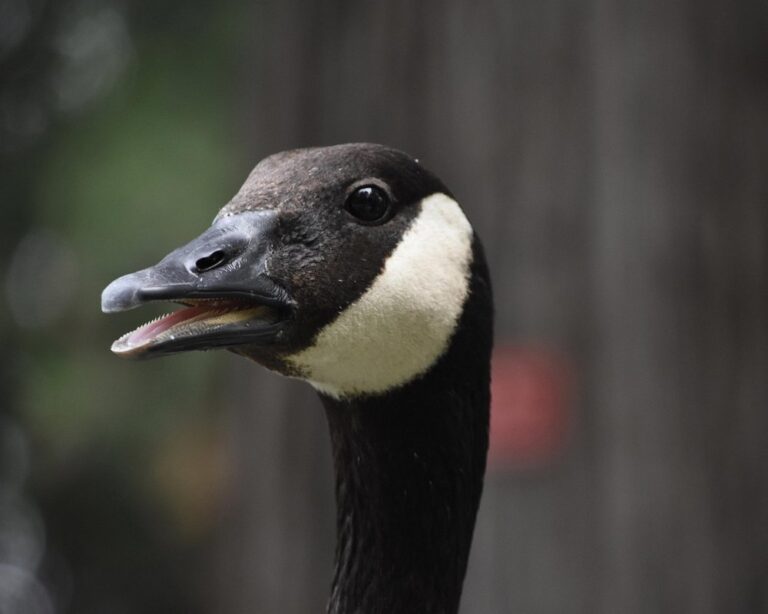
In terms of actual “teeth,” ducks do not have any. Instead, their beak is a hard, keratin-based structure that serves as both a biting tool and a filter to strain small particles from water. This unique combination of beak shape, size, and function allows ducks to thrive in a wide range of aquatic and terrestrial habitats.
Debunking Common Misconceptions about Duck Teeth
It’s not uncommon for people to believe that ducks have teeth. In fact, this misconception has become so ingrained in popular culture that it’s often depicted in cartoons and children’s books as a matter of fact. However, the truth is that ducks do not have teeth in the classical sense.
One reason why people think ducks have teeth is because they appear to be biting and chomping on food. But this isn’t due to any physical teeth; rather, it’s because their beaks are specially adapted to tear flesh and crush seeds. Their beaks are made of a tough, keratin-based material that’s similar to human fingernails.
It’s also worth noting that ducks do have a unique dental structure called a beak bone or maxilla, but this is not the same as having teeth. This bone provides a hard, rigid surface for their beaks to attach to, allowing them to eat and manipulate food efficiently. So while it may seem counterintuitive at first, ducks are actually able to eat and digest a wide variety of foods without the need for traditional teeth.
The Importance of Clarifying this Question for Wildlife Enthusiasts
As you delve into the fascinating world of ducks, it’s essential to ask yourself: what exactly do I want to know about their anatomy? For wildlife enthusiasts like birdwatchers and animal lovers, understanding a duck’s teeth is crucial for several reasons. First and foremost, recognizing the differences between various species can help identify them more effectively during observations or photography excursions.
Let’s consider an example: while many people assume that ducks have beaks instead of teeth, some species, such as the Muscovy duck, possess small, hard plates called “gizzard stones” in their esophagus. These aren’t exactly teeth, but they play a vital role in helping these birds grind and digest food.
Understanding a duck’s anatomy can also aid in providing proper care for rescued or rehabilitated ducks. For instance, knowing that some species require specific types of dental care can ensure the health and well-being of these remarkable creatures. By clarifying what we want to know about ducks’ teeth, wildlife enthusiasts can gain valuable insights into their behavior, habitats, and unique characteristics – ultimately fostering a deeper appreciation for these incredible birds.
Do Ducks Need Teeth to Eat?
Let’s dive into what might seem like a simple question, but can actually lead to some interesting insights about how ducks eat and digest their food. Can ducks really chew without teeth?
How Do Ducks Feed in the Wild?
In their natural habitat, ducks are opportunistic feeders, taking advantage of a wide variety of food sources. The types of plants they eat can vary depending on the season and location, but they tend to favor aquatic vegetation such as algae, duckweed, and water lilies.
Ducks also forage on land for insects, seeds, and grains. They use their beaks to probe into the soil and retrieve buried treats like earthworms and grubs. In addition to these food sources, ducks will often eat small animals like snails, frogs, and even tiny fish if they encounter them.
To obtain food in the wild, ducks employ various strategies such as dabbling (splashing their beaks in the water to stir up aquatic plants) or upending (tilting their bodies to reach submerged vegetation). They also use their strong legs to wade through shallow water or dig into muddy banks to uncover hidden treats. By adapting to their surroundings and making the most of available resources, ducks are able to thrive in a wide range of environments without needing teeth to eat.
Comparison with Other Birds: Are They Different from Ducks?
When it comes to feeding habits, ducks stand out from other birds. Unlike some bird species that peck at food with their beaks, ducks use their specially adapted bills to filter and devour aquatic plants, insects, and small crustaceans. This unique behavior is a result of their evolution as waterfowl.
In contrast, geese and swans are also waterbirds but tend to eat more terrestrial vegetation and grains. These birds have stronger, more rigid beaks that are better suited for breaking through tough plant material. On the other hand, penguins feed on fish and krill in their aquatic environments, using their modified beaks to catch and eat prey.
One key difference between ducks and other waterfowl is their ability to filter food from water. Using their broad, flat bills, ducks can strain tiny particles like plankton and algae from the water, making them highly efficient grazers. This feeding strategy not only sets ducks apart but also explains why they thrive in a wide range of aquatic environments.
What Would Happen if a Duck Had Teeth?
If a duck were to have teeth, it would likely revolutionize its eating habits and overall health. For one, ducks would no longer need to tear flesh with their beaks, which is the primary way they feed on aquatic animals like snails, fish, and insects. With teeth, they could efficiently chew and digest solid foods, much like humans do.
This hypothetical scenario raises questions about how ducks would adapt to eating a variety of food sources. Would they opt for softer, easier-to-chew plants or continue to eat tough-skinned fruits and berries? Perhaps they would even learn to hunt more aggressively, using their new teeth to tackle larger prey.
On the other hand, having teeth might lead to some drawbacks, such as overeating due to ease of consumption. Ducks might struggle with proper tooth care, potentially leading to cavities or gum disease if not properly maintained. It’s also worth considering how their unique beak structure would change in response to teeth.
The Beak as an Alternative to Teeth
So, you might be wondering: if ducks don’t have teeth, how do they manage to eat and chew their food? We’ll take a closer look at the incredible role of their beaks.
How Do Ducks Use Their Beaks to Eat?
Ducks use their beaks as a substitute for teeth to eat and manipulate food items with remarkable precision. The beak is made up of keratin, the same protein that makes up human hair and nails, which provides strength and durability.
When eating, ducks use their beaks to pick up food items from the ground or water. They then position their beaks in a way that allows them to grasp and hold onto the item firmly. For instance, when pecking at seeds on the ground, ducks will often tilt their heads to one side to get a better grip.
Ducks are able to manipulate food items with precision due to the flexible tip of their beak, which is called the “ramus”. The ramus allows them to pick up small objects like seeds and grains without dropping them. For example, when eating aquatic plants, ducks will use their beaks to pluck individual leaves from stems.
In addition to manipulating food items, ducks also use their beaks to tear and rip apart larger pieces of food into smaller, more manageable bits. This is especially true for larger prey like fish or frogs, which require a bit more effort to eat.
Adaptations in the Duck’s Beak Structure for Different Diets
When it comes to adapting their beak structures for different diets, ducks have evolved some remarkable features. For instance, some duck species that primarily feed on grains have a wider, more flattened beak shape, which is ideal for plucking and cropping seeds from the ground. In contrast, ducks that specialize in aquatic plants have longer, narrower beaks that are perfect for reaching into tight spaces to grab onto submerged vegetation.
Mallard ducks, which thrive on a mixed diet of grains and aquatic plants, boast a versatile beak shape that falls somewhere in between these two extremes. Wood ducks, on the other hand, have an even more specialized beak structure with a sharp, hook-like tip, designed specifically for prying open hard-shelled nuts and seeds.
It’s fascinating to observe how different duck species have tailored their beaks to suit their unique dietary needs. By studying the adaptations in beak shape and size, we can gain valuable insights into the feeding habits of these amazing waterfowl creatures.
Why a Beak is More Efficient than Teeth for Ducks
When it comes to eating and processing food, a duck’s beak is surprisingly more efficient than having teeth. For one, beaks are highly versatile and can be used for a variety of tasks such as digging, pecking, and tearing. In contrast, teeth are relatively inflexible and can only perform specific functions like biting and crushing.
Moreover, the structure of a duck’s beak allows it to easily manipulate food in its mouth. The upper and lower mandibles of the beak work together to grip and tear food, making it easier for ducks to eat a wide range of foods including seeds, fruits, and insects. Additionally, the hard, keratin-based material that makes up a duck’s beak is highly resistant to wear and tear, meaning it can withstand the rigors of everyday eating without showing significant signs of wear.
This adaptability is particularly useful for ducks as they often eat a wide variety of foods depending on their environment and season. By having a versatile beak, they are able to make the most of whatever food sources are available. In fact, some duck species can even go without food for extended periods by relying on stored fat reserves in their bodies.
Can You Find Any Evidence of Duck Teeth?
Let’s dive deeper into the question and see if we can find any physical evidence of teeth on a duck, just by observing its mouth structure. What do you think you’ll discover?
Historical and Scientific Records on Duck Anatomy
Ducks have been observed and studied by scientists and naturalists for centuries, providing valuable insights into their anatomy. In 1758, Carolus Linnaeus described the duck’s beak as “ramous,” meaning tooth-like, but this description was likely due to his misconception of what he saw. Later, in the early 20th century, ornithologist Alexander Wetmore observed that ducks have a unique arrangement of keratinized (horny) growths on their upper mandible.
These growths are not teeth, but rather modified beaks that help with food gathering and processing. The structure of a duck’s mouth is adapted for filtering small plants, insects, and fish from the water. The lack of visible teeth has led some to wonder if ducks actually have any teeth at all. However, studies using x-rays and other imaging techniques have revealed that adult ducks do indeed have teeth-like structures called vestigial teeth or pegs in their jaws.
These tiny remnants of once-functional teeth are thought to be a result of evolutionary adaptation to the duck’s unique diet and feeding habits.
Dissecting Ducks: What Scientists Have Found
When scientists dissect ducks to study their anatomy, they often look for physical evidence of teeth. One common misconception is that ducks have beaks instead of teeth. However, beaks are actually a type of keratin-based bill that’s made up of the same protein as human hair and nails.
Upon closer inspection, researchers have found that ducks do have tiny, bony structures in their upper jaw called “rhamphotheca.” These rhamphotheca are not teeth per se but rather hardened, enamel-like coverings that protect the duck’s beak from wear and tear. While they may look similar to teeth, these rhamphotheca don’t have roots or enamel like real teeth do.
In fact, some species of ducks have more pronounced rhamphotheca than others. For example, Mallard ducks have relatively small rhamphotheca compared to the larger ones found on Wood Duck beaks. This variation in beak structure highlights just how complex and fascinating duck anatomy can be.
The Importance of Evidence-Based Information for this Question
When exploring the question of whether ducks have teeth, it’s essential to rely on evidence-based information to arrive at an accurate conclusion. Misconceptions and myths can be widespread, especially when dealing with complex topics like anatomy. Relying solely on anecdotal evidence or hearsay can lead to flawed assumptions and perpetuate misconceptions.
A case in point is the common belief that ducks have teeth, but only in their mouths, which is actually a myth. To debunk this notion, we must examine scientific studies and expert opinions. For instance, a study published by the Cornell Lab of Ornithology states that ducks do not possess any teeth in their beaks or mouths.
To separate fact from fiction, it’s crucial to consult credible sources such as academic journals, government websites, and established wildlife organizations. These resources provide a wealth of evidence-based information that can help us understand the anatomy of ducks more accurately.
Conclusion: Wrapping Up the Discussion about Duck Teeth
As we’ve explored the anatomy of duck mouths and feeding habits, it’s time to tie up loose ends and summarize our findings on whether ducks technically have teeth. Let’s take a final look at what this means for our feathered friends.
Recap of Key Points
In conclusion to our discussion about duck teeth, let’s recap the key points that’ll help you better understand these fascinating creatures. Firstly, it’s essential to acknowledge that ducks do have a unique beak structure that resembles teeth, but they don’t possess traditional teeth like humans or other mammals. This beak is made up of keratin, a tough protein that helps them peck and tear at food.
When exploring the anatomy of duck mouths, we discovered that their beaks contain small, pointed projections called papillae, which are often mistaken for individual teeth. These papillae play a crucial role in filtering water and separating seeds from plant material.
It’s also worth noting that some duck species have more pronounced papillae or beak ridges than others. This variation can impact their diet and feeding behavior, making it essential to consider these factors when caring for ducks or studying their behavior in the wild.
Why this Information Matters for Animal Lovers and Enthusiasts
As we’ve explored the anatomy of ducks and debunked the common myth that they have teeth, it’s essential to reflect on why this knowledge matters for animal lovers and enthusiasts. Understanding a duck’s unique features, including its beak and bill structure, is crucial for providing proper care and attention.
For instance, if you’re an avid birdwatcher or volunteer at a local wildlife sanctuary, knowing that ducks don’t have teeth can help you identify signs of illness or injury in their eating habits. A duck with difficulty swallowing or struggling to eat may be experiencing issues with its beak or esophagus, rather than dental problems.
Moreover, understanding the specific needs of ducks can inform your decisions when it comes to providing food and water sources. By recognizing that ducks rely on grinding their food with their powerful beaks, you can ensure they have access to a variety of coarse foods that meet their nutritional requirements. This knowledge not only benefits individual ducks but also promotes a healthier environment for all wildlife, allowing us to coexist harmoniously.
Final Thoughts: What Can We Learn from Ducks?
As we conclude our discussion on duck teeth, it’s clear that these fascinating creatures have much to teach us about adaptation and survival. By studying ducks’ unique dental anatomy, we can gain valuable insights into the importance of flexibility in nature.
For one, ducks’ beaks are a prime example of how adaptability can lead to success. Their broad, flat shape is perfectly suited for foraging in wetlands, allowing them to exploit a vast array of food sources that other animals might miss. This ability to thrive in diverse environments is a testament to the power of flexibility in an ever-changing world.
So what can we learn from ducks? For one, we can appreciate the value of being prepared for any situation. Ducks’ beaks may not resemble traditional teeth, but they serve as a vital tool for their survival. By embracing our own adaptability and flexibility, we too can navigate life’s challenges with greater ease. Whether it’s trying new hobbies or taking calculated risks in our careers, being willing to adjust our approach can make all the difference in achieving our goals.
Frequently Asked Questions
Can I still observe ducks eating if they don’t have teeth?
Yes, you can definitely observe ducks foraging for food, even though they don’t have teeth. They use their beaks to filter and collect plants, insects, and small aquatic organisms from the water or ground.
How do I tell the difference between a duck’s beak shape and size being adaptations for its diet?
Understanding a duck’s beak structure is crucial in determining its feeding habits. Generally, short, broad beaks are suitable for grazing on land, while longer, more pointed beaks are ideal for dabbling in shallow water to catch small fish and insects.
What would happen if I were to introduce teeth-like structures into the mouths of ducks?
Introducing artificial teeth-like structures into a duck’s mouth could potentially disrupt its feeding habits and lead to difficulties in eating their natural diet. This is because the beak structure has evolved over time to meet their specific dietary needs.
Can I use evidence from other bird species to understand duck dentition better?
While comparing the beak shapes and sizes of different bird species can provide some insights, it’s essential to focus on the unique adaptations that ducks have developed for their environment. This includes considering factors like water depth, food availability, and competition with other animals.
How can I support local wildlife by understanding duck anatomy better?
By learning more about a duck’s beak structure and feeding habits, you can take steps to create a welcoming environment for these birds in your area. This might involve providing access to clean water sources, planting vegetation that attracts insects, or avoiding the use of pesticides that harm ducks and other wildlife.