
When it comes to long-term relationships, we often look to nature for inspiration. But have you ever wondered if some animals take monogamy more seriously than humans do? Geese, in particular, are known to form strong bonds with their partners, and research suggests that many species of geese mate for life. This unique aspect of goose behavior has sparked interest among scientists, who seek to understand the underlying reasons behind this phenomenon. In this article, we’ll delve into the complexities of goose monogamy, exploring how evolutionary pressures, neurobiological mechanisms, and real-life examples contribute to the formation and maintenance of long-term pairs. By examining these factors, we can gain a deeper appreciation for the intricacies of goose relationships and perhaps even glean some insights for our own relationships.
The Basics of Goose Behavior
Let’s start with the basics: geese are known for their strong pair bonds, but what exactly do we mean by monogamy in the context of these feathered friends? We’ll break down their habits and behaviors.
What is a Mated Pair in Geese?
A mated pair in geese is essentially a long-term monogamous relationship between two geese that has formed and strengthened over time. When it comes to forming these pairs, young geese, typically around 2-3 years old, will often wander away from their parents’ flock and join other groups to find potential mates. During this period, they engage in various courtship behaviors such as honking, preening, and mutual bathing to establish a bond.
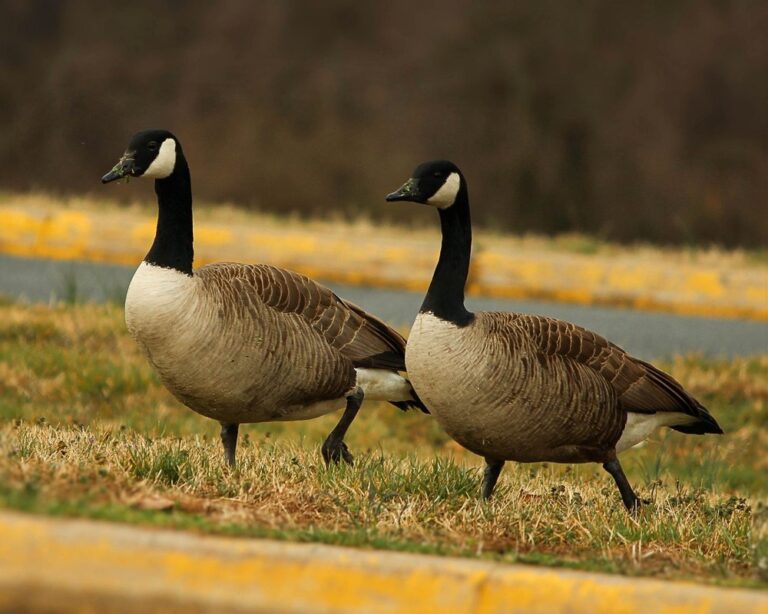
Once two geese have formed a strong connection, they typically stay together for many breeding seasons, with some pairs lasting up to 20 years or more. To strengthen their bond, mated pairs will often perform synchronized behaviors like walking, flying, and foraging together. This synchronization is a key indicator of their commitment to each other.
It’s worth noting that geese are highly social creatures, and their pair bonds can be influenced by various factors such as location, season, and even the availability of food resources.
Signs of a Lifelong Partnership
When it comes to identifying signs of a lifelong partnership in geese, there are several key indicators to look out for. One of the most telling signs is when a pair shares a nesting site year after year. This can be observed by noticing that they consistently return to the same location, often with slight modifications or additions made each breeding season.
Another crucial indicator is synchronized migration patterns. Geese that have formed a long-term bond tend to migrate together at the same time and follow the same route every year. Observers can easily notice this by tracking the pair’s movements over multiple seasons.
Consistent vocalizations also play a significant role in identifying lifelong goose pairs. These birds are known for their distinctive honking calls, and those that have formed strong bonds often develop unique call patterns that distinguish them from other geese. By paying attention to these subtle cues, you can gain valuable insight into the longevity of a goose pair’s relationship.
In fact, studies have shown that geese pairs that exhibit these behaviors are more likely to remain together for their entire lives.
The Science Behind Goose Monogamy
Research suggests that geese exhibit a unique form of monogamous behavior, but what drives them to pair up and stay together for so long? Let’s dive into the fascinating science behind this quacking phenomenon.
Evolutionary Pressures Favoring Long-Term Mateships
In many species, including geese, evolutionary pressures have shaped their behavior to favor long-term monogamous relationships. One key factor driving this trend is increased reproductive success. By forming a strong pair bond with a single mate, geese can focus on raising their young and increasing the chances of successful offspring. This is particularly important for geese, as they are devoted parents that invest significant time and energy into caring for their goslings.
Another critical consideration is reduced predation risks. When geese form long-term monogamous relationships, they can benefit from increased vigilance and cooperation in protecting their pair bond and young. This collective defense strategy enables them to better defend against predators, such as foxes, coyotes, or hawks. For example, a study on Canadian Geese found that pairs with established bonds were more effective at deterring predators than solitary geese.
By choosing a single mate for life, geese can minimize risks and maximize reproductive success, ultimately contributing to the continuation of their genetic lineage. This highlights the importance of pair bonding in goose populations, driving them towards forming long-term monogamous relationships that are crucial for their survival.
Neurobiological Mechanisms Supporting Lifelong Bonds
When it comes to the neurobiological mechanisms supporting lifelong bonds in geese, several key factors come into play. Oxytocin release is a crucial component, often referred to as the “love hormone” due to its role in bonding and attachment. Research has shown that oxytocin levels surge during pair-bonding activities such as mating, preening, and even just gazing at each other. This hormonal response is thought to strengthen social bonds between geese.
Vasopressin regulation also plays a significant role in goose monogamy. Vasopressin receptors have been found to be highly concentrated in the brain regions associated with social recognition and bonding. Studies have shown that vasopressin levels are elevated in long-term pair-bonded geese, suggesting its involvement in maintaining these relationships.
Attachment theory also provides insight into the neurobiological underpinnings of goose monogamy. According to attachment theory, young geese form an attachment to their parents, which lays the foundation for future social bonds. This early attachment is thought to shape the adult goose’s ability to form and maintain long-term pair bonds.
Examples of Successful Goose Long-Term Pairs
Let’s take a closer look at some remarkable examples of geese that have formed long-lasting pair bonds, defying expectations and touching hearts. These stories showcase the depth of goose monogamy in action.
Case Studies from Wildlife Reserves and National Parks
One of the most compelling arguments for goose monogamy comes from observing successful long-term pairs in various wildlife reserves and national parks. For instance, at the Wood Buffalo National Park in Canada, a pair of Greater White-fronted Geese has been documented to be together for over 20 years. This remarkable example highlights their commitment to each other, as they work together to find suitable habitat, breed successfully, and raise their goslings.
Another notable case study is that of the non-breeding geese at Yellowstone National Park’s Lamar Valley. Researchers have observed that these geese form long-term pair bonds with each other, even in the absence of breeding opportunities. This phenomenon underscores the importance of social bonding and attachment in geese beyond reproductive purposes. What can we learn from these successful pairs? For one, it emphasizes the significance of providing suitable habitats for geese to thrive, whether it’s through maintaining wetlands or protecting migratory routes.
In some cases, human intervention has even helped facilitate long-term pair bonds between individual geese. At the Audubon Society’s Rowe Sanctuary in Nebraska, conservation efforts have enabled researchers to monitor and manage the behavior of Canada Geese pairs, resulting in many successful pairings lasting for over a decade. By studying these remarkable relationships, we can gain valuable insights into the complexities of goose monogamy.
Insights from Captive Breeding Programs
Captive breeding programs have provided valuable insights into the behavior and social dynamics of geese. In these controlled environments, researchers can observe mate formation and bond establishment without the confounding variables present in natural habitats. Studies on captive-bred geese have shown that they are capable of forming long-term monogamous relationships, with some pairs staying together for over a decade.
One notable example is the California Condor Recovery Program, which has successfully bred geese as part of their conservation efforts. Researchers observed that mate selection was often based on factors such as dominance status and compatibility rather than genetic similarity or kinship. In fact, one pair of geese formed in captivity was known to stay together for 15 years, even after being released back into the wild.
These observations suggest that geese are capable of forming strong, long-term bonds with their mates, which is a key aspect of monogamy. However, more research is needed to understand the underlying mechanisms driving mate choice and bond establishment in wild goose populations.
Factors Influencing Goose Monogamy
Several factors can influence a goose’s ability to form long-lasting pair bonds, including environmental pressures and individual personalities. Let’s explore some of these key influences in more detail.
Environmental Pressures and Habitat Quality
Environmental pressures such as habitat quality, climate change, and human disturbance can significantly impact goose monogamy, potentially disrupting long-term pair bonds. Habitat quality plays a crucial role in the reproductive success of geese. When habitats are degraded or fragmented, pairs may struggle to establish and maintain territories, leading to increased mate switching and reduced monogamy rates.
Climate change is another significant factor affecting goose monogamy. Changes in temperature and precipitation patterns can alter food availability, causing stress on breeding pairs and increasing the likelihood of divorce. For instance, a study on Canada geese found that populations experiencing warmer temperatures had lower pair-bonding success rates compared to those with more moderate climates.
Human disturbance, such as increased recreational activities or urban development, can also disrupt goose monogamy. Pairs may be forced to abandon their territories due to human pressure, leading to mate switching and reduced pair-bonding stability. To mitigate these effects, conservation efforts should focus on preserving and restoring high-quality habitats, reducing human disturbance, and promoting climate-resilient breeding programs for geese.
Human Impact on Goose Mating Behavior
As we delve into the complexities of goose monogamy, it’s essential to acknowledge the profound impact humans have on their mating behaviors. Hunting practices, domestication, and urbanization have significantly altered the dynamics of wild goose populations, often disrupting their natural pair-bonding habits.
Hunting, in particular, has led to changes in goose behavior. When hunting is intense or frequent, it can cause pairs to break up, as geese may abandon their mates to increase their chances of survival. For instance, a study on Canada geese found that those living in areas with high hunting pressure had lower pair-bonding rates compared to those in protected areas.
Domestication has also played a significant role in shaping goose mating behaviors. Domesticated geese often form long-term pair bonds, but this can be influenced by factors such as food availability and human interaction. In urban environments, the presence of humans can lead to altered mating behaviors, with some geese becoming habituated to human-provided food sources.
The effects of urbanization are multifaceted. As natural habitats shrink or disappear, wild goose populations must adapt to new environments. This can result in changes to their social structures and mating habits, leading to increased aggression or competition among individuals.
Challenges to Lifelong Pairs: Divorce, Abandonment, and More
While geese are often romanticized as lifelong mates, their relationships aren’t always immune to challenges like divorce and abandonment. In reality, many goose pairs face significant obstacles that can test their monogamy.
What Causes Geese to Break Up?
While geese are known to form long-term monogamous relationships, they’re not immune to breakup and separation. In fact, various factors can lead to the dissolution of a goose pair bond. One common reason is injury or illness that leaves one partner unable to fend for themselves or their mate, forcing them to abandon their relationship.
Harsh weather conditions like extreme cold, heatwaves, or droughts can also take a toll on a goose’s survival instincts, causing them to prioritize their own well-being over their mate. For example, during severe winters, geese may seek out more favorable habitats, leaving their mates behind in search of food and shelter.
Social status changes are another factor that can contribute to the breakdown of a goose pair bond. If one partner gains or loses social standing within their flock, they may choose to leave their mate behind or pursue a new relationship with someone higher up the pecking order.
Adaptations for Single Parents and Solo Migrants
Some goose species have evolved remarkable adaptations to cope with single parenthood or solo migration. Take, for instance, the Canada Goose, where a single female may raise her brood without a male partner. In fact, studies have shown that 25% of Canada Geese are lone females who successfully raise their goslings on their own. These resilient birds have adapted to survive and even thrive in challenging circumstances.
In other cases, solo migrants like the Snow Goose have developed impressive strategies to navigate the challenges of long-distance migration alone. For example, a study tracked a female Snow Goose that made a remarkable 3,000-mile journey from her breeding grounds in Canada to her wintering grounds in Argentina without any male accompaniment. Her ability to adapt and persevere is a testament to the incredible resourcefulness of these birds.
What can we learn from these examples? For one, they highlight the importance of adaptability and resilience in the face of adversity. Whether you’re a goose or a human, being able to cope with change and uncertainty is crucial for survival and success. By studying these remarkable adaptations, we can gain valuable insights into how to navigate our own challenges with greater ease and confidence.
Conclusion: The Significance of Lifelong Pairs in Goose Populations
As we wrap up our exploration of goose monogamy, let’s take a closer look at why lifelong pairs are crucial for the health and stability of goose populations. This is especially important for conservation efforts worldwide.
Conservation Implications and Recommendations
Understanding and preserving long-term pair bonds in geese is crucial for conservation efforts and species survival. As we’ve explored throughout this post, lifelong pair bonds are a remarkable phenomenon that not only contributes to the stability of goose populations but also has significant implications for their well-being.
One key reason why preserving these pair bonds is essential is that it fosters stable habitats and territories. Geese that maintain long-term pair bonds tend to defend their shared territory more effectively, which in turn helps to reduce conflicts with other geese and even predators. This stability also enables them to raise their young successfully, increasing the chances of survival for future generations.
In addition, preserving lifelong pair bonds can help mitigate the impact of environmental changes on goose populations. As habitats and ecosystems continue to evolve due to climate change and human activities, species that maintain strong social bonds may be better equipped to adapt and cope with these changes.
To prioritize the conservation of long-term pair bonds in geese, researchers and wildlife managers can employ several strategies. These include:
* Monitoring and managing habitat quality and availability to support stable breeding and foraging grounds
* Implementing reintroduction programs that focus on maintaining family groups and social bonds
* Conducting research on the factors influencing pair bond formation and maintenance, such as genetic compatibility or environmental pressures
By recognizing the importance of lifelong pair bonds in geese and working to preserve them, we can take a crucial step towards ensuring the long-term survival of these incredible birds.
Frequently Asked Questions
Can any species of geese mate for life?
Yes, while some species are more prone to monogamy than others, research suggests that many types of geese form long-term pair bonds, with some species being more likely to engage in lifelong relationships than others. Factors such as habitat quality and availability of resources can influence the likelihood of a pair forming.
How do environmental pressures impact goose mating behavior?
Environmental pressures like habitat loss, climate change, and human disturbance can affect the success of goose long-term pairs. For example, geese may be forced to abandon their mates or young due to habitat fragmentation or degradation. Understanding these factors is crucial for conservation efforts aimed at preserving goose populations.
Can domesticated geese form lifelong pair bonds?
While domesticated geese can develop strong bonds with their human caregivers, it’s less clear whether they naturally form long-term pair relationships like their wild counterparts. Factors such as breeding and management practices can influence the likelihood of successful pair formation in captive settings.
How do scientists study goose monogamy in the wild?
Researchers employ various methods to observe and track goose behavior, including radio telemetry, camera traps, and observational studies. By examining these methods, we can gain a deeper understanding of the complex factors that contribute to the formation and maintenance of long-term pairs in the wild.
What are some common challenges facing geese in forming lifelong pair bonds?
Common challenges include habitat loss, predation, disease, and human disturbance. Additionally, factors like mate choice and pairing success rates can be influenced by environmental pressures and availability of resources. Understanding these challenges is essential for developing effective conservation strategies to support goose populations.