
You might be surprised to learn that geese are prolific egg layers, with females capable of producing eggs without the presence of males. But how does this reproductive strategy work, and just how many eggs can a single goose lay in a year? As it turns out, domestication has had a significant impact on the reproductive cycles of these birds, leading to some fascinating adaptations that are worth exploring.
In this article, we’ll dive into the world of geese egg-laying, examining not only the average annual yield but also the surprising facts behind how females can produce eggs without males. We’ll take a closer look at the domestication of geese and its effects on their reproductive cycles, and explore what this means for the way we raise these birds today. Whether you’re an avid birdwatcher or simply curious about the natural world, join us as we uncover the secrets of geese egg-laying.
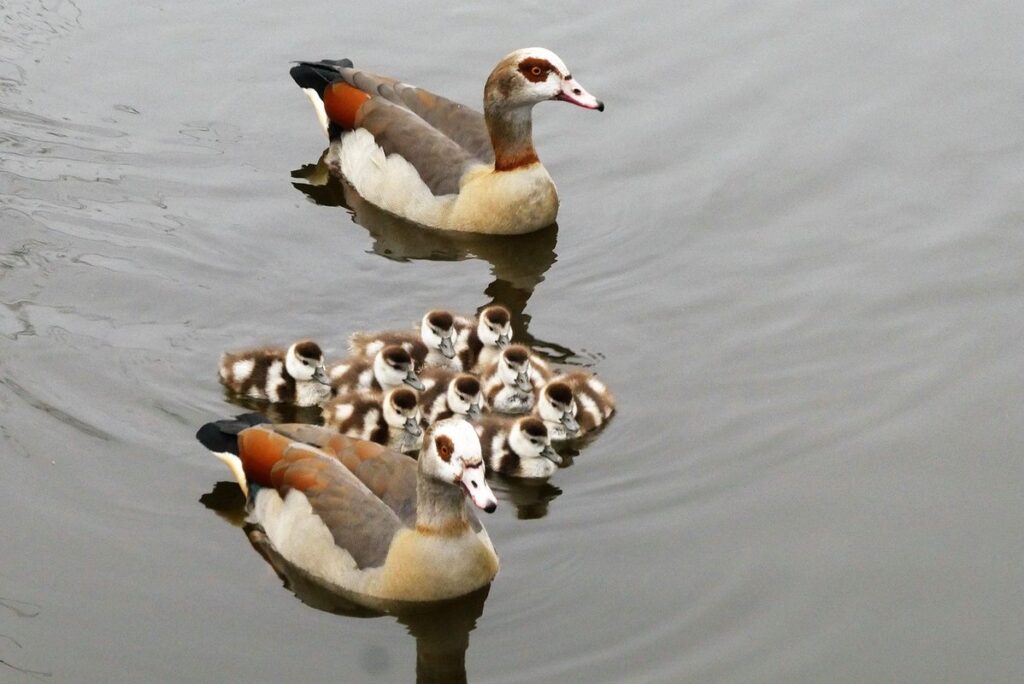
The Biology of Geese and Egg-Laying
So, what makes geese tick when it comes to laying eggs? We’re diving into the fascinating biology behind their reproductive cycles and egg-laying habits.
What is a Goose?
Geese are large waterfowl birds that belong to the family Anatidae. There are several species of geese, but some of the most common ones include the Canada goose, Snow goose, and Greylag goose. Geese are known for their distinctive honking calls, which can be loud and frequent, especially during mating season.
In terms of characteristics, geese are typically large birds with broad wings and a stout body. They have a white or grayish-white plumage, with a black neck and head. Some species of geese also have colorful patches on their heads, such as the Snow goose’s bright red feathers.
Geese are social animals that live in colonies, often nesting near water sources like lakes, rivers, and wetlands. During breeding season, they form long-term monogamous relationships, with pairs staying together for many years. Female geese are also devoted parents, taking turns incubating eggs and caring for their goslings until they’re old enough to fend for themselves.
It’s worth noting that some species of geese can be quite aggressive, especially when defending their territory or young from predators. However, with proper handling and care, many people have successfully kept domesticated geese as pets or raised them on farms for eggs and meat.
Female Geese Anatomy and Reproduction
When it comes to reproduction, female geese have a unique anatomy that’s specifically designed for egg-laying. At the center of their reproductive system are two ovaries, which produce yolks and release them into the oviducts. The oviducts, also known as fallopian tubes, are long muscular tubes where fertilization usually takes place.
The cloaca is another vital part of a female goose‘s anatomy, playing a crucial role in egg-laying. Located at the base of the reproductive and digestive systems, the cloaca serves as a shared opening for waste removal and reproduction. When it comes time to lay an egg, the oviducts release the yolk into the cloaca, where it combines with shell membranes and other materials.
As female geese prepare for egg-laying, they undergo physical changes that signal the start of this process. Their reproductive system begins to mature, and their hormone levels surge. This hormonal shift triggers a series of behaviors that indicate they’re ready to lay eggs – such as nesting behavior or increased vocalization. By understanding these signs, you can predict when your female goose will be laying eggs.
The Process of Laying Eggs in Geese
So you’re curious about how geese actually lay eggs, and what’s involved in that process? Let’s take a closer look at the fascinating steps they go through.
Pre-Laying Preparation
Before a female goose lays an egg, her body undergoes some crucial preparation. This process is regulated by hormones, specifically estrogen and progesterone, which stimulate the ovaries to release a yolk into the oviduct. The yolk formation is a complex process that involves the combination of nutrients and proteins from the hen’s diet, such as calcium, vitamins, and minerals.
As the yolk forms, it undergoes several changes, including hydration, shaping, and calcification. During this time, the muscle contractions in the uterus begin to strengthen, preparing for the impending egg-laying process. This is a critical period, as the goose’s body ensures that the egg is properly developed and ready for laying.
In preparation for egg-laying, it’s essential to provide your female geese with a balanced diet rich in nutrients, particularly calcium, which is crucial for yolk formation and shell development. Ensure access to clean water and a stress-free environment to promote optimal health and hormone regulation. This will not only support the goose’s reproductive process but also contribute to her overall well-being.
Egg Formation and Release
As we’ve established that geese do lay eggs, let’s dive into the fascinating process of egg formation and release. The journey begins when a yolk is released from the ovaries and travels through the oviducts, where it’s surrounded by a layer of albumen (egg white) and then a hard outer shell.
The egg now moves through the infundibulum, where fertilization can occur if a male geese is present. If not, the egg will still be formed without any genetic material from the father. As the egg continues its journey, it passes through the magnum, where more albumen is added, and then through the isthmus, where the shell membrane forms.
Finally, the egg reaches the cloaca, a shared opening for the reproductive, urinary, and digestive systems. Here, muscles contract to push the egg out of the geese’s body, allowing it to fall into the nesting material or grass below. This process is usually accompanied by loud honking and frantic behavior from the mother geese.
In domestic settings, you can encourage this natural process by providing a safe and clean environment for your geese, complete with adequate nesting materials and space to roam.
Can Geese Lay Eggs Without Males?
To understand whether a male is necessary for egg-laying, let’s dive into the fascinating world of geese reproduction and explore their unique characteristics.
Parthenogenesis in Geese
Parthenogenesis is a fascinating reproductive mechanism that allows certain female animals to produce fertile eggs without mating with males. In geese, this phenomenon is extremely rare and has been observed in only a few species. When parthenogenesis occurs in geese, it’s often triggered by environmental factors such as stress, nutrition, or climate change.
During parthenogenesis, the egg cell undergoes duplication without fertilization, resulting in an embryo that develops into a normal chick. However, this process is usually incomplete and often leads to abnormalities in the offspring. For example, research has shown that parthenogenetic goslings may exhibit developmental issues, reduced fertility, or even die shortly after hatching.
It’s essential for goose breeders and owners to be aware of the signs of parthenogenesis, which can include a sudden increase in egg production, unusual egg shape or size, or chicks that appear weaker or more vulnerable than usual. While parthenogenesis is an intriguing aspect of avian reproduction, it’s crucial to remember that this process is highly unlikely in domesticated geese and should not be relied upon for breeding purposes.
Cloning and Its Relevance to Goose Egg-Laying
Cloning technology has been increasingly used to study and replicate the reproductive processes of various species, including geese. By cloning geese, scientists can gain insights into their genetic makeup and reproductive strategies. This information is particularly valuable for breeders who aim to enhance egg-laying capabilities in domesticated geese.
In 2001, a team of scientists successfully cloned a goose using somatic cell nuclear transfer (SCNT) technique. The cloned gosling, named Zhong Zhong, was born healthy and developed normally. This breakthrough sparked interest among researchers and breeders alike, as cloning offers a potential means to replicate superior egg-laying traits.
However, it’s essential to note that cloning is not yet widely practiced in geese breeding due to the complexity of the technology and concerns about animal welfare. Moreover, cloned individuals may have higher susceptibility to certain health issues or exhibit reduced fertility rates. For now, breeders rely on traditional methods of selective breeding to enhance egg-laying capabilities.
As research continues to advance our understanding of cloning and its applications, we can expect more efficient and humane ways to replicate desirable traits in geese.
How Many Eggs Do Geese Lay Per Year?
Let’s get down to business and talk numbers, because you’re probably wondering how many eggs a goose lays in a year. Typically, a female goose lays around 8-10 eggs per breeding season.
Factors Influencing Egg Production
When it comes to egg production, geese are no exception to the rule that many factors can influence their capacity. Breed is one such factor that significantly impacts a goose’s ability to lay eggs. For example, some breeds like Toulouse and Embden geese are known for their high egg-laying abilities, often producing up to 100 eggs per year. On the other hand, other breeds may only produce around 30-40 eggs annually.
Nutrition also plays a crucial role in determining how many eggs a goose will lay. A balanced diet rich in essential vitamins and minerals is vital for maintaining good health and fertility in geese. Inadequate nutrition can lead to reduced egg production or even complete cessation of laying. It’s essential to ensure that your geese have access to high-quality feed, supplemented with fresh fruits and vegetables as needed.
Health conditions can also affect a goose’s ability to lay eggs. Respiratory problems, for instance, can significantly reduce egg production in affected birds. Regular health checks and vaccinations can help prevent such issues from arising. Environmental conditions like climate, light exposure, and space availability can also impact a goose’s egg-laying capacity, so it’s essential to provide them with suitable living arrangements.
Average Annual Egg Yield in Different Breeds
The number of eggs laid by geese per year can vary significantly depending on several factors, including breed, nutrition, and living conditions. While some breeds are known to lay an impressive 50-60 eggs annually, others may only manage around 20-30.
For instance, the Embden goose is a popular breed often used in commercial egg production. On average, these geese can lay around 40-45 eggs per year. In contrast, the Chinese goose tends to be less prolific, laying approximately 20-25 eggs annually. Another factor that affects egg yield is nutrition; well-fed geese will generally produce more eggs than those on a limited diet.
Some breeds are bred specifically for their high egg-laying capabilities. For example, the Toulouse and the African geese have been known to lay around 50-60 eggs per year. However, it’s essential to remember that even with proper nutrition and care, individual birds will still vary in their productivity.
When considering adding geese to your backyard flock or choosing a breed for commercial egg production, understanding average annual yields can help you make informed decisions about feeding, housing, and overall management strategies.
Geese and Egg-Laying in Captivity vs. Wild
When it comes to egg-laying, geese can behave quite differently depending on whether they’re living in captivity or roaming free in their natural habitats. Let’s explore these variations together.
Domestication Effects on Egg Production
Domestication has significantly impacted goose egg-laying habits. In their natural habitat, geese typically breed once a year, with some species laying as few as 2-3 eggs per clutch and others up to 6. However, domesticated geese have adapted to human care and can lay more frequently.
The reproductive cycles of domesticated geese differ from those in the wild due to changes in hormone regulation. For instance, the introduction of artificial lighting in captivity allows for year-round breeding, enabling multiple clutches per year. This manipulation of light exposure triggers an increase in estrogen levels, prompting egg-laying.
Domestication has also influenced egg size and quality. Domestic geese tend to produce larger eggs due to better nutrition and healthcare, although their shell thickness may be thinner than that of wild geese. To optimize egg production in domesticated geese, owners should provide a balanced diet rich in calcium, maintain clean living conditions, and ensure adequate light exposure.
Overall, the domestication process has increased egg-laying frequency in geese, making them more prolific layers than their wild counterparts.
Comparing Egg-Laying Habits Between Domesticated and Feral Geese
Domesticated geese and their wild counterparts exhibit distinct egg-laying behaviors. Feral geese living in natural habitats typically lay eggs from April to July, with a peak in May and June. They usually produce one clutch of 2-5 eggs per breeding season, which is often influenced by factors such as food availability and environmental conditions.
In contrast, domesticated geese kept in captivity can breed year-round and may produce multiple clutches within a single year. This difference in reproductive behavior is largely due to the absence of predation pressure and the abundance of food provided by their human caregivers. Domesticated geese may also be encouraged to lay eggs through targeted breeding programs.
Interestingly, research suggests that feral geese tend to have lower egg production compared to their domestic counterparts. A study on a population of wild Canada Geese found an average clutch size of 2.5 eggs per nesting site, whereas commercial farms report average egg counts ranging from 100 to 150 eggs per hen annually. Understanding the differences in egg-laying habits between domesticated and feral geese can provide valuable insights for responsible pet ownership and conservation efforts.
Frequently Asked Questions
Can I breed geese for higher egg production without disrupting their natural reproductive cycles?
While domestication has indeed altered the reproductive cycles of geese, it’s still possible to breed them for increased egg production while minimizing disruptions to their natural habits. This can be achieved by providing a suitable environment that mimics their natural habitats and allowing them to engage in natural behaviors. However, it’s essential to consult with experienced breeders or veterinarians to ensure you’re taking the right approach.
What are some common health issues that affect egg-laying geese, and how can I prevent them?
Egg-laying geese can be prone to various health issues, such as reproductive problems, feather pecking, and stress-related disorders. To mitigate these risks, it’s crucial to maintain a clean and spacious environment, provide a balanced diet rich in nutrients, and ensure regular veterinary check-ups. Additionally, incorporating enrichment activities and promoting social interaction among the geese can help reduce stress levels.
Can I keep geese that are not native to my region for egg production, or is this practice recommended?
While it’s technically possible to keep non-native goose breeds for egg production, this practice is generally discouraged due to potential environmental and health concerns. Non-native species may carry diseases that could be transmitted to local wildlife, while also competing with native populations for resources. If you’re considering raising geese for egg production, it’s recommended to choose breeds that are well-suited to your region’s climate and ecosystem.
How do I determine the optimal age for first-time laying in my geese?
The ideal age for first-time laying in geese varies depending on factors such as breed, nutrition, and overall health. Generally, most domesticated goose breeds begin laying eggs between 18-24 months of age. However, some high-performance breeds may start laying earlier or later than this range. To determine the optimal age for your geese, consult with experienced breeders or veterinarians who can provide guidance based on their specific needs.
Can I expect similar egg-laying patterns in both domesticated and feral geese?
While some similarities exist between the egg-laying habits of domesticated and feral geese, there are significant differences. Feral geese tend to have more variable laying patterns due to factors like food availability, predation pressure, and environmental stressors. In contrast, domesticated geese may exhibit more consistent laying patterns thanks to regular feeding schedules and controlled environments.