
When you think of geese, you likely picture them as devoted partners, swimming hand in wing through the water. But do geese really mate for life? The answer is more complicated than it seems. While some species of geese are known to form long-term pair bonds, others may not be as committed. In this article, we’ll delve into the surprising truth about geese and their mating habits, exploring the factors that influence commitment and the evolutionary advantages behind this behavior. We’ll also examine behavioral indicators of a goose’s mate for life status and discuss the challenges they face in modern times, including habitat loss and hunting. By understanding the complex dynamics of geese’ long-term relationships, we can gain insight into their conservation implications and better protect these iconic birds.
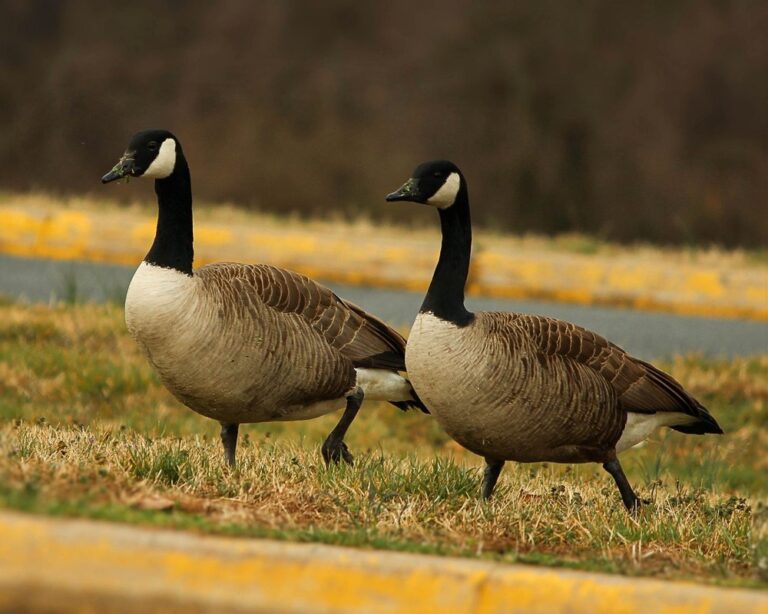
The Biology of Monogamy in Geese
When it comes to geese, their mate-fors-life reputation is rooted in some fascinating biology. In this section, we’ll explore why these birds form such strong pair bonds.
Definition and Prevalence of Long-Term Mating
When it comes to birds that mate for life, geese are often cited as one of the most iconic examples. But what does it truly mean to be a monogamous bird species? In reality, not all bird species exhibit long-term mating behavior, and among those that do, the level of commitment can vary greatly.
For instance, while some bird species, like swans and albatrosses, are known to form strong pair bonds that last for many years or even a lifetime, others may engage in “serial monogamy,” where they mate with multiple partners over the course of their lives. Even within geese themselves, not all populations exhibit the same level of commitment; some species, like the Canada goose, tend to be more faithful than others.
Research suggests that around 90% of waterfowl species exhibit some form of long-term monogamy, but what constitutes “long-term” can vary significantly. For example, one study found that while many birds stay with their mates for multiple breeding seasons, they may not always remain together outside of the breeding season. So, do geese truly mate for life? To answer this question, let’s take a closer look at their behavior and mating habits in different contexts.
Factors Influencing Mate Choice and Commitment
When it comes to mate choice and commitment, geese are not entirely driven by instinct. Instead, their decisions are influenced by a complex array of factors. Genetic diversity, for instance, plays a significant role. Geese tend to seek out mates with dissimilar genetic profiles to enhance the overall health and resilience of their offspring.
Social learning also comes into play. Young geese often learn mating habits from their parents or other experienced birds, which can shape their own preferences and behaviors. Environmental pressures, such as food availability and predation risks, may also influence a goose’s decision to form a long-term partnership. For example, geese living in areas with limited resources might prioritize finding a reliable mate over pursuing multiple partners.
By understanding these factors, we can better appreciate the complexities of monogamy in geese. If you’re a goose breeder or owner, recognizing these influences can help you create a more suitable environment for your birds to thrive. This might involve introducing genetically diverse mates or providing a safe and stable living space to reduce stress levels. By doing so, you can encourage your geese to form strong, lasting bonds with their partners.
The Evolutionary Advantages of Long-Term Mating in Geese
Let’s dive into why geese have evolved to form such strong long-term pair bonds, and what benefits come from their lifelong monogamy.
Increased Reproductive Success
When geese engage in long-term mating, they reap numerous benefits that contribute to their reproductive success. One of the most significant advantages is more successful brood rearing. By forming a long-term pair bond, geese are able to develop a shared knowledge and understanding of their breeding environment, allowing them to anticipate and prepare for potential threats to their young.
This increased familiarity also enables geese to optimize their parental care strategies, allocating resources more efficiently between mate guarding, vigilance, and foraging. For instance, when one parent is busy feeding the chicks, the other can take over guard duties, reducing the risk of predation.
Long-term mating in geese also reduces energy expenditure on finding new mates each breeding season. By devoting less time and effort to mate searching, paired geese are able to conserve energy for essential activities such as territory maintenance and nest construction. This conserved energy can then be directed towards producing high-quality offspring, further enhancing reproductive success.
Improved Parental Investment
When geese form long-term pair bonds, they exhibit remarkable parental investment, prioritizing their offspring’s survival and development. One key aspect of this is time allocation – committed pairs spend a significant amount of time together, often foraging and migrating with their goslings. For instance, a study observed that Canada Geese couples spent up to 50% more time with their young during the first few weeks after hatching compared to non-paired geese.
This dedication extends beyond mere coexistence, as pairs also invest substantial resources in their offspring’s well-being. They work together to build and maintain nests, protect their goslings from predators, and even take turns incubating eggs. In fact, studies have shown that paired geese exhibit significantly higher parental care compared to unpaired individuals.
In practical terms, what can we learn from these devoted pairs? By observing the behavior of committed geese, it’s clear that providing consistent attention and care is crucial for goslings’ survival. This means regularly checking in with your own goslings or young birds, ensuring their needs are met, and being prepared to adapt to changing circumstances – much like a geese pair does when faced with environmental challenges.
Behavioral Indicators of Long-Term Pair Bonds
As you observe geese interacting, certain behaviors can indicate whether they’re forming a long-term bond with their mate. Let’s examine these key signs together!
Vocalizations and Visual Displays
When it comes to reinforcing their pair bond, geese rely heavily on vocalizations and visual displays. One of the most distinctive ways they communicate is through a variety of calls, which serve different purposes. For example, a honking call can signal alarm or warning, while a softer murmuring sound may indicate contentment or relaxation.
In addition to vocalizations, geese also use visual displays to convey affection and commitment. They often engage in preening rituals, where one goose will gently nuzzle and smooth the feathers of its partner. This behavior is not only soothing but also strengthens their bond by releasing oxytocin, a hormone associated with attachment and bonding.
Observe how geese interact with each other during courtship or when facing potential threats – you’ll often see them displaying their unique pair-bonding behaviors. By paying attention to these subtle cues, you can gain insight into the depth of their commitment to one another.
Cooperative Breeding and Foraging
When it comes to committed pairs of geese, one of the most fascinating aspects is how they work together on essential tasks like breeding, nesting, and foraging. This cooperative behavior is a clear indication that these birds have formed a strong pair bond.
For instance, both partners in a committed pair will often take turns incubating eggs during breeding season. This not only ensures that the eggs receive equal attention but also allows each partner to rest and recharge. They’ll also work together to build and maintain their nest, using twigs, grasses, and other plant material to create a safe haven for their offspring.
When it comes to foraging, committed pairs will often hunt together, taking advantage of each other’s strengths and weaknesses to gather food efficiently. This can include both active hunting and scavenging for seeds, berries, or other edible plants. By working together in this way, geese are able to increase their chances of survival and provide the best possible care for their young.
In fact, studies have shown that cooperative breeding and foraging behaviors in geese can lead to increased reproductive success and a stronger overall pair bond.
Challenges to Long-Term Mating in Geese
So, what can go wrong when geese try to make their relationships last? Let’s explore some of the challenges that threaten long-term mating in these iconic birds.
Predation and Environmental Pressures
In addition to internal factors that can strain pair bonds, external threats also pose significant challenges to long-term mating in geese. Predation is a major concern for many goose species, with predators such as coyotes, foxes, and hawks posing a constant threat to their safety and the stability of their relationships.
Habitat loss and fragmentation are also significant environmental pressures that can disrupt pair bonds. As natural habitats shrink or become isolated, geese may be forced to live in areas where food is scarce or competition for resources is high. This can lead to increased stress levels and a breakdown in communication between partners.
Climate change is another pressing issue affecting goose populations worldwide. Changes in temperature and precipitation patterns can alter the availability of food sources, forcing geese to adapt their migration routes and breeding habits. These changes can be particularly challenging for long-term pair bonds, as they require flexibility and cooperation from both partners.
Ultimately, the ability of a goose to form and maintain long-term relationships is influenced by a complex interplay of internal and external factors. While some geese may thrive in environments with limited predation pressure and stable food sources, others may struggle to establish and maintain pair bonds in more challenging conditions.
Intrspecific Competition and Conflict
Within geese populations, intraspecific competition and conflict can significantly impact pair bond formation and stability. As these birds congregate in large groups during breeding seasons, competition for resources such as food, nesting sites, and mates becomes intense. This leads to aggressive behavior among individuals vying for the same limited resources.
For example, in a study of Canada geese, researchers observed that dominant males would frequently engage in agonistic behavior towards subordinate males, preventing them from accessing potential mates. Similarly, females may compete with each other for nesting sites, leading to conflicts that can be detrimental to pair bond formation.
To mitigate the effects of intraspecific competition on pair bonds, geese populations may employ strategies such as mate monopolization by dominant individuals or social learning, where young birds observe and imitate the behavior of established pairs. Understanding these dynamics is essential for conservation efforts aimed at preserving long-term pair bonds in goose populations.
Evidence from Field Studies and Observations
Field studies have provided valuable insights into the mating habits of geese, revealing interesting patterns that challenge the idea of lifelong pair bonding. Let’s take a closer look at what these observations reveal.
Case Studies of Long-Term Pairs
Many geese pairs have been observed to form long-term bonds, with some individuals remaining together for decades. One notable example is a pair of Canada Geese that were studied by researchers at the University of Wisconsin-Madison. This pair, which consisted of a male and female goose named “Max” and “Morty”, were observed to be together for an impressive 24 years.
Another well-documented case study involves a pair of Snow Geese that were tracked by scientists in Alaska. These geese, identified as “Alec” and “Sasha”, remained paired for over 20 years, despite being forced apart during the winter months when they migrated to different locations. What’s remarkable about this pair is that they continued to recognize each other even after many years of separation.
These long-term pairs exhibit behaviors such as frequent communication through honking, preening, and touching beaks, indicating a strong affectionate bond between them. They also demonstrate remarkable loyalty, often returning to the same nesting site year after year. By studying these cases, we can gain insights into the complexities of geese behavior and relationships.
Insights into Goose Social Structure
When observing goose flocks, it’s not uncommon to see them organized into distinct groups, often led by an experienced mated pair. This hierarchical structure is a crucial aspect of their social behavior and can provide valuable insights into their mating habits.
Studies have shown that within these flocks, individuals form long-term bonds with one another, often lasting several years or even a lifetime. In fact, research has found that many goose pairs remain together for 20-30 years or more, a testament to the strength of their bond.
One key aspect of this social structure is the concept of “pair-bonding,” where individuals form close relationships with each other outside of mating. This can help explain why some geese mate for life – they’ve developed strong emotional connections with one another that extend beyond reproduction. By observing and understanding these complex social dynamics, we can gain a deeper appreciation for the complexity of goose behavior and relationships.
For instance, if you’re looking to attract a long-term partner for your pet goose, consider introducing it to other geese in a controlled environment. Observe how they interact with one another, and be patient – building strong bonds takes time!
Conservation Implications and Human Interaction
As we explore the fascinating world of geese, it’s essential to consider how their behavior affects not only themselves but also our shared environment. We’ll delve into the implications for conservation and human interaction.
Managing Flock Dynamics for Sustainable Coexistence
When interacting with geese in their natural habitats, it’s essential to consider the potential impact on their social behavior. Geese are highly social creatures that live in complex societies, and disrupting these dynamics can have long-lasting consequences for the flock.
To preserve the balance of the goose population, it’s crucial to respect their habitat and space. This means avoiding areas where geese congregate, such as breeding grounds or migratory routes. When human activity is unavoidable, opt for non-lethal deterrents like noise-making devices or motion-activated sprinklers to discourage geese from frequenting the area.
For example, in parks and gardens, installing physical barriers or using bird-repellent balloons can effectively deter geese without causing harm. Moreover, by maintaining a clean environment and removing food sources, you can also reduce the likelihood of attracting geese to your property. By taking these steps, we can peacefully coexist with geese while preserving their natural behavior and social structures.
In fact, some cities have successfully implemented goose-friendly policies, such as designated grazing areas and education programs for residents on how to peacefully interact with geese. By adopting a similar approach, we can promote harmonious relationships between humans and geese.
Lessons from Goose Behavior for Human Relationships
Geese are known to form long-term monogamous relationships that can last for decades. This remarkable behavior has caught the attention of many scientists and relationship experts alike, who have begun to draw parallels between the benefits of long-term mating in geese and human partnerships.
One of the most notable lessons from goose behavior is the importance of commitment and loyalty in building strong relationships. Geese are creatures of habit, and once they form a bond with their mate, it’s a lifelong commitment. This dedication allows them to build trust, communicate effectively, and rely on each other for support and protection.
By observing geese, we can learn valuable lessons about the importance of active listening, empathy, and mutual understanding in human relationships. Just as geese work together to raise their goslings and protect their territory, humans can apply similar strategies to build a strong foundation for their partnerships. By prioritizing commitment, loyalty, and effective communication, couples can foster deeper connections and create lasting bonds that bring joy and fulfillment to their lives.
Frequently Asked Questions
Can geese that mate for life still be aggressive towards other birds?
While long-term pair bonds are a hallmark of some goose species, it’s essential to remember that these birds can still engage in territorial behavior and defend their mates and offspring from perceived threats. Yes, aggression towards other birds is not unique to non-mated geese; even committed pairs may exhibit protective behaviors when necessary.
How do I recognize signs of long-term pair bonding in geese?
Look for vocalizations, such as honking or whistling, which are often used by paired geese to communicate. You can also observe visual displays, like preening or neck-twisting, that indicate a strong bond between two birds. These behaviors can help you identify committed goose pairs.
Can habitat loss and hunting impact the ability of geese to mate for life?
Yes, these human activities can significantly disrupt long-term pair bonds in geese. Habitat loss can lead to fragmented populations, making it more challenging for geese to form stable pair bonds. Hunting can also cause stress and separation of mates, further threatening their commitment.
Are there any goose species that consistently reject the idea of monogamy?
Some species, like the Canada goose, are known to be less committed to long-term pair bonds compared to others. These birds may engage in extrapair copulations or exhibit a more flexible mating system. Research on specific species can provide insights into their unique reproductive strategies.
Can I use observations of goose behavior to inform conservation efforts?
Yes, studying the social structure and behaviors of geese can offer valuable lessons for conservationists. By understanding how different species respond to environmental pressures and human activities, we can develop more effective strategies for protecting these iconic birds and preserving their habitats.